Introduction to Esports
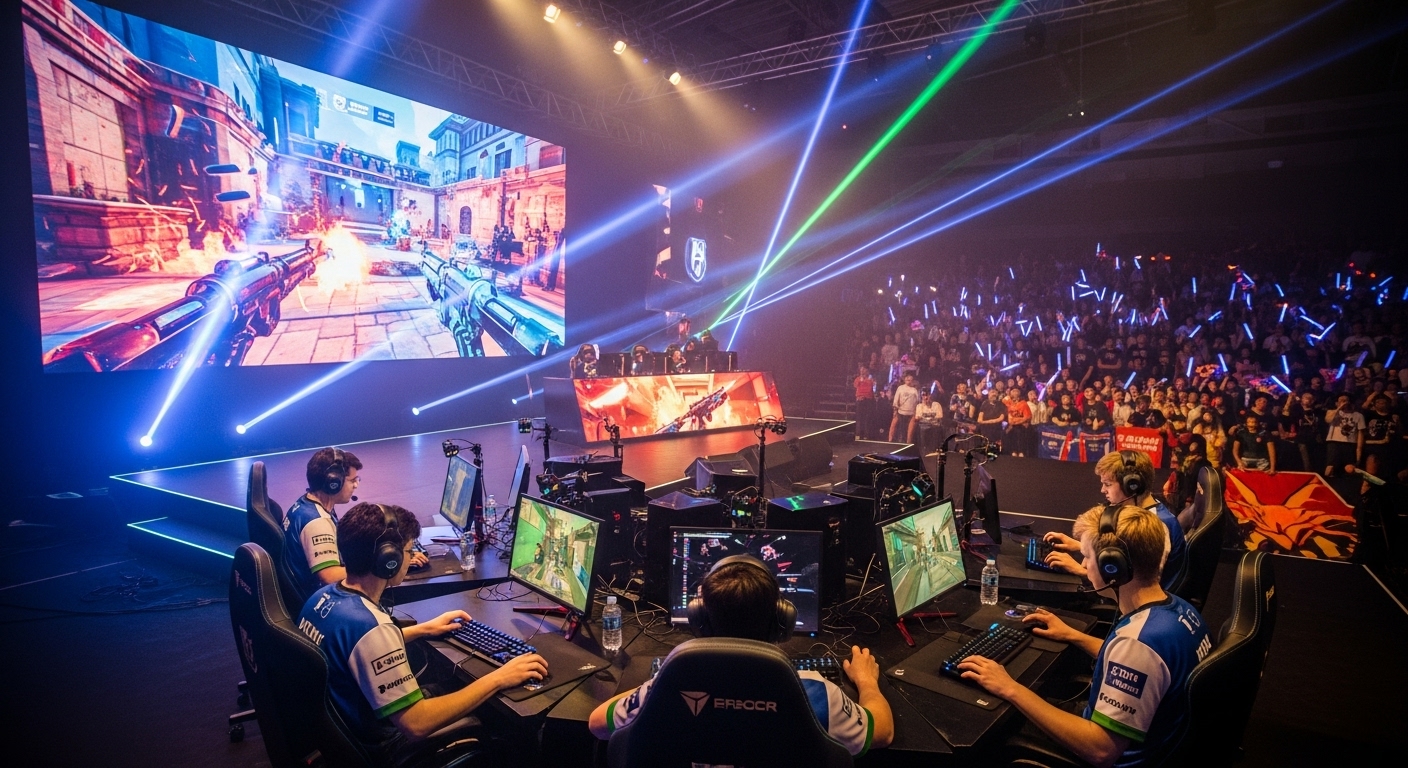
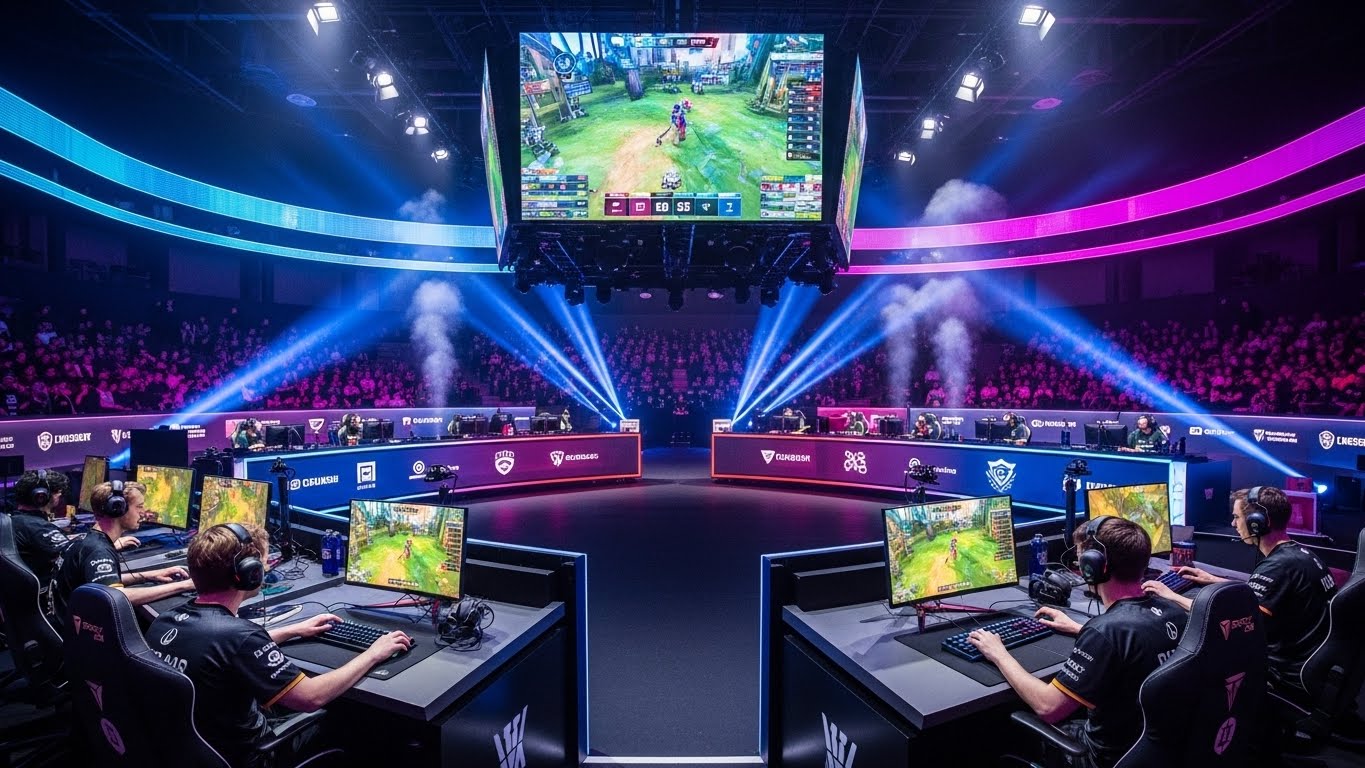
Esports, short for electronic sports, is one of the fastest-growing industries in the world. What began as small gatherings of gamers competing for fun has transformed into a global phenomenon involving professional players, massive tournaments, sponsorships, and millions of fans watching online and in packed arenas. Esports represents the digital age’s answer to traditional sports, blending technology, entertainment, and athletic competition into one incredible spectacle.
Over the past two decades, the gaming industry has undergone massive transformation. Video games, once considered mere entertainment for kids or a niche hobby, have become a platform for career development, business opportunities, and international fame. Esports has played a central role in this transformation, proving that gaming is not just play—it’s passion, strategy, and skill at the highest level.
The Rise of Competitive Gaming
The roots of esports can be traced back to the early 1970s when the first known video game competition took place at Stanford University. Players competed in the game “Spacewar” for a prize of a year’s subscription to a magazine. This simple event marked the beginning of something extraordinary. As technology evolved, so did gaming. The 1980s saw arcade competitions and the birth of gaming legends, while the 1990s introduced home consoles and multiplayer games, paving the way for global competitions.
The turning point came with the growth of the internet. Online gaming allowed players from different countries to compete without physical boundaries. Titles like Counter-Strike, StarCraft, and Quake became early pioneers in esports. As broadband internet spread, communities formed around these games, and organized tournaments began to attract sponsorships and professional players. By the early 2000s, esports had solidified its presence, with events like the World Cyber Games and Major League Gaming shaping the competitive landscape.
Professionalization and the Modern Esports Scene
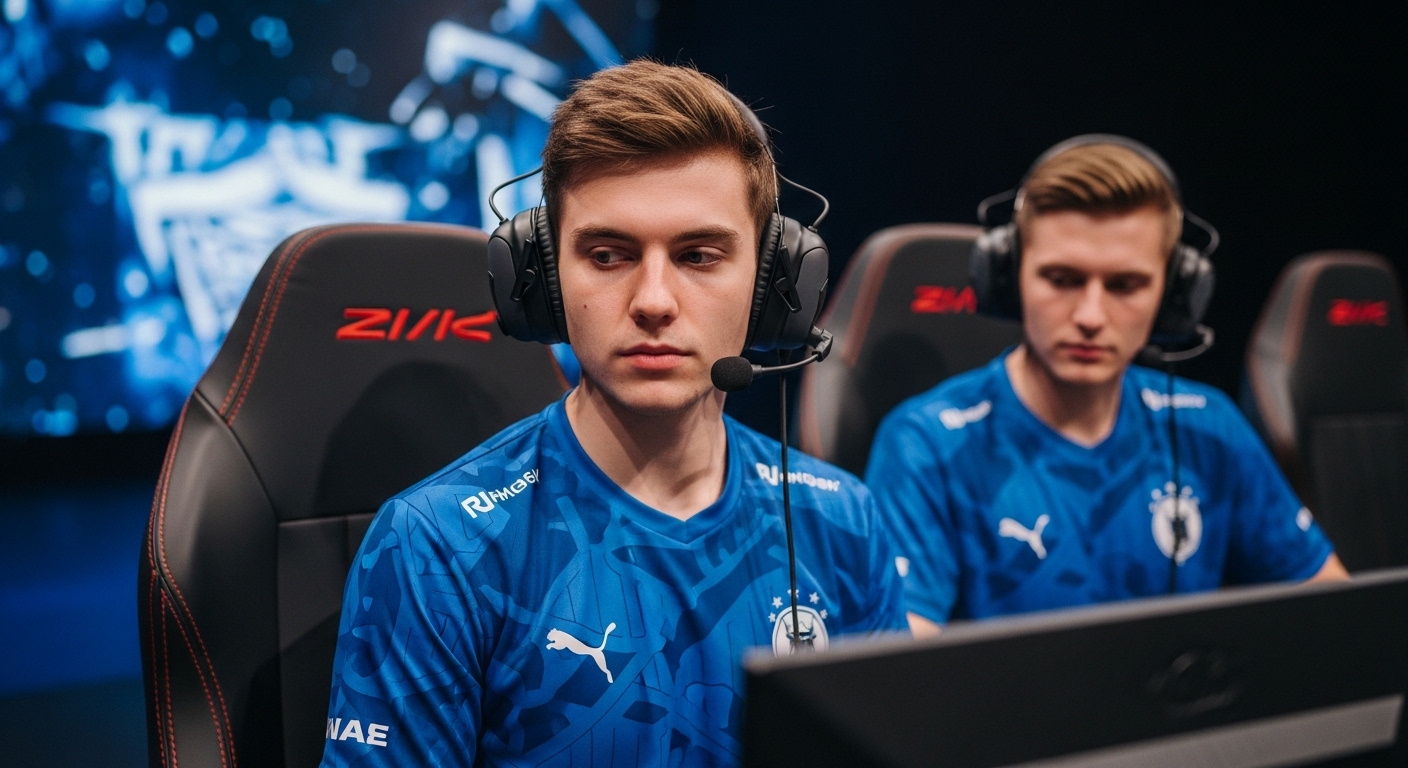
Esports today is not an underground activity—it is a legitimate, billion-dollar industry. Professional teams are managed like traditional sports organizations, with coaches, analysts, sponsors, and investors. Players sign contracts, receive salaries, and even have agents to negotiate deals. Training houses, dedicated gaming facilities, and fitness programs are common in the top teams’ structures.
Games such as League of Legends, Dota 2, Counter-Strike: Global Offensive, Fortnite, and Valorant dominate the esports scene. Each of these titles boasts massive tournaments, millions of dollars in prize pools, and global fanbases. The League of Legends World Championship, for example, draws viewership comparable to major traditional sports events. Similarly, Dota 2’s “The International” continues to break records for prize money, often funded by fan contributions through in-game purchases.
The rise of streaming platforms like Twitch and YouTube Gaming has also propelled esports to mainstream recognition. Millions of fans tune in daily to watch their favorite players and teams compete. This accessibility has made esports one of the most democratized entertainment industries, where anyone with skill, dedication, and a good internet connection can rise to fame.
The Role of Technology in Esports Growth
Technology lies at the heart of esports. The continuous advancement in graphics, connectivity, and hardware has enabled developers to create visually stunning, complex, and balanced games suitable for competitive play. High-speed internet connections allow for real-time global competitions, while streaming technology makes it possible for millions to watch live without interruption.
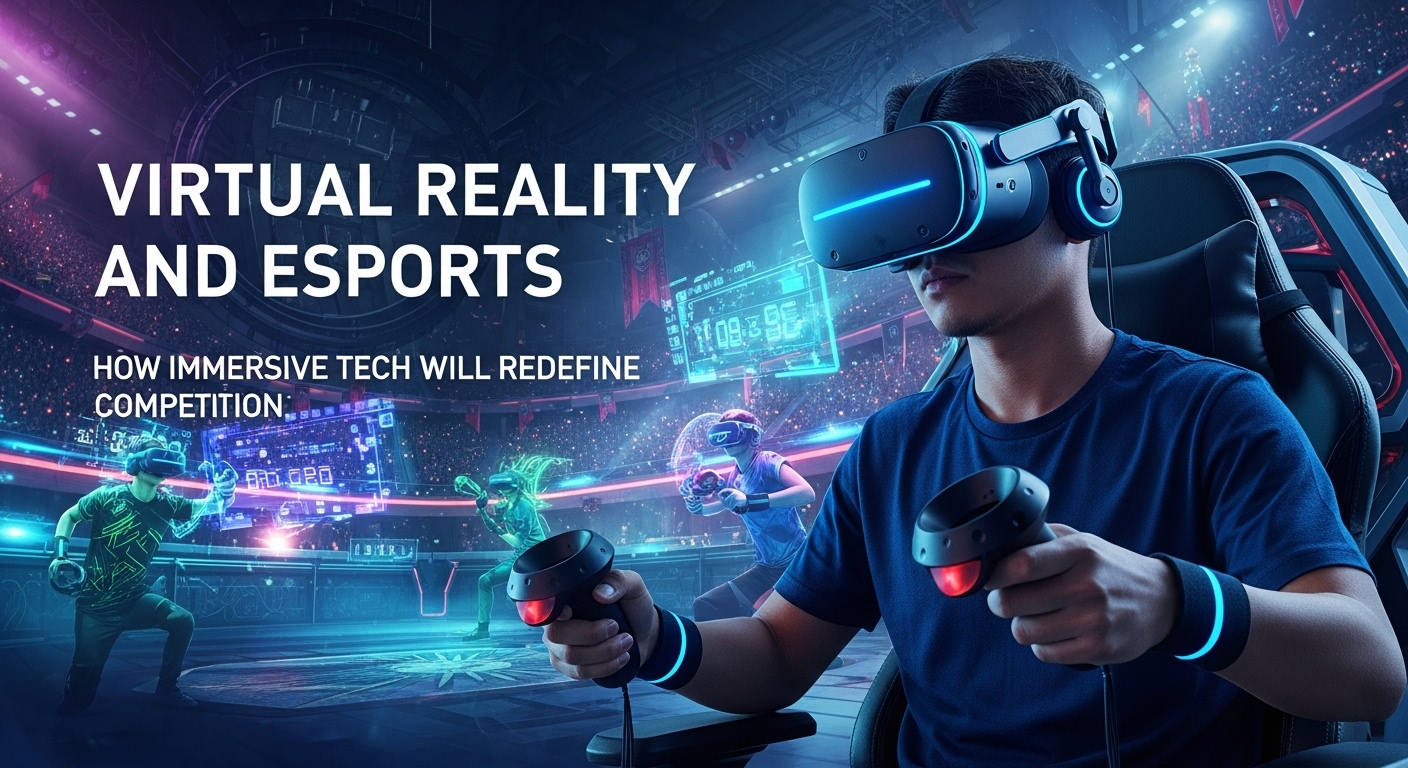
Moreover, innovations like virtual reality, augmented reality, and artificial intelligence are opening new dimensions for esports. AI-driven analytics help teams study opponents, understand patterns, and refine strategies. VR and AR, though still in their early stages, promise to create more immersive experiences, potentially changing how both players and audiences interact with games.
Cloud gaming is another innovation shaping the future. With platforms allowing players to access high-end games without powerful hardware, esports may become more inclusive than ever, removing the barrier of expensive gaming setups.
The Culture and Community of Esports
Esports is not just about competition—it is a culture. The community around it is vibrant and diverse, consisting of players, fans, content creators, commentators, and developers. Esports brings people together from all backgrounds and countries, united by their shared love of gaming.
Fan engagement is a major part of esports culture. Supporters follow teams passionately, wear jerseys, attend live events, and discuss strategies online. Online forums, social media platforms, and fan-driven content like memes and highlight videos have made esports a global conversation.
The community’s creativity also extends to game modifications, custom tournaments, and fan art. Many professional players start as community members, gradually building their reputation through online platforms before joining official teams. This inclusivity makes esports feel accessible and relatable, contrasting the sometimes distant image of traditional athletes.
The Business and Economy of Esports
The economic side of esports is immense. Sponsorships, advertising, ticket sales, merchandise, and media rights all contribute to the industry’s growing revenue. Major corporations, including technology companies, energy drink brands, and fashion labels, now invest heavily in esports.
Tournaments attract sponsors eager to reach the young, tech-savvy audience that esports commands. Esports organizations partner with brands for jersey placements, exclusive deals, and co-branded products. In addition, streaming platforms share advertising revenue with players and teams, turning viewership into income.
Esports also stimulates the gaming hardware industry. The demand for high-performance computers, monitors, peripherals, and accessories is directly tied to competitive gaming. Companies design products with professional gamers in mind, and their endorsements drive sales among fans.
Furthermore, esports has created employment opportunities beyond just players. There are careers in game design, event management, broadcasting, marketing, coaching, data analysis, and journalism—all connected to the esports ecosystem.
Education and Career Opportunities in Esports
As esports has gained recognition, educational institutions have started to embrace it. Many universities around the world now offer esports scholarships, degree programs in game design, and courses focused on esports management. These initiatives help students turn their passion into a viable career path.
Esports education covers various disciplines. Students learn about marketing, event production, psychology, and health management within the context of gaming. This multidisciplinary approach ensures that graduates are prepared for diverse roles in the industry.
Beyond universities, youth programs and training academies are emerging to nurture future talent. These programs teach technical skills, teamwork, communication, and mental resilience—traits essential for competitive gaming success.
The Role of Streaming and Content Creation
One of the biggest driving forces behind esports is streaming. Platforms like Twitch have turned gaming into a spectator sport, allowing fans to watch live matches, learn from professionals, and engage directly with content creators. Streamers often become influencers, shaping gaming trends and building loyal audiences.
Esports content extends beyond live matches. There are documentaries, podcasts, interviews, and highlight shows dedicated to the industry. Behind-the-scenes stories about players’ struggles, rivalries, and journeys resonate deeply with audiences, humanizing the competitive world of gaming.
Content creation also provides players with career longevity. While active competition has a limited time frame due to burnout or skill decline, retired professionals often transition into coaching, commentary, or streaming, maintaining their presence in the community.
The Global Reach of Esports
Esports transcends national boundaries. Countries like South Korea, China, and the United States have long been powerhouses in competitive gaming, but the movement is now global. Europe, Southeast Asia, South America, and even Africa have thriving esports scenes.
In South Korea, esports is treated like a mainstream sport, complete with professional leagues, dedicated television channels, and government support. China’s esports market is enormous, with massive investments and state-of-the-art arenas. Meanwhile, North America and Europe host some of the most high-profile tournaments, attracting international talent and spectators.
The globalization of esports has also led to cultural exchange. Players from different regions bring unique strategies and playstyles, influencing the way games are played worldwide. International tournaments become melting pots of culture, showcasing not only gaming talent but also diversity and unity.
Challenges Facing Esports
Despite its success, esports faces several challenges. One major concern is player burnout. Professional gamers often practice for 10 to 14 hours a day, leading to physical and mental strain. Maintaining peak performance under such conditions is difficult, and many retire young.
Another challenge is regulation. Unlike traditional sports, esports lacks a unified governing body. Different games have different publishers and tournament organizers, making it difficult to establish consistent rules and standards. Issues like cheating, match-fixing, and doping have occasionally plagued the industry, emphasizing the need for better oversight.
Toxic behavior and harassment in online communities also pose problems. Developers and organizations are actively working to create safer, more inclusive environments, but progress remains ongoing.
Furthermore, the sustainability of esports careers is uncertain for many players. Only a small percentage achieve financial stability through competition alone. As such, diversification into streaming, sponsorships, or content creation is often necessary.
Esports and the Future of Entertainment
Esports is not just influencing gaming—it’s changing entertainment as a whole. Traditional sports organizations have started investing in esports teams, recognizing the potential to engage younger audiences. Celebrities and musicians collaborate with gaming brands, blurring the line between gaming and pop culture.
The integration of virtual reality and augmented reality could revolutionize spectator experiences. Fans might soon watch matches from a first-person perspective or step into virtual arenas alongside other fans. Additionally, AI-driven commentary and interactive broadcasting could make esports more engaging than ever.
The future of esports also includes greater inclusion. As barriers continue to break down, more women, non-binary players, and underrepresented groups are joining the competitive scene. This diversity enriches the industry and makes it more reflective of the global gaming community.
The Social Impact of Esports
Beyond competition, esports has significant social impact. It fosters teamwork, communication, and problem-solving skills among players. For many young people, gaming provides a sense of belonging and community, particularly for those who might feel isolated in other aspects of life.
Esports has also been used for charitable causes. Charity tournaments and live streams raise millions for global issues like disaster relief, healthcare, and education. This philanthropic side demonstrates that gaming can be a force for good, not just entertainment.
Moreover, esports challenges outdated stereotypes about gamers. The image of a lone player in a dark room is being replaced by that of a disciplined athlete working with a team, pursuing excellence, and inspiring millions.
Conclusion
Esports is more than a trend—it is a cultural and technological revolution. What began as small gaming competitions among friends has evolved into an international industry that rivals traditional sports in viewership, professionalism, and impact.
It embodies the spirit of modern innovation, merging entertainment, skill, and technology in ways that were unimaginable a few decades ago. As technology continues to advance, esports will only grow stronger, attracting new fans, players, and opportunities worldwide.
The story of esports is a story of passion and perseverance. It is proof that dedication and creativity can transform hobbies into careers, communities into industries, and dreams into global movements. In the coming years, esports will not just be a part of digital culture—it will define it.