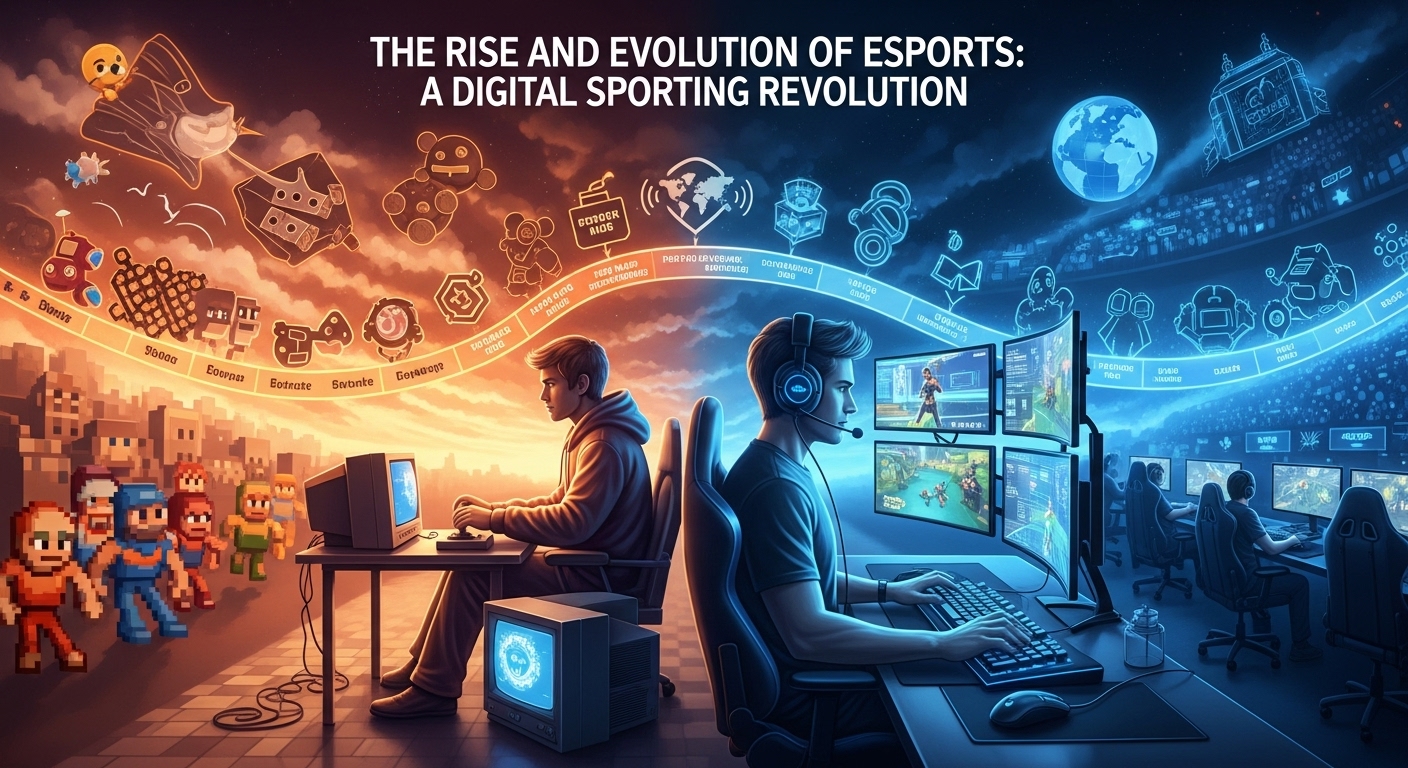
Esports, once a niche activity for gamers, has blossomed into a global phenomenon. What started as small-scale competitions between dedicated players has now transformed into an enormous industry that blends technology, entertainment, and competitive spirit. Today, esports is more than just a pastime; it’s a cultural revolution with a significant impact on society, the economy, and the future of digital entertainment. In this blog post, we will explore the rise of esports, its current state, and its potential future, diving into the factors that have made it a mainstay in global culture.
The Genesis of Esports
Esports, or electronic sports, refers to organized, multiplayer video game competitions, particularly between professional players, individually or as teams. While video games have been around since the early 1970s, the competitive aspect didn’t truly take shape until the late 1990s and early 2000s. Titles like StarCraft, Warcraft III, and Quake laid the foundation for competitive gaming, which was popularized in South Korea, where esports was embraced as a national sport. The creation of dedicated esports arenas and the rise of tournaments like the World Cyber Games in 2000 propelled esports into the international spotlight.
Fast forward to today, and esports has evolved into a billion-dollar industry, with professional leagues, sponsorship deals, streaming platforms, and even college scholarships for players. What started as a hobby for a few passionate gamers has grown into a mainstream cultural force.
The Phenomenal Growth of Esports
The exponential growth of esports can be attributed to several factors. First, technological advancements have played a massive role. The rise of high-speed internet, advanced gaming consoles, and high-performance personal computers has allowed gamers to engage in real-time, seamless multiplayer experiences. Streaming platforms like Twitch and YouTube Gaming have further amplified this by enabling viewers to watch their favorite players and teams compete live.
The rise of League of Legends (LoL) and Dota 2 marked the beginning of a new era for esports, bringing millions of viewers together to watch and celebrate competitive gaming. These games not only elevated esports in terms of viewership but also brought an unprecedented level of professionalism to the industry, with multi-million dollar prize pools, global sponsorships, and branded leagues.
Another driving force behind esports’ rise is the increasing mainstream acceptance of gaming. Video games have shifted from being seen as a pastime for children to a legitimate form of entertainment enjoyed by people of all ages. Brands, celebrities, and even traditional sports organizations have recognized the commercial potential of esports, leading to a flood of investments into the sector.
Esports as a Professional Career
One of the most significant developments in esports has been the emergence of professional players and teams. Esports athletes now earn substantial salaries, not only from tournament winnings but also through sponsorships, streaming, and content creation. Major titles like Fortnite, Counter-Strike: Global Offensive (CS: GO), and Overwatch have created a pathway for players to turn their passion into a full-fledged career.
Players like Faker, Ninja, and s1mple have become household names, and their influence extends far beyond the gaming world. They are the new-age celebrities, often using their platforms to promote brands, merchandise, and even engage in philanthropy. Esports professionals are no longer just athletes; they are also content creators, streamers, and social media influencers, whose presence on platforms like Instagram, YouTube, and Twitter elevates their personal brands.
The role of esports organizations has also grown significantly. Teams like Cloud9, T1, and Team Liquid represent the professionalism now expected in the esports ecosystem. These organizations hire coaches, analysts, managers, and support staff to ensure their players have the best possible chance of succeeding at the highest levels. This shift has mirrored the structure of traditional sports teams, with esports organizations embracing similar business models, including sponsorships, media deals, and merchandising.
Esports and Its Global Appeal
Esports’ appeal is truly global, transcending borders, languages, and cultures. The competitive gaming scene is not confined to a single country or region; it is a worldwide movement. In regions like North America, Europe, and Asia, esports has taken root in different forms, with games like League of Legends and PUBG dominating different parts of the world.
South Korea, for example, is often referred to as the birthplace of esports, with games like StarCraft becoming a national pastime. The country has a sophisticated infrastructure for esports, with dedicated TV channels and live events that regularly attract millions of viewers. Other regions, such as China, Europe, and North America, have followed suit, developing their own esports ecosystems.
The global nature of esports also means that players, teams, and fans are constantly interacting and competing across borders. The international appeal of esports has created a unique sense of community, where fans from different cultures can unite over a shared passion. Major events like The International (Dota 2’s annual championship) and the League of Legends World Championship attract viewers from all over the world, making these events truly international celebrations of gaming excellence.
The Economic Impact of Esports
Esports is no longer just a form of entertainment; it is an economic powerhouse. According to estimates, the global esports market is valued at over $1 billion, and it is expected to grow even further in the coming years. Revenue is generated from multiple streams, including advertising, sponsorships, media rights, ticket sales, merchandise, and even betting. As a result, esports has created thousands of jobs in marketing, production, event management, and more.
One of the most significant drivers of esports’ economic boom is sponsorship. Major brands from outside the gaming industry have recognized the value of esports’ large and engaged audience. Companies like Coca-Cola, Intel, Mercedes-Benz, and Nike have all invested in esports, partnering with teams, players, and tournaments to reach a young, tech-savvy demographic. This level of investment has helped esports achieve its current status as a legitimate industry.
Moreover, esports has led to the rise of specialized media and streaming platforms. Twitch, owned by Amazon, is a prime example. Twitch allows users to stream their gameplay, engage with their audience, and create content that is watched by millions globally. The popularity of Twitch has transformed the way people consume content, moving away from traditional TV and embracing live-streaming as the new norm.
The rise of esports has also prompted the creation of college programs, scholarships, and professional opportunities. Numerous universities across the globe now offer degrees in esports management, broadcasting, and game design, recognizing that the gaming industry is no longer a fringe sector. These programs provide students with the tools and expertise necessary to excel in various roles within the esports ecosystem.
The Future of Esports
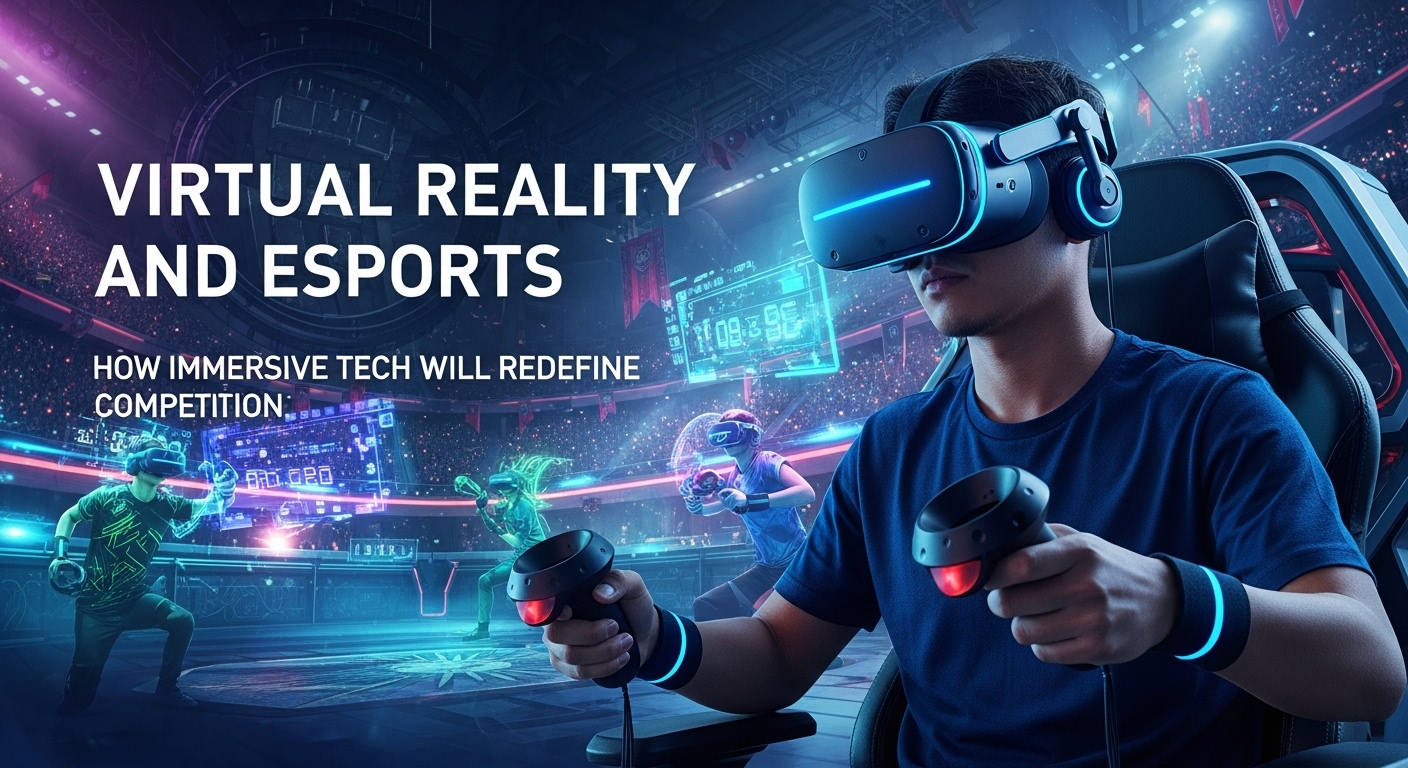
As esports continues to grow, the future looks brighter than ever. New games are constantly emerging, and the esports community is always adapting to trends and new technologies. Virtual reality (VR) and augmented reality (AR) are expected to play a significant role in the future of esports, creating immersive experiences for both players and fans. Additionally, the integration of artificial intelligence (AI) could lead to smarter matchmaking systems, better player training tools, and enhanced fan experiences.
Esports’ potential for integration with traditional sports also remains a key area of growth. Some have suggested that esports could eventually be included in the Olympics, with discussions around the viability of such a move gaining traction. The Olympic Committee’s interest in esports speaks to its growing legitimacy as a competitive pursuit, on par with traditional athletic sports.
Another exciting aspect of esports’ future is the development of more inclusive and diverse gaming communities. The esports industry has faced criticism in the past for a lack of diversity and for toxic behavior within gaming spaces. However, initiatives aimed at promoting gender equality, mental health awareness, and creating welcoming environments for players of all backgrounds are gaining momentum. Over time, esports is likely to become more inclusive, ensuring that players of all genders, races, and backgrounds have an equal opportunity to participate and thrive.
Conclusion: A Cultural Shift
Esports is much more than a trend; it represents a significant cultural shift. From professional gaming leagues to college scholarships, esports is redefining the way we view competitive sports and entertainment. The rapid growth of esports is reshaping the global entertainment landscape, opening new doors for both players and fans alike. As the industry continues to evolve, one thing is clear: esports is here to stay, and it will continue to thrive in the years to come.
Esports has already proven itself to be more than just a game—it’s a global movement, an industry, and a cultural force that has captured the hearts of millions. As technology advances and the gaming community continues to expand, there is no telling just how high the esports industry can soar. Whether you’re a player, a fan, or just someone looking to understand the phenomenon, one thing is certain: the rise of esports is one of the most exciting developments in the world of entertainment today.