Introduction
In the last two decades, the world has witnessed a transformation unlike any other in the realm of entertainment. What once began as small gatherings of video game enthusiasts has evolved into a multi-billion-dollar global industry known as esports. Esports, short for electronic sports, refers to organized competitive gaming where individuals or teams play video games against one another in a structured and professional environment. What was once dismissed as a pastime for teenagers in dark rooms has become one of the fastest-growing sectors of modern entertainment, drawing millions of viewers and players from every corner of the world. The story of esports is not just about games; it is about technology, community, ambition, and the redefinition of what it means to compete in the twenty-first century.
The Birth of Competitive Gaming
The roots of esports can be traced back to the early days of video gaming in the 1970s and 1980s. At that time, competitions were informal and small-scale. The first notable gaming tournament was the Space Invaders Championship held by Atari in 1980, attracting around 10,000 participants. Although primitive by today’s standards, this event laid the groundwork for the concept of gaming as a spectator sport. In the 1990s, as technology advanced and the internet began connecting players globally, competitive gaming gained momentum. Titles like Street Fighter II, StarCraft, and Quake introduced the idea of skill-based gaming that could be measured, ranked, and celebrated.
As local area network (LAN) parties became popular, competitive gaming started to take on an organized form. Friends gathered in basements, internet cafés, and college dorms to test their abilities against one another. It was during this period that gaming clans and early esports teams began to form. Though there were no grand prizes or sponsorships yet, the passion for competition and mastery was the driving force behind these gatherings.
The Technological Explosion and Online Play
The true turning point for esports came with the rise of high-speed internet and the proliferation of personal computers in the early 2000s. This technological leap allowed players to compete with anyone, anywhere in the world. No longer limited to local connections, games could now host international tournaments with participants from different continents. Online leaderboards, matchmaking systems, and streaming services made competitive gaming accessible and visible to a much broader audience.
Games like Counter-Strike, Warcraft III, and StarCraft: Brood War became cornerstones of early esports culture. South Korea, in particular, became the epicenter of professional gaming. The Korean government and major corporations invested heavily in gaming infrastructure, broadcasting, and training facilities. This led to the rise of professional players who became national celebrities. The broadcast of StarCraft matches on Korean television in the early 2000s marked one of the first times that esports reached mainstream audiences.
The Global Expansion of Esports
As the internet connected more of the world, esports expanded beyond its regional roots. Europe, North America, and China quickly followed Korea’s lead, developing their own leagues, tournaments, and fan bases. Games such as League of Legends, Dota 2, and Call of Duty revolutionized how esports were organized and consumed. Developers began designing games with competitive play in mind, recognizing that esports could dramatically extend the lifespan and profitability of a title.
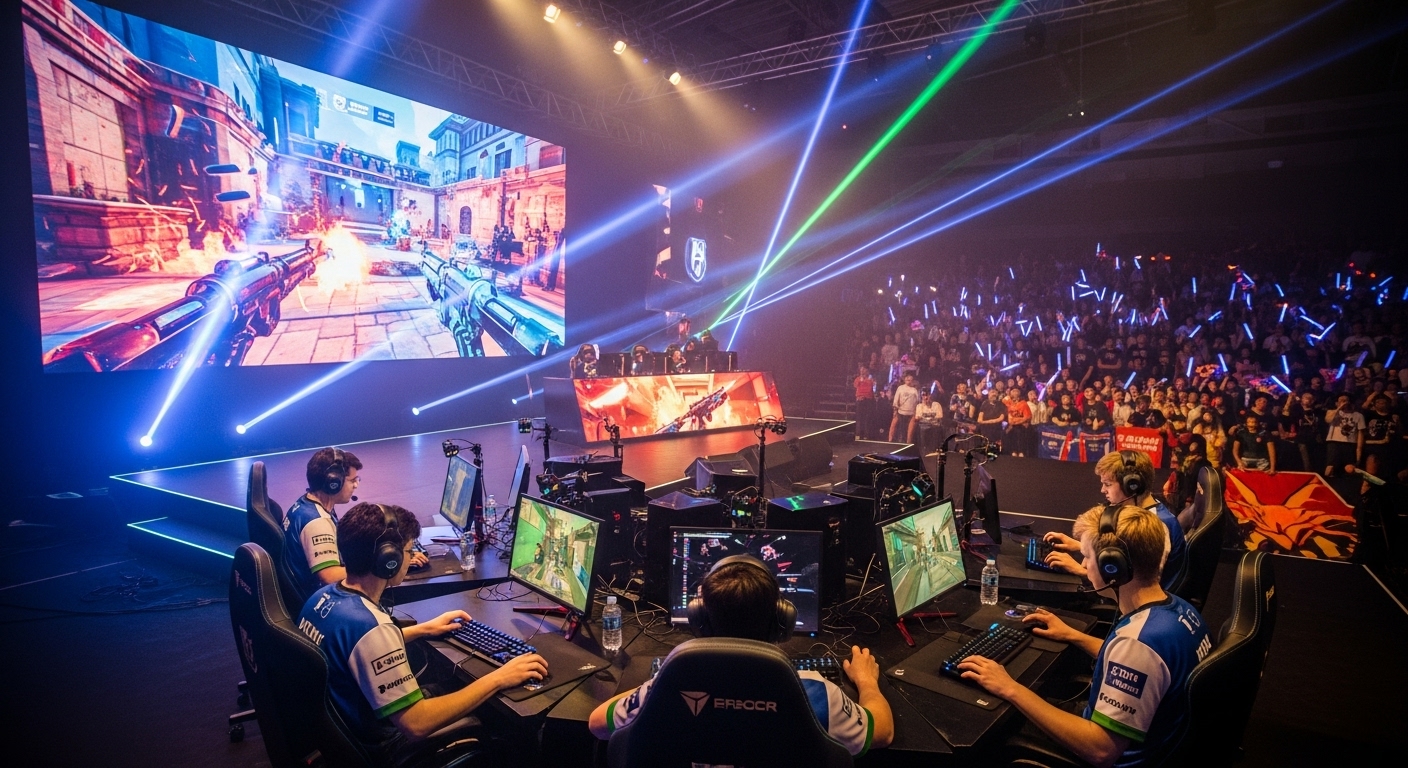
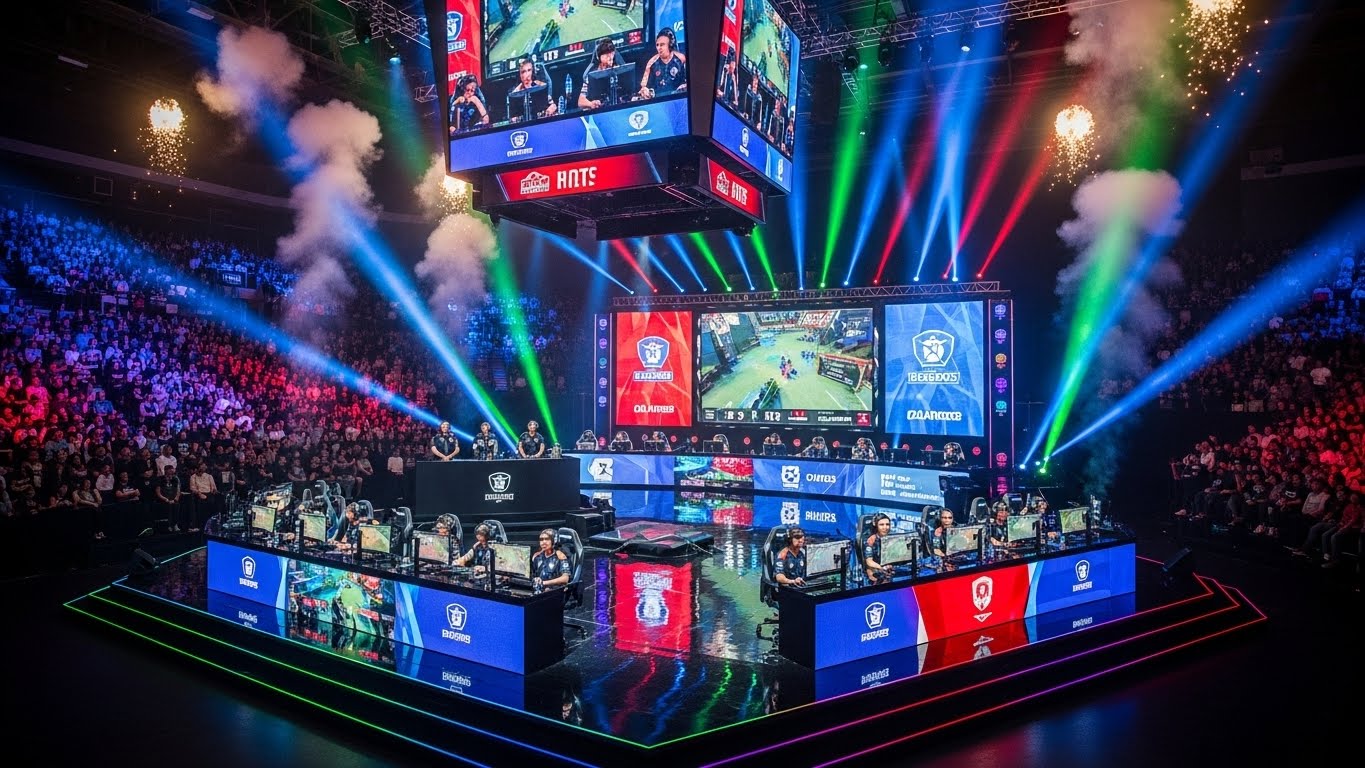
By the 2010s, esports had transformed into a legitimate professional industry. Teams had coaches, analysts, and nutritionists. Players signed contracts and received salaries comparable to those of traditional athletes. Major tournaments filled arenas that had once hosted rock concerts and sporting events. The League of Legends World Championship, The International (Dota 2), and Overwatch League Finals became annual spectacles, each drawing millions of live viewers online and thousands in physical attendance.
The Role of Streaming and Media
No discussion of esports would be complete without acknowledging the transformative role of streaming platforms. Before the era of Twitch, YouTube, and other live streaming services, esports viewership was fragmented and limited to niche platforms. The introduction of live streaming made it possible for fans to watch their favorite players and tournaments in real time, fostering a new kind of digital community.
Streamers and professional players became online celebrities with massive followings. They cultivated personal brands, engaged directly with fans, and generated new forms of revenue through sponsorships and donations. Streaming democratized the esports experience by allowing anyone with a stable internet connection to broadcast their gameplay, join discussions, and feel connected to a global audience. This participatory nature of esports has been one of its strongest appeals, bridging the gap between player and spectator in a way traditional sports rarely can.
Esports as a Career
What once seemed like an unrealistic dream—earning a living by playing video games—has now become a viable career path. Professional players dedicate years to mastering their craft, training rigorously much like traditional athletes. They follow strict schedules, engage in mental conditioning, and study game strategies to maintain peak performance. The top players in popular titles earn millions annually from tournament winnings, sponsorship deals, and streaming.
However, esports careers are not limited to players alone. The ecosystem surrounding competitive gaming includes coaches, analysts, commentators, event organizers, content creators, and journalists. Esports organizations operate similarly to traditional sports franchises, employing staff for marketing, management, production, and public relations. This professional structure has turned esports into a legitimate and sustainable industry, creating thousands of jobs worldwide.
The Spectator Experience
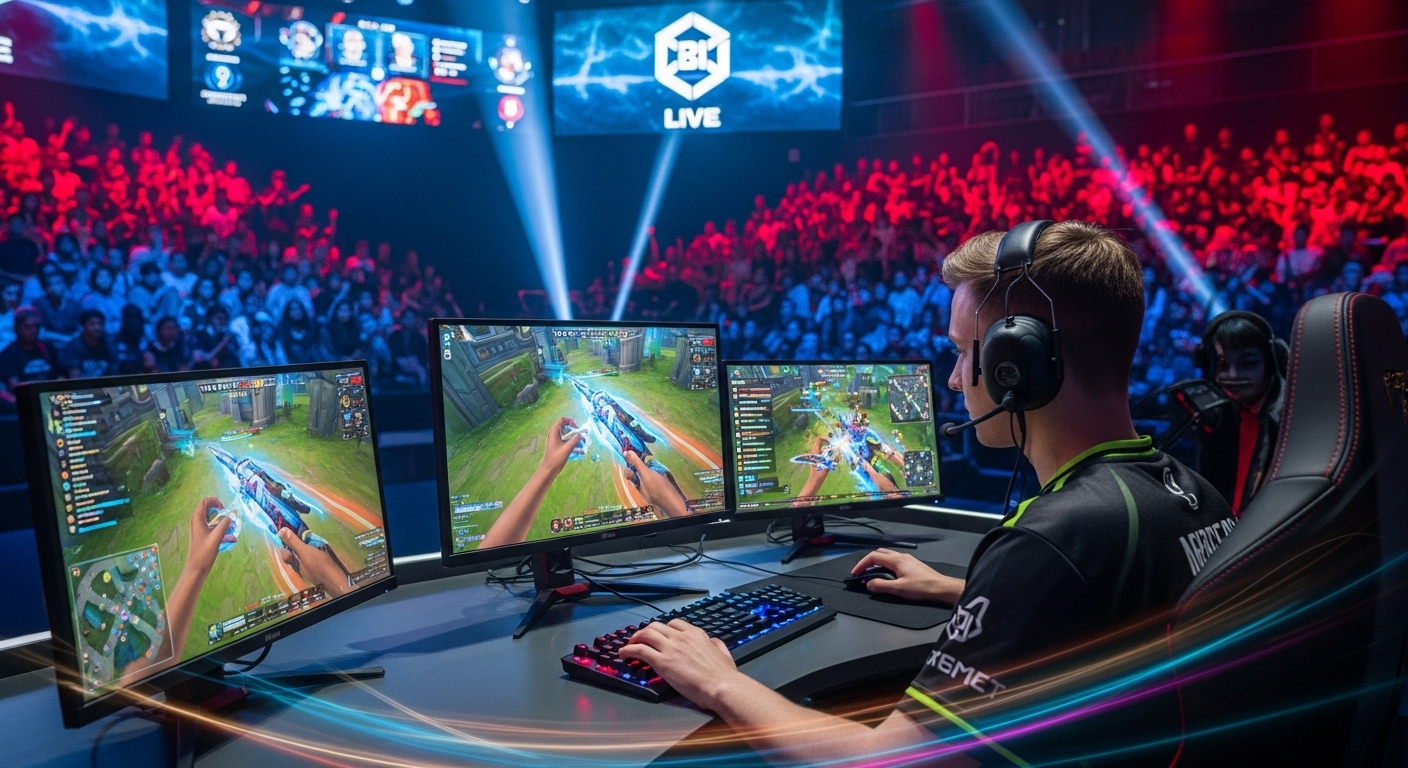
One of the most fascinating aspects of esports is how it has redefined the spectator experience. Unlike traditional sports, where physical limitations and geographic distance can restrict participation, esports thrive on accessibility. Fans can watch tournaments online, interact with players via chat, and even replay matches from multiple perspectives. The level of engagement is unmatched, as spectators not only watch but often participate in discussions, predictions, and fan-driven content creation.
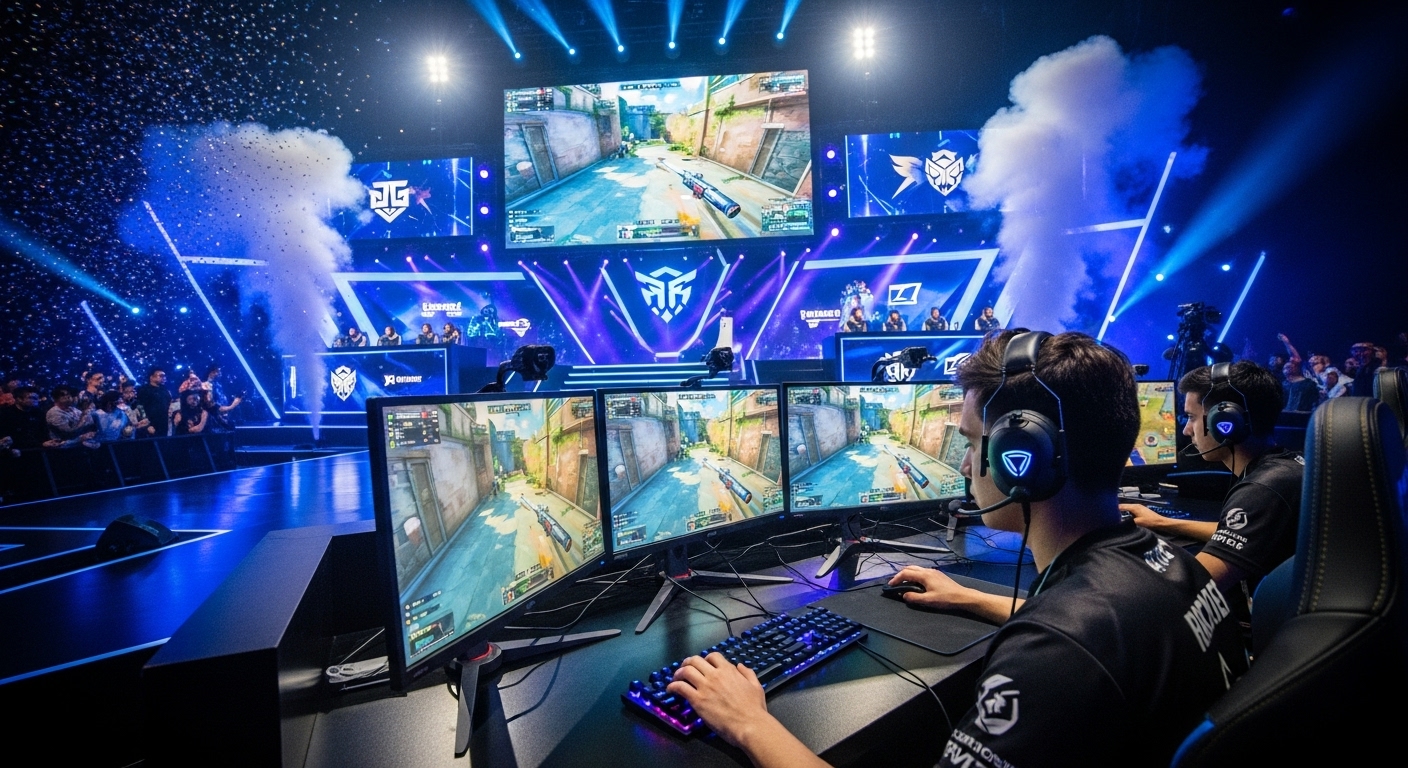
Moreover, esports events are immersive and visually dynamic. Modern tournaments use cutting-edge production techniques, combining live performance, augmented reality, and cinematic storytelling to captivate audiences. The 2019 League of Legends World Championship, for instance, featured a holographic concert that merged virtual and real performers on stage. These creative integrations have blurred the line between entertainment genres, making esports events feel like grand multimedia spectacles rather than simple competitions.
The Social and Cultural Impact of Esports
Esports has done more than entertain—it has reshaped social culture. It has broken geographical barriers and connected individuals from diverse backgrounds through shared passion. Gaming communities are often inclusive, creative spaces where players from different countries communicate, collaborate, and form friendships. The rise of esports has also challenged stereotypes surrounding gamers, showing the world that gaming can be intellectual, strategic, and emotionally engaging.
Furthermore, esports has influenced education and youth culture. Universities now offer scholarships for esports athletes, and academic programs explore the business and psychology of gaming. Some schools have even created varsity esports teams, treating gaming as seriously as football or basketball. This academic integration signifies a cultural shift where gaming is no longer seen as a distraction but as a legitimate pursuit of excellence.
Esports and Traditional Sports: A Comparison
The relationship between esports and traditional sports has often been a topic of debate. Critics argue that esports lack the physical exertion and athleticism of conventional sports, while proponents emphasize the cognitive, strategic, and mechanical skills required in gaming. The truth is that esports and traditional sports share more similarities than differences. Both require teamwork, practice, discipline, and mental fortitude. Both generate passionate fan bases, global tournaments, and commercial industries.
Many professional sports franchises have recognized the value of esports and have invested heavily in it. Teams from the NBA, NFL, and European football leagues have established esports divisions, seeing them as extensions of their brands. This crossover has helped esports gain mainstream legitimacy and introduced gaming to audiences that might never have otherwise engaged with it.
The Economics of Esports
From sponsorships and advertising to media rights and merchandise, esports has become a major economic force. The industry’s global revenue has crossed billions annually, rivaling traditional entertainment sectors. Major corporations such as Coca-Cola, Intel, and BMW have sponsored teams and events, signaling esports’ commercial viability. Cities around the world now compete to host major tournaments, recognizing their potential to attract tourism and stimulate local economies.
Esports teams function as both competitive organizations and entertainment brands. They sell merchandise, create content, and build communities around their players. Prize pools for major events have skyrocketed, with tournaments like The International offering tens of millions in winnings funded by community contributions. This unique funding model highlights the power of fan engagement in esports economics.
Challenges Facing the Esports Industry
Despite its success, the esports industry faces several challenges that will shape its future. One of the primary concerns is player burnout. The intense schedule, pressure, and constant travel can take a toll on young players, many of whom retire before the age of thirty. Ensuring player welfare through balanced schedules, health programs, and psychological support is a growing priority.
Another issue is the lack of unified regulation. Unlike traditional sports governed by established bodies, esports is fragmented, with each game having its own rules, organizers, and standards. This lack of centralization creates inconsistencies in player contracts, tournament practices, and revenue distribution.
Cheating, match-fixing, and online toxicity are additional issues that threaten the credibility of esports. As the stakes rise, so does the temptation for unethical behavior. Maintaining integrity through technological anti-cheat systems and strict enforcement of fair play policies will be essential for the industry’s sustainability.
Gender Representation and Inclusivity
One of the ongoing conversations in esports revolves around diversity and gender inclusivity. The majority of professional players are still male, though this imbalance does not reflect the actual gaming population, where women make up nearly half of all players. Barriers such as harassment, lack of representation, and unequal opportunities continue to hinder inclusivity in the competitive scene.
However, progress is being made. Female-led teams, mixed tournaments, and initiatives promoting inclusivity are on the rise. More women are entering roles as commentators, coaches, and executives, contributing to a more balanced and welcoming industry. The push for equality in esports is not only a moral imperative but also a key to unlocking the industry’s full potential by embracing all talents.
The Educational and Developmental Benefits of Esports
Beyond entertainment and career opportunities, esports have demonstrated educational and developmental benefits. Gaming fosters problem-solving, teamwork, communication, and strategic thinking. Students who participate in structured esports programs often develop strong leadership and time management skills. Moreover, esports has been used to engage students who may not thrive in traditional sports, providing an alternative avenue for building confidence and social connection.
Educators and psychologists have also noted the potential for esports to enhance cognitive abilities such as spatial awareness, reaction time, and multitasking. As society continues to integrate digital literacy into education, esports may become a powerful tool for preparing young people for future careers in technology, media, and design.
The Role of Technology in Shaping the Future
Technology is the backbone of esports, and advancements in hardware, software, and infrastructure continue to push boundaries. High-refresh-rate monitors, virtual reality, augmented reality, and artificial intelligence are reshaping how games are played and experienced. Cloud gaming promises to eliminate hardware limitations, making competitive play accessible to even more players worldwide.
As virtual reality matures, we may witness a new hybrid form of esports where physical movement and digital gameplay converge. Meanwhile, AI-driven analytics are revolutionizing coaching, allowing teams to dissect gameplay data with unprecedented precision. The integration of blockchain and digital collectibles has also begun influencing esports economics, offering new ways to reward fans and monetize fandom.
Esports and the Future of Entertainment
Esports is more than just a form of competition; it is redefining entertainment itself. Younger generations are growing up with gaming as their primary cultural medium, often preferring to watch live streams and tournaments over traditional television. The merging of gaming, music, and pop culture has created a new ecosystem of digital experiences that captivate modern audiences.
In the coming years, esports will likely continue its march toward mainstream acceptance. As technology advances and the global fan base expands, the lines between virtual and physical sports will blur even further. Esports will coexist with traditional sports, not as a rival but as a complementary form of global competition.
Conclusion
The rise of esports is a testament to human creativity, innovation, and passion. It has transformed from humble beginnings into a global cultural movement that unites millions. Esports represents more than just gaming; it symbolizes the spirit of modern competition, where skill, strategy, and community transcend physical boundaries.
As we look toward the future, one thing is clear: esports is here to stay. Its influence will continue to grow, shaping entertainment, technology, and society in ways we are only beginning to understand. Whether viewed through the lens of sport, art, or digital culture, esports has earned its place as one of the defining phenomena of the twenty-first century—a revolution powered not by the strength of the body, but by the agility of the mind and the connection of the digital world.