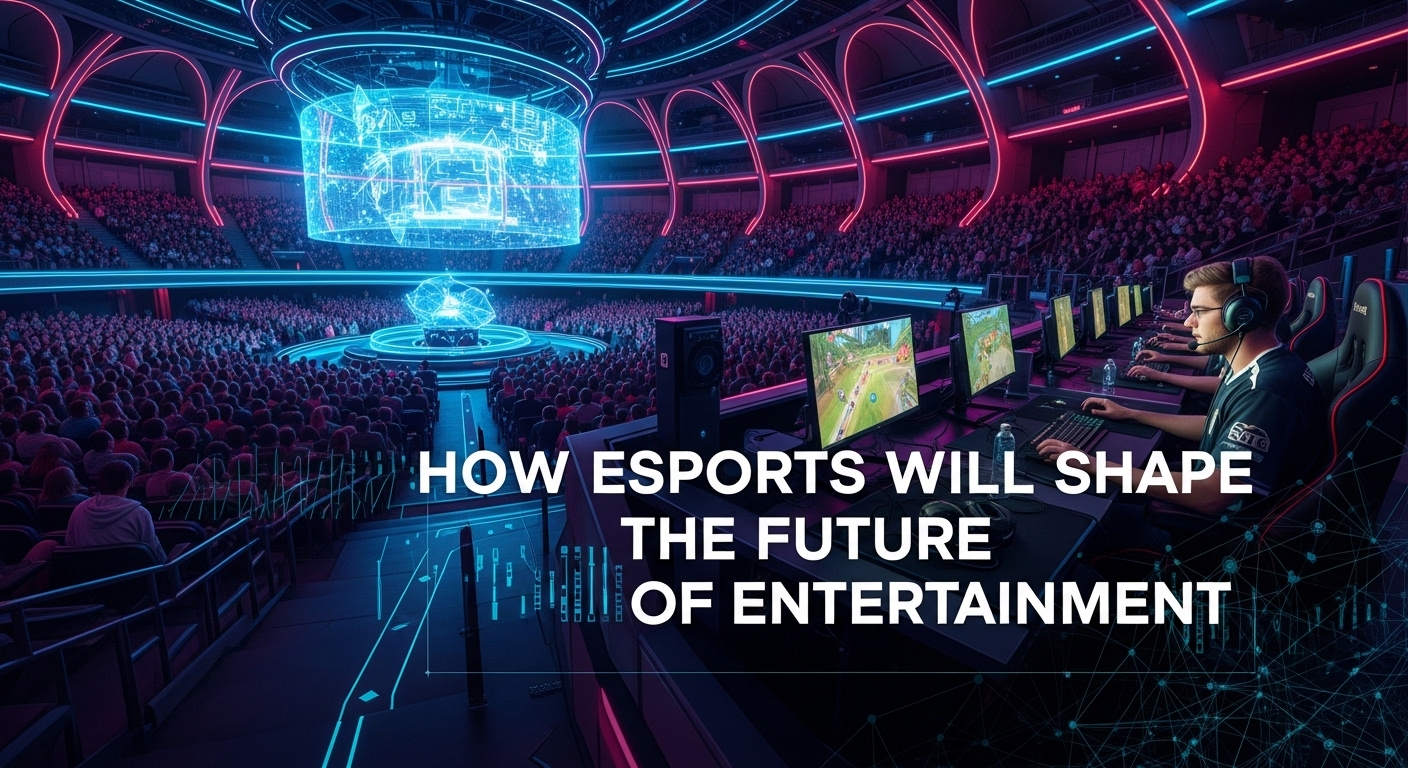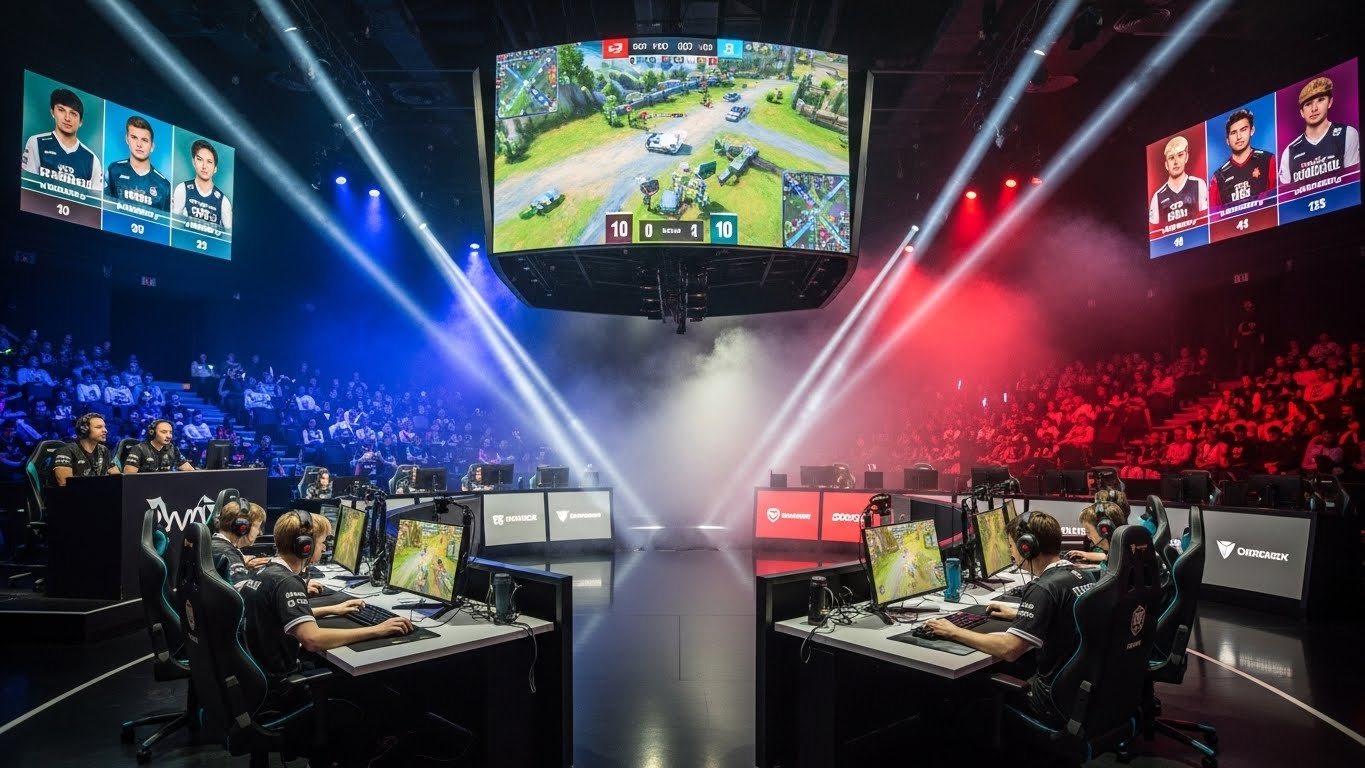
In recent years, the esports industry has witnessed tremendous growth, evolving from niche communities to mainstream entertainment watched by millions worldwide. Traditionally dominated by blockbuster titles from major game developers like League of Legends, Counter-Strike: Global Offensive, Dota 2, and Overwatch, esports has been synonymous with big-budget productions, massive marketing campaigns, and large-scale tournaments. However, a significant shift is emerging in the competitive gaming landscape—indie games are making their mark in esports. This blog post explores the rise of indie games in competitive esports, the factors fueling their popularity, and the unique opportunities and challenges they bring to the scene.
Understanding Indie Games in the Esports Context
Indie games, short for independent games, are titles developed by small teams or individual creators, often without the backing of large publishers. These games typically emphasize creativity, innovation, and unique gameplay mechanics over high-end graphics or massive production values. While indie games have long thrived in casual gaming spaces, their entrance into esports represents a fascinating development.
Unlike traditional esports titles, which often have established player bases and years of competitive infrastructure, indie games face the challenge of carving out their own niche within a crowded market. Yet, several indie games have successfully transitioned into competitive esports or are actively cultivating competitive communities.
Why Are Indie Games Gaining Traction in Esports?
Several factors contribute to the growing presence of indie games in esports:
1. Innovation and Fresh Gameplay
Indie developers are known for experimenting with novel gameplay ideas that mainstream studios might shy away from due to financial risks. This innovation brings fresh experiences to players, capturing attention with unique mechanics that stand out in the saturated esports market. Games like Brawlhalla combine accessible controls with deep strategy, offering an approachable yet competitive experience.
2. Accessibility for Players and Developers
Many indie games are designed with lower system requirements, allowing players with less powerful hardware to participate. This accessibility broadens the player base globally, including regions with limited access to high-end gaming PCs or consoles. For developers, smaller teams mean quicker updates, more direct communication with communities, and flexible tournament support.
3. Community-Driven Growth
Indie games often rely heavily on passionate communities for promotion and growth. Competitive scenes frequently emerge organically from grassroots tournaments, online leagues, and fan-driven content. This bottom-up approach contrasts with the top-down marketing and sponsorship model of major esports, fostering a sense of ownership and loyalty among players and fans.
4. Lower Entry Barriers for Competition
Without the massive financial barriers seen in blockbuster esports titles, indie games can offer more affordable competitive ecosystems. Smaller prize pools, reduced travel requirements, and local events make it easier for amateur and semi-professional players to participate. This inclusivity helps sustain vibrant competitive scenes and discover new talent.
Notable Indie Games Making Waves in Esports
Several indie games have already made significant strides in the competitive esports domain. Let’s examine some examples that showcase the diversity and potential of indie esports.
Brawlhalla
Brawlhalla is a free-to-play platform fighting game developed by Blue Mammoth Games. With its fast-paced gameplay and large roster of characters, it draws comparisons to the Super Smash Bros. series but offers a unique competitive experience optimized for online play. Brawlhalla hosts regular tournaments with notable prize pools and has cultivated a dedicated competitive community worldwide.
The game’s success is partly attributed to its accessibility and developer engagement. The studio actively supports the competitive scene with balance updates, esports events, and partnerships. Its blend of casual fun and skill-based mechanics makes it appealing both for newcomers and seasoned fighters.
Dead by Daylight
Dead by Daylight is an asymmetric multiplayer horror game where four survivors attempt to escape a killer controlled by another player. Developed by Behaviour Interactive, this indie title has sparked competitive interest due to its tense gameplay, strategic depth, and high skill ceiling.
Although not a traditional esports title, Dead by Daylight tournaments are gaining traction, with competitive players showcasing impressive coordination and psychological gameplay. Its unique 4v1 format challenges conventional esports paradigms and opens doors for innovative competition structures.
Slay the Spire
While not typically classified as an esports game, Slay the Spire has seen competitive events focused on speedrunning, deck-building optimization, and challenge modes. The game’s mix of roguelike mechanics and strategic card play offers a fresh take on competition in an otherwise single-player genre.
Such examples highlight how indie games can diversify the competitive scene beyond traditional formats, attracting niche audiences passionate about different styles of gameplay.
Among Us
Though primarily a social deduction party game, Among Us saw a surge in competitive interest, especially during the pandemic. Its simple mechanics and emphasis on communication and deception inspired community tournaments and streamer-driven competitions.
Among Us exemplifies how indie games can leverage unique social dynamics to build competitive frameworks that differ from classic esports formats focused on reflexes or micro-management.
Challenges Faced by Indie Esports Titles
Despite their promise, indie games encounter several obstacles in establishing and sustaining competitive esports scenes:
Limited Resources for Infrastructure
Major esports titles benefit from well-funded infrastructure, including tournament organizers, broadcasting teams, and professional leagues. Indie developers often lack these resources, making it difficult to create consistent, high-profile competitive events.
Smaller Player Bases
Building a robust competitive ecosystem requires a critical mass of active players. Indie games may struggle to maintain sufficient player numbers to support ongoing tournaments and leagues, especially if their gameplay appeals to niche audiences.
Visibility and Marketing
Breaking through the noise of the esports world dominated by established franchises demands significant marketing efforts. Indie games frequently rely on organic growth and community promotion, which may not match the reach of big publishers’ advertising campaigns.
Balancing Competitive Viability and Accessibility
Designing gameplay that appeals to both casual and competitive players is a delicate balance. Indie developers must consider how mechanics scale for high-level play without alienating their broader audience.
The Role of Streaming and Content Creators
One of the most powerful drivers of indie esports growth is the role of streaming platforms and content creators. Streamers and YouTubers who champion indie titles introduce these games to wider audiences, build hype around competitive matches, and foster community engagement.
Platforms like Twitch and YouTube Gaming provide accessible avenues for indie esports tournaments to reach viewers globally without the need for traditional broadcasting deals. Streamers’ personalities and communities often become intertwined with the game’s competitive identity, accelerating growth.
How Indie Games Are Influencing the Future of Esports
The rise of indie games in esports is reshaping the industry in several meaningful ways:
Encouraging Diversity in Game Genres and Formats
Indie games introduce fresh genres and competitive formats beyond the traditional MOBA, FPS, and fighting game staples. This diversity enriches the esports ecosystem, attracting varied audiences and broadening the definition of what competitive gaming can be.
Promoting Community-Driven Development
Indie developers tend to maintain close relationships with their communities, incorporating player feedback into gameplay balance and competitive features. This responsiveness creates a more player-centric approach to esports, contrasting with the corporate-driven models of larger publishers.
Lowering Barriers to Entry for New Competitors
With more accessible gameplay and affordable competitive infrastructure, indie esports provide pathways for emerging players who may lack resources to compete in mainstream esports. This inclusivity fosters grassroots talent development and expands the competitive pool.
Inspiring Hybrid and Experimental Esports Formats
The innovative gameplay and social dynamics of indie games encourage experimentation with hybrid esports formats. Asymmetric gameplay, cooperative competition, and narrative-driven matches challenge traditional tournament structures and audience expectations.
What the Future Holds for Indie Esports
The trajectory for indie games in competitive esports looks promising, but it will require continued support from developers, communities, and the broader esports ecosystem. Some key trends to watch include:
- Increased Developer Investment: More indie studios may allocate resources specifically to build competitive modes, spectator tools, and tournament support.
- Partnerships with Esports Organizations: Collaboration between indie developers and established esports teams, event organizers, and sponsors can elevate indie esports profiles and provide professional pathways.
- Technological Advances: Improvements in streaming technology, matchmaking systems, and game analytics will enhance competitive experiences for both players and spectators.
- Cross-Platform and Mobile Competitive Play: Many indie games thrive on multiple platforms, including mobile, broadening participation and creating new competitive opportunities.
- Sustainability of Competitive Communities: Long-term success depends on nurturing active player communities, fostering local and online tournaments, and creating engaging content around competitions.
Conclusion
The rise of indie games in competitive esports marks a vibrant and exciting chapter in the evolution of competitive gaming. By bringing innovation, accessibility, and community-driven passion to the forefront, indie esports challenge traditional paradigms and enrich the global esports landscape. While obstacles remain, the ongoing success stories demonstrate that indie games are not just surviving but thriving in the competitive arena.