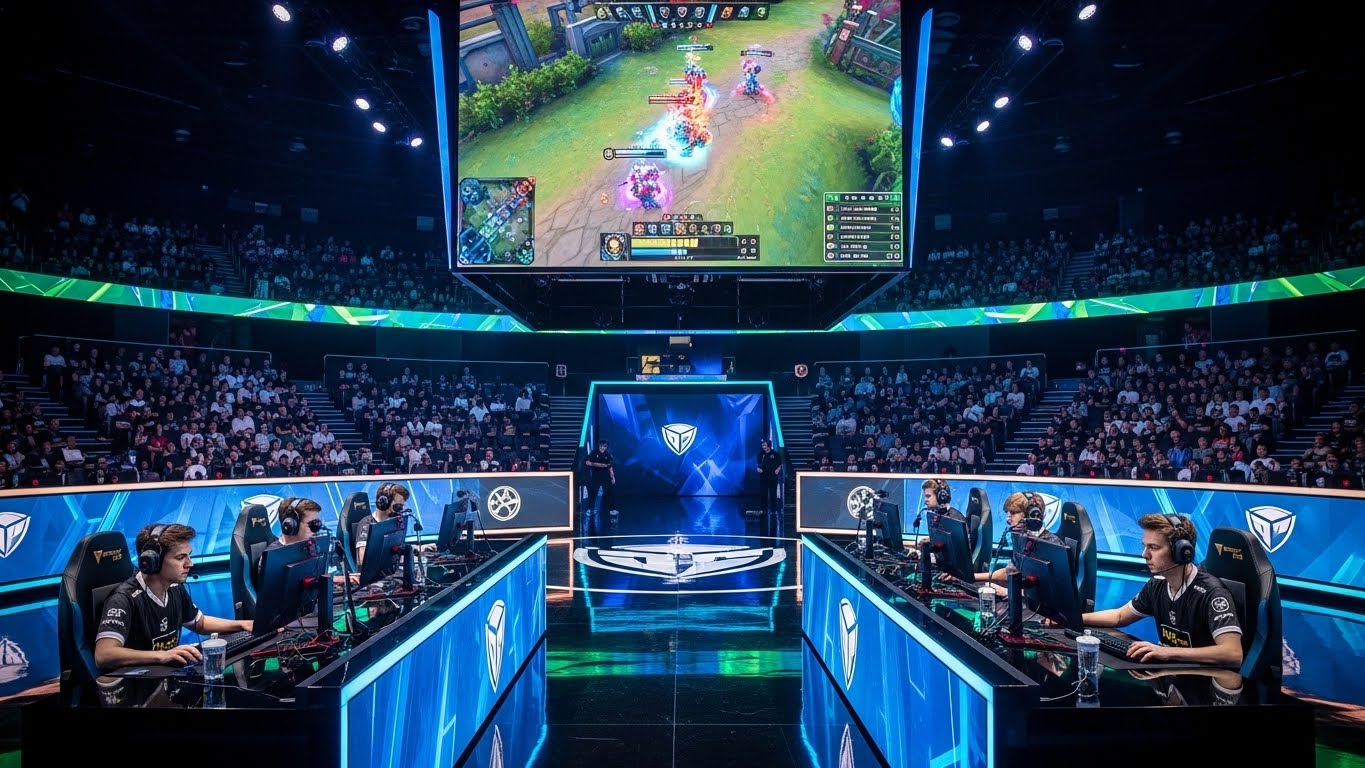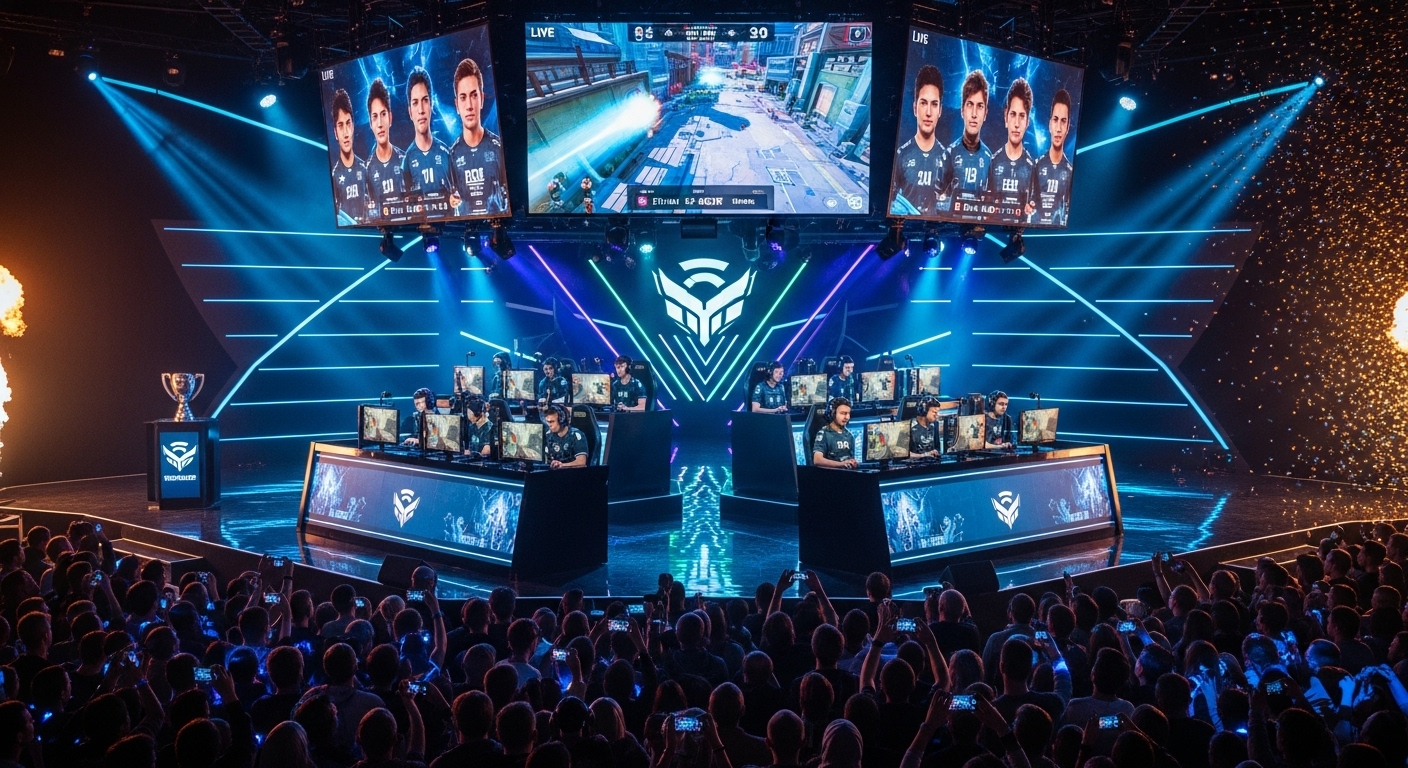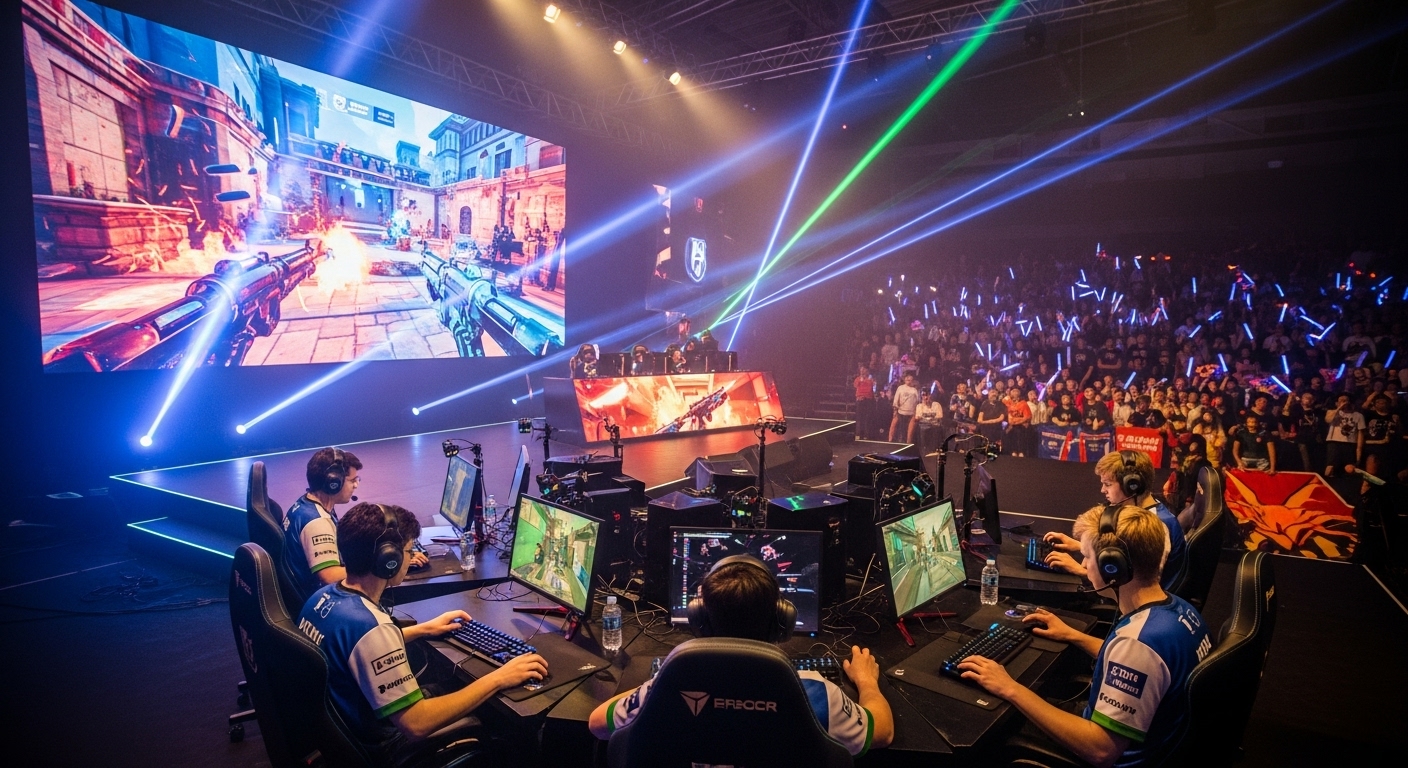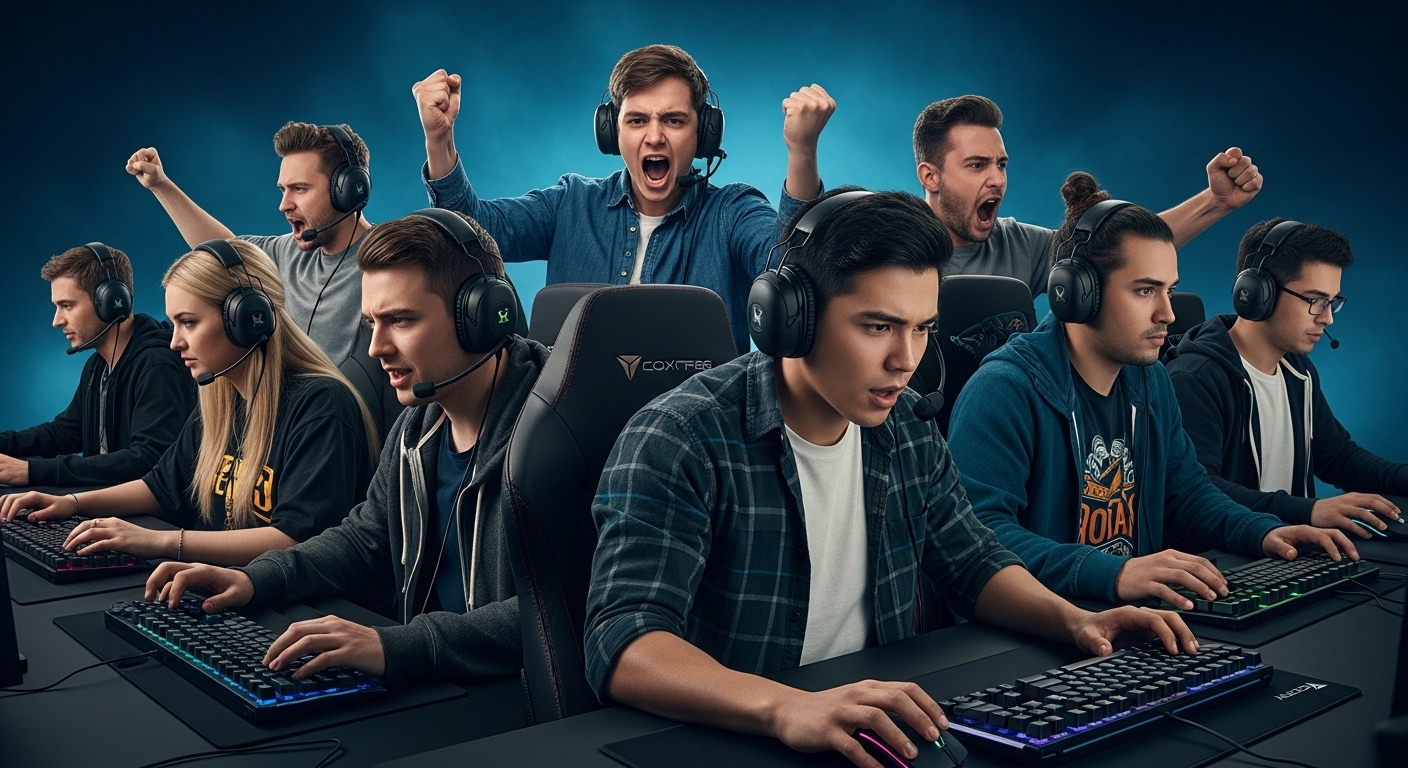
Esports, once considered a niche hobby for a select group of gamers, has evolved into a global entertainment powerhouse. What started as casual multiplayer sessions in basements and internet cafes has now grown into a multi-billion-dollar industry, complete with professional leagues, global tournaments, sponsorship deals, and a massive, engaged fanbase. In this blog post, we’ll explore the explosive growth of esports, its cultural impact, and why it’s shaping the future of both gaming and sports entertainment.
What is Esports?
At its core, esports is competitive gaming. It involves organized multiplayer video game competitions, particularly between professional players, teams, and organizations. While traditional sports have long been dominated by physical prowess, esports relies on mental acuity, strategy, and skill to determine the winner. Popular games like League of Legends, Dota 2, Counter-Strike: Global Offensive, and Overwatch have become the battlegrounds for the world’s best players, each vying for top honors in massive tournaments that offer multimillion-dollar prizes.
What differentiates esports from casual gaming is the level of competition, organization, and recognition. These competitions are structured like traditional sports leagues, with players undergoing intense training, coaches providing strategy, and analysts breaking down matches to understand every move.
The Explosion of Esports Viewership
Esports viewership has skyrocketed in recent years, attracting millions of fans from around the world. Tournaments are streamed live on platforms like Twitch, YouTube, and Facebook, with some events even being broadcast on mainstream television networks. In fact, esports competitions like The International (for Dota 2) and the League of Legends World Championship draw larger audiences than traditional sports events in some regions.
The appeal lies in the accessibility of esports. Unlike traditional sports, where you need to be in the stadium to experience the event, esports fans can watch the action unfold live from the comfort of their homes, no matter where they are. With the rise of interactive streaming platforms, fans can engage with players and commentators in real-time, further deepening their connection to the sport.
Esports as a Career Path
Gone are the days when gaming was considered a mere hobby or a pastime. For many, esports has evolved into a legitimate career. Professional players can earn salaries comparable to top athletes in traditional sports, with sponsorships, prize money, streaming revenue, and merchandise sales contributing to their income. Players like Faker (Lee Sang-hyeok) and Ninja (Tyler Blevins) have become household names, attracting millions of followers and securing endorsement deals with major brands.
But it’s not just players who are benefiting from this growth. A whole ecosystem of coaches, analysts, team managers, streamers, broadcasters, and content creators has sprung up around esports. As teams become more professionally organized, the demand for skilled personnel continues to rise. Universities are even offering scholarships for esports athletes, with some institutions building dedicated esports arenas and offering degrees in esports management and related fields.
Esports and the Evolution of Spectatorship
One of the most exciting aspects of esports is how it has revolutionized the way people consume entertainment. Traditional sports have long relied on physical arenas and television broadcasts, but esports has embraced the digital age. This shift has allowed for unique ways to engage with the audience, from live-streamed gameplay and virtual fan interactions to interactive in-game events and augmented reality features.
In esports, the experience is fully integrated into the digital world. Fans can follow the action on social media, engage in real-time chats with players, and even participate in community-driven events. Esports tournaments often feature professional commentators who break down the action in real-time, giving casual viewers a deeper understanding of the strategy and skill involved. These innovations in broadcasting have made esports more engaging, bringing fans closer to the action than ever before.
The Global Impact of Esports
Esports has rapidly become a global phenomenon, transcending borders, languages, and cultures. The international nature of competitive gaming means that teams and players from all corners of the world compete against each other, creating a rich, diverse ecosystem. For example, League of Legends teams from South Korea have dominated global competitions for years, while North American and European teams have been steadily improving and becoming more competitive on the international stage.
The accessibility of online play allows anyone, anywhere, to join in the action, whether they’re competing for fun or trying to go pro. This democratization of esports has led to a greater sense of community and inclusivity. In regions where traditional sports are less accessible or popular, esports offers an alternative avenue for athletes to make a name for themselves.
The Role of Sponsors and Big Brands
As esports grows, so does its appeal to big-name sponsors and brands. Companies from a wide range of industries—ranging from tech and gaming to energy drinks and luxury brands—are increasingly looking to get involved in the esports scene. Brands like Intel, Nike, Coca-Cola, and Mercedes-Benz have made substantial investments in esports, sponsoring tournaments, teams, and players. These partnerships not only help elevate the profile of esports but also bring a new level of professionalism to the scene.
Esports sponsorships are also helping to break down the barriers between traditional sports and digital competitions. Just like how NFL teams are sponsored by global companies, esports teams are now sporting jerseys with logos from major corporations, signaling that esports is no longer a fringe interest but a mainstream entertainment industry.
The Future of Esports: What Lies Ahead?
The future of esports looks incredibly bright, with continued growth and innovation on the horizon. We’re already seeing the development of dedicated esports arenas, more mainstream media coverage, and even esports being included in major sporting events. The Asian Games has already featured esports as a demonstration sport, and there are talks of it being included in the Olympics in the future.
On the technological front, advancements like 5G, VR (Virtual Reality), and AR (Augmented Reality) will likely reshape the way esports competitions are played and watched. VR and AR could provide more immersive experiences for players and viewers, allowing fans to feel as though they’re sitting next to their favorite players or even jumping into the game themselves. Moreover, as the internet infrastructure improves globally, esports will only become more accessible and enjoyable for players and fans in even the most remote locations.
The continued rise of mobile gaming also presents an exciting frontier for esports, with titles like PUBG Mobile and Arena of Valor gaining huge traction in regions like Asia. As mobile technology improves and the player base expands, mobile esports could very well become a dominant force in the global market.
Conclusion: Esports as the Future of Entertainment
Esports has firmly established itself as one of the most significant forces in modern entertainment. With its massive fanbase, highly skilled athletes, and ever-expanding professional ecosystem, esports is no longer a passing trend but a major cultural phenomenon. Whether you’re a casual gamer or a die-hard fan, esports offers something for everyone: thrilling competition, high-level gameplay, and a sense of community unlike any other. As technology continues to evolve and new opportunities emerge, the future of esports holds limitless potential, making it clear that we’re only at the beginning of this incredible journey.