In recent years, esports has grown from a niche hobby to a global entertainment phenomenon. What once started as a pastime for gamers, has now evolved into a competitive, professional, and highly lucrative industry. The rise of esports is not just a testament to the increasing popularity of video games but also a reflection of how digital entertainment has reshaped the way we consume sports, entertainment, and culture.
This article explores the incredible journey of esports, its impact on traditional sports, the business side of the industry, and its future trajectory.
What Exactly is Esports?
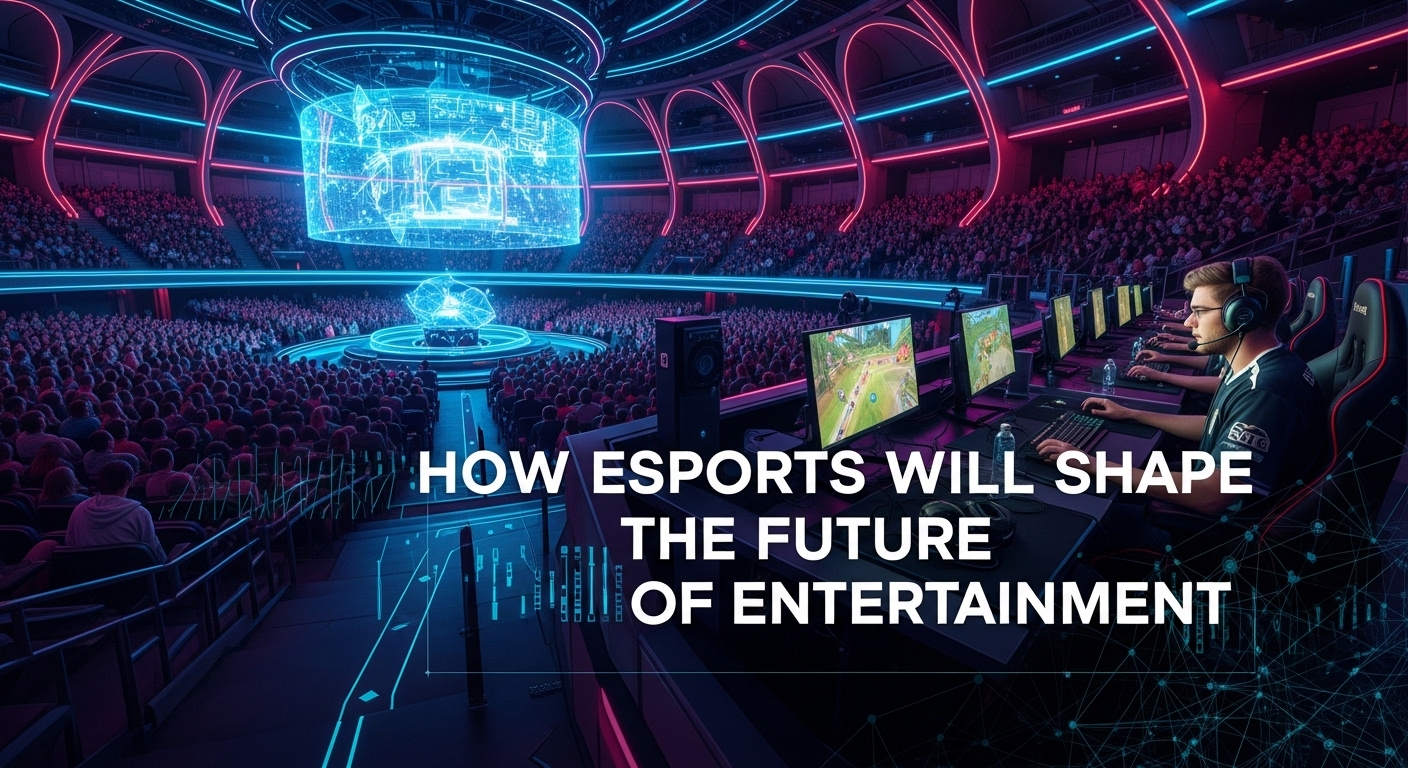
Esports, short for electronic sports, refers to organized, multiplayer video game competitions, particularly between professional players, individually or as teams. These competitions are often streamed live on platforms such as Twitch, YouTube, and Facebook Gaming. Games like League of Legends, Dota 2, Counter-Strike: Global Offensive, Fortnite, and Overwatch have become the flag bearers of this global trend, attracting millions of viewers worldwide.
While the concept of competitive gaming has existed since the 1970s, it is only in the past two decades that esports has evolved into the billion-dollar industry it is today. What was once considered a pastime or niche subculture is now a serious career path for players, coaches, analysts, and other professionals.
The Growth of Esports: A New Era of Entertainment
The rise of esports can be attributed to several key factors that have contributed to its mainstream popularity.
1. The Technological Revolution
The development of high-speed internet, affordable gaming consoles, and personal computers, as well as the availability of streaming platforms, has played a pivotal role in the growth of esports. Online connectivity allows players from around the world to compete against each other, and platforms like Twitch and YouTube make it easier than ever for fans to watch their favorite players and teams.
Esports is also uniquely positioned in the digital age because of its reliance on technology. High-definition streaming, cutting-edge visuals, and interactive elements of esports broadcasts have made it more immersive than traditional sports. Fans can engage in live chats, interact with players, and follow tournaments from the comfort of their homes.
2. The Professionalization of Gaming
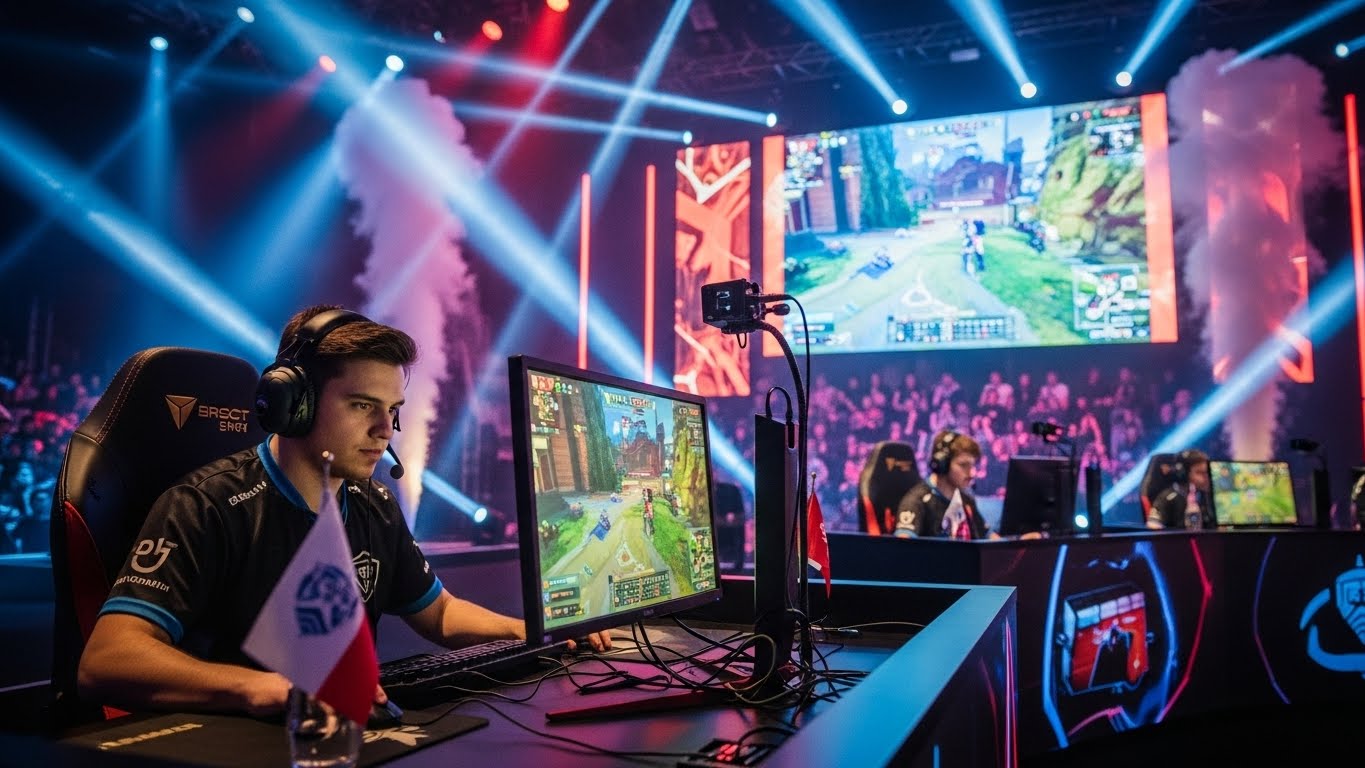
While gaming used to be viewed as a hobby or something reserved for enthusiasts, esports has redefined what it means to be a “professional gamer.” Today, esports athletes train for hours a day, just like traditional athletes. They practice specific skills, study their opponents, and even work with nutritionists and psychologists to ensure they maintain peak performance.
Esports teams often mirror traditional sports franchises, complete with coaches, analysts, managers, and support staff. Major esports organizations such as Cloud9, FaZe Clan, and Team Liquid operate like professional sports teams, with players signing contracts, participating in sponsorship deals, and earning substantial salaries.
3. The Explosion of Streaming Platforms
Streaming has been another driving force behind the explosion of esports. Platforms such as Twitch, YouTube Gaming, and Facebook Gaming allow players to stream their games live to a global audience. Fans are no longer limited to watching pre-recorded broadcasts but can now experience the action as it unfolds in real-time.
Twitch, in particular, has become the heart of the esports community, offering a platform for both professional and amateur players to broadcast their gaming sessions. The interaction between streamers and their viewers has created a sense of community that transcends the game itself, with fans forming connections with their favorite players and content creators.
4. The Impact of Mobile Gaming
Mobile gaming has significantly expanded the reach of esports to a wider audience. Games like PUBG Mobile, Arena of Valor, and Clash Royale have become immensely popular, especially in regions like Southeast Asia, where mobile phones are the primary gaming devices.
The accessibility of mobile games has enabled more players, regardless of their location or financial status, to participate in esports competitions. It has also introduced a new generation of fans to competitive gaming, further broadening the esports ecosystem.
Esports vs. Traditional Sports: A New Type of Competition
Esports has found itself frequently compared to traditional sports, with many arguing that esports has the potential to rival or even surpass conventional sports in popularity. While there are similarities, such as the competitive nature, team dynamics, and fan following, there are also distinct differences that set esports apart.
1. Speed and Accessibility
One of the most significant advantages of esports is its accessibility. Unlike traditional sports, where players need physical training, equipment, and access to professional arenas, esports can be played anywhere, at any time, as long as there is an internet connection. This lower barrier to entry makes esports much more inclusive, allowing more people from diverse backgrounds to participate.
Additionally, esports matches are typically faster-paced than traditional sports, often lasting under an hour. This makes them more digestible for today’s audience, who have become accustomed to fast consumption of content.
2. Global Reach
Esports also offers a truly global experience. Fans and players from all corners of the world can participate in the same competitions and watch the same events, breaking down geographical barriers. For example, the League of Legends World Championship attracts millions of viewers from across the globe, with the competition featuring teams from North America, Europe, Korea, China, and other regions.
In contrast, traditional sports often face geographical limitations. For example, sports leagues like the NFL or NBA may struggle to attract international audiences in the same way that esports does. Global broadcasts, online qualifiers, and digital events have allowed esports to extend its reach beyond the traditional confines of stadiums.
3. Age Demographics
While traditional sports are generally associated with a younger demographic, esports has an even more pronounced appeal among younger generations. Players in their teens and twenties are the primary demographic driving esports, whereas traditional sports have a broader age range, with older generations often playing a more significant role.
The age factor is one of the reasons esports has found its place in modern culture. Esports resonates with digital natives, individuals who have grown up surrounded by technology and online connectivity.
The Business Side of Esports
The business side of esports has seen impressive growth over the past decade. With large sponsorship deals, media rights, merchandise sales, and even the rise of franchised leagues, esports has become a major player in the entertainment industry.
1. Sponsorships and Advertising
Esports attracts a wide array of sponsors, ranging from gaming companies to tech firms and even non-endemic brands. Companies like Intel, Red Bull, and Nike have invested heavily in esports, sponsoring teams and tournaments. The potential for brand exposure to millions of viewers, combined with the passion and loyalty of esports fans, makes the industry highly attractive to sponsors.
2. Prize Pools and Salaries
Prize pools for major esports tournaments can reach tens of millions of dollars. For instance, the Dota 2 International’s prize pool regularly exceeds $30 million, with the winning team receiving a significant portion of that. In addition to prize money, esports players earn salaries from their teams, often supplemented by endorsement deals and streaming revenue.
Some of the highest-paid esports players, like Johan “N0tail” Sundstein and Kenny “KennyS” Schrub, earn millions of dollars annually. These salaries are comparable to those of top athletes in traditional sports.
3. Streaming and Content Creation
Streaming platforms have also played a massive role in monetizing esports. Popular streamers generate income through ads, donations, subscriptions, and merchandise sales. The rise of content creators has introduced a new layer of revenue generation that extends beyond the competitive scene itself.
The Future of Esports
As esports continues to grow, its future looks incredibly promising. Here are a few trends that could define the industry moving forward:
1. Integration with Traditional Sports
We are already seeing traditional sports leagues, like the NBA and NFL, invest in esports. This trend will likely continue as esports becomes more mainstream. The integration of esports with traditional sports could open up opportunities for hybrid events that blend physical and digital competition.
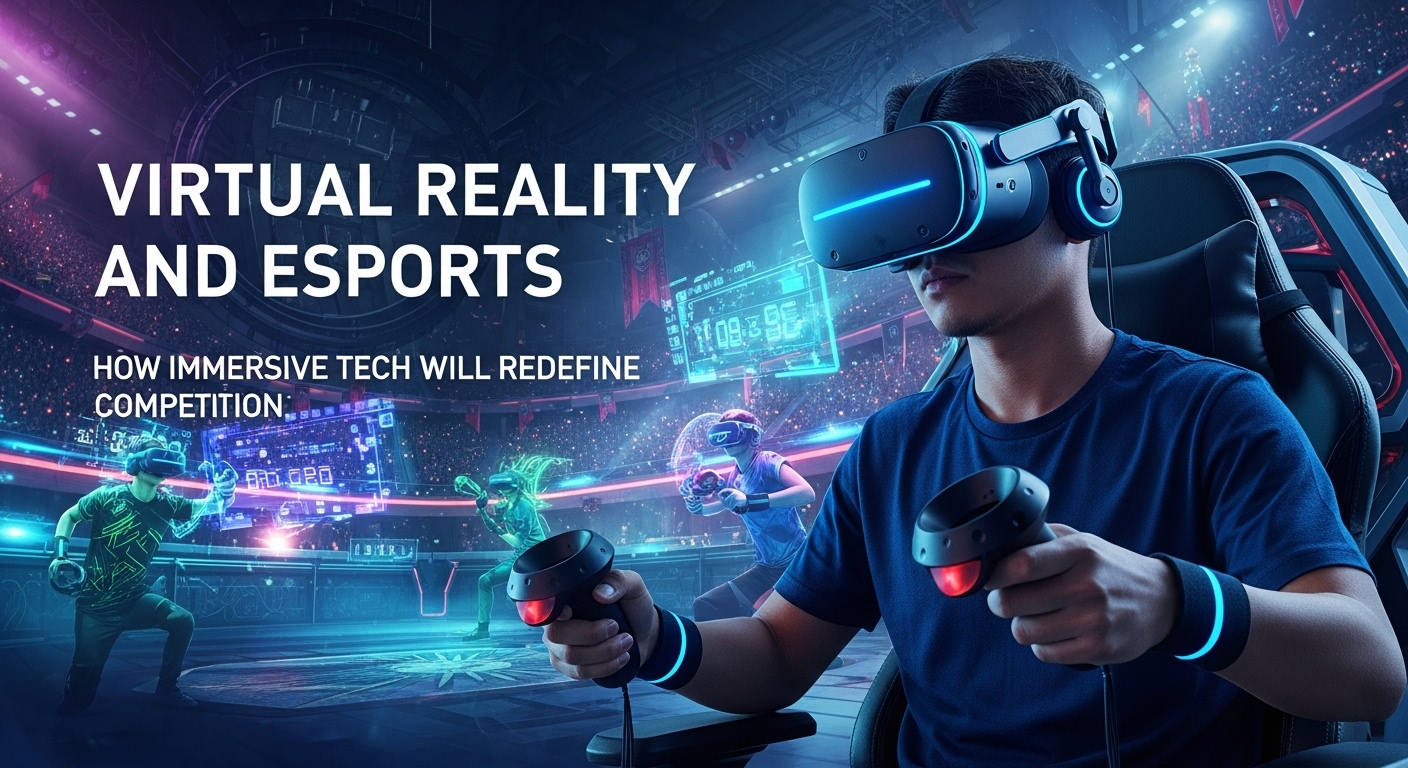
2. Virtual Reality and Augmented Reality
The rise of virtual reality (VR) and augmented reality (AR) could transform the esports experience. With more immersive technology, fans could watch esports tournaments from the perspective of their favorite players or even participate in VR-based competitions.
3. The Role of Mobile Esports
Mobile esports will likely continue to thrive, especially in regions where mobile gaming is the primary platform. As mobile technology advances, we could see more sophisticated games and tournaments built specifically for mobile devices.
Conclusion
Esports has undeniably become one of the most exciting and rapidly growing industries in the entertainment world. Its global appeal, the rise of professional gaming, and its convergence with traditional sports have all contributed to its meteoric rise. As technology continues to evolve and new trends emerge, esports is poised to redefine the future of competitive entertainment, offering unprecedented opportunities for players, fans, and businesses alike.
Whether you’re a player, a fan, or someone looking to invest in this fast-growing industry, the world of esports is just getting started— and it promises to be one of the most exhilarating journeys in the world of modern entertainment.