Esports has undergone a meteoric rise in recent years, transforming from a niche hobby for gaming enthusiasts into a multi-billion-dollar industry attracting millions of viewers, professional players, and investors alike. What was once seen as a pastime for the young and tech-savvy is now a global phenomenon, with massive tournaments, lucrative sponsorship deals, and professional teams competing at the highest level. In this blog post, we will explore the evolution of esports, its current state, and the factors driving its continued growth, as well as what the future holds for this rapidly expanding sector.
The Origins of Esports: A Humble Beginning
The roots of esports can be traced back to the 1970s and 1980s, when competitive gaming first began to take shape. One of the earliest documented esports competitions was the “Intergalactic Spacewar Olympics,” held at Stanford University in 1972. The event was based on the popular arcade game Spacewar, and it marked the beginning of organized video game competition. However, it wasn’t until the late 1990s and early 2000s that esports began to gain real traction.
The real turning point came with the rise of online multiplayer games. Titles such as Quake, StarCraft, and Warcraft III introduced the idea of players competing against one another over the internet, paving the way for larger-scale competitions. These games also introduced the concept of professional gaming, as players began to earn recognition and prize money for their skills.
In the early days, esports events were small and mostly local, often held in Internet cafes or gaming centers. However, as internet speeds improved and online gaming platforms became more sophisticated, the scale and scope of esports events grew. This laid the foundation for the global competitive gaming scene we know today.
The Explosion of Esports in the 2010s
The real explosion of esports happened in the 2010s, with several key developments propelling the industry forward. One of the most significant drivers of this growth was the rise of League of Legends, a multiplayer online battle arena (MOBA) game developed by Riot Games. Released in 2009, League of Legends quickly gained a massive following due to its strategic depth, fast-paced gameplay, and the accessibility of its free-to-play model. Riot Games recognized the potential for competitive gaming and began hosting regular tournaments, culminating in the first League of Legends World Championship in 2011.
The success of League of Legends marked a new era for esports. It demonstrated that online gaming could be transformed into a major spectator sport, with professional players, teams, and organizations being supported by sponsorships and brand deals. The tournament prize pools grew significantly, and the competitions began to be streamed on popular platforms like Twitch, which played a pivotal role in the exposure and growth of esports.
Simultaneously, other games like Dota 2, Counter-Strike: Global Offensive (CS:GO), Overwatch, and Fortnite helped diversify the esports ecosystem, drawing in new audiences and expanding the types of games that could be played at a competitive level. The introduction of these titles created a diverse and dynamic ecosystem of professional leagues, tournaments, and events.
The Globalization of Esports: A Multi-Billion Dollar Industry
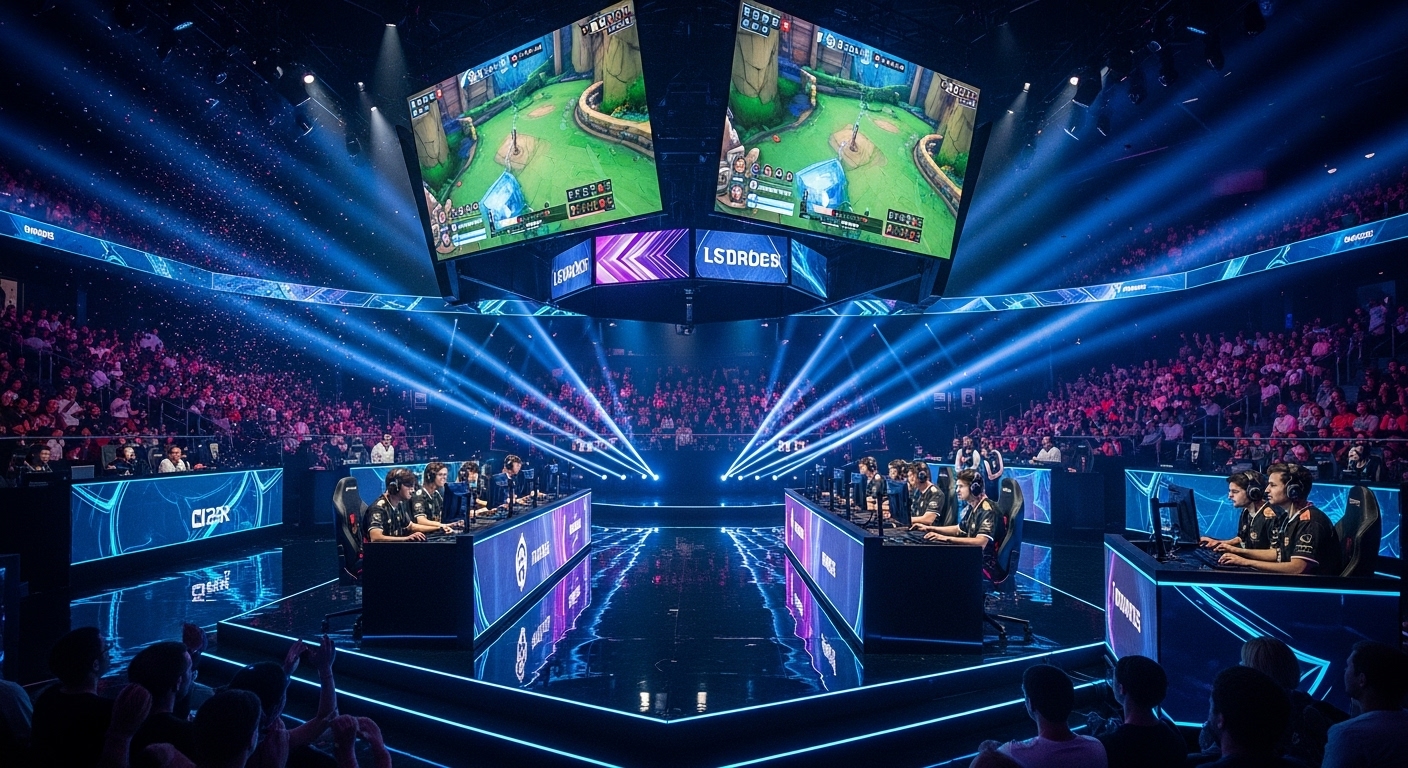
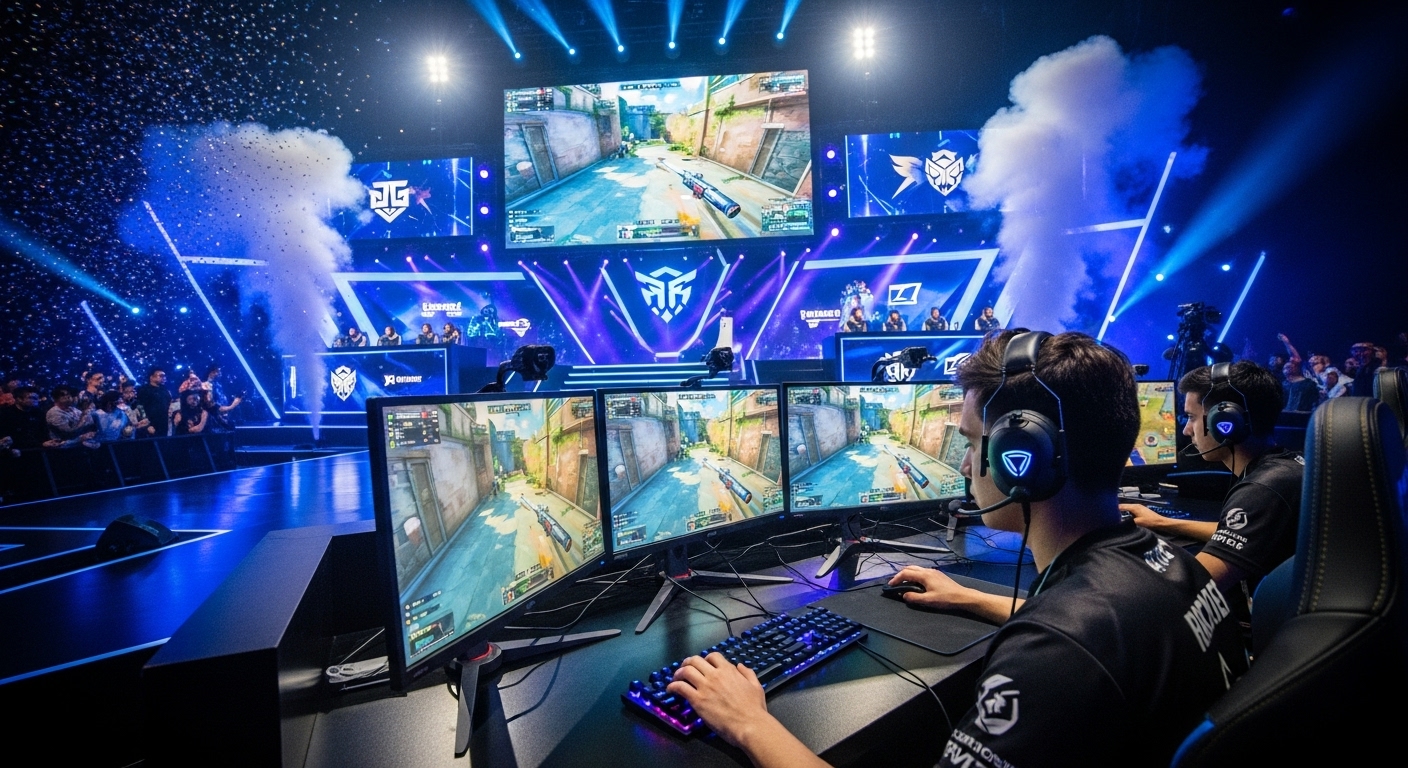
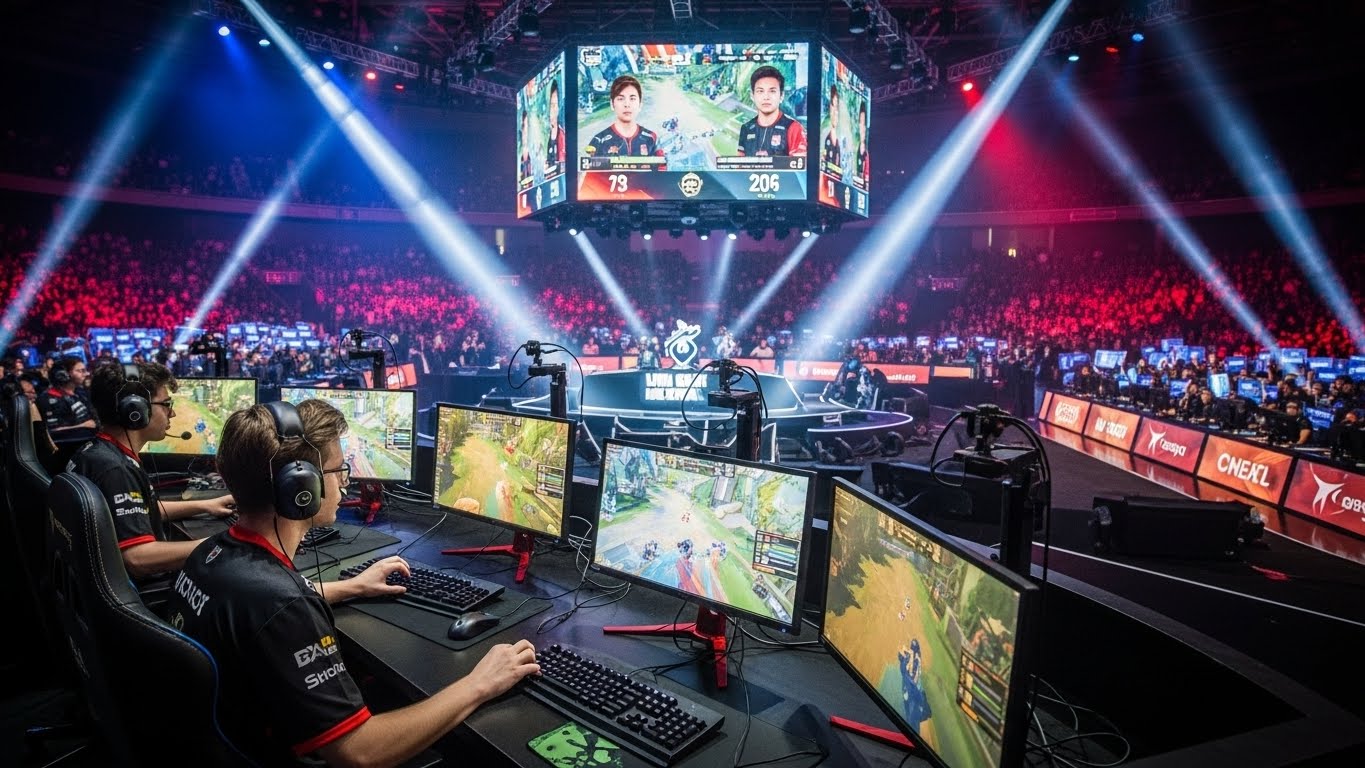
As the popularity of esports grew, it became evident that this was not just a passing trend but a major cultural force. By the mid-2010s, esports had become a global industry, with tournaments attracting millions of viewers across the globe. Some of the largest events, such as The International (the annual Dota 2 championship) and the League of Legends World Championship, began to sell out massive arenas and broadcast to millions of fans on platforms like Twitch, YouTube, and Facebook.
Esports was no longer limited to a small group of players and enthusiasts; it had become a major entertainment medium on par with traditional sports. Major sports organizations and investors recognized the value of esports and began pouring money into the industry. In 2017, for example, the company behind the NBA’s Houston Rockets purchased an esports team, marking a significant crossover between traditional sports and esports.
Additionally, esports leagues and tournaments began attracting sponsorships from global brands such as Coca-Cola, Intel, Red Bull, and Samsung, further validating the industry’s legitimacy. These sponsorships helped raise the prize money for tournaments, with some competitions offering multi-million-dollar rewards. At the same time, players began to sign lucrative contracts with professional teams, further cementing the idea of esports as a viable career path.
In 2020, the global esports market was valued at over $1 billion, and it continues to grow year after year. Streaming platforms, merchandise sales, and advertising revenue all contribute to the overall financial success of the industry, and esports is now considered a major player in the global entertainment ecosystem.
The Role of Streaming Platforms in Esports Growth
One of the key factors behind the rise of esports has been the advent of streaming platforms like Twitch, YouTube Gaming, and Facebook Gaming. These platforms have allowed viewers to watch competitive gaming events in real-time, bringing esports into the living rooms of millions of fans worldwide.
Twitch, which was founded in 2011 and later acquired by Amazon in 2014, has become the go-to platform for esports content. The platform allows players to stream their gameplay live while interacting with their audience in real-time. This interactive element has helped create a sense of community among esports fans, fostering a deeper connection with the games and the players they support.
Streaming platforms also allow fans to access esports tournaments and events from anywhere in the world. This has helped to democratize the viewing experience, making esports accessible to a global audience. Major esports events like The International, Worlds, and CS:GO Major Championships are now streamed to millions of viewers, some of whom are watching from countries where esports had no presence just a few years ago.
As streaming continues to grow in popularity, esports tournaments are now being broadcast on traditional television networks in some regions, further boosting the legitimacy of competitive gaming. This crossover into mainstream media has solidified esports as an integral part of the modern entertainment landscape.
The Ecosystem of Esports: Teams, Players, and Leagues
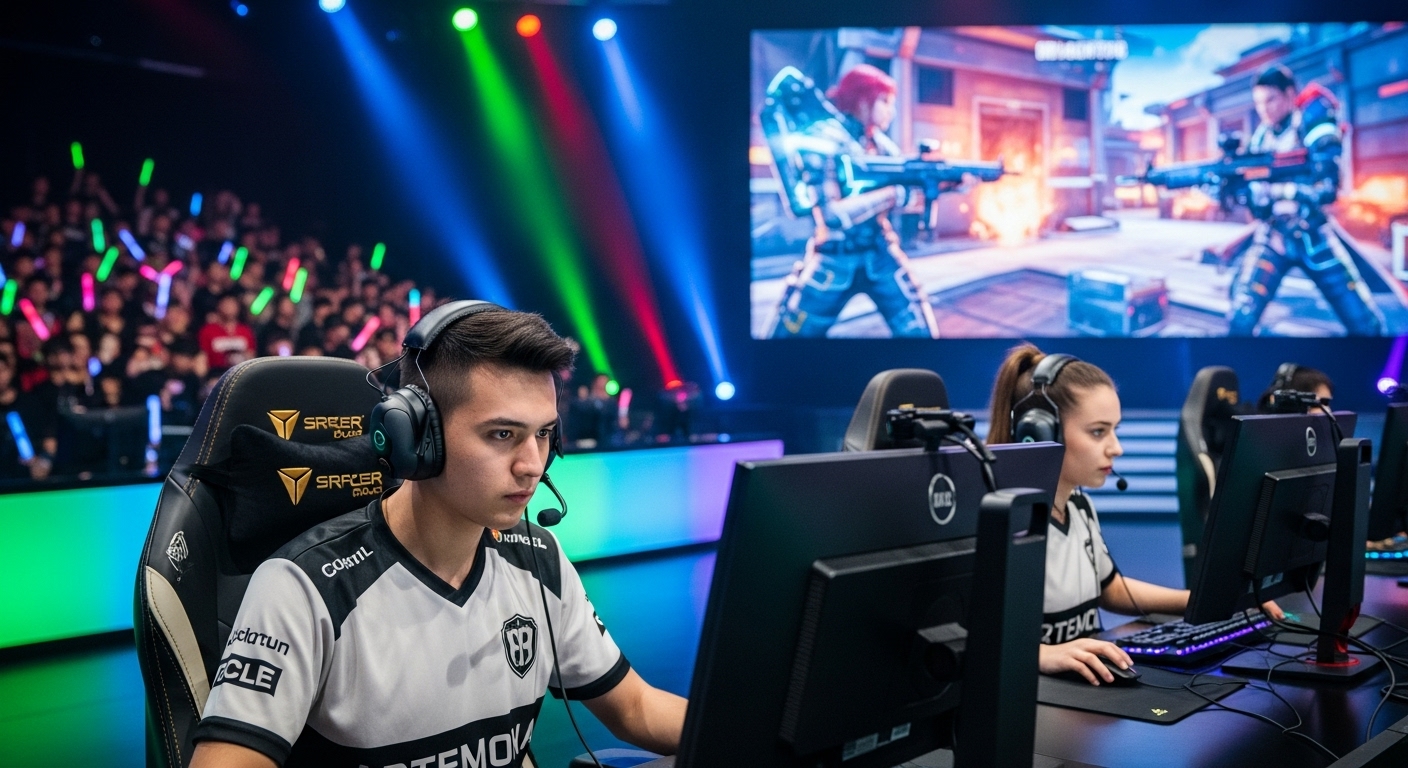
The structure of esports has evolved significantly over the years, and the industry now boasts a well-established ecosystem that includes professional teams, players, leagues, and event organizers. Much like traditional sports, esports features professional teams that compete in a variety of games, with each team typically consisting of highly skilled players who specialize in specific titles.
Esports organizations, such as Cloud9, Team Liquid, and Fnatic, have become household names in the gaming world. These teams sign players to contracts, provide them with salaries, training facilities, and coaching, and manage their participation in professional leagues and tournaments. Players, in turn, can earn money from tournament winnings, sponsorships, and streaming deals, making esports a viable career for top-tier competitors.
In addition to team-based competitions, many games feature individual competitions, where players can compete solo for cash prizes and glory. Players like Faker (Lee Sang-hyeok) from League of Legends, Dendi (Danil Ishutin) from Dota 2, and Shroud (Michael Grzesiek) from PUBG and CS:GO have become celebrities in their own right, with massive fan followings both in and outside the gaming community.
Esports leagues, such as the Overwatch League, League of Legends Championship Series (LCS), and Call of Duty League, have added structure to the competitive scene. These leagues are similar to traditional sports leagues, with teams competing in a regular season and playoffs leading to a championship. The growth of these leagues has been instrumental in professionalizing the esports scene, providing a sustainable environment for players and organizations to thrive.
Esports and Education: The Rise of College and High School Teams
As esports becomes more mainstream, it has found a place in education as well. Colleges and universities around the world have started to recognize esports as a legitimate sport, offering scholarships and building dedicated esports programs. In the United States, for example, over 200 colleges have established esports programs, offering scholarships to talented gamers and creating opportunities for students to pursue careers in the industry.
In addition to higher education, high school esports leagues have also emerged, providing younger players with the opportunity to compete at a more local level. These programs not only allow students to engage in competitive gaming but also teach valuable skills like teamwork, communication, and strategy that can translate into other areas of life.
With esports now being recognized as a legitimate sport by many educational institutions, the future looks bright for the next generation of players, coaches, analysts, and industry professionals.
The Future of Esports: What’s Next?
Looking ahead, the future of esports appears incredibly promising. As the industry continues to expand, we can expect to see more games and competitions emerge, with new technology playing a major role in shaping the experience for players and viewers. Virtual reality (VR) and augmented reality (AR) could bring new dimensions to competitive gaming, and advancements in artificial intelligence (AI) may change how games are developed and played.
The continued growth of mobile esports is also noteworthy. Games like PUBG Mobile, Clash Royale, and Arena of Valor have brought esports to a wider audience by making competitive gaming more accessible on smartphones and tablets. As mobile devices become more powerful, we can expect mobile esports to gain even more prominence in the coming years.
Finally, with esports becoming increasingly mainstream, the industry will likely continue to attract investment from major corporations, sports organizations, and even entertainment companies. As this influx of capital continues, esports will only become more professionalized, with bigger tournaments, larger audiences, and greater rewards for players.
Conclusion: Esports as the Future of Entertainment
Esports is no longer just a niche hobby or a subculture; it has grown into a global entertainment powerhouse. From its humble beginnings in the 1970s to the massive, multi-billion-dollar industry it is today, esports has proven that competitive gaming is here to stay. With an ever-expanding ecosystem of players, teams, sponsors, and fans, esports continues to break new ground and reshape the way we think about sports and entertainment.
The future of esports is incredibly bright, and as technology advances, the possibilities for innovation are limitless. Whether you’re a fan, a player, or someone interested in the industry, it’s clear that esports is only going to continue to grow in the years to come.