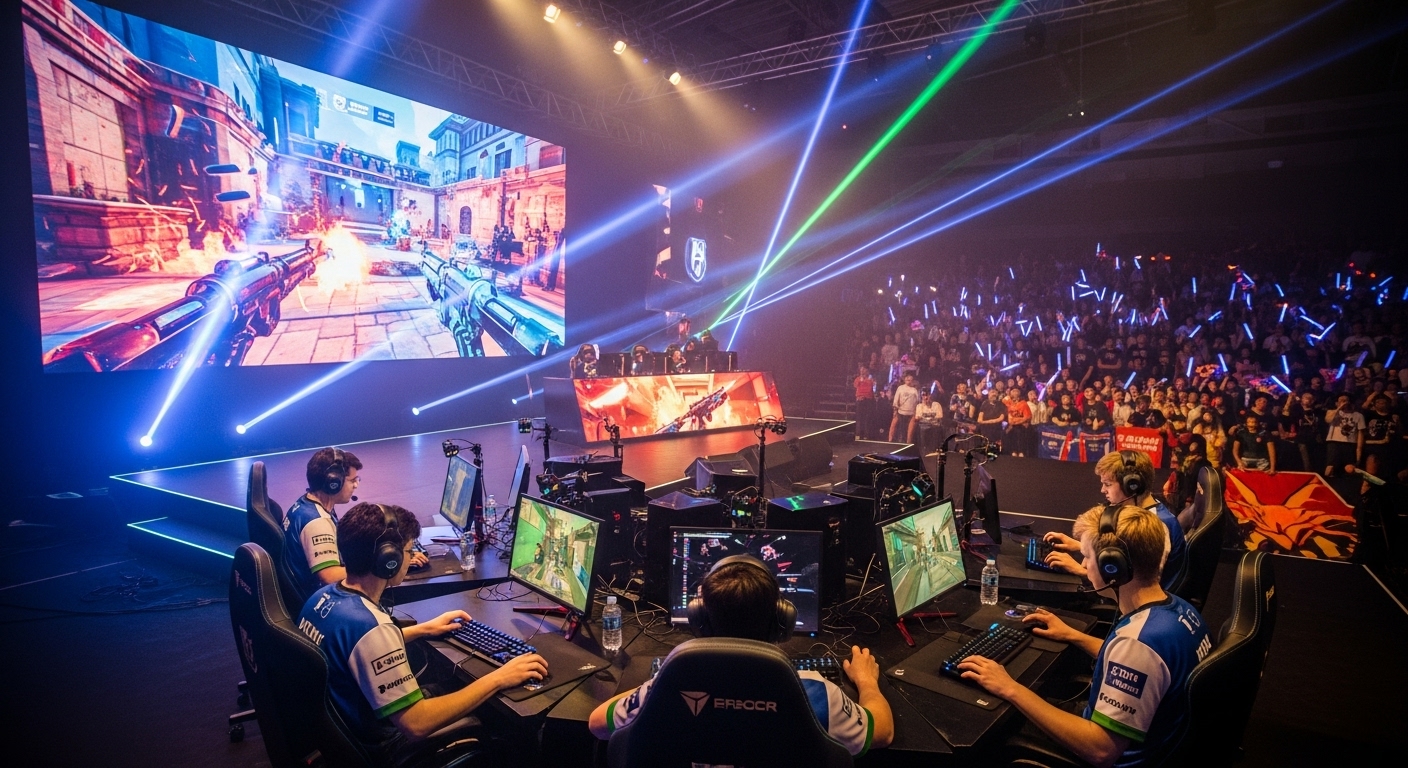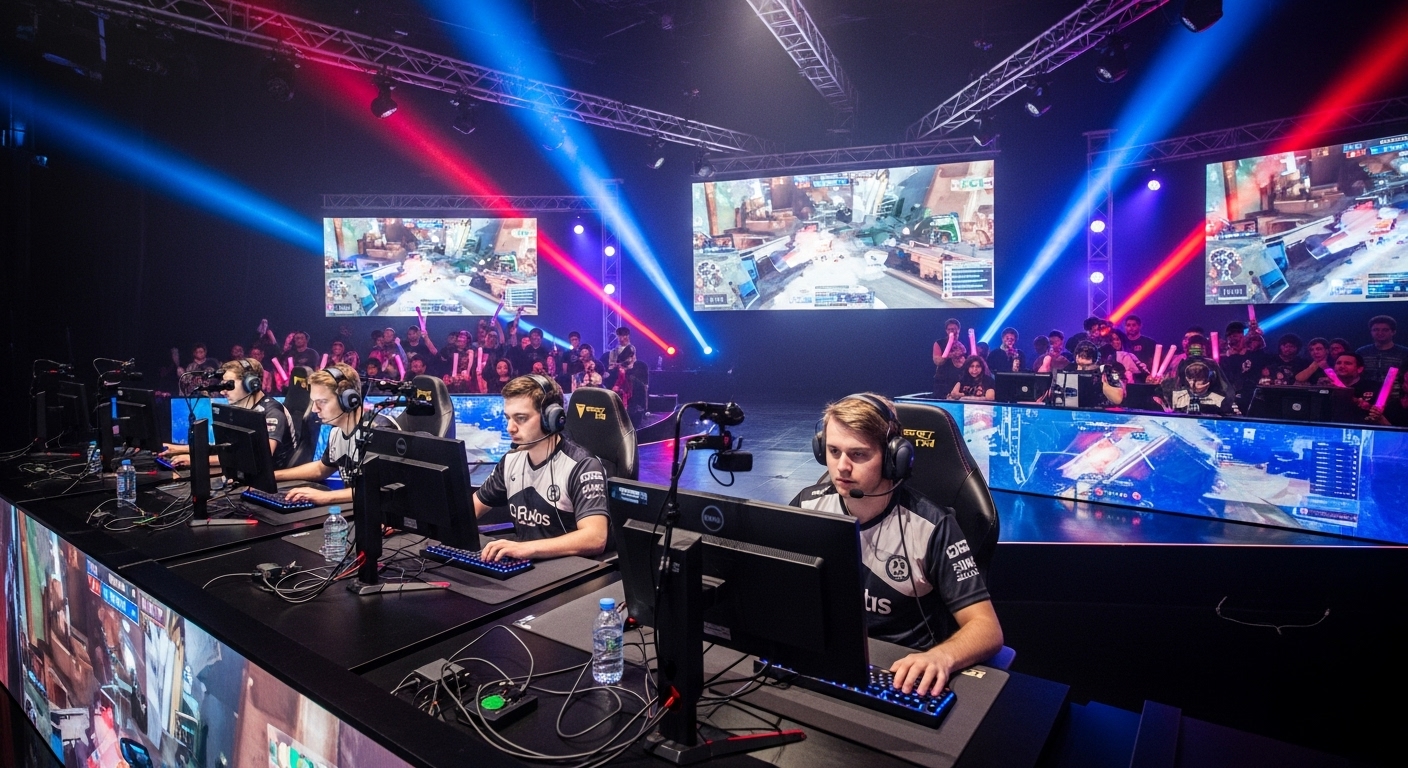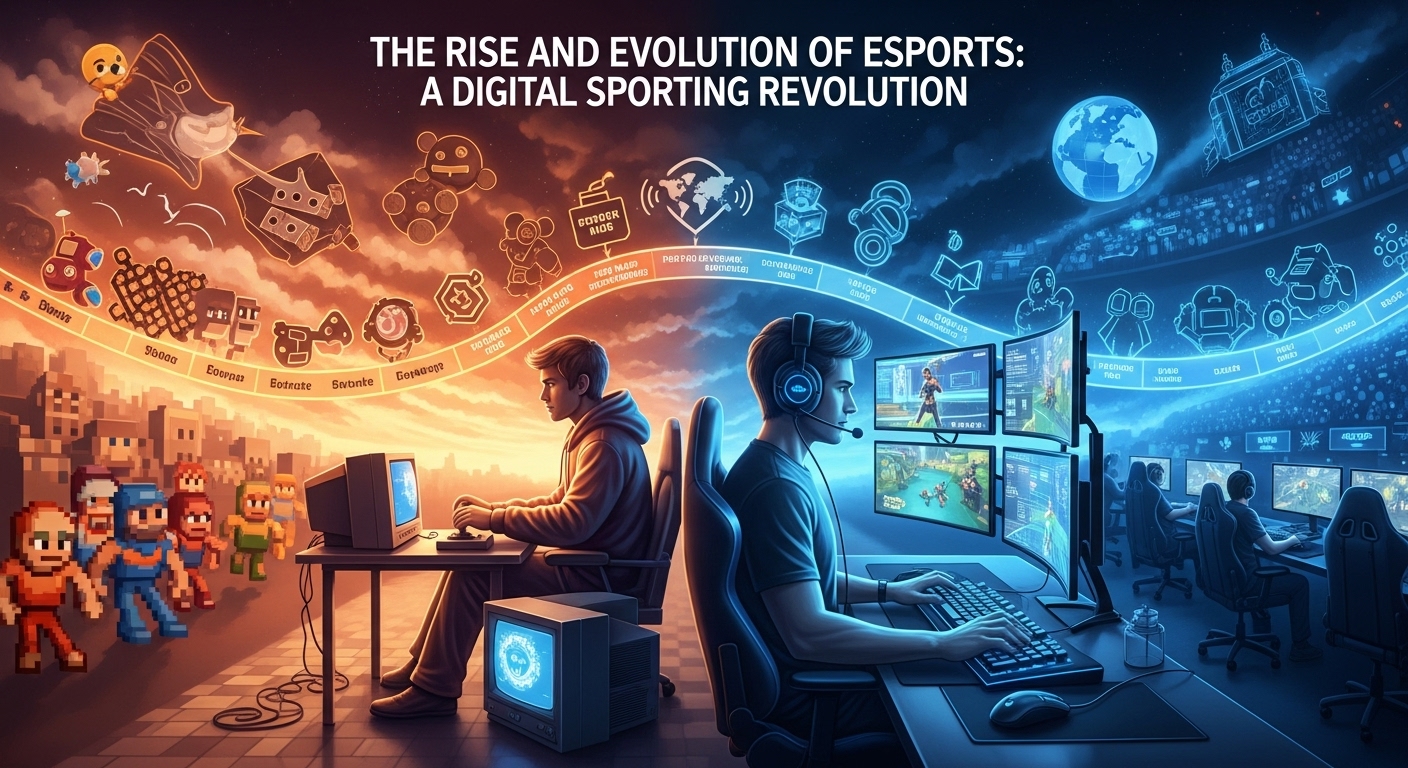
In the last two decades, esports has transformed from a niche hobby to a global phenomenon, captivating millions of fans and creating opportunities for players, sponsors, and media alike. Once considered a casual pastime for teenagers in basements, esports has grown into a multibillion-dollar industry with professional teams, international tournaments, and widespread mainstream recognition. This blog delves into the history, development, and cultural significance of esports, exploring its impact on gaming, society, and the future of competitive entertainment.
The Origins of Competitive Gaming
Competitive gaming has been around almost as long as video games themselves. In the 1970s and 1980s, early arcade games like Pong and Space Invaders saw informal competitions among enthusiasts. The first widely recognized esports event took place in 1980 at Stanford University, known as the “Space Invaders Championship,” attracting over 10,000 participants.
The 1990s marked a significant turning point, with the rise of personal computers and online connectivity. Games like Doom, Quake, and StarCraft became popular competitive titles, laying the foundation for modern esports. Players began forming teams, creating strategies, and hosting local tournaments. The concept of professional gaming started taking shape as fans gathered around LAN parties and small-scale competitions.
The Explosion of Esports in the 2000s
The 2000s were pivotal in the evolution of esports. The advent of faster internet connections enabled competitive gaming on a global scale. Games such as Counter-Strike, Warcraft III, and Halo emerged as esports staples, attracting dedicated communities.
Tournament organizers like Major League Gaming (MLG) in the United States and the World Cyber Games (WCG) internationally played a crucial role in promoting competitive gaming. These events offered substantial cash prizes, media coverage, and recognition for top players, transforming gaming from a hobby into a legitimate career path.
Additionally, streaming platforms began to emerge, allowing fans to watch their favorite players and teams in real time. Services like Twitch, which launched in 2011, revolutionized esports by creating an interactive space for players and viewers alike, establishing a fan culture similar to traditional sports.
Esports as a Career
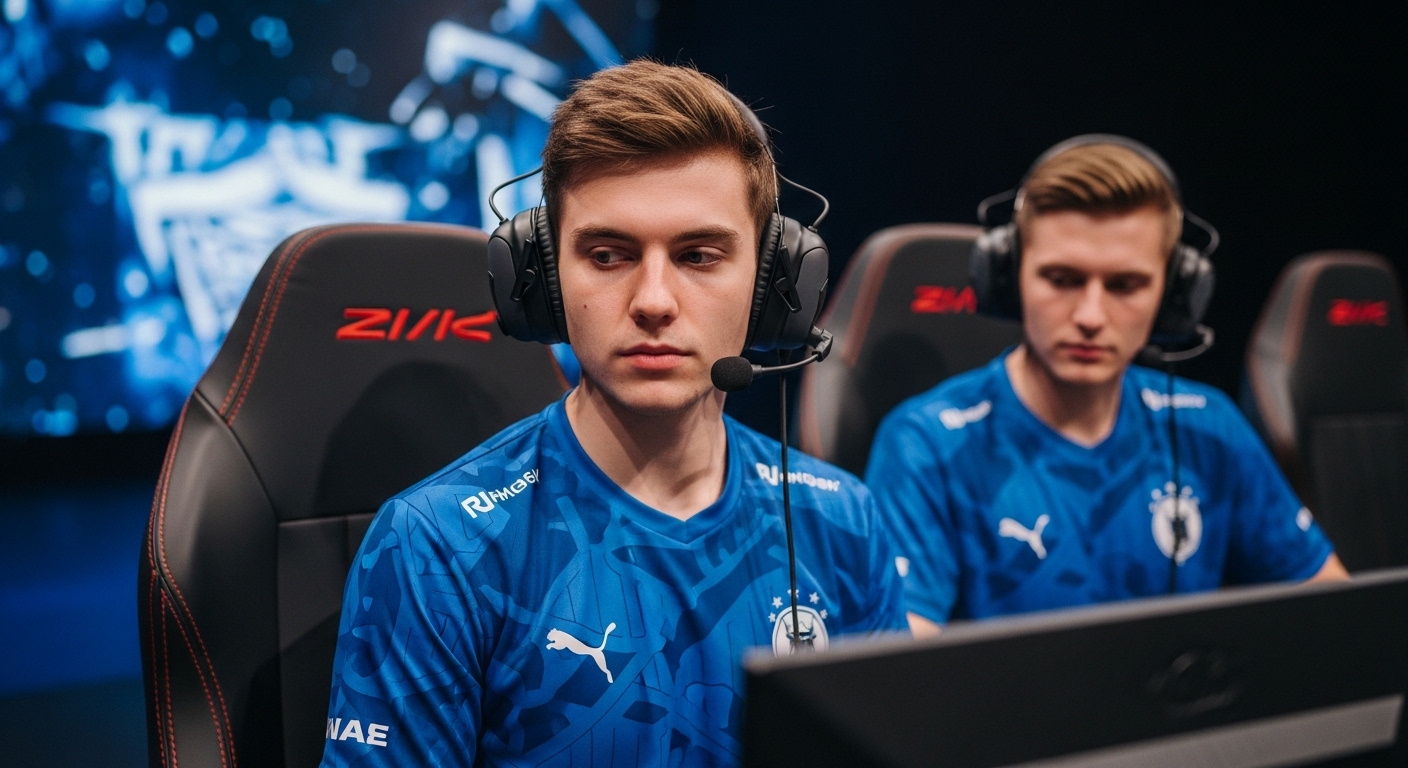
Professional esports players are athletes in their own right. They dedicate countless hours to mastering mechanics, strategies, and teamwork. Unlike traditional sports, esports demands not only reflexes and physical stamina but also mental acuity and adaptability.
Professional players often begin at a young age, joining amateur teams or participating in local competitions. With consistent performance and exposure, they may be recruited by professional organizations, where they receive salaries, sponsorship deals, and access to advanced training facilities. Unlike casual gamers, professional players must balance rigorous practice schedules, media obligations, and travel to international tournaments, much like conventional athletes.
The career of an esports player, however, is often short-lived. Physical strain, mental stress, and the rapid evolution of game metas mean that players often retire in their mid-20s, transitioning to coaching, content creation, or esports management roles.
Major Esports Titles and Their Impact
Esports has flourished due to the success of a few iconic games that capture competitive imagination and cultivate strong communities. Titles like League of Legends, Dota 2, Counter-Strike: Global Offensive, and Fortnite have become synonymous with esports. Each of these games offers unique gameplay mechanics and competitive structures that attract players and fans globally.
For instance, League of Legends and Dota 2 are MOBAs (Multiplayer Online Battle Arenas), emphasizing team coordination, strategy, and in-game decision-making. These games have produced some of the largest prize pools in esports history, with tournaments offering tens of millions of dollars to top teams. Counter-Strike: Global Offensive, a first-person shooter, prioritizes precision, communication, and reflexes, drawing a dedicated fanbase to tournaments and streaming platforms. Meanwhile, battle royale games like Fortnite highlight the blend of skill, creativity, and adaptability, appealing to a younger, casual audience while still fostering competitive play.
The Business of Esports
Esports is no longer just about players and games; it has become a massive industry. Revenue streams include sponsorships, advertising, merchandise sales, media rights, and ticket sales for live events. Major brands like Coca-Cola, Intel, and Nike have invested heavily in esports sponsorships, recognizing the marketing potential of a young, digitally native audience.
Esports organizations operate similarly to traditional sports franchises. They recruit talent, provide coaching and infrastructure, and build brands around team identities. Successful organizations often diversify into content creation, merchandise, and even media production, creating multiple revenue streams beyond tournament winnings.
Media coverage of esports has also expanded. Streaming platforms, dedicated esports channels, and social media engagement allow fans worldwide to follow tournaments in real time. Unlike traditional sports, esports audiences are highly interactive, with live chats, polls, and online communities creating a dynamic viewing experience.
The Cultural Significance of Esports
Esports has become a cultural force, influencing fashion, music, entertainment, and social media. Professional players are celebrities, with millions of followers on social media platforms. Major tournaments are broadcast with production quality rivaling traditional sports events, complete with commentary, analysis, and cinematic presentations.
Gaming conventions and esports festivals foster community and fan engagement. Cosplay, fan art, and live events contribute to a rich cultural ecosystem surrounding esports. For many fans, esports represents not just entertainment but identity, friendship, and belonging. The shared passion for competitive gaming transcends geographical and cultural boundaries, uniting people worldwide.
Challenges Facing Esports
Despite its growth, esports faces several challenges. Player burnout is common due to intense practice schedules and high expectations. Mental health concerns, including anxiety and depression, have been documented among professional gamers. Organizations are increasingly recognizing the importance of support systems, including mental health professionals and wellness programs, to address these issues.
Regulation and governance remain complex. Unlike traditional sports with established regulatory bodies, esports encompasses multiple games, organizations, and regions, making standardization difficult. Issues such as cheating, match-fixing, and doping have emerged, highlighting the need for oversight and fair play.
Accessibility and inclusivity are also ongoing concerns. While esports offers opportunities for global participation, gender representation remains imbalanced, and players from underrepresented regions often face barriers to entry. Initiatives promoting diversity and inclusion aim to create a more equitable and welcoming esports community.
Esports in Education and Youth Development
Esports has made its way into educational institutions, with universities offering varsity esports programs and scholarships. Schools recognize the potential of esports to teach teamwork, problem-solving, and strategic thinking. Students gain skills that are transferable to careers in technology, media, and management.
Youth leagues and amateur competitions provide entry points for aspiring players, fostering talent development and community engagement. Participation in esports also encourages digital literacy, communication, and leadership skills, highlighting the broader educational benefits beyond entertainment.
The Future of Esports
The future of esports looks promising, with technological advancements and cultural shifts driving growth. Virtual reality (VR) and augmented reality (AR) promise immersive competitive experiences, while artificial intelligence could enhance training and strategy analysis.
Global expansion continues, with emerging markets in Asia, Latin America, and Africa contributing to player bases and fan communities. Mainstream media recognition, including coverage on television and collaborations with traditional sports leagues, will likely increase, further bridging the gap between esports and conventional sports.
Moreover, esports is likely to evolve into a more structured and professionalized industry, with standardized regulations, improved player welfare, and sustainable business models. As societal attitudes toward gaming continue to shift, esports will cement its place as a legitimate and respected form of competition and entertainment.
Conclusion
Esports has come a long way from its humble beginnings in arcades and LAN parties. Today, it is a global industry, a cultural phenomenon, and a legitimate career path for countless players. Its growth reflects not only the evolution of gaming technology but also society’s embrace of digital entertainment and interactive experiences.
While challenges remain, the continued investment in infrastructure, education, and player welfare promises a bright future for esports. As competitive gaming becomes more mainstream, it will continue to shape how we play, watch, and engage with games, solidifying its place as one of the defining entertainment forms of the 21st century.