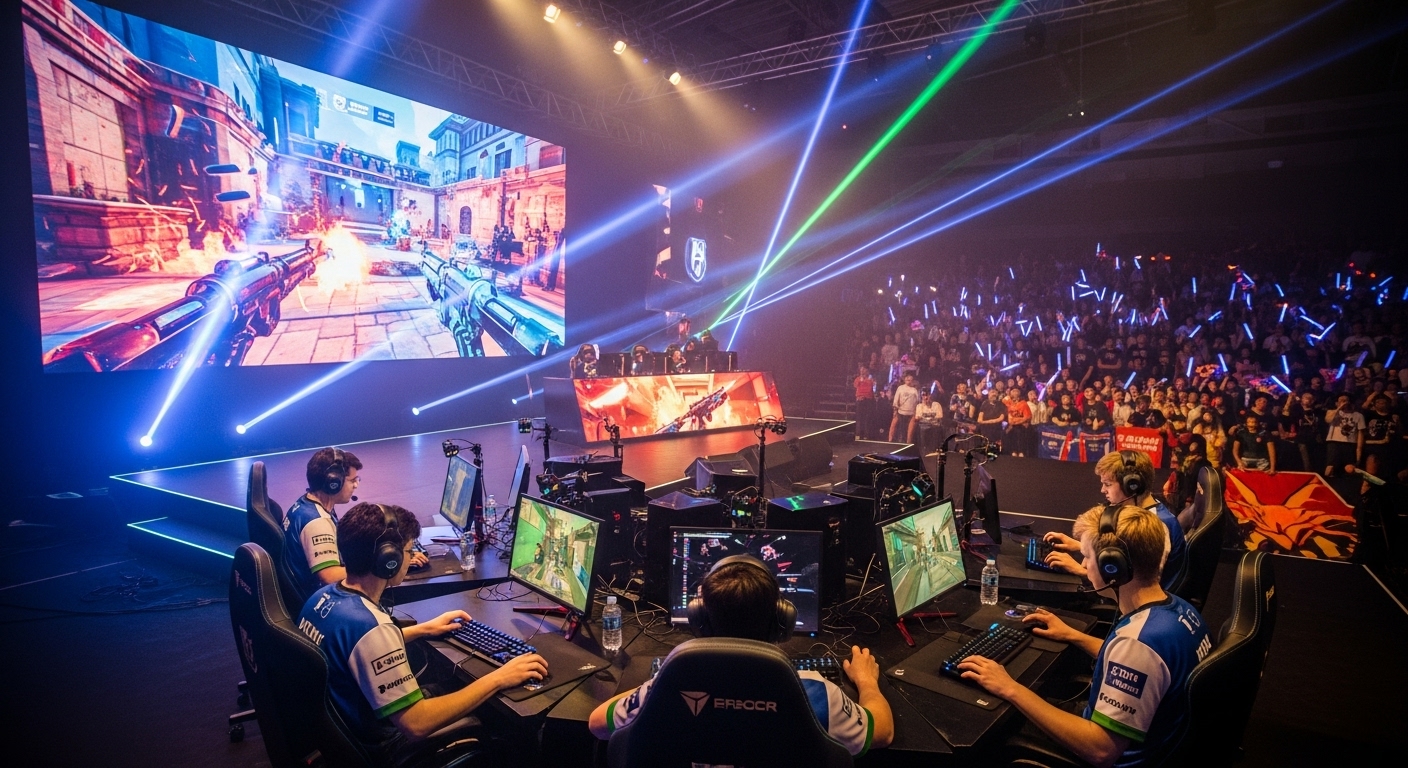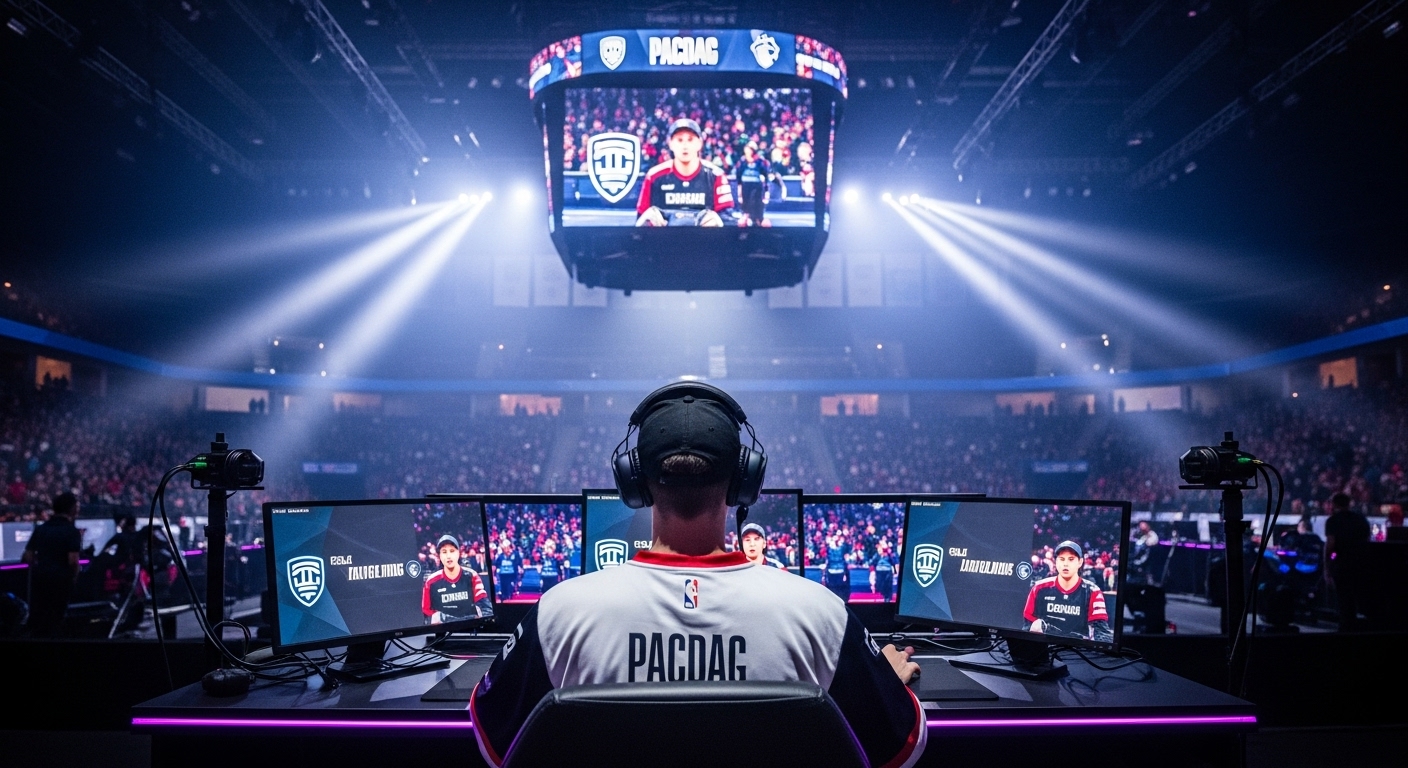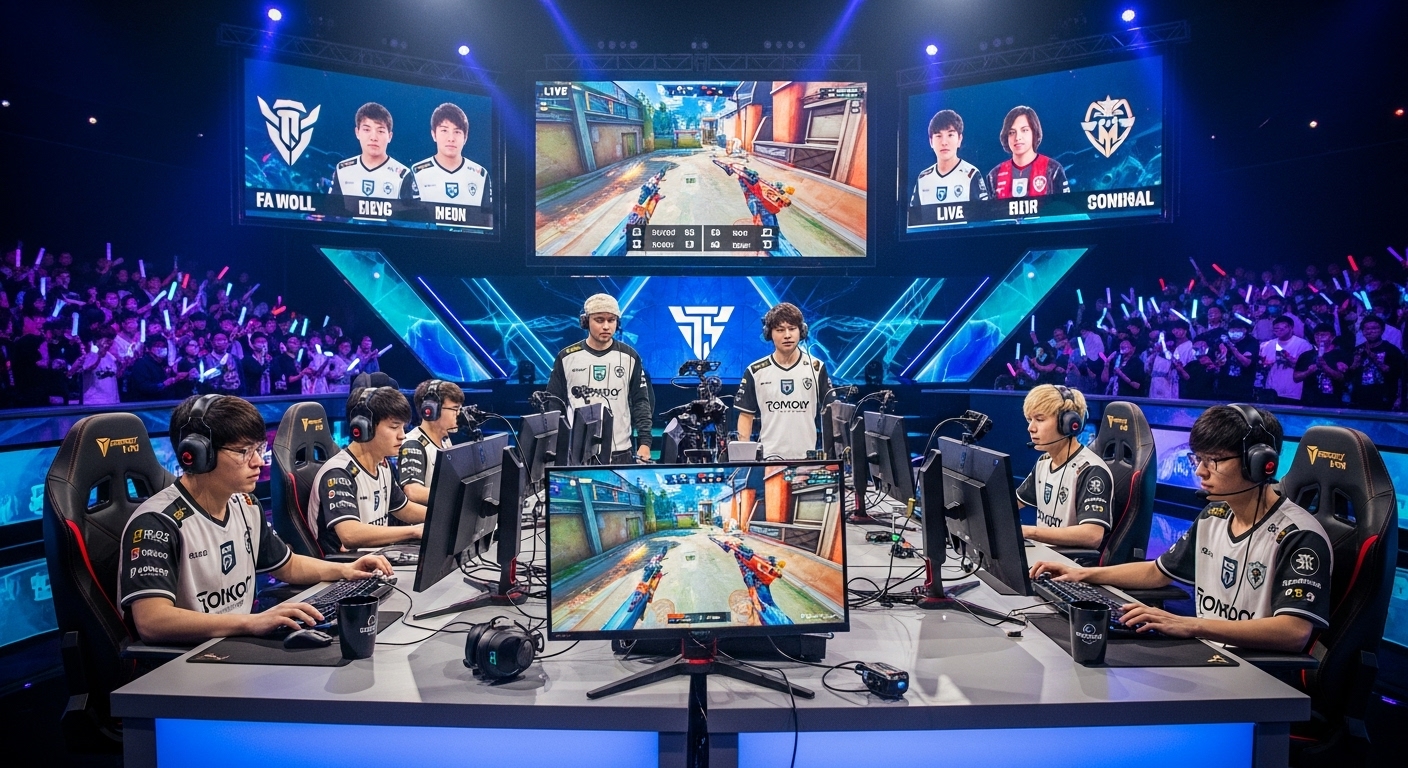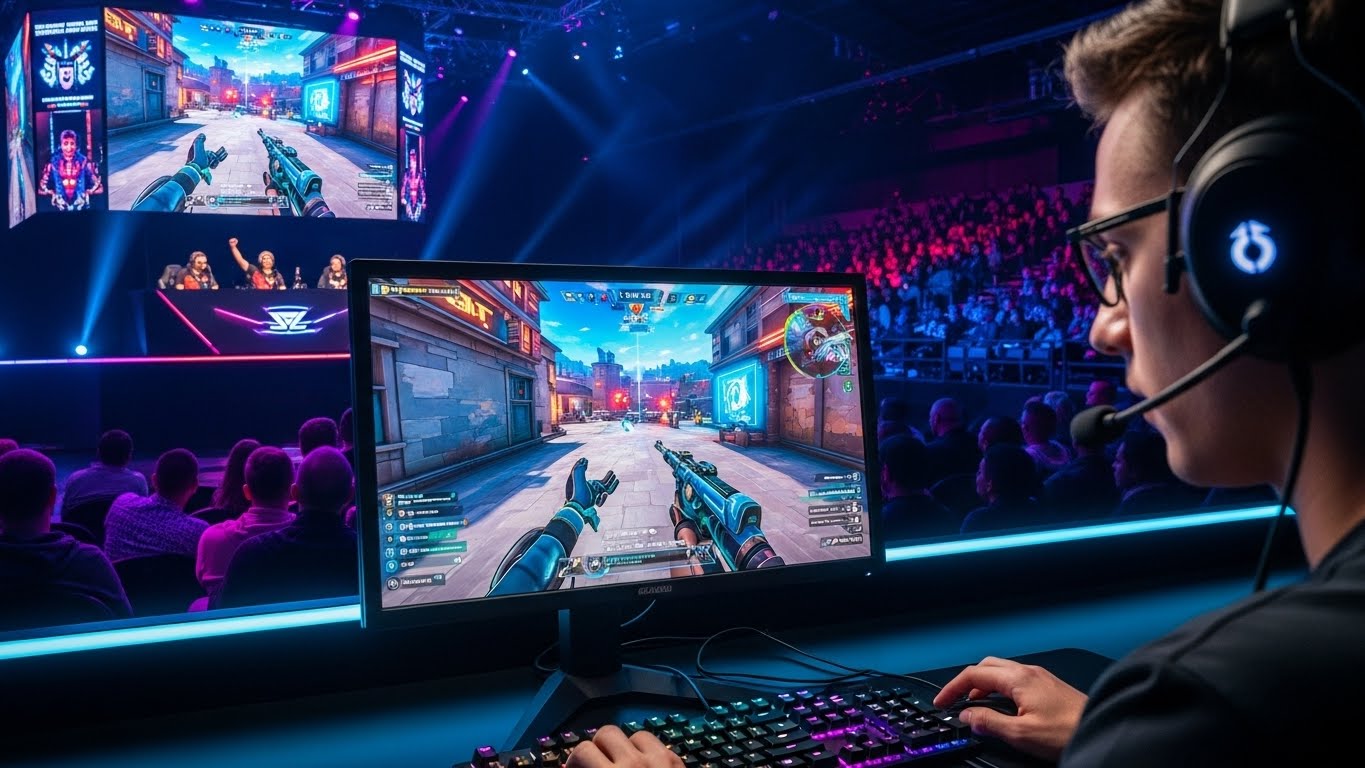
Esports, short for electronic sports, has rapidly evolved from a niche pastime to a global phenomenon. What started in the early 2000s with small-scale tournaments and dedicated fans has transformed into a multi-billion-dollar industry. In 2023, esports is not just about playing video games; it’s about strategy, teamwork, professional athletes, and a worldwide community that rallies behind its favorite players and teams. This blog post explores the world of esports, its growth, its significance, and the future potential of competitive gaming.
The Early Days of Esports
The origins of esports can be traced back to the late 1990s and early 2000s, when video game competitions first gained a sense of organization. While competitive gaming existed in informal settings, it wasn’t until the release of games like StarCraft and Quake that the concept of large-scale tournaments began to take shape. These games allowed players to compete against one another in a more structured and competitive environment, laying the groundwork for what would become the esports industry.
The first esports tournaments were typically hosted at gaming conventions or small events. These competitions often attracted a small, dedicated group of gamers who had a deep passion for the games they played. However, as the internet and online gaming became more widespread, so too did the reach of these tournaments. Streaming platforms such as Twitch, which launched in 2011, played a crucial role in allowing fans to watch these events from the comfort of their homes.
The Global Boom
As more people discovered the thrill of watching others play video games, esports began to capture the attention of mainstream audiences. High-profile games like League of Legends, Dota 2, Counter-Strike: Global Offensive, and Overwatch began to dominate the competitive gaming scene. Major tournaments with million-dollar prize pools became the norm, attracting the attention of global media outlets and corporate sponsors. This shift from a niche hobby to a mainstream entertainment spectacle was pivotal in the growth of esports.
Today, esports is a global industry that spans continents. From North America to Asia and Europe, major esports leagues are now household names. The League of Legends World Championship, for example, regularly attracts millions of viewers, rivaling traditional sports events such as the Super Bowl and the FIFA World Cup in terms of viewership. Esports has also become a highly profitable business, with sponsorships, merchandise sales, and advertising generating revenue for players, teams, and event organizers.
The Evolution of Esports Players
The competitive nature of esports has created a unique environment for players who want to turn their passion for gaming into a career. Unlike traditional sports, where athletes typically begin their careers in their youth and undergo years of physical training, esports players often rise to prominence through sheer dedication, skill, and practice. The competitive gaming world operates at a much faster pace than traditional sports, meaning that players must continually adapt to new strategies, updates, and evolving game mechanics.
Professional esports players often dedicate up to 12 hours a day to training, practicing with their team, or analyzing gameplay footage to improve their performance. The mental and physical demands of being an esports athlete are similar to those faced by professional athletes in traditional sports. Players must maintain peak focus and mental agility, as games can last for hours and require intense decision-making in real-time.
Furthermore, the esports world is unique in that players have relatively short careers compared to traditional athletes. The fast-paced nature of competitive gaming means that players can burn out or lose their competitive edge quickly. As a result, many esports players transition to coaching, analysis, or content creation after their playing careers end.
Esports as a Social Phenomenon
One of the most compelling aspects of esports is the sense of community that surrounds it. Competitive gaming has brought together individuals from all walks of life, creating an environment where people from different countries and cultures can connect over their shared love of gaming. Whether it’s through watching a live stream on Twitch, discussing gameplay strategies on Reddit, or participating in fan forums, esports has given rise to a vast and passionate community.
Esports events, both online and offline, serve as a social gathering place for fans and players alike. Major tournaments such as The International (for Dota 2) and the League of Legends World Championship bring people together to cheer for their favorite teams, creating an electrifying atmosphere of competition and camaraderie. These events often include fan meetups, merchandise booths, and other interactive experiences that allow fans to engage with the players and teams they admire.
In addition to the fanbase, esports has created a thriving ecosystem of content creators, analysts, coaches, and streamers. Many popular esports players have expanded their personal brand by creating content on platforms like YouTube and Twitch, where they share gameplay, tips, and insights into their lives. These content creators are often just as influential as the players themselves, helping to build the broader esports culture and attract new fans to the scene.
The Business of Esports
As esports has grown in popularity, so too has its commercial appeal. Corporate sponsorships, advertising, merchandise sales, and broadcasting rights have turned esports into a multi-billion-dollar industry. The business of esports is vast and spans multiple revenue streams.
One of the most lucrative areas of esports is sponsorship. Major brands, ranging from tech companies like Intel and Logitech to beverage companies like Coca-Cola and Red Bull, sponsor esports teams and events. These sponsorships help fund the high costs of running tournaments, paying players, and maintaining teams. In return, companies gain access to a highly engaged audience of young, tech-savvy consumers who are passionate about gaming and esports.
Media rights have also become an important part of the esports business model. Streaming platforms like Twitch, YouTube, and Facebook Gaming compete for broadcasting rights to major tournaments, while networks like ESPN and TBS have started airing esports events on television. This exposure helps to legitimize esports as a mainstream entertainment option and provides a platform for new players and teams to gain visibility.
In addition, esports organizations are increasingly expanding into other areas of business, including player management, event organization, and even esports betting. Esports betting has emerged as a major sub-market within the industry, with fans placing wagers on the outcomes of matches and tournaments, much like they would in traditional sports.
The Future of Esports
Looking ahead, the future of esports appears incredibly bright. As technology continues to evolve, so too will the opportunities within the esports industry. Virtual reality (VR) and augmented reality (AR) could play a role in reshaping the way people experience esports. Imagine attending a tournament in VR, feeling as though you are physically present in the arena, or watching your favorite players interact with their environment in augmented reality.
The rise of 5G technology also promises to further revolutionize esports, enabling faster and more stable online gaming experiences. This could lead to even larger, more accessible tournaments that can be played across the globe without the technical limitations of current internet infrastructure.
Esports is also expected to continue its integration with traditional sports. Already, major sports leagues like the NFL, NBA, and European football clubs have established esports teams, with players competing in games like FIFA and NBA 2K. This collaboration between traditional sports and esports is likely to grow, with the potential for joint events, cross-promotion, and hybrid leagues that combine physical and virtual competition.
Furthermore, as esports becomes more mainstream, educational institutions are starting to embrace competitive gaming. Many colleges and universities now offer esports scholarships and have established their own esports teams, creating pathways for young players to pursue both academic and professional gaming careers.
Challenges in Esports
Despite its rapid growth and success, esports faces a number of challenges. One of the most significant issues is the lack of standardization across tournaments and leagues. Unlike traditional sports, where there are globally recognized rules and organizations, esports still lacks a universally accepted governing body. This can lead to inconsistencies in tournament formats, prize distribution, and player contracts.
Additionally, the mental and physical strain of professional gaming can be a concern. With players often spending hours each day in front of a screen, issues such as repetitive strain injuries, eye strain, and mental fatigue are common. Organizations and players must take proactive steps to ensure the health and well-being of their athletes, including proper training regimens, rest periods, and mental health support.
Finally, the esports industry must address the issues of inclusivity and diversity. While the gaming community is vast, esports has historically been dominated by a small, predominantly male demographic. However, efforts are being made to encourage more women and underrepresented groups to participate in esports, both as players and in other roles within the industry.
Conclusion
Esports has evolved into a global entertainment powerhouse that continues to grow and transform. From its humble beginnings in the 1990s to the multi-billion-dollar industry we see today, esports has captured the imaginations of millions of fans and players worldwide. With its massive global following, lucrative business opportunities, and potential for technological innovation, esports is poised to become an even bigger force in the entertainment landscape.
As the industry matures, it faces challenges such as standardization, player health, and inclusivity, but these obstacles also present opportunities for growth and improvement. The future of esports looks incredibly promising, and as technology advances and traditional sports and esports continue to merge, the boundaries between the two will become increasingly blurred. For both fans and players alike, the esports revolution is just beginning.