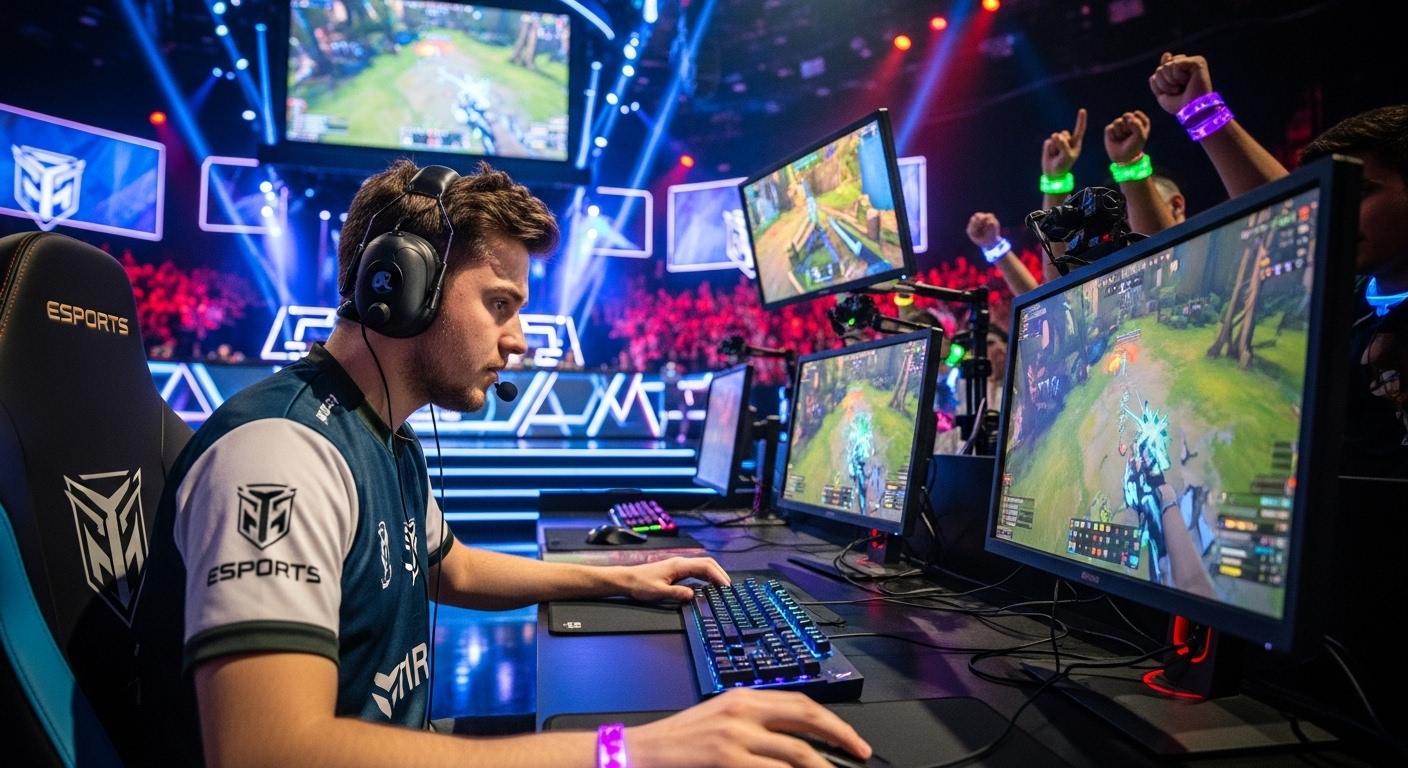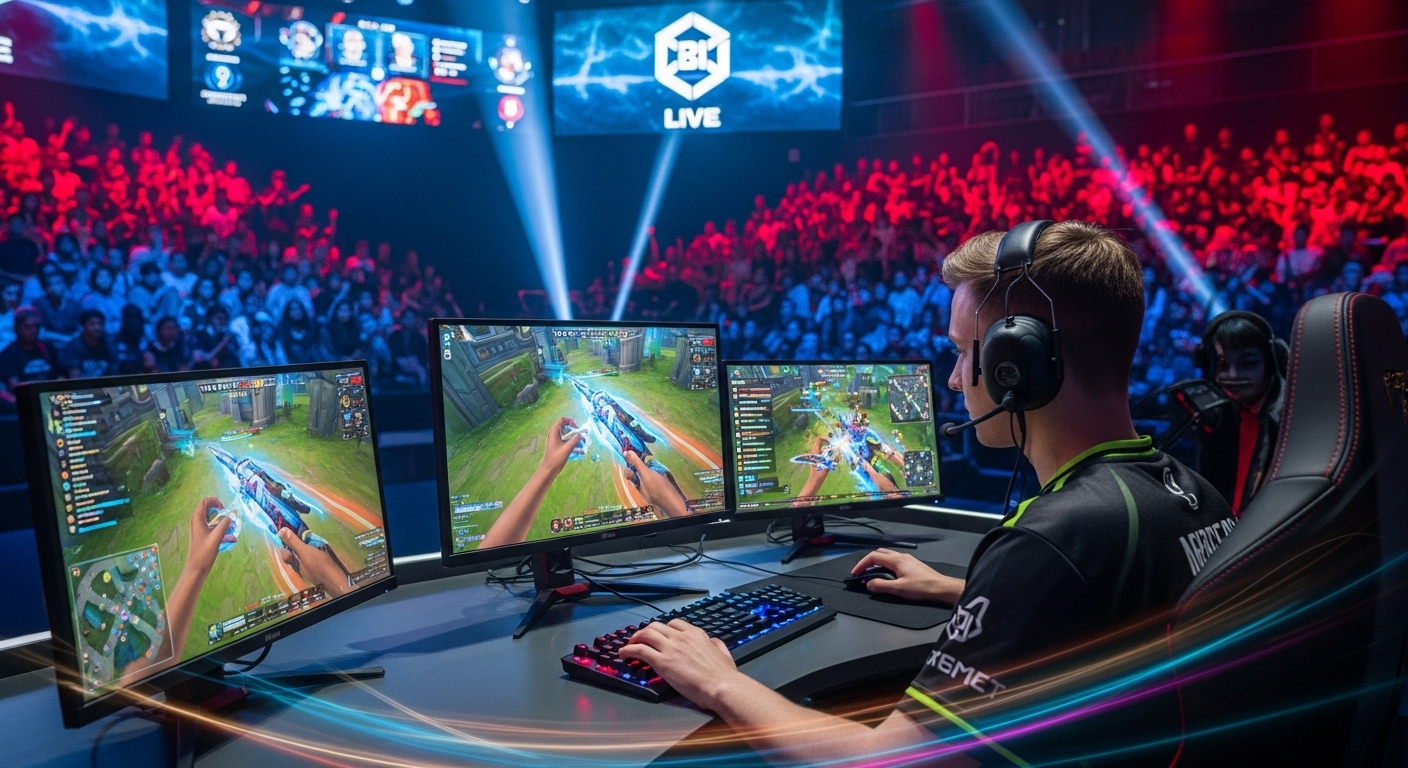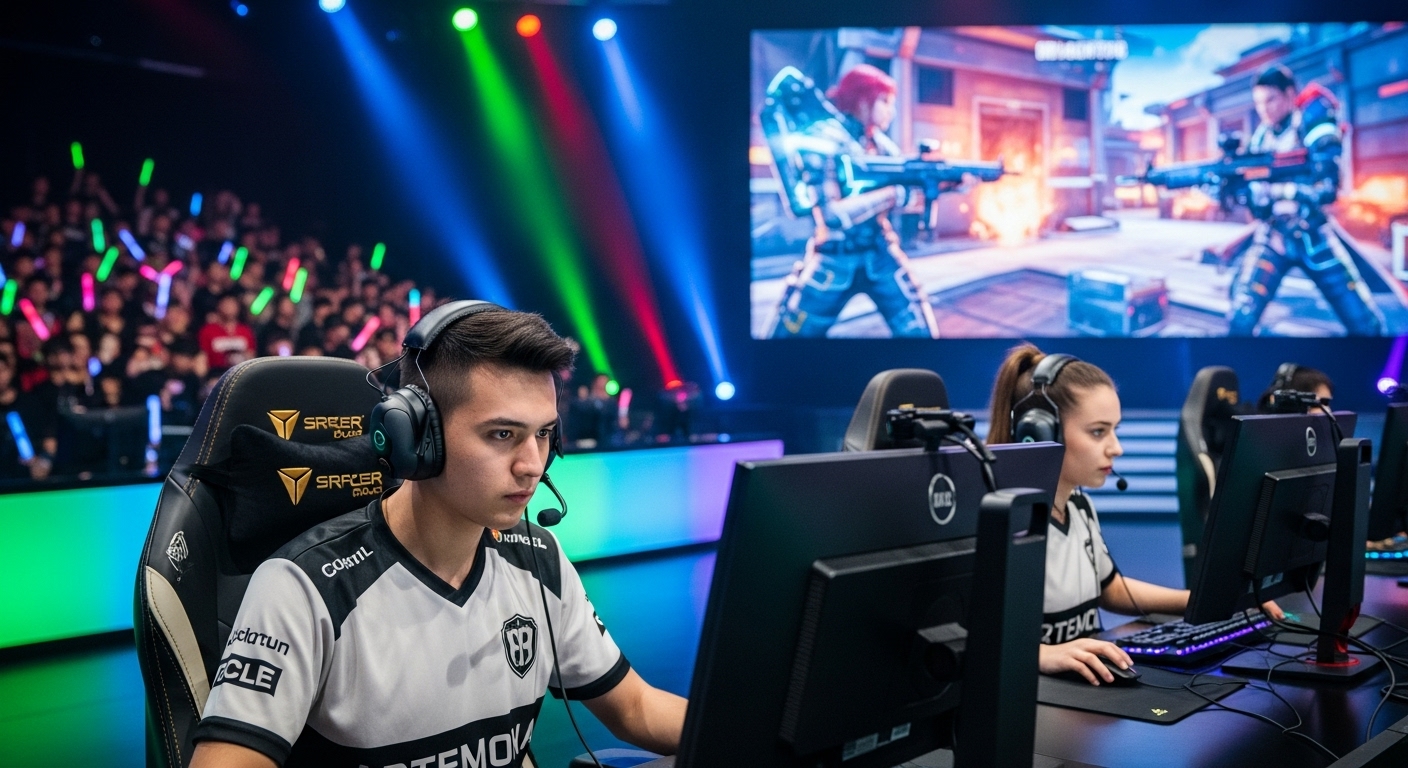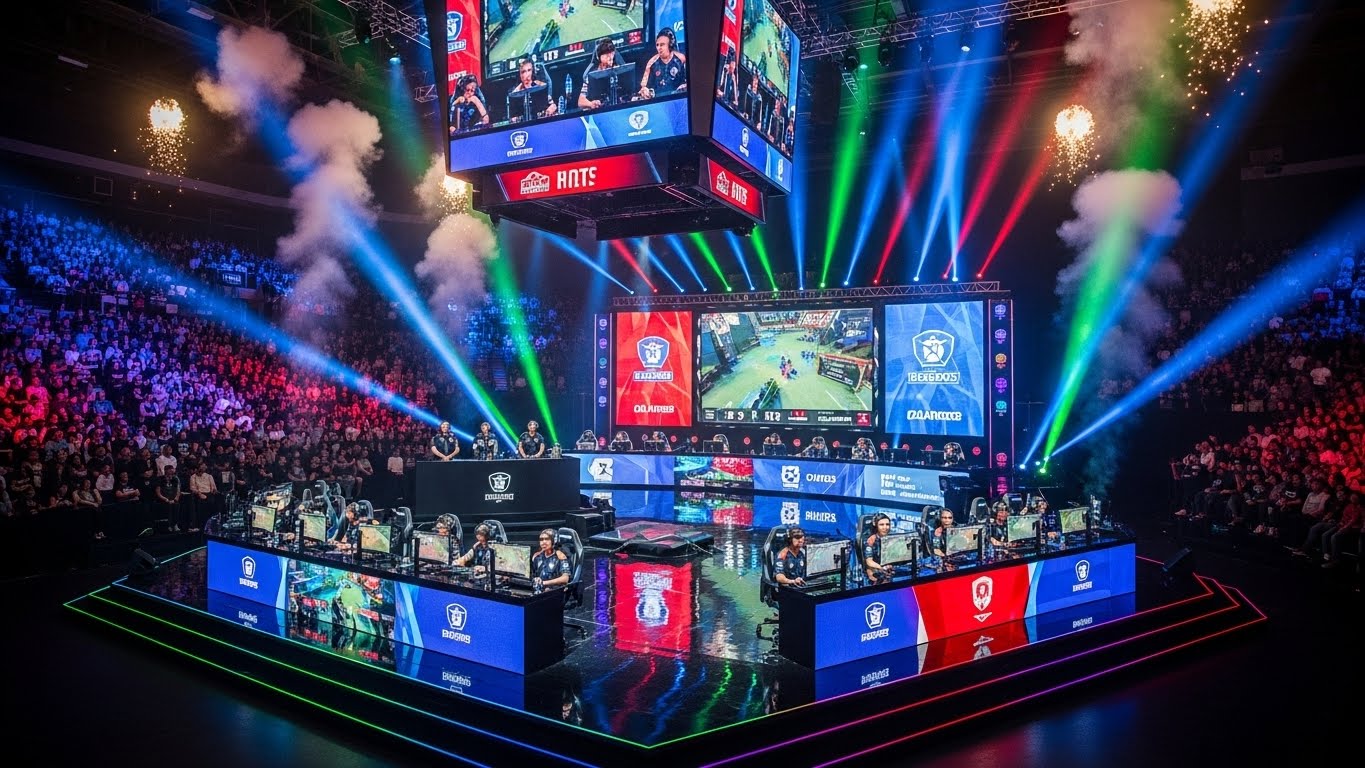
In recent years, the world of competitive gaming has evolved from a niche hobby to a global phenomenon. Esports, or electronic sports, has emerged as a force to be reckoned with, drawing millions of fans, professional players, and big-money sponsors. What was once a pastime for a small group of passionate gamers is now a multi-billion-dollar industry that has transformed the way people view video games, competition, and entertainment as a whole.
Esports has gone from being an underground subculture to becoming a mainstream spectacle with massive arenas, streaming platforms, sponsorship deals, and high-stakes tournaments. In this blog post, we will explore the rise of esports, its cultural impact, and its future in the entertainment landscape.
What Is Esports?
Esports refers to competitive gaming, where individuals or teams compete in organized multiplayer video game tournaments, often for cash prizes or sponsorships. It encompasses a wide range of game genres, from strategy games like League of Legends and Dota 2 to first-person shooters like Counter-Strike: Global Offensive and Overwatch. There are also esports leagues for sports simulation games like FIFA and NBA 2K, as well as mobile games like Clash Royale and PUBG Mobile.
Unlike casual gaming, esports involves a high level of skill, strategy, and teamwork. Professional players dedicate countless hours to mastering their craft, much like athletes in traditional sports. Esports events are often broadcast live to millions of viewers on streaming platforms like Twitch, YouTube, and Facebook Gaming, where fans can watch the action unfold in real time.
The Evolution of Esports
The history of esports dates back to the 1970s and 1980s, when video games were first emerging as a form of entertainment. Early gaming competitions, such as the Space Invaders Championship in 1980, are considered the precursors to modern esports tournaments. However, it wasn’t until the late 1990s and early 2000s that esports began to take shape as an organized, global phenomenon.
One of the key turning points for esports was the launch of StarCraft, a real-time strategy game released in 1998 by Blizzard Entertainment. StarCraft quickly became a favorite among competitive gamers, particularly in South Korea, where it sparked the rise of professional gaming leagues and tournaments. The game’s success paved the way for the establishment of esports teams, sponsors, and broadcast deals, creating a blueprint for future esports success.
In the years that followed, the esports industry grew exponentially, fueled by the rise of online multiplayer gaming, the advent of streaming platforms, and the increasing popularity of esports events. Major game developers like Riot Games (with League of Legends), Valve (with Dota 2), and Blizzard (with Overwatch) created games specifically designed for competitive play, further solidifying esports as a legitimate form of entertainment.
Esports and Its Global Impact
Today, esports is a global industry worth billions of dollars, and its influence extends far beyond just the gaming community. Esports has become a cultural phenomenon, with a massive and diverse fanbase that spans across age groups, countries, and backgrounds. The growth of esports has also brought about significant changes in how we view traditional sports and entertainment.
A New Form of Entertainment
Esports has introduced a new form of entertainment that combines the thrill of competitive sports with the appeal of video games. Much like traditional sports leagues such as the NFL or NBA, esports now features professional players, coaches, analysts, and commentators, creating an entire ecosystem around the competition. Major tournaments like The International (Dota 2’s annual championship) and League of Legends World Championship attract millions of viewers, filling stadiums and arenas with fans who cheer for their favorite teams and players.
Esports events are also streamed online, allowing fans from all over the world to tune in. Platforms like Twitch and YouTube Gaming have become the primary outlets for watching esports, with millions of viewers tuning in to watch professional matches, tournaments, and even casual streams by popular gamers. The ability to interact with players and fellow fans through live chats and social media adds another layer of engagement to the esports experience.
Cultural Integration
Esports has become an integral part of modern pop culture. As gaming continues to shed its “nerdy” stigma, it has become mainstream entertainment. Esports has attracted a wide range of celebrities, musicians, and influencers who endorse teams or participate in charity tournaments, further blurring the lines between gaming and traditional entertainment.
Companies outside the gaming industry have also recognized the power of esports. Major brands such as Coca-Cola, Intel, and Nike have partnered with esports organizations and events, realizing that the gaming community is a lucrative and influential audience. Esports athletes, once considered hobbyists, are now seen as legitimate celebrities, with sponsorships, endorsement deals, and social media followings that rival those of traditional sports stars.
Education and Career Opportunities
Esports has also opened up new career pathways for individuals interested in gaming. While being a professional gamer is the most obvious career path, the industry also offers opportunities in areas such as game design, broadcasting, event management, marketing, and team management. Colleges and universities now offer esports scholarships, and some even have dedicated esports programs that teach students the skills they need to succeed in the industry.
Furthermore, esports has paved the way for a new form of digital education. Online platforms, such as MasterClass and Gamer Sensei, offer coaching and tutorials for aspiring esports players. This makes it easier for individuals to turn their passion for gaming into a professional career, whether it’s through becoming a player, a coach, or an esports analyst.
The Growth of Esports Tournaments
One of the driving forces behind the rise of esports is the popularity of major tournaments. These events are often the culmination of months or even years of competition, bringing together the best players and teams from around the world. The prize pools for these tournaments have reached staggering amounts, with some events offering millions of dollars in prize money.
For example, The International 2021 (the Dota 2 championship) had a prize pool of over $40 million, making it one of the largest prize pools in the history of esports. Similarly, League of Legends World Championship draws massive viewership and boasts a prize pool of several million dollars each year. These tournaments not only reward players for their skills but also provide entertainment for fans who tune in to watch the action unfold.
Esports tournaments are held in major arenas, often with thousands of fans attending in person. The atmosphere at these events is electric, with spectators cheering for their favorite teams, waving banners, and even cosplaying as their favorite characters from the games. The live event experience is similar to that of traditional sports, with a strong sense of camaraderie and excitement in the air.
The Future of Esports
As esports continues to grow, its future looks brighter than ever. The industry is projected to surpass $1.5 billion in revenue by 2023, driven by sponsorships, media rights, merchandise sales, and ticket sales. Esports will likely become an even more integrated part of mainstream entertainment, with more and more people tuning in to watch competitions, whether in person or online.
The future of esports will also see an increase in the convergence of traditional sports and gaming. We are already seeing traditional sports leagues like the NBA and NFL investing in esports, either by creating their own leagues or sponsoring existing ones. The rise of virtual reality (VR) and augmented reality (AR) technologies could also revolutionize the way esports are played and watched, offering a more immersive experience for both players and fans.
Furthermore, the increasing popularity of mobile gaming could bring esports to a new audience. Mobile esports tournaments, particularly in games like PUBG Mobile, Free Fire, and Arena of Valor, are gaining traction in regions like Southeast Asia and Latin America, where mobile devices are more prevalent than high-end gaming PCs or consoles.
Conclusion
Esports is no longer just a pastime for a small group of gamers—it’s a global industry that has captured the imagination of millions of people around the world. From professional players and coaches to fans and sponsors, esports has created a thriving ecosystem that has reshaped the entertainment landscape. As technology continues to advance and gaming becomes even more integrated into our daily lives, the future of esports looks incredibly promising.
Whether you’re a casual gamer or an avid esports fan, it’s clear that competitive gaming is here to stay. The rise of esports has not only changed the way we play games but also the way we consume entertainment, interact with others, and view competition itself. The next generation of gamers and esports enthusiasts will continue to push the boundaries of what’s possible, ensuring that esports remains one of the most exciting and dynamic industries in the world.