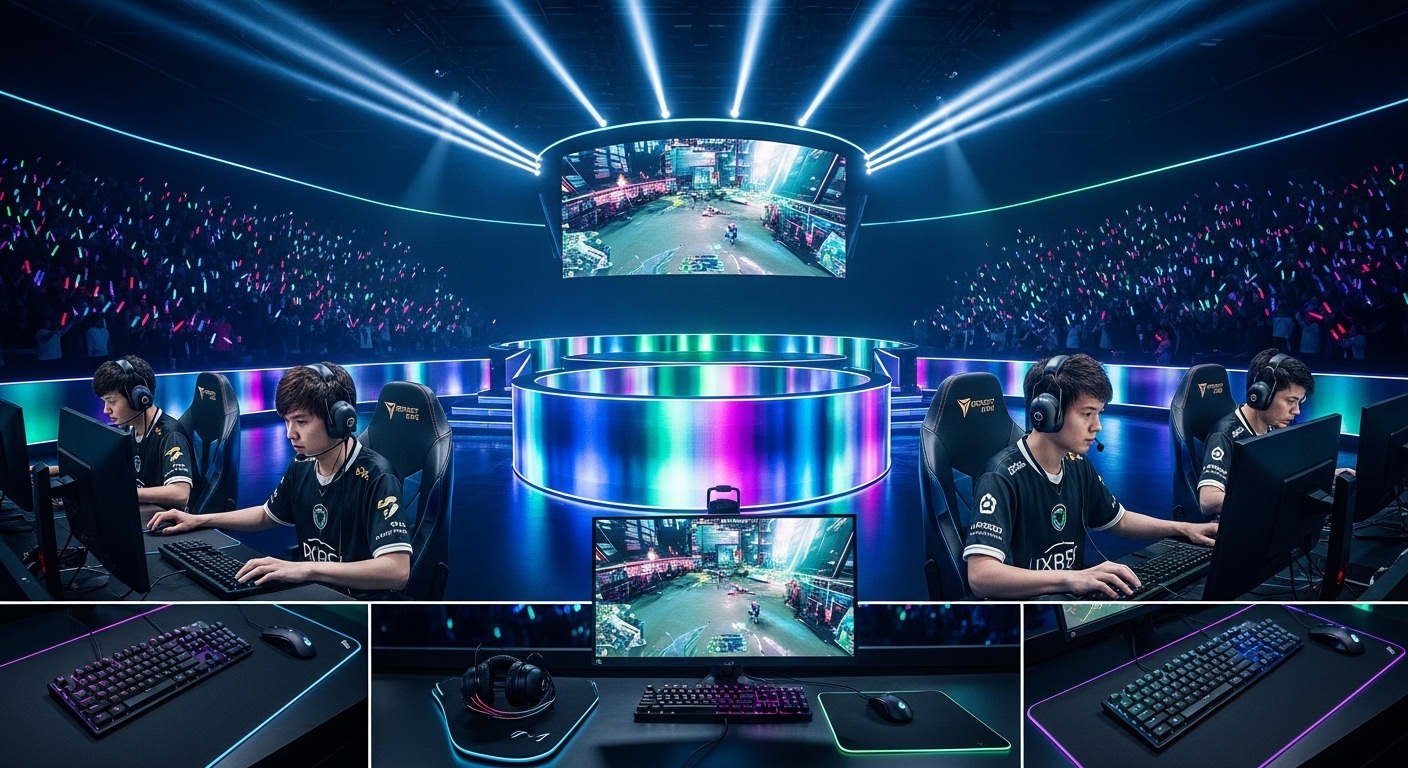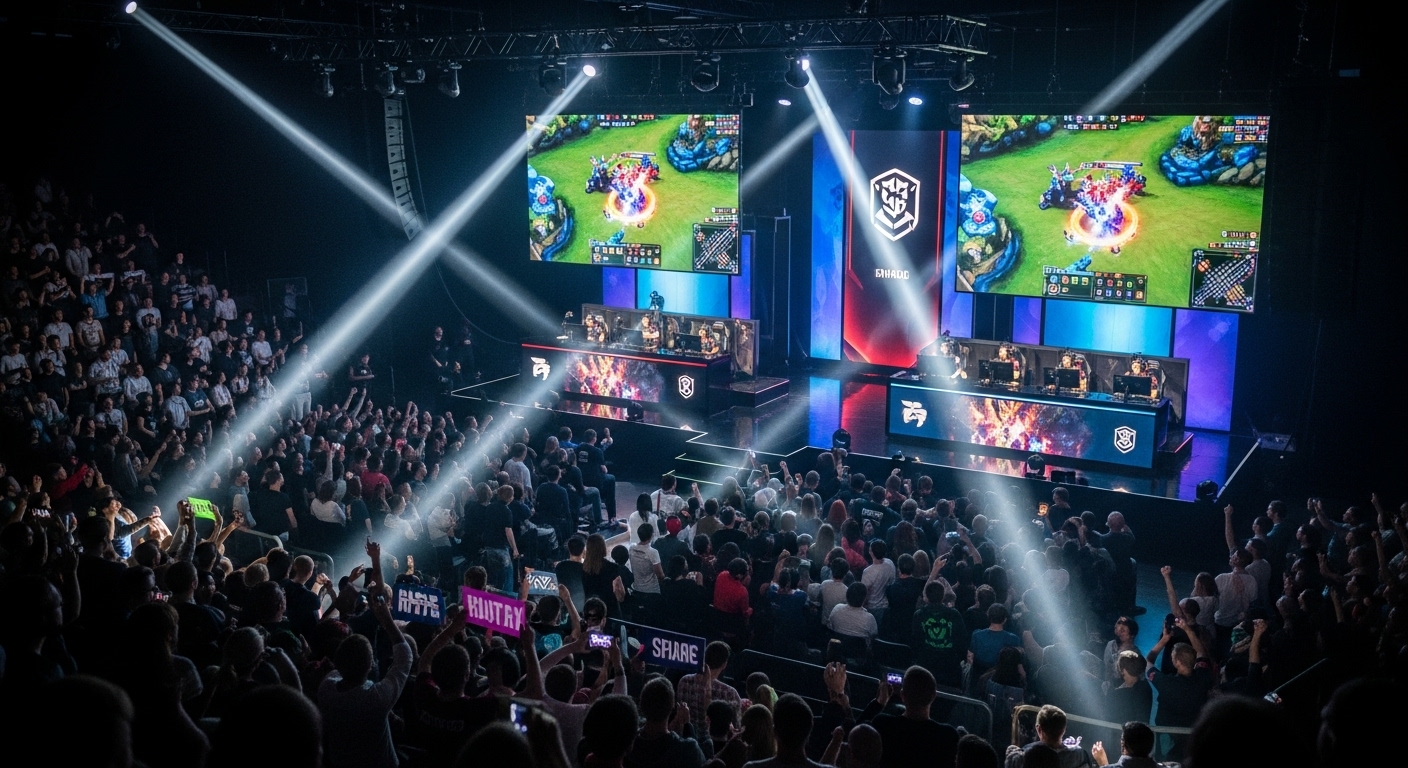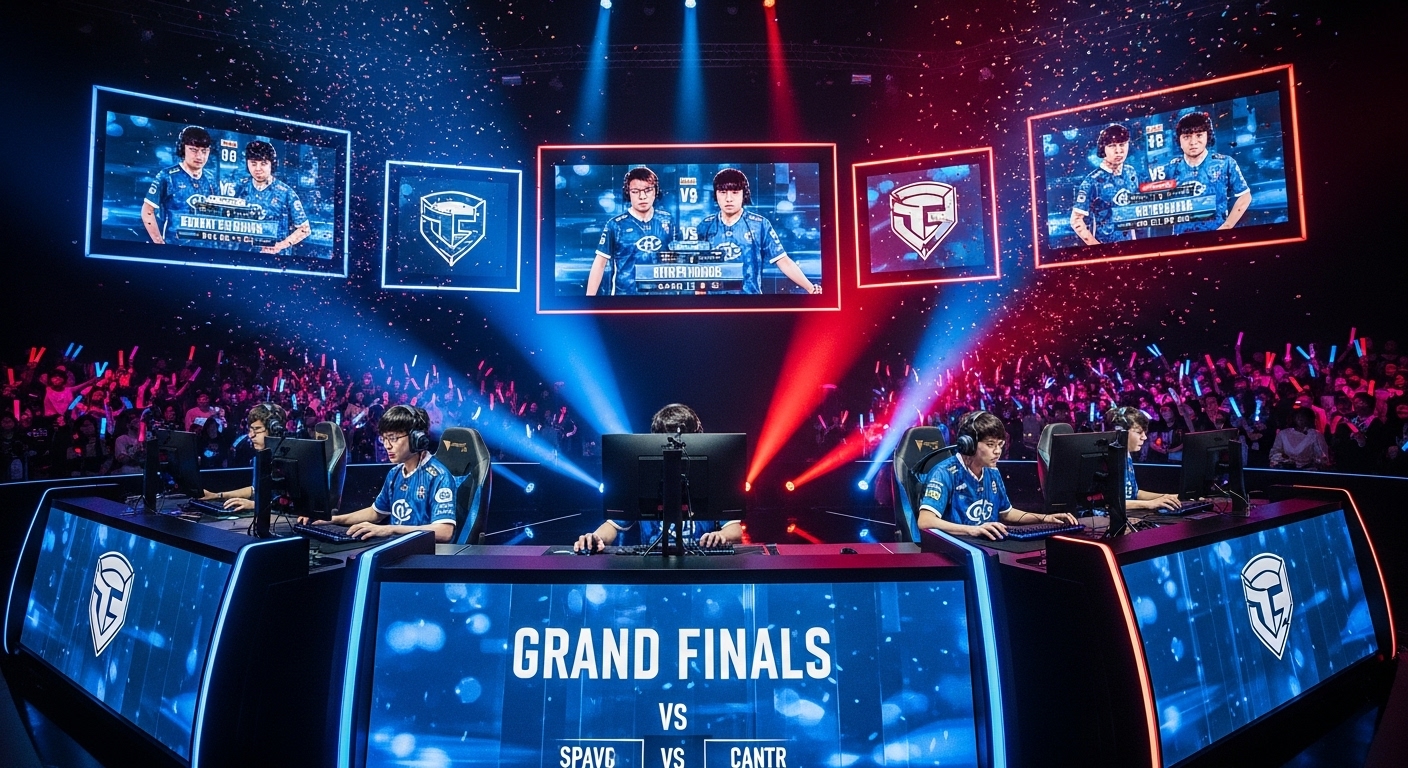
Esports, or electronic sports, has evolved from a niche hobby into a multi-billion-dollar industry, reshaping how we view entertainment, competition, and even careers. The phenomenon has grown rapidly over the last two decades, attracting millions of players, fans, and investors worldwide. What started as a way for gamers to compete in local tournaments has now become a global spectacle with professional leagues, large-scale events, and a growing fanbase that rivals traditional sports. In this blog, we’ll explore the evolution of esports, its cultural impact, and what the future holds for this ever-growing industry.
The Early Days: From Arcade Games to LAN Parties
Esports didn’t emerge overnight. The foundation for the competitive gaming landscape we see today was laid back in the 1970s and 1980s when video games like Pong and Space Invaders first captured public attention. The first documented esports event took place in 1972 at Stanford University. The competition, called the Intergalactic Spacewar Olympics, was a tournament for the game Spacewar. While this event might seem trivial by today’s standards, it marked the first instance of a competitive gaming environment that would later expand to global stages.
In the 1990s, the rise of personal computers and internet connectivity paved the way for the first major esports tournaments. LAN (Local Area Network) parties became popular as gamers gathered in physical spaces to compete against each other, often for fun and bragging rights. Popular games like Quake, StarCraft, and Warcraft became staples in the gaming community, setting the stage for competitive gaming to flourish.
The late ’90s and early 2000s saw the emergence of online gaming platforms such as Battle.net, Xbox Live, and Steam, which allowed players to compete on a global scale from the comfort of their own homes. While early competitions were often informal, they ignited a spark that would eventually grow into the esports phenomenon we know today.
The Rise of Professional Leagues
The 2000s marked the beginning of esports’ transformation into a professional industry. Major game developers like Blizzard Entertainment and Valve Corporation recognized the potential for esports and began to support competitive play through official leagues and tournaments.
In 2000, Blizzard launched the World Cyber Games (WCG), one of the first global esports events. WCG, alongside other early events such as the Electronic Sports World Cup (ESWC), helped establish esports as a competitive discipline. These tournaments attracted players from all over the world, offering substantial prize money and recognition. Around the same time, games like Counter-Strike, Warcraft III, and StarCraft: Brood War were becoming staples in the competitive gaming scene.
One of the most significant milestones in the evolution of esports came in 2011, with the creation of League of Legends (LoL) by Riot Games. LoL quickly became one of the most popular esports titles in the world. Riot Games’ commitment to professionalizing the esports scene, including creating the League of Legends World Championship and supporting regional leagues, set a new standard for how games could be played professionally.
In addition to League of Legends, other games like Dota 2, Counter-Strike: Global Offensive, and Overwatch began to establish dedicated professional leagues, many with multimillion-dollar prize pools and sponsorships from major global brands. This professionalization not only increased the legitimacy of esports but also attracted mainstream media coverage, further cementing its place in the global entertainment landscape.
The Esports Economy: Sponsors, Advertisers, and Revenue Streams
As esports grew in popularity, so did its economic potential. Today, esports is a billion-dollar industry, with diverse revenue streams coming from sponsorships, advertising, media rights, merchandise, and ticket sales.
Sponsorships have been a critical component of esports’ financial success. Major brands, ranging from tech companies like Intel and AMD to consumer goods giants like Coca-Cola and Red Bull, have signed sponsorship deals with esports organizations, teams, and tournaments. These partnerships provide financial support and also serve as an avenue for companies to reach younger, tech-savvy audiences.
Advertising is another key revenue stream for the esports ecosystem. Streaming platforms like Twitch, YouTube Gaming, and Facebook Gaming have become essential to the growth of esports by providing a platform for fans to watch live streams of tournaments and gameplay. These platforms sell ad space, attracting brands looking to engage with esports’ growing viewership.
Media rights have become increasingly important, with companies like ESPN, YouTube, and even mainstream networks like TBS and BBC broadcasting esports events. The expansion of media rights has given esports more visibility, allowing it to reach a wider audience beyond gamers. This has resulted in millions of fans watching esports tournaments live on TV or streaming platforms.
Merchandise and ticket sales are also significant revenue drivers. Esports teams often have dedicated fanbases who buy branded jerseys, hats, and other memorabilia. Major tournaments, like The International (Dota 2) and the League of Legends World Championship, sell out stadiums and offer tickets for fans to attend live events, which generates millions in revenue.
The Global Appeal of Esports
Esports is no longer a niche subculture confined to a particular region or demographic. It has become a truly global phenomenon, attracting fans from all corners of the world. What makes esports unique is its ability to transcend geographic boundaries and bring people together through shared passion for gaming.
Countries like South Korea, China, and the United States have become major hubs for competitive gaming. South Korea, in particular, has been a pioneer in developing the esports scene, with games like StarCraft and League of Legends becoming national pastimes. Esports is even recognized as an official sport by the South Korean government, and the country has produced some of the best players in the world.
In China, esports has grown into a massive industry, supported by a thriving gaming culture and a huge pool of talented players. Major Chinese companies like Tencent have invested heavily in esports, helping fuel the country’s rise as one of the largest markets for gaming and esports.
In the United States, esports has seen a surge in popularity over the past decade. Organizations like Cloud9, Team Liquid, and FaZe Clan have become household names, with American-based players dominating international competitions. The U.S. is also home to some of the largest esports events, including EVO, DreamHack, and BlizzCon.
While Western markets have seen explosive growth in esports, the appeal of gaming is global. The accessibility of online gaming and the universal nature of many esports titles have enabled players from countries across Europe, South America, and even Southeast Asia to compete at the highest levels.
The Future of Esports: New Frontiers and Challenges
Esports is still in its infancy, and its future holds vast potential. As technology continues to evolve, esports will likely become even more immersive and widespread. Some potential developments in the future of esports include:
Virtual Reality and Augmented Reality
The integration of Virtual Reality (VR) and Augmented Reality (AR) into esports could offer a completely new gaming experience. VR gaming, which allows players to step into fully immersive digital environments, could lead to the development of new esports genres. Imagine competing in a VR version of Counter-Strike or League of Legends where players interact in a fully immersive 3D space.
College Esports Programs
In the U.S., universities are beginning to recognize the value of esports as both an entertainment industry and a potential career path. Many schools are establishing esports programs, complete with scholarships, training facilities, and competitive teams. This development will likely result in a new generation of esports professionals and fans, further solidifying esports as a legitimate career path.
Global Expansion and Inclusivity
Esports is expected to continue its global expansion, with emerging markets in regions like Africa and the Middle East providing new opportunities for growth. Additionally, inclusivity will likely become an even more significant focus as the esports community continues to work toward making the space more welcoming for women, people of color, and underrepresented groups.
Integration with Traditional Sports
The lines between traditional sports and esports are becoming increasingly blurred. We’ve already seen traditional sports organizations like the Dallas Cowboys and Manchester City investing in esports teams. Furthermore, esports events are being held alongside major sporting events such as the Asian Games. It’s not out of the question that esports may eventually be included in the Olympics.
Conclusion: A New Era of Entertainment
Esports has firmly established itself as a cultural and economic force in the global entertainment landscape. What began as a niche hobby has transformed into a massive industry that continues to shape the future of gaming, sports, and entertainment. As esports continues to evolve, it will likely attract even more fans, players, and sponsors, further blurring the lines between traditional sports and the digital world. With its incredible growth, dedicated communities, and diverse revenue streams, esports is poised to become one of the most prominent entertainment sectors of the 21st century.