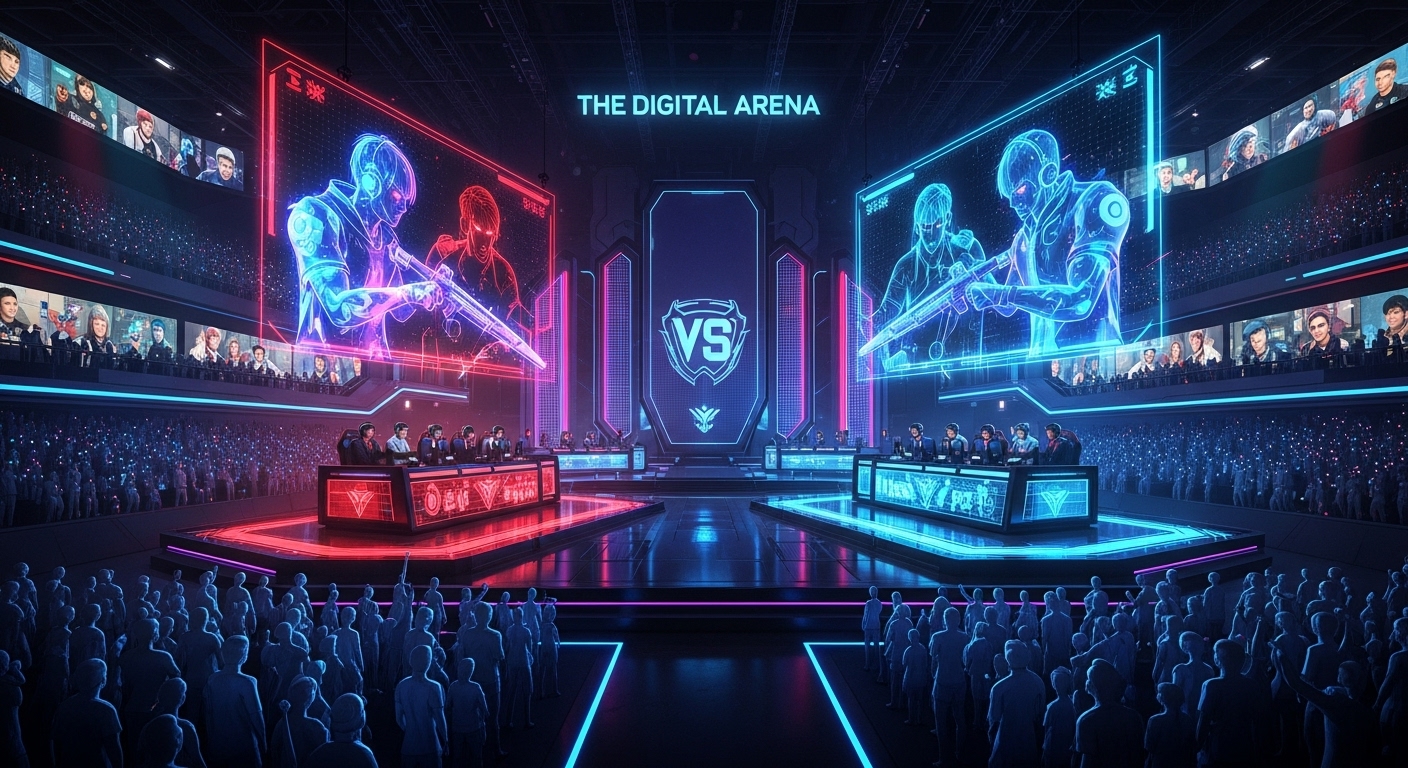
Esports, short for electronic sports, has grown from a niche interest into a global phenomenon. Once considered a hobby enjoyed by a small group of gamers, esports now represents a multi-billion-dollar industry that attracts millions of viewers, sponsors, and players worldwide. The rise of competitive gaming has not only reshaped the landscape of traditional sports but has also introduced a new form of entertainment that connects people across the globe. In this post, we’ll explore the evolution of esports, its impact on the gaming community, and how it has become a major player in the entertainment world.
The Early Days: A New Frontier in Gaming
Esports has its roots in the early days of video gaming. In the 1970s and 1980s, arcade games like Space Invaders and Pong were the first to bring people together in competitive settings. While these games didn’t feature the high-level strategies or player skillsets we associate with modern esports, they laid the groundwork for competitive play.
By the late 1990s and early 2000s, PC gaming saw rapid growth, and games like StarCraft, Quake, and Counter-Strike were introduced, providing a platform for competitive gaming. LAN (Local Area Network) tournaments became the norm, where players would gather at physical locations to compete in person. These events, while relatively small in scale compared to today’s competitions, were the first true “esports” tournaments.
The Electronic Sports World Cup (ESWC), founded in 2003, was one of the first attempts to structure and formalize competitive gaming. The early 2000s also saw the creation of esports organizations and teams, setting the stage for what would become a booming industry.
Growth and Professionalization
The real transformation of esports into a legitimate industry came in the late 2000s and early 2010s. Key factors such as the advancement of internet speeds, the rise of streaming platforms like Twitch, and the increasing popularity of multiplayer games paved the way for esports to become a mainstream entity.
The introduction of highly competitive games like League of Legends, Dota 2, and Overwatch marked a new era for esports. These games offered complex strategies, diverse characters, and team-based dynamics, which attracted a wide range of players and spectators. The ability to stream these games on platforms like Twitch allowed esports events to be broadcast to a global audience in real-time, creating a sense of community around professional gaming.
As the popularity of esports continued to soar, established brands and companies began to take notice. Tech companies like Intel, NVIDIA, and Razer began sponsoring tournaments, while major traditional sports networks such as ESPN started airing esports events. In 2014, Riot Games, the developer behind League of Legends, solidified esports as a serious business with the creation of the League of Legends Championship Series (LCS). This tournament was the first of its kind to offer salaries, sponsorship deals, and prize money to its players.
The Mechanics of Esports: More Than Just Gaming
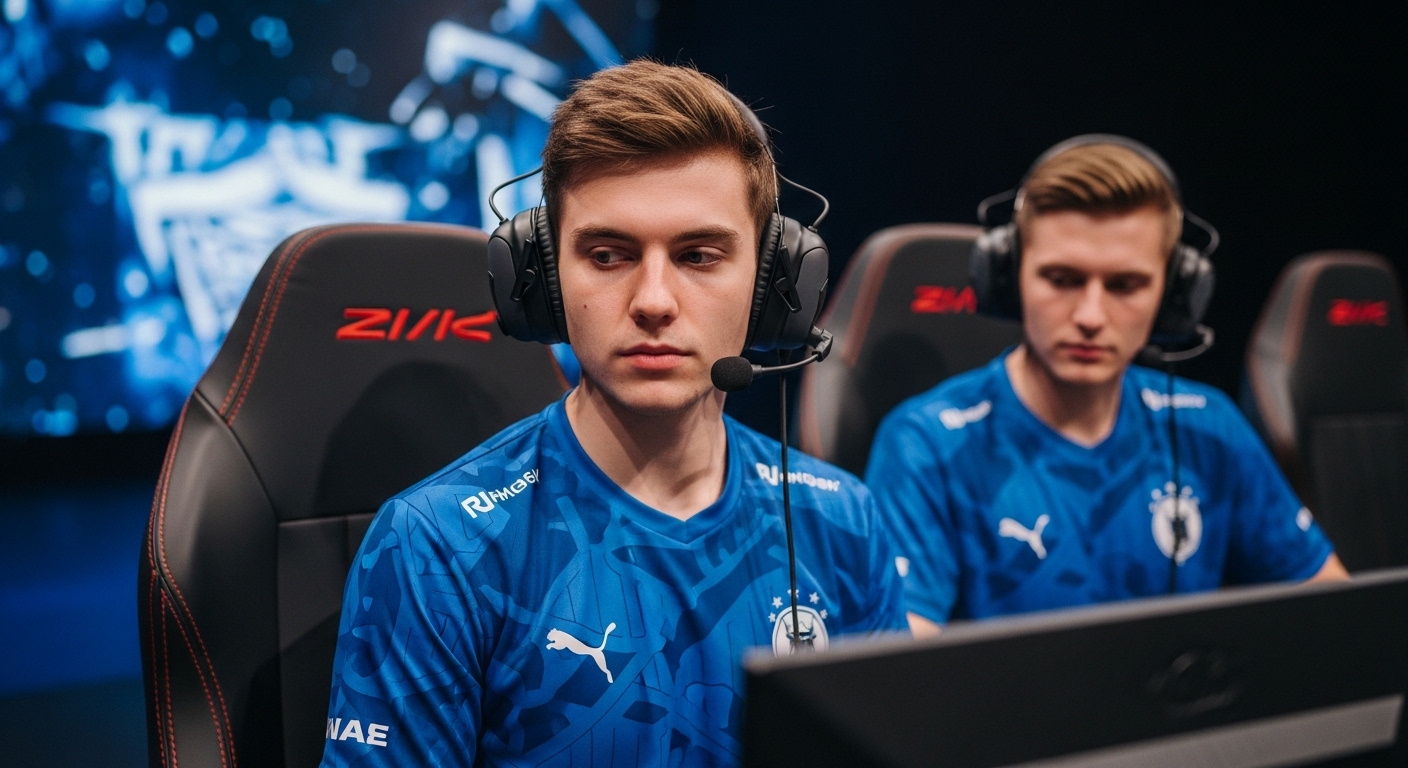
Esports is not just about playing video games at a high level; it is a multifaceted industry that requires coordination, strategy, and dedication. Players must hone their mechanical skills and reflexes, which often requires hours of practice. But success in esports is not solely dependent on individual skill. Teamwork, communication, and in-game strategies are just as crucial for success.
Unlike traditional sports, where physical abilities are paramount, esports focuses on mental agility and reaction time. Professional esports players are often seen as athletes, as they need to stay sharp, maintain focus, and perform under immense pressure. Many players follow strict training regimens, involving not only in-game practice but also physical fitness routines to maintain their mental and physical health.
Beyond the players, esports also involves a network of coaches, analysts, managers, broadcasters, and content creators. Esports organizations invest in the development of their teams and players, providing coaching, psychological support, and even lifestyle management to help players perform at their best. The rise of streaming platforms like Twitch and YouTube Gaming has also turned players and influencers into celebrities, further blurring the lines between gaming and mainstream entertainment.
Esports and the Global Audience
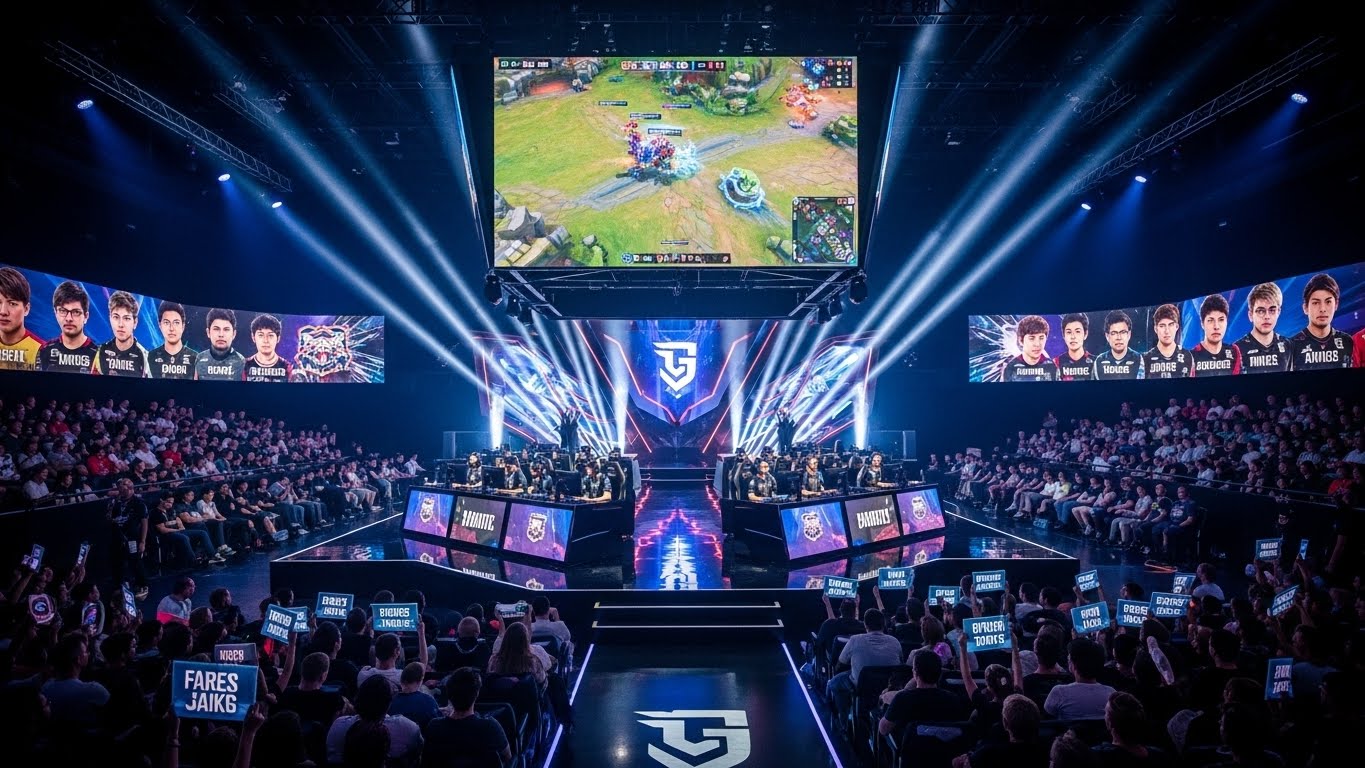
One of the defining characteristics of esports is its global reach. With the advent of online multiplayer games, players from all corners of the world can compete in tournaments, forming a truly international scene. Major events such as the League of Legends World Championship, The International (Dota 2), and the Overwatch League attract millions of viewers, with some tournaments offering prize pools in the tens of millions of dollars.
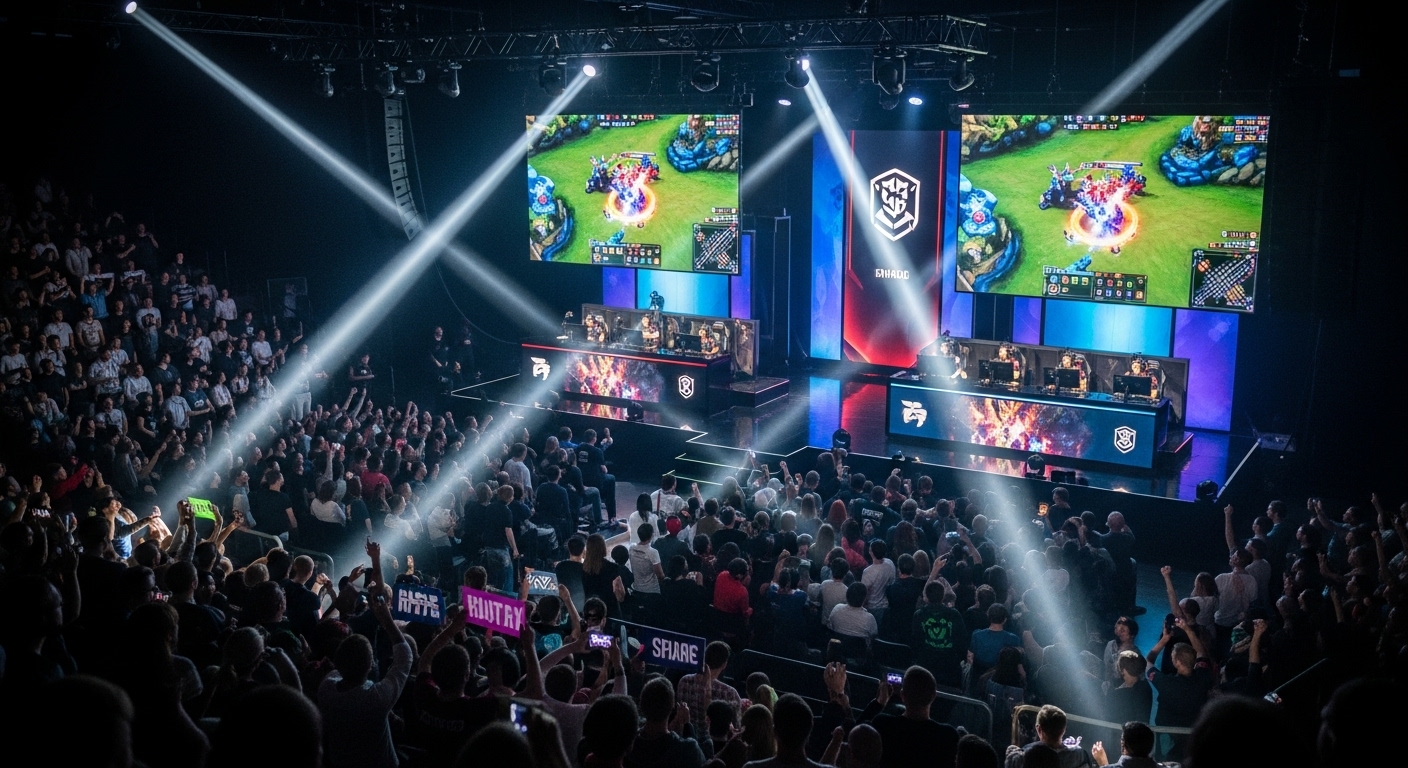
Esports has created a unique form of entertainment that transcends geographical boundaries. The ability to watch live tournaments from anywhere in the world, and even engage with players and teams through social media, has fostered a sense of belonging within the esports community. Fans follow their favorite teams, support players through merchandise and social media, and cheer them on in live streams and events.
In addition, esports has created a new avenue for sponsorships, marketing, and advertising. Global brands such as Coca-Cola, Red Bull, and Mercedes-Benz have partnered with esports events and teams, recognizing the potential of reaching a younger, tech-savvy audience. The commercial success of esports has opened up new revenue streams, including ticket sales, merchandise, and media rights, making it a major force in the entertainment and sports industries.
The Evolution of Esports Ecosystem
Esports has evolved from grassroots tournaments to a highly organized ecosystem with a diverse range of stakeholders. At the heart of this ecosystem are the game developers, who create the games that power the esports scene. These companies not only design the games but also manage the competitive formats, ensuring a fair and balanced environment for players and teams.
The emergence of esports leagues, like the Overwatch League, has added another layer of structure to the competitive gaming scene. These leagues feature professional teams representing cities, similar to traditional sports leagues like the NFL or NBA. Teams compete throughout the season, with the goal of reaching playoffs and securing championships. This system has brought esports closer to traditional sports in terms of organizational structure, player salaries, sponsorships, and media exposure.
Moreover, esports is no longer just about the games themselves. It has expanded into related sectors such as content creation, merchandising, and even gaming-inspired fashion. Major companies now produce esports-themed clothing lines, while content creators on YouTube and Twitch make a living by broadcasting their gameplay or providing commentary on esports events. The symbiotic relationship between players, content creators, and organizations has led to a flourishing industry that encompasses many aspects of modern entertainment.
Challenges Facing the Esports Industry
Despite its rapid growth, esports is not without its challenges. One of the most significant issues is the sustainability of esports careers. While top players can earn substantial salaries and prize money, the vast majority of players struggle to make a living from esports alone. The career span of an esports athlete is also relatively short compared to traditional athletes, with many players retiring in their mid-20s due to physical strain or a lack of opportunities for advancement.
Another challenge is the lack of regulation in some aspects of the industry. Unlike traditional sports, where there are established governing bodies that enforce rules, esports is still in its formative stages when it comes to regulation. Issues such as cheating, match-fixing, and player burnout are concerns that need to be addressed to ensure the long-term health of the esports ecosystem.
Additionally, as esports continues to grow, the pressure to maintain viewer engagement and sponsorship deals intensifies. In order to keep fans interested, tournament organizers must continuously innovate, offering new formats, exciting storylines, and improved viewing experiences. The introduction of virtual and augmented reality could play a role in the future of esports, providing a more immersive experience for viewers and players alike.
The Future of Esports
The future of esports looks incredibly promising. As the industry continues to grow, the opportunities for players, teams, and organizations will only increase. Esports is set to become an integral part of mainstream entertainment, with more investors, broadcasters, and advertisers recognizing its value. The rise of virtual reality and augmented reality could also usher in a new era for esports, with even more immersive and interactive experiences for both players and fans.
Moreover, the increasing integration of esports into education and universities is another exciting development. Many colleges and universities now offer esports scholarships, allowing students to pursue both their academic and competitive gaming dreams. This shift is helping to legitimize esports as a career path, offering young gamers a route to success beyond just streaming or content creation.
Esports is here to stay, and it’s likely to evolve in ways we can’t even predict. With the support of both fans and major industry stakeholders, esports will continue to thrive as a global cultural force, redefining entertainment as we know it.
Conclusion
From its humble beginnings in arcades to becoming a global industry worth billions of dollars, esports has proven itself as a major player in the world of entertainment. It has attracted millions of fans, created new career opportunities, and even inspired traditional sports organizations to explore the potential of competitive gaming. As the industry continues to evolve, one thing is certain: esports will only continue to grow in prominence, shaping the future of entertainment for generations to come.