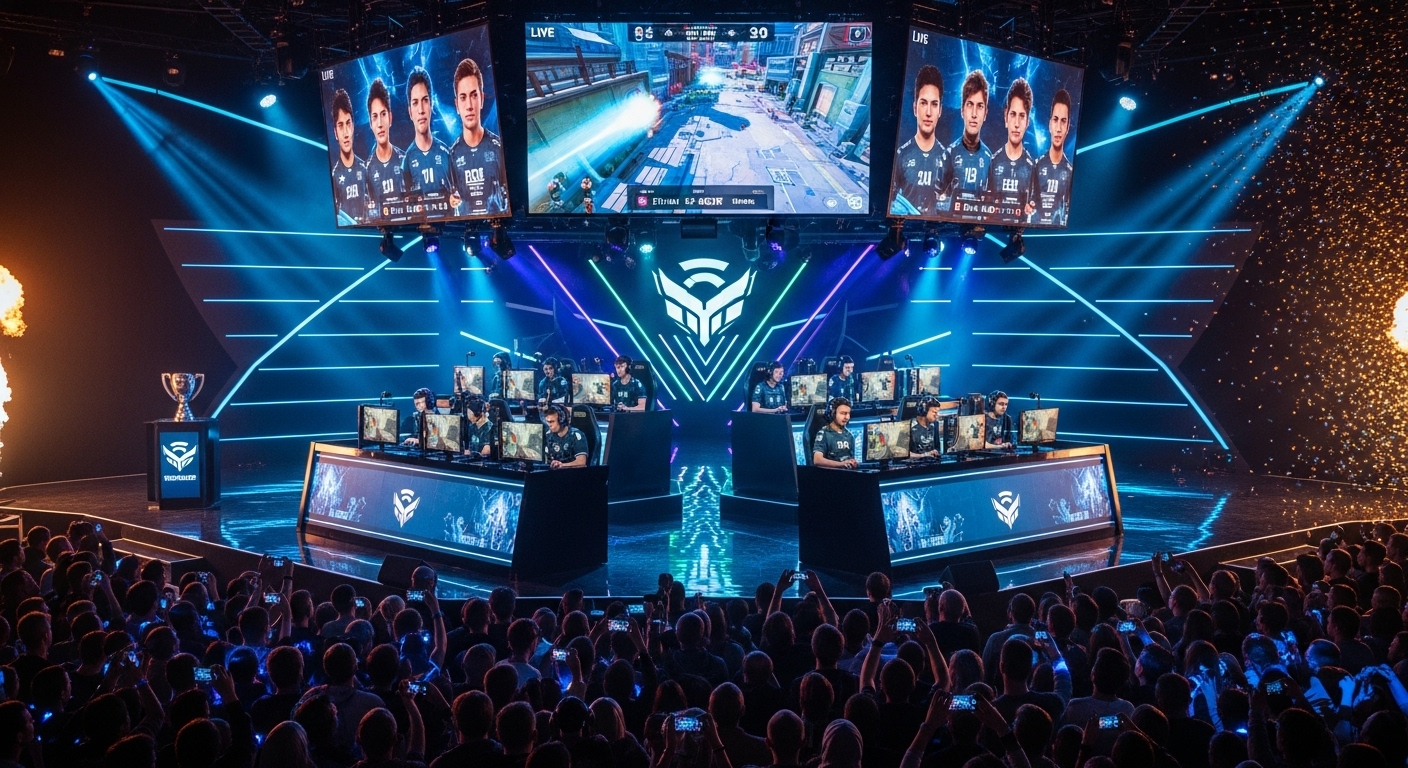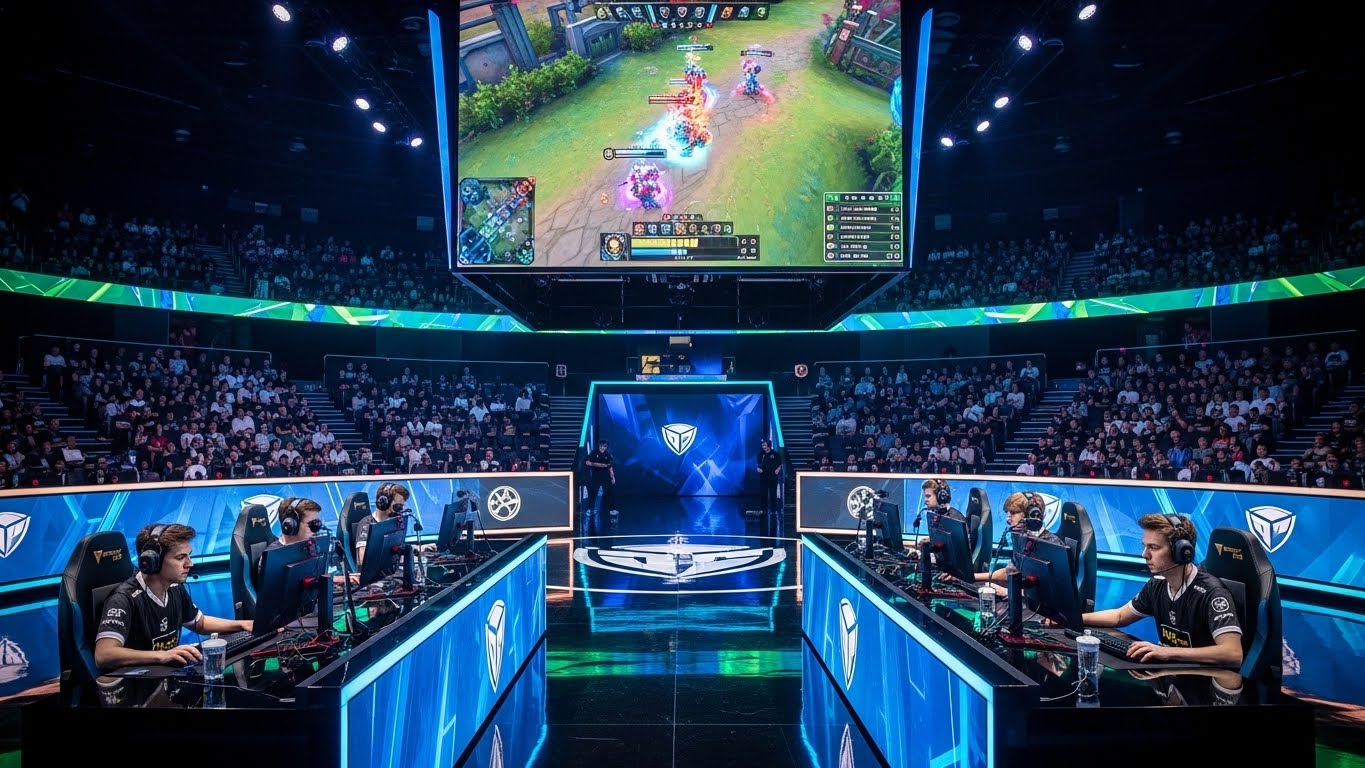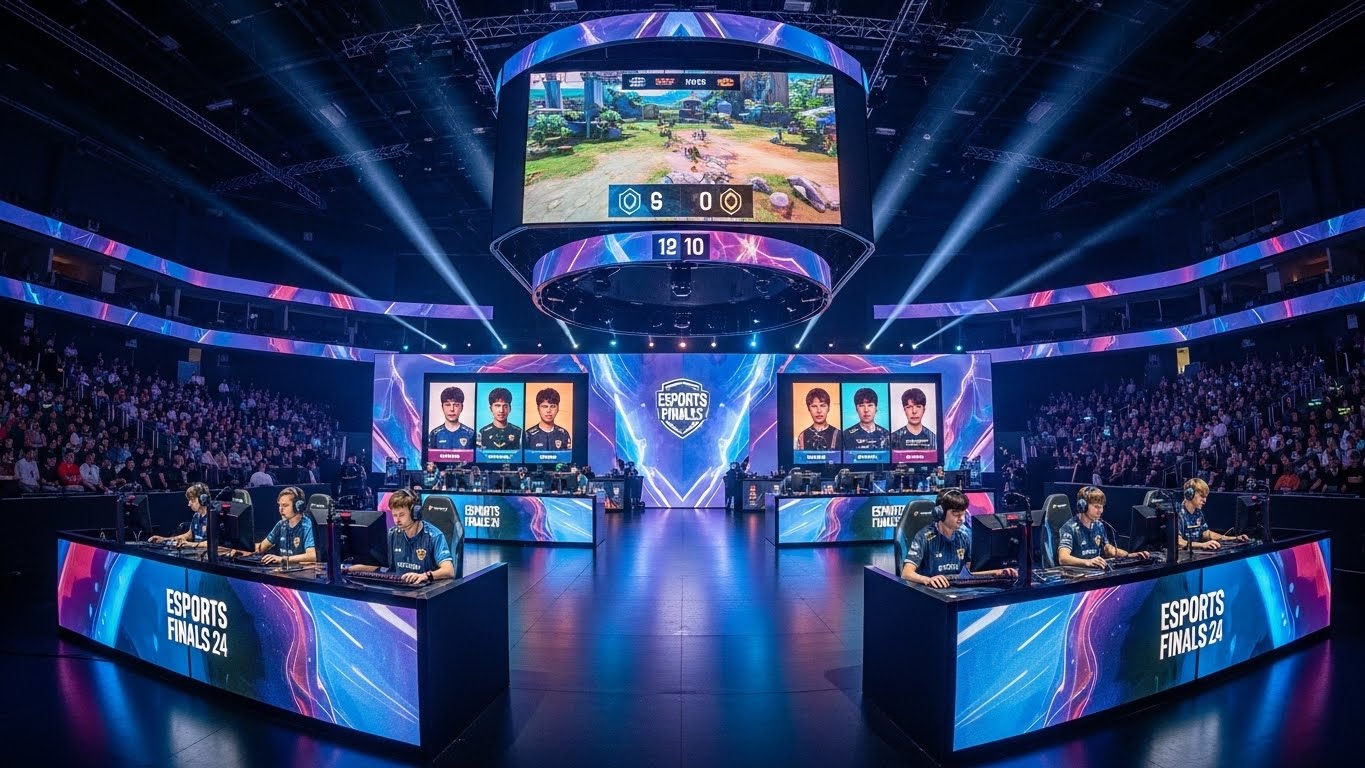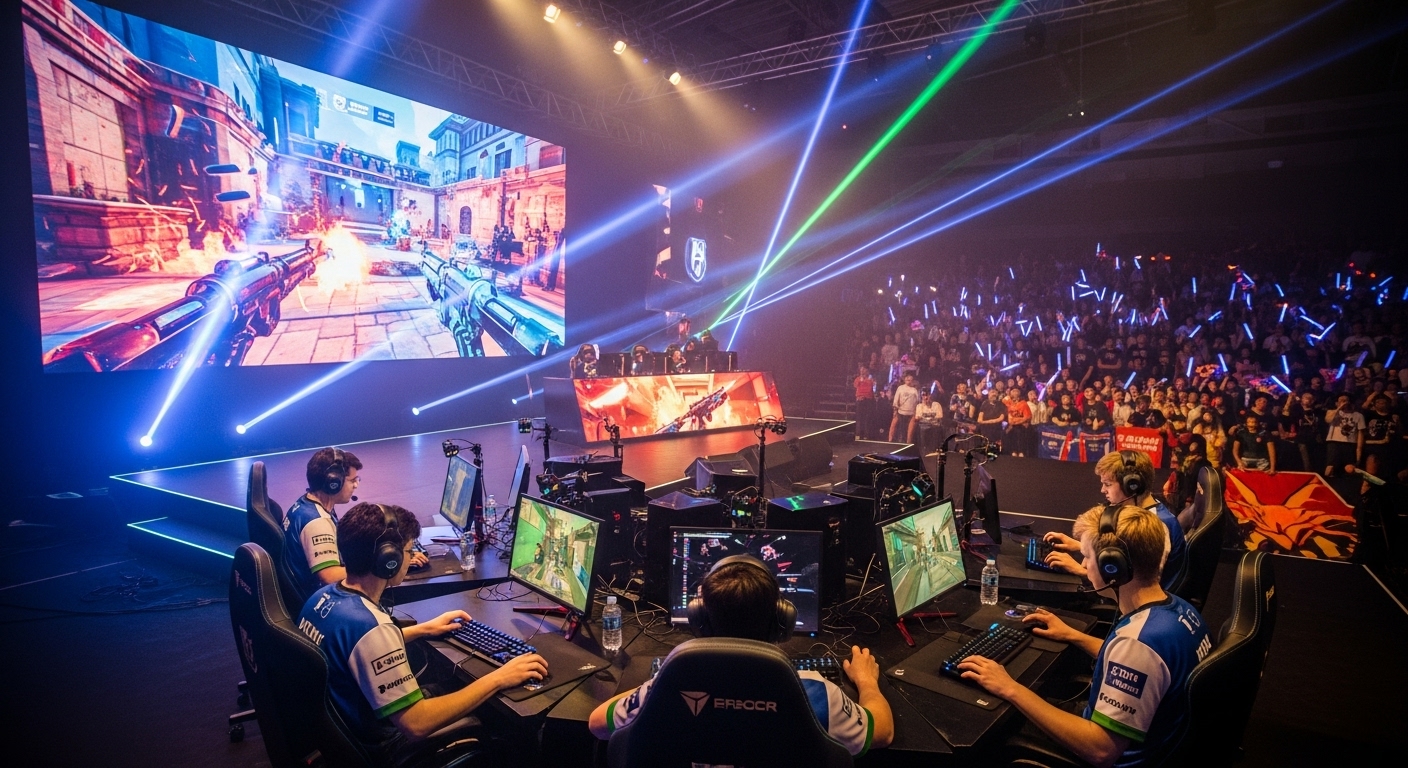
Esports, short for electronic sports, has transformed from a niche hobby into a global entertainment phenomenon. Once considered a pastime confined to basement gatherings and small tournaments, esports now fills stadiums, commands multi-million-dollar sponsorship deals, and attracts millions of viewers online. Its growth mirrors that of traditional sports, with structured leagues, professional players, and intense fan engagement. Understanding this meteoric rise requires a look into its history, competitive nature, economic impact, cultural influence, and the future possibilities it holds.
A Brief History of Competitive Gaming
The roots of esports stretch back to the late 1970s and 1980s, when video games started gaining mainstream attention. Early competitions like the Space Invaders Championship in 1980 drew thousands of participants, highlighting the potential for organized gaming contests. The 1990s saw the rise of local and regional tournaments for popular titles such as Street Fighter and StarCraft, laying the foundation for competitive gaming communities.
By the early 2000s, esports had begun to evolve into a structured industry. Multiplayer online games like Warcraft III, Counter-Strike, and later League of Legends fostered professional scenes supported by online forums and early streaming platforms. Esports leagues began forming in Asia, particularly in South Korea, where StarCraft players achieved celebrity status. The development of these structured competitions marked the transition of esports from casual play to professionalized contests.
The Competitive Nature of Esports
At its core, esports is a competition. Players train rigorously, sometimes dedicating over 10 hours a day to practice. The competitive environment is intense, requiring sharp reflexes, strategic thinking, teamwork, and adaptability. Unlike traditional sports, esports competitions often take place online, allowing global participation without geographical limitations.
Professional teams and players operate like athletes. They follow strict training schedules, maintain healthy diets, and even work with sports psychologists to enhance focus and manage stress. The mental and physical demands of esports are significant, often underestimated by outsiders who see gaming as merely a leisurely activity. Titles like Dota 2, Counter-Strike: Global Offensive, and League of Legends demand precise coordination, communication, and split-second decision-making, showcasing the professional rigor required to excel.
The Economics of Esports
Esports is not just about competition—it’s a booming industry. Revenue streams include sponsorships, advertising, merchandise, ticket sales, media rights, and digital content. Sponsorship deals from global brands in technology, energy drinks, apparel, and even traditional sports organizations fuel the ecosystem. Tournament organizers generate income from broadcasting events on platforms like Twitch and YouTube, while game developers benefit from in-game purchases and esports-specific content.
Professional players often earn substantial salaries supplemented by tournament winnings. For instance, top players in games like Dota 2 and Fortnite have secured multi-million-dollar prize pools, rivaling earnings in traditional sports. The combination of personal branding, social media influence, and competitive success allows players to become celebrities in their own right. As the industry grows, its economic significance becomes increasingly evident, with esports revenue projected to continue climbing in the coming years.
Esports as a Cultural Force
Esports has evolved beyond a competition to become a cultural movement. It fosters communities, fan loyalty, and a shared identity among players and spectators. Online forums, social media, and streaming platforms provide spaces where fans discuss strategies, celebrate victories, and engage with players. Events like the League of Legends World Championship or The International for Dota 2 become cultural milestones, watched by millions worldwide and celebrated like traditional sporting events.
The influence of esports extends into mainstream entertainment. Celebrities and athletes engage with esports teams, video games inspire music and fashion, and streaming personalities become media stars. Esports culture celebrates diversity, creativity, and digital innovation, offering a sense of belonging for fans across the globe. Its integration into mainstream media signals a shift in how entertainment is consumed and experienced.
The Role of Streaming Platforms
A critical factor in the rise of esports is the proliferation of streaming platforms. Twitch, YouTube Gaming, and other platforms have revolutionized how players and audiences interact. Fans can watch live competitions, follow favorite players, and engage in real-time discussions, creating an immersive experience. Streaming has democratized esports viewership, allowing anyone with internet access to participate in the excitement of live competitions.
For players, streaming offers additional income and brand-building opportunities. They can cultivate personal followings, create content beyond competitive matches, and monetize engagement through subscriptions, donations, and sponsorships. Streaming has blurred the lines between athlete and entertainer, allowing esports professionals to become multifaceted public figures.
Training and Professionalism in Esports
Esports training mirrors that of traditional sports in intensity and structure. Teams hire coaches, analysts, and support staff to optimize performance. Practice sessions include strategy review, skill drills, and simulated matches, emphasizing teamwork and coordination. Players also focus on mental conditioning, as the pressure of competition can be mentally taxing.
Health management is an emerging priority. Eye strain, repetitive strain injuries, and mental fatigue are common challenges in esports. Many professional organizations now employ physical therapists and mental health professionals to ensure players maintain peak performance without jeopardizing their well-being. The professionalization of training reflects the maturity and seriousness of esports as an industry.
The Global Reach of Esports
Esports is a truly global phenomenon, with vibrant communities in North America, Europe, Asia, and beyond. Different regions specialize in various games, influenced by cultural preferences and historical developments. South Korea remains a powerhouse in StarCraft and League of Legends, while Europe and North America dominate games like Counter-Strike and Overwatch. Emerging markets in Latin America, Southeast Asia, and the Middle East are rapidly expanding their esports presence, bringing new talent and audiences into the fold.
International competitions showcase this diversity, pitting teams from different regions against each other in high-stakes tournaments. The global reach of esports fosters cross-cultural engagement, international fan bases, and a shared appreciation for digital sportsmanship.
Esports and Education
Esports is increasingly intersecting with education. Universities and colleges worldwide now offer esports programs, scholarships, and competitive teams. These programs combine traditional academics with gaming expertise, preparing students for careers as professional players, coaches, analysts, and content creators. Educational institutions recognize esports’ potential to teach teamwork, problem-solving, leadership, and digital literacy.
Furthermore, esports academies and training centers have emerged to nurture young talent. These programs emphasize skill development, strategic thinking, and sportsmanship, creating pathways for aspiring professionals to enter the competitive scene.
Challenges Facing the Esports Industry
Despite its rapid growth, esports faces significant challenges. Sustainability is a concern, as the industry relies heavily on sponsorships and fluctuating viewer engagement. Player burnout and mental health issues are prevalent due to intense practice schedules and competitive pressures. Regulatory frameworks are still developing, leading to inconsistencies in tournament rules, player contracts, and fair play standards.
The perception of esports as a “real sport” remains debated. While it requires physical and mental skills, critics question its legitimacy compared to traditional athletics. Addressing these challenges is crucial for esports to maintain its growth trajectory and long-term viability.
The Future of Esports
The future of esports looks promising and dynamic. Advancements in technology, such as virtual reality, cloud gaming, and AI-driven analytics, are likely to reshape the competitive landscape. Esports may increasingly integrate with traditional sports, entertainment, and media, creating hybrid experiences that engage wider audiences.
Moreover, inclusivity and diversity initiatives are gaining momentum, encouraging participation from underrepresented communities. Esports has the potential to become a truly global, accessible, and inclusive form of competition, bridging cultural and geographical divides.
Conclusion
Esports has come a long way from its humble beginnings in arcades and small tournaments. Today, it stands as a sophisticated industry with professional players, structured competitions, and millions of passionate fans worldwide. Its economic, cultural, and technological impact continues to grow, shaping the way people experience entertainment and competition.
As esports continues to evolve, it promises new opportunities, challenges, and innovations. From professional training and global tournaments to streaming culture and educational programs, esports is more than just gaming—it is a digital revolution redefining the concept of sports, entertainment, and community. The journey of esports demonstrates that passion, skill, and innovation can transform even the most niche hobby into a global phenomenon that captivates millions across the world.