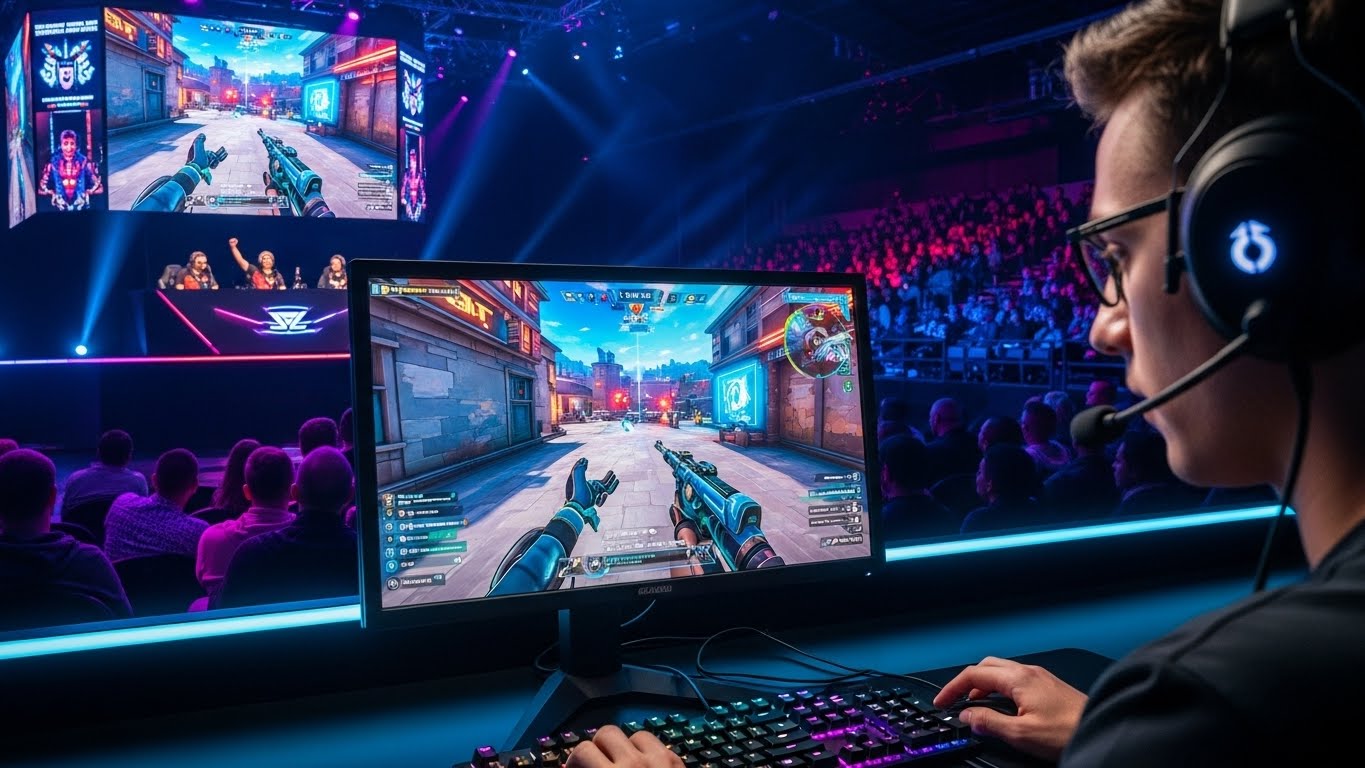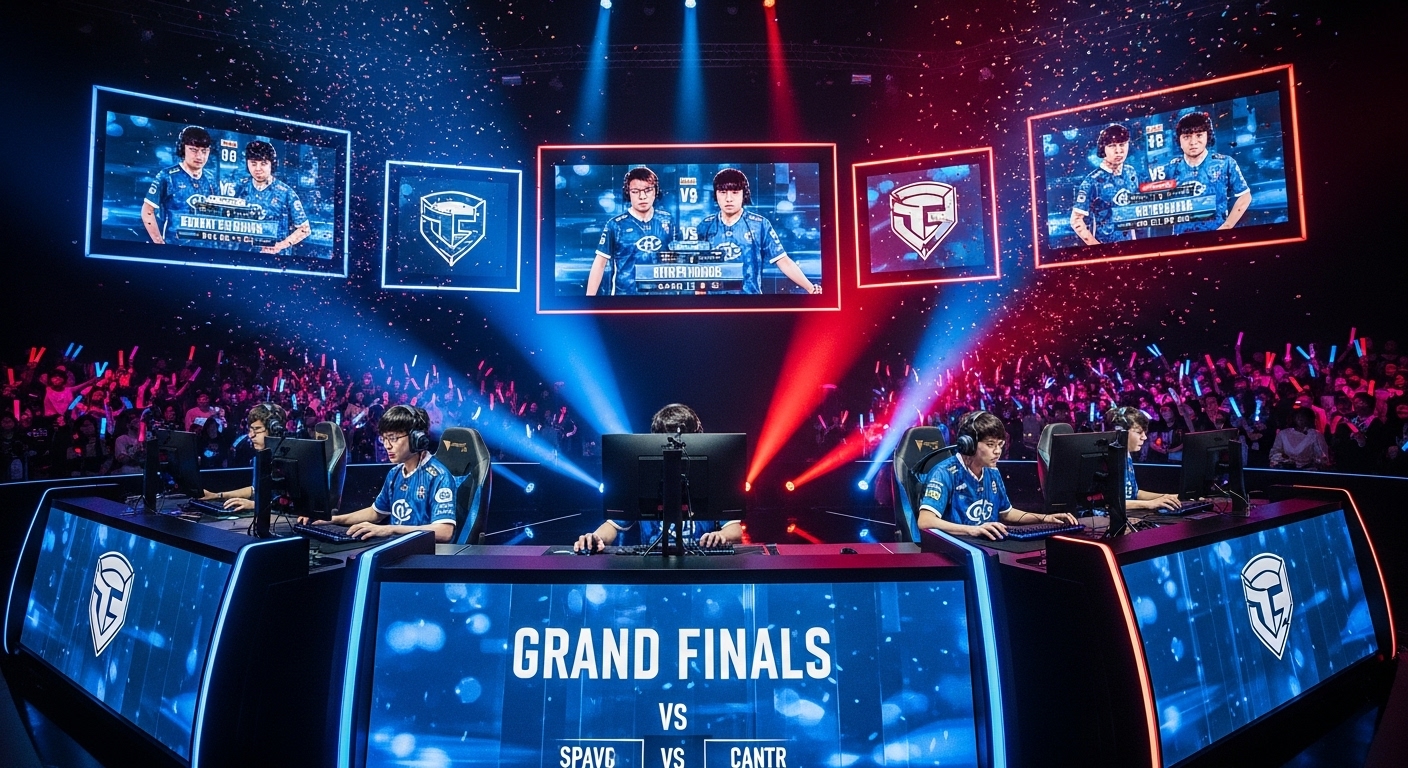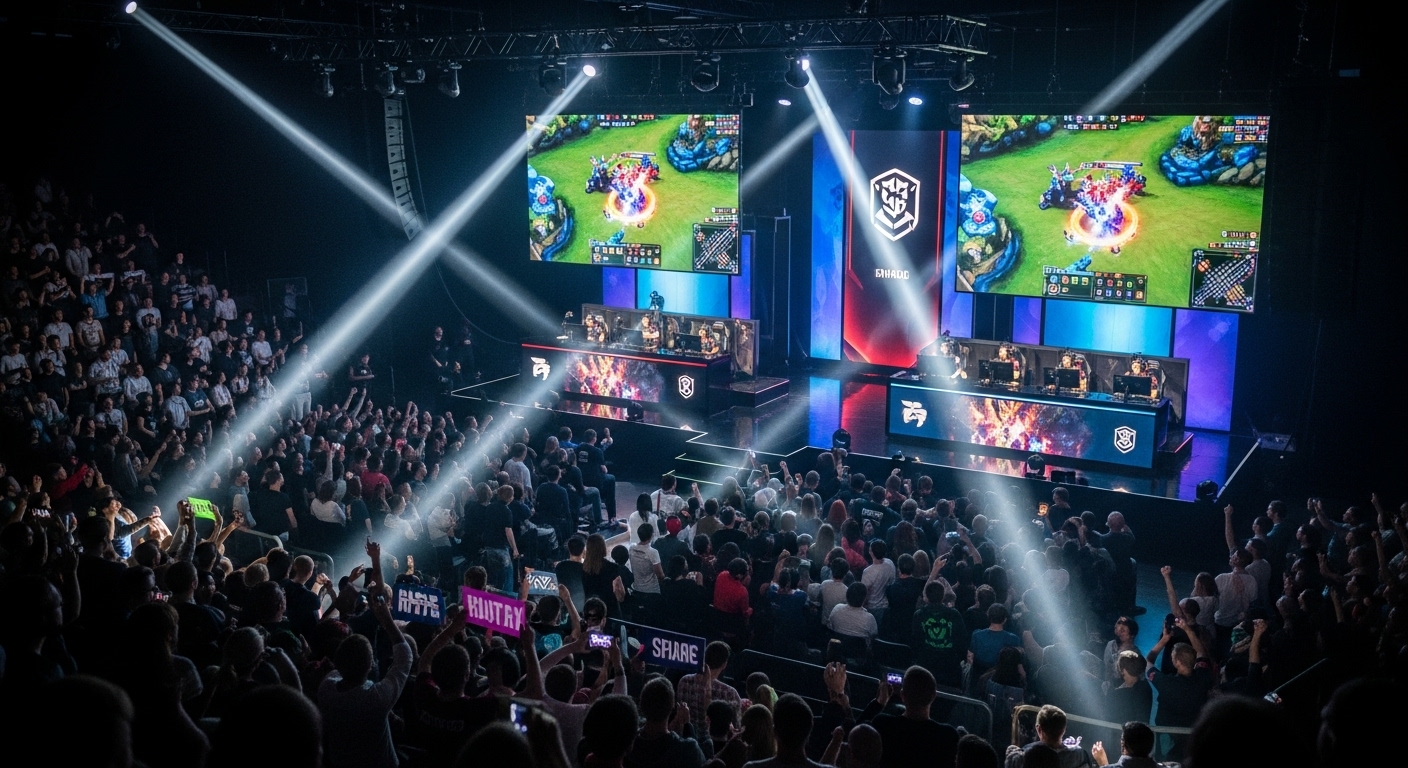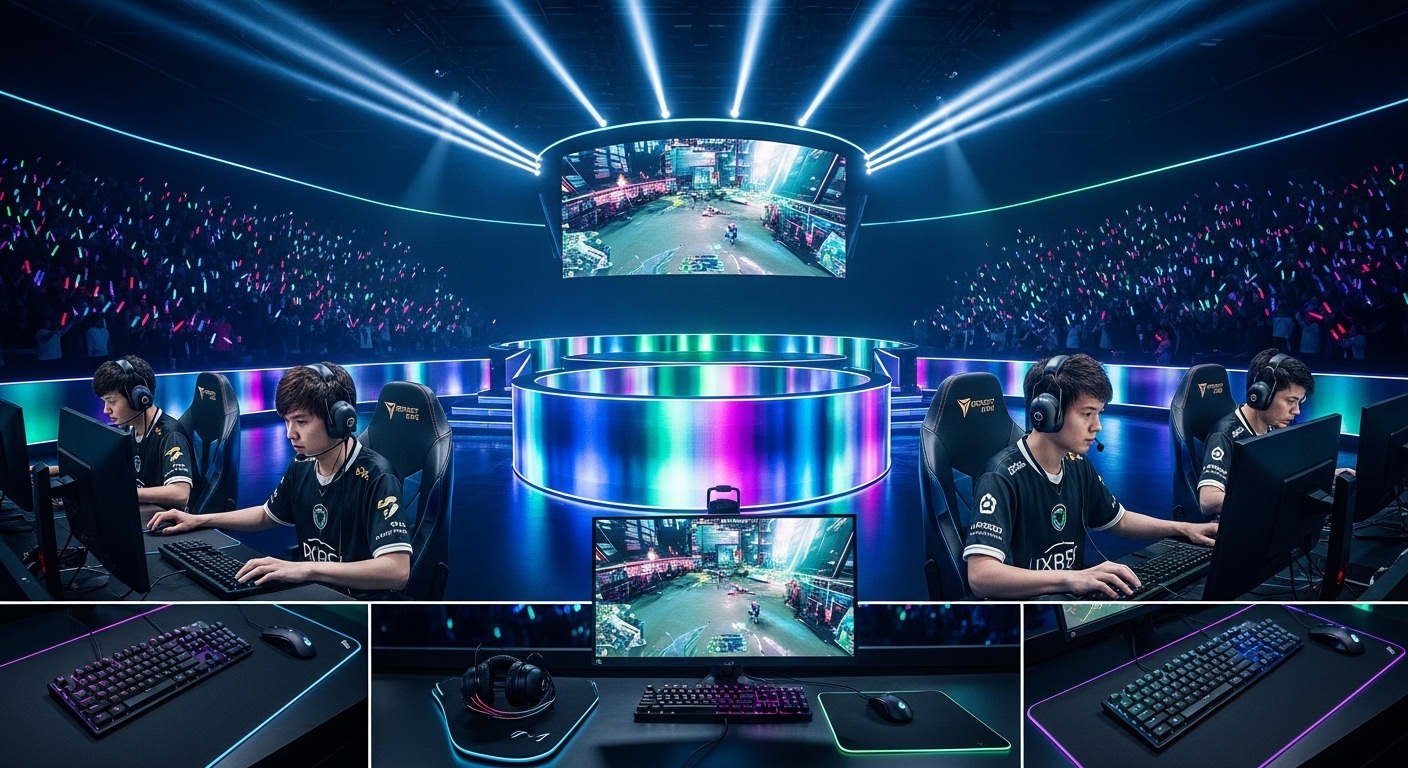
The world of competitive gaming, better known as eSports, has undergone an extraordinary transformation over the last few decades. What began as small local tournaments between passionate gamers has now become a multi-billion-dollar industry with a global audience. Professional players, organizations, broadcasters, and sponsors have turned eSports into one of the most dynamic and rapidly-growing sectors in entertainment today. This blog post explores the rise of eSports, its growth into a mainstream industry, and the impact it’s having on the world of sports, entertainment, and technology.
The Humble Beginnings of eSports
The roots of competitive gaming can be traced back to the early 1970s. While video games themselves were still in their infancy, gaming enthusiasts began organizing small competitions. One of the first recognized video game tournaments was held in 1972 at Stanford University for the game Spacewar. The event, which featured a series of friendly matches, can be considered one of the earliest instances of competitive gaming. However, it was not until the 1990s that eSports truly began to take shape.
The late 1980s and early 1990s saw the rise of arcade gaming, where players would compete for high scores on machines in public spaces. This period laid the groundwork for the concept of competitive gaming. But it was the advent of online multiplayer games and the boom of PC gaming in the mid-1990s that really fueled the rise of eSports.
One of the first major competitive gaming tournaments was the Red Annihilation event in 1997. Held by the creators of Quake, this event marked a key turning point in eSports. While modest by today’s standards, Red Annihilation is widely regarded as the first true eSports competition, with participants from all over the world battling it out for cash prizes and prestige. The tournament was a landmark event that attracted attention from both gamers and the media, igniting the flame of competitive gaming.
The Rise of Professional eSports: 2000s to 2010s
By the early 2000s, the rise of internet connectivity and faster broadband speeds enabled gamers from all over the world to compete in online tournaments. Games like StarCraft and Warcraft III helped establish a foundation for professional eSports, particularly in South Korea. The country, with its thriving internet infrastructure and passionate gaming culture, became the epicenter of competitive gaming.
In 2000, the World Cyber Games (WCG) was founded in South Korea, bringing together players from all over the globe. WCG was one of the first tournaments to offer international recognition and huge prize pools, drawing the attention of both players and media. The WCG was pivotal in establishing the legitimacy of eSports as a professional competition and in cultivating a global fan base.
At the same time, South Korea was pioneering the idea of professional gaming leagues. The creation of the Korean Pro Gaming League (KeSPA) in 2000 and the establishment of StarCraft as the primary competitive game marked a significant development in the history of eSports. The country’s TV networks even began broadcasting StarCraft matches, drawing massive viewership. Professional players in South Korea became national celebrities, and gaming was seen as a legitimate career choice.
During the 2000s, the emergence of new games such as Counter-Strike, Warcraft III, and League of Legends continued to drive the eSports movement forward. These games featured elements of strategy, teamwork, and fast-paced action that attracted competitive players and fans alike. Major tournaments like The International (a Dota 2 championship) and the League of Legends World Championship offered massive prize pools, further legitimizing eSports as a legitimate and lucrative career.
The Explosive Growth of eSports in the 2010s
The 2010s marked a period of explosive growth for eSports, as technological advancements, increased investment, and greater mainstream media coverage converged to elevate competitive gaming to new heights. Streaming platforms like Twitch and YouTube Gaming played a central role in this transformation. Founded in 2011, Twitch allowed players to broadcast their gaming sessions live, enabling viewers to watch professional matches and interact with players in real-time. With the rapid adoption of Twitch by both casual gamers and professional eSports events, the stage was set for a new era of eSports entertainment.
As online streaming gained popularity, so did the amount of money flowing into the eSports industry. In 2014, the prize pool for The International, a Dota 2 competition, exceeded $10 million, making it one of the largest single-prize tournaments in the world. Other games followed suit, and soon, prize pools for major competitions reached unprecedented levels. For instance, the League of Legends World Championship attracted millions of viewers, both online and in-person, and players were earning salaries comparable to those of traditional athletes.
With the increasing popularity of eSports, corporate sponsorships began pouring in from major brands like Coca-Cola, Intel, and Red Bull. These companies saw the immense marketing potential of the eSports demographic, which largely consisted of young, tech-savvy individuals with high disposable income. The arrival of big-name sponsors helped to push eSports into the mainstream and attracted even more media coverage, making eSports events comparable to traditional sporting events in terms of spectacle and audience size.
The 2010s also saw the rise of eSports leagues that were structured similarly to traditional sports leagues. For example, Overwatch League, launched in 2018, mimicked the structure of major leagues like the NBA and NFL, with franchised teams representing cities and regions. This shift towards structured leagues further helped professionalize eSports and attracted investment from major sports organizations and traditional athletes.
The Economic Impact of eSports
eSports has quickly become a multi-billion-dollar industry. In 2019, the global eSports market was valued at $1.1 billion, and projections suggest that this number could exceed $2 billion in the next few years. The economic impact of eSports extends far beyond just prize money and sponsorships. The industry has created thousands of jobs, including professional players, coaches, analysts, event organizers, commentators, and content creators.
One of the key economic drivers of eSports is advertising revenue. Brands are increasingly investing in eSports events to reach a young, engaged audience. Sponsorships, product placements, and advertisements during live streams and broadcasts have become a significant source of income for eSports organizations and event organizers. Companies such as Logitech, Alienware, and Corsair, which produce gaming peripherals and hardware, have capitalized on the booming eSports scene by partnering with professional teams and sponsoring events.
Ticket sales and merchandise also contribute to the economic success of eSports. Major tournaments, such as The International, sell out stadiums and arenas, and fans eagerly purchase team jerseys, collectibles, and other merchandise to support their favorite players and organizations. These sources of income, combined with the rapidly growing viewership of eSports, have helped turn competitive gaming into a highly profitable industry.
eSports and the Changing Face of Entertainment
eSports has dramatically changed how people consume entertainment. Traditionally, watching sports was confined to television broadcasts or attending live events. However, eSports has broken down these barriers by allowing people to watch live competitions from anywhere in the world, thanks to the power of online streaming. This level of accessibility has helped eSports attract a global audience, with millions of fans tuning in to watch their favorite players, teams, and games.
In addition to the traditional media platforms, eSports has become an essential part of the social media landscape. Players and teams engage with their fans on platforms like Twitter, Instagram, and Discord, where they can share updates, behind-the-scenes content, and personal insights into their lives. This close connection with fans has helped eSports build a loyal and engaged community that feels a personal investment in the success of their favorite players and teams.
Another critical aspect of eSports’ influence on entertainment is its integration with video content platforms like YouTube and Twitch. These platforms allow gamers to create and share content with millions of viewers, opening up new avenues for income generation and creative expression. Many top eSports athletes have become influential content creators, leveraging their gaming skills to build massive online followings and create additional revenue streams through sponsorships, ads, and donations.
The Future of eSports: What Lies Ahead?
The future of eSports looks incredibly promising, with advancements in technology, media, and infrastructure continuing to shape the industry. One of the most exciting developments is the potential for virtual reality (VR) and augmented reality (AR) to transform the eSports experience. These technologies could provide fans with the ability to watch live events from a first-person perspective, or even allow players to compete in fully immersive virtual environments. As VR and AR technologies continue to evolve, eSports may become even more engaging and dynamic for both players and fans.
Another factor driving the growth of eSports is the increasing interest from traditional sports organizations. Several major leagues, including the NBA and NFL, have already invested in eSports teams or events, and this trend is likely to continue. These partnerships could help to further bridge the gap between traditional sports and eSports, creating more opportunities for cross-promotion and growth.
Finally, mobile gaming is expected to play an increasingly important role in the future of eSports. With mobile games like PUBG Mobile and Free Fire drawing millions of players, mobile eSports tournaments could rival their PC and console counterparts. The accessibility and convenience of mobile gaming make it an ideal platform for global eSports competitions, opening up new opportunities for players and fans around the world.