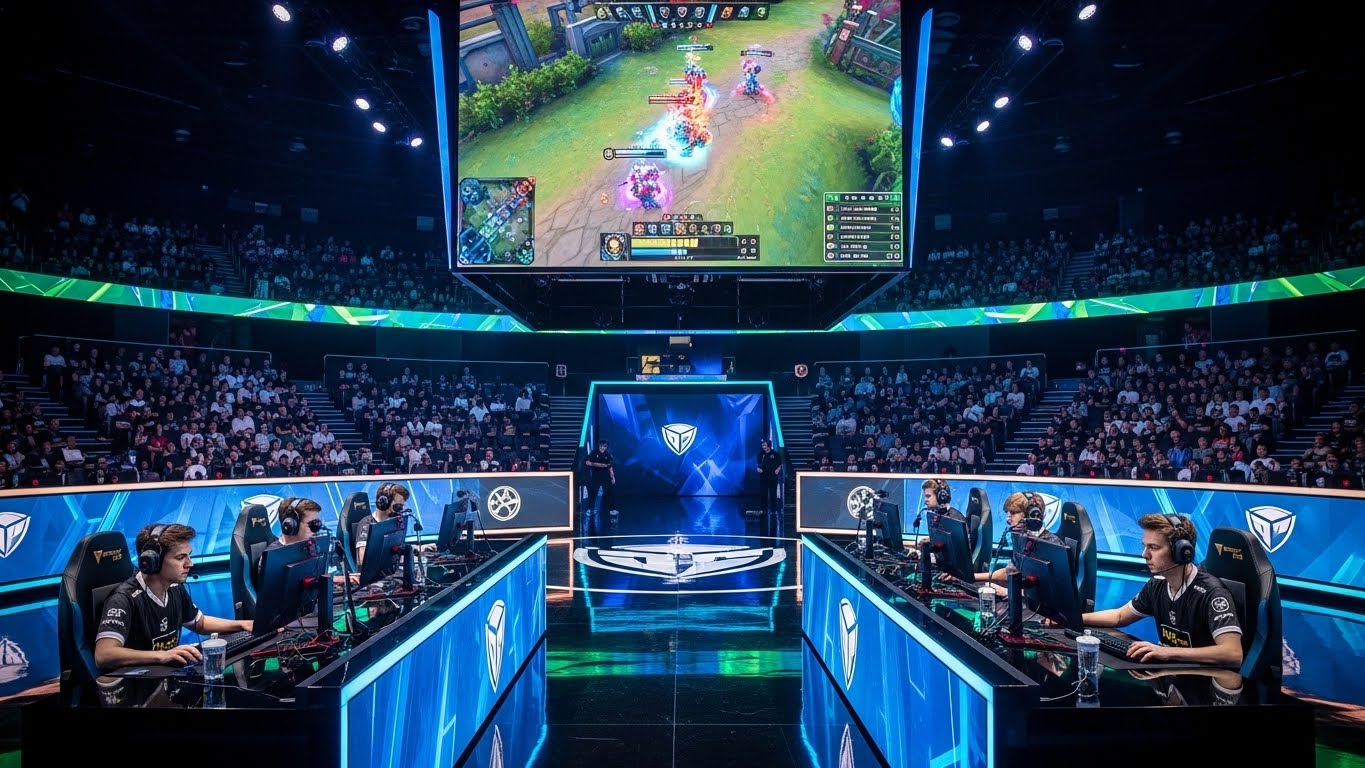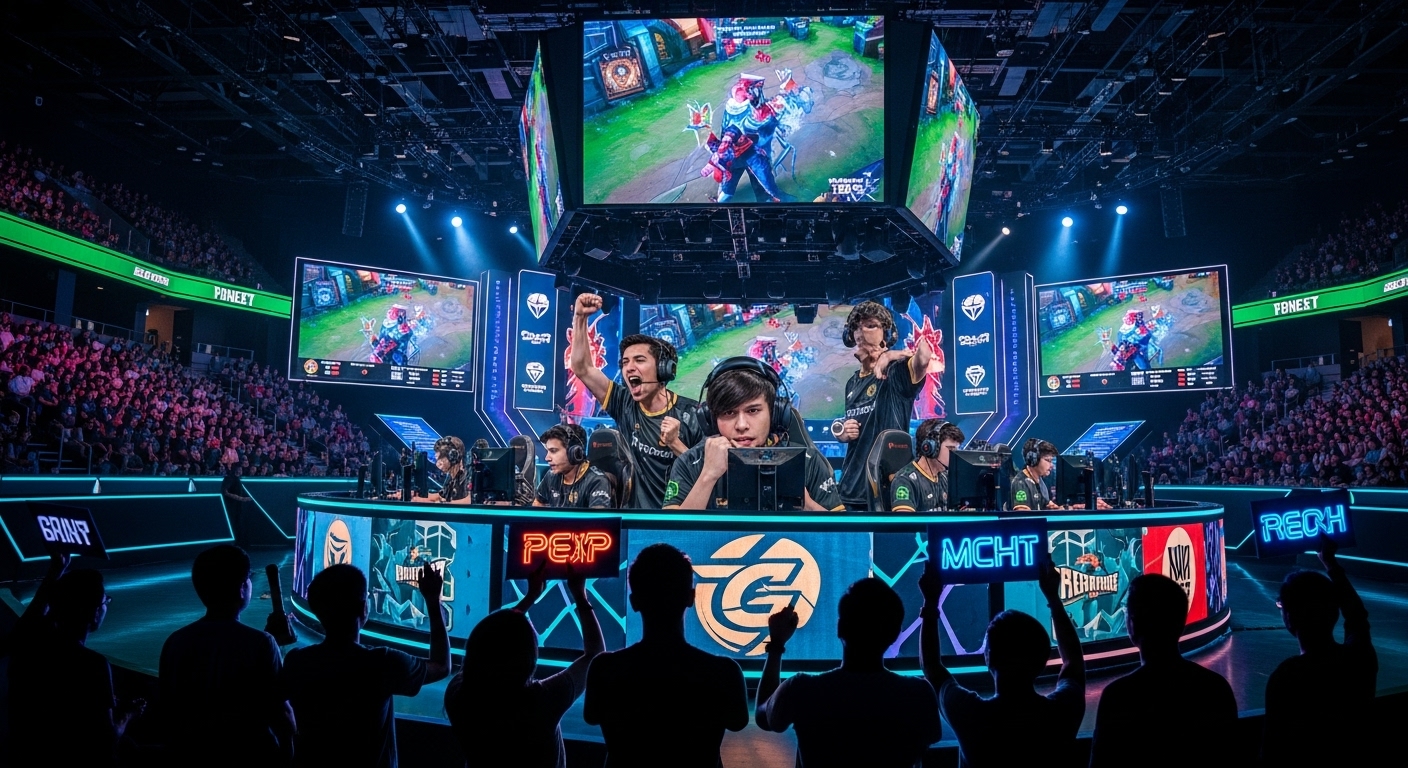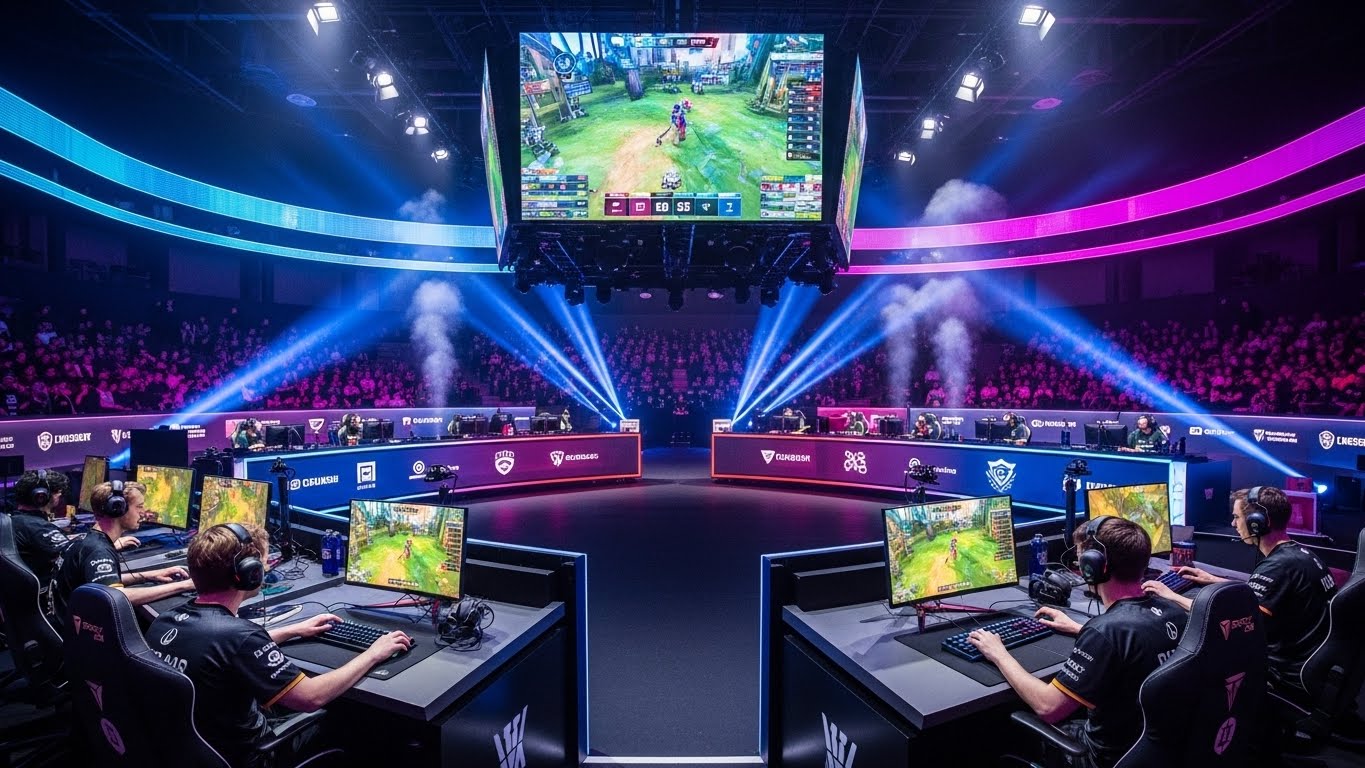
Esports, or electronic sports, is no longer a niche hobby or a pastime for the tech-savvy gamer. In just a few decades, it has grown from small-scale competitions to a multi-billion-dollar industry. With professional leagues, live streaming platforms, global tournaments, and sponsorship deals, esports has transformed into one of the most dominant forms of entertainment in the modern world.
In this blog post, we will explore the evolution of esports, its rise in popularity, its current status, and its future potential. From the early days of competitive gaming to the multi-platform ecosystem of today, esports has firmly planted itself as a global phenomenon.
The Origins of Competitive Gaming
The roots of competitive gaming can be traced back to the 1970s and 1980s when arcades became popular. In these early days, video games like Space Invaders, Pong, and Asteroids were the most played titles. However, these games were mostly casual entertainment, with few organized competitions.
The First Esports Competitions
In 1972, the first known gaming competition took place at Stanford University. The competition, titled “Intergalactic Spacewar Olympics,” was a contest for the game Spacewar—one of the first video games ever created. The event attracted only a handful of participants, but it set the stage for the idea that video games could be competitive.
The 1990s saw the emergence of larger-scale competitive gaming, with games like Doom and Warcraft leading the charge. The first significant esports tournament was the Red Annihilation tournament in 1997, held for the game Quake. It featured a $1,000 cash prize, which was a significant sum at the time. This tournament is often considered one of the first true esports events, setting the groundwork for the growth of competitive gaming.
The Rise of Online Gaming and Streaming
As the internet began to grow in the late 1990s and early 2000s, online gaming became more widespread. Games like StarCraft and Warcraft III allowed players to connect over the internet and compete against each other in real-time. This change fundamentally altered the structure of competitive gaming, allowing it to expand beyond local tournaments to global events.
The Role of Streaming Platforms
In the mid-2000s, streaming platforms like Twitch (launched in 2011) revolutionized the esports scene. Twitch allowed players to broadcast their gameplay to a global audience, creating an entirely new form of entertainment. The ability to stream competitions and watch live broadcasts brought esports to a whole new level.
The Growth of Esports as a Profession
By the early 2010s, professional esports teams and players started to emerge. These teams, sponsored by large companies, competed in various games for substantial prize pools. Titles like League of Legends, Dota 2, Counter-Strike: Global Offensive, and Overwatch became central to the growing esports scene. The League of Legends World Championship, for example, began attracting millions of viewers annually, with prize pools reaching into the millions of dollars.
Major Esports Events and Tournaments
As esports grew, so did the scale of its major events. The Dota 2 International Tournament, for instance, became one of the most lucrative esports events in history, with prize pools often exceeding $30 million. These tournaments attracted sponsorship deals from major brands, such as Coca-Cola, Intel, and Mercedes-Benz, bringing further legitimacy to esports as a global entertainment industry.
Esports was no longer just a niche interest—it was becoming a mainstream event.
The Intersection of Technology and Esports
The success of esports has been intertwined with advancements in gaming technology, internet infrastructure, and streaming capabilities. Every new development in hardware, from faster processors to better graphics cards, has opened up new possibilities for competitive gaming. Esports titles continue to push the limits of what technology can do, offering more immersive and realistic experiences for players and viewers alike.
The Importance of Hardware in Esports
Professional esports players rely on cutting-edge hardware to compete at the highest level. Gaming PCs with fast processors, high refresh-rate monitors, and responsive peripherals like gaming mice and keyboards are essential tools for competitive gamers. Sponsors like Razer, Logitech, and Alienware have capitalized on this need by providing high-end equipment designed specifically for esports professionals.
Virtual Reality and Esports
Virtual reality (VR) and augmented reality (AR) are expected to play an increasing role in the future of esports. Games that integrate VR technology offer a completely immersive experience, placing players inside the game world. While still in its early stages, VR esports could revolutionize the way competitions are held and watched. As technology continues to evolve, the boundaries between the player and the game will continue to blur, creating even more excitement for fans.
Esports Culture and Community
One of the defining features of esports is its passionate fanbase and vibrant community. Players, coaches, and fans all form a tight-knit ecosystem that supports the growth of the industry. Unlike traditional sports, esports fans are often very active online, following players and teams on social media, participating in live chats during streams, and attending tournaments in person.
The Rise of Esports Personalities
In traditional sports, athletes are often considered celebrities. In esports, players and personalities are similarly elevated. Icons like Ninja, Shroud, and PewDiePie have turned their love of gaming into full-fledged careers, garnering millions of followers across platforms like Twitch, YouTube, and Instagram.
The role of an esports player is not just to compete but to engage with fans, create content, and build a personal brand. Many esports players live-stream their practice sessions, share insights into their strategies, and interact with their fans directly. This unique relationship between players and fans has helped esports thrive.
Esports as a Social Experience
Esports events are often social gatherings where fans can meet up, watch their favorite teams compete, and engage in discussions about the game. While much of the competition is virtual, the esports community thrives on in-person events like LAN (local area network) tournaments and fan meet-ups.
For example, the League of Legends World Championship attracts tens of thousands of live attendees, with fans traveling from all over the world to witness the event. The atmosphere at these live tournaments is electric, with the energy from the crowd enhancing the experience for both players and fans.
Esports and Mainstream Recognition
As esports has grown in popularity, it has gained more recognition in the mainstream media. In many countries, esports has been recognized as a legitimate sport, and some universities have even started offering scholarships for esports players. In 2018, esports was even included in the Asian Games as a demonstration sport, paving the way for future inclusion in the Olympics.
Esports in the Olympics?
The possibility of esports becoming an official Olympic sport has been a topic of debate for years. Some argue that esports should be included due to its global reach, competitiveness, and the increasing number of young people involved in the industry. Others, however, question whether gaming truly qualifies as a sport in the traditional sense, citing the lack of physical activity involved.
While there is no definitive answer yet, the inclusion of esports in the Asian Games and the growing interest from the International Olympic Committee (IOC) indicate that the debate is far from over. Regardless of whether esports makes it into the Olympics, it is clear that the industry is becoming an integral part of global culture.
The Future of Esports: What’s Next?
Esports has come a long way from its humble beginnings, and its future seems incredibly promising. As technology continues to advance, so too will the potential of competitive gaming. There are several trends that suggest where esports might go in the future.
Growth of Mobile Esports
Mobile gaming is another rapidly growing sector within esports. Titles like PUBG Mobile, Arena of Valor, and Mobile Legends have exploded in popularity, especially in regions like Southeast Asia and China. With smartphones becoming more powerful and internet access improving in emerging markets, mobile esports is expected to become an even bigger part of the global scene.
Increased Investment and Sponsorships
Esports has already attracted significant investment from venture capitalists, tech companies, and even traditional sports organizations. Teams, leagues, and tournaments are all backed by multi-million-dollar sponsorships, and this trend is expected to continue. As more companies see the potential for profit, esports will likely see further growth and expansion, not just in terms of viewership, but in terms of infrastructure and development.
Virtual Reality and Artificial Intelligence
As mentioned earlier, virtual reality and artificial intelligence are poised to play a huge role in the future of esports. VR can provide a more immersive experience, while AI could be used to analyze gameplay, develop strategies, and even create adaptive opponents. These technological advancements will continue to push the boundaries of what’s possible in esports, offering new experiences for players and fans alike.
Conclusion
Esports has evolved from a small, niche interest to a global powerhouse in the entertainment industry. With millions of fans, professional leagues, massive sponsorship deals, and international tournaments, esports is reshaping how we think about competitive sports. As technology advances and the industry continues to grow, esports will only become more prominent in the years to come.
Whether you’re a casual gamer or a dedicated esports enthusiast, one thing is clear: esports is here to stay, and its impact on global entertainment is only just beginning. The future of competitive gaming holds incredible potential, and as we look ahead, it’s impossible not to be excited about the possibilities.