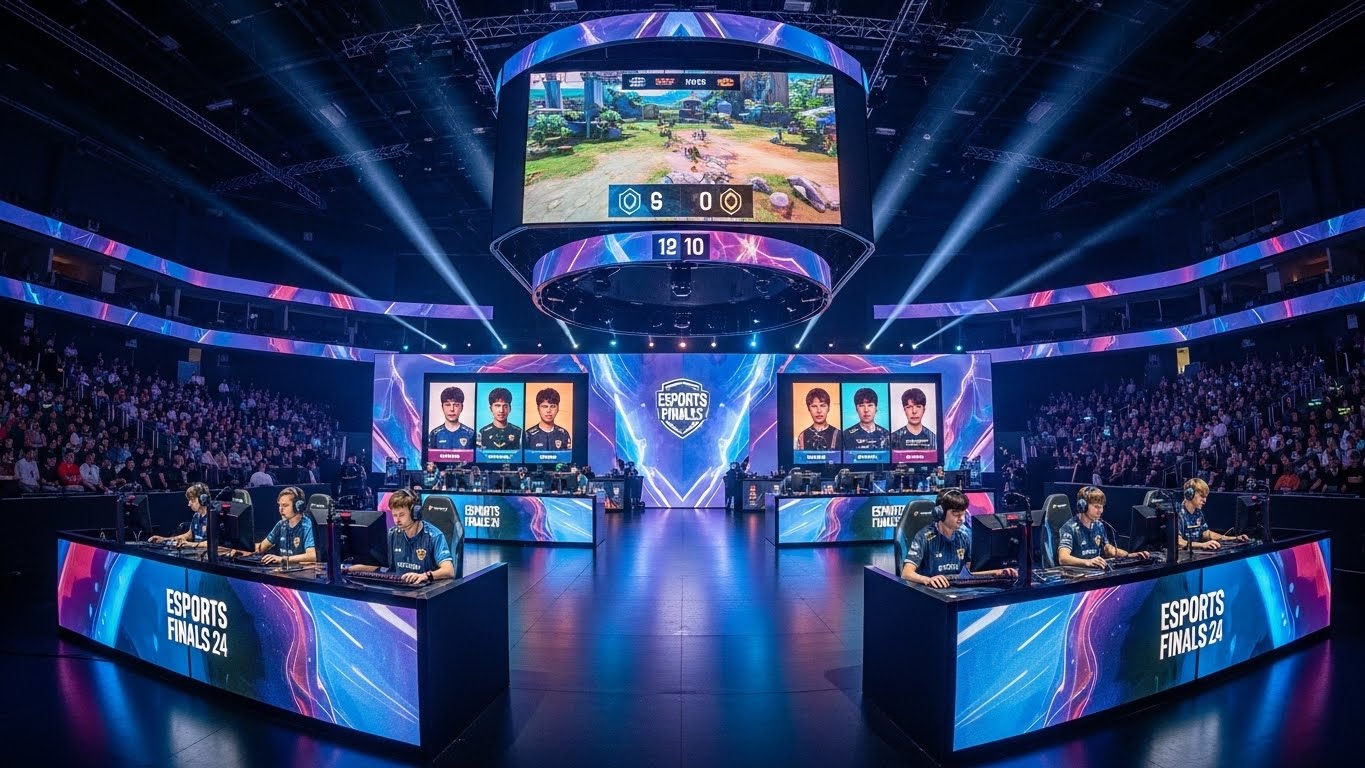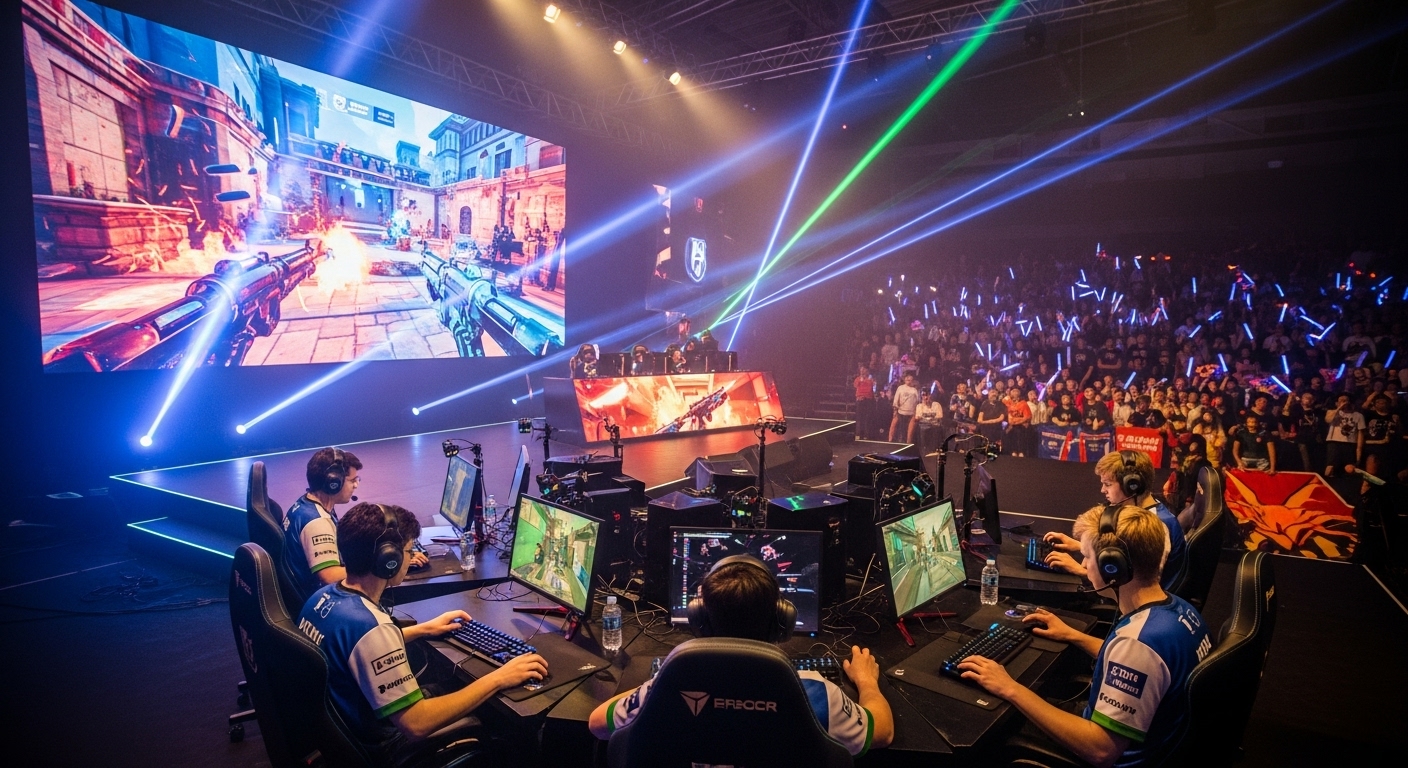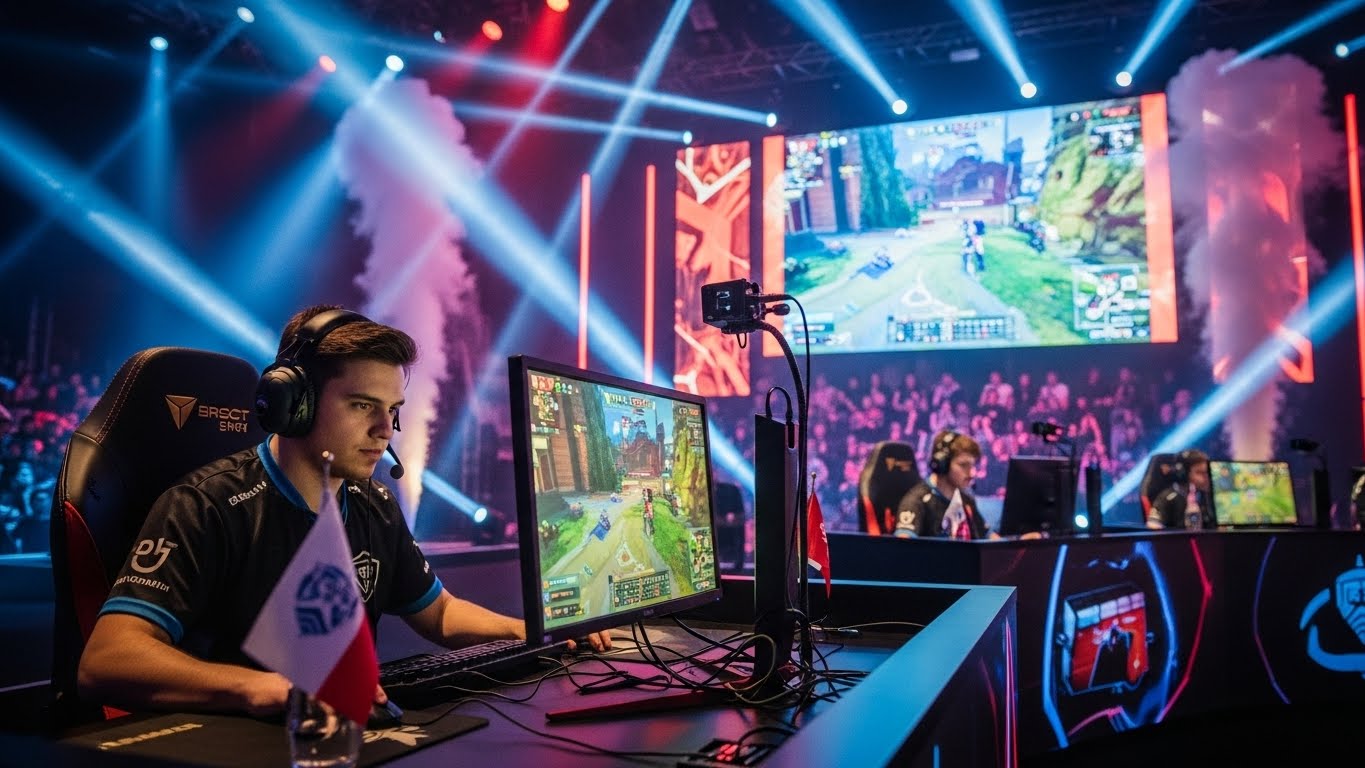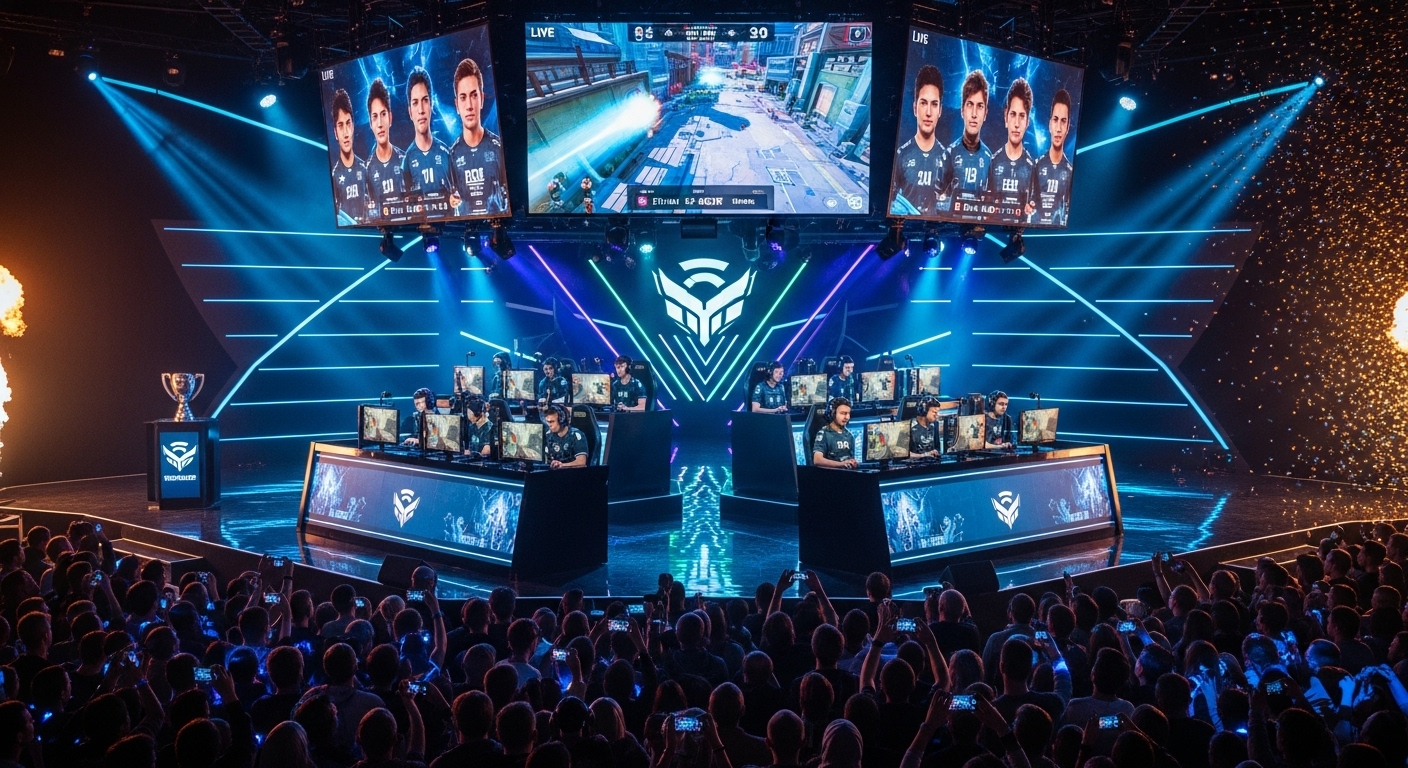
In the last two decades, Esports has transformed from a niche hobby into a multi-billion-dollar global industry. Competitive gaming, once perceived as a pastime reserved for teenagers in basements, has grown into a professional arena attracting massive audiences, sponsorships, and media attention. The rise of Esports mirrors broader shifts in technology, entertainment, and culture, reflecting how digital experiences increasingly shape modern life.
Understanding Esports: What It Really Is
Esports, short for electronic sports, refers to organized, competitive video gaming. Players, often called professionals, compete in video games across various genres, including first-person shooters, multiplayer online battle arenas, sports simulations, and real-time strategy games. Unlike casual gaming, Esports emphasizes skill, teamwork, strategy, and precision.
Esports events can range from local tournaments with small audiences to international championships broadcast to millions worldwide. Professional players undergo rigorous training schedules, much like athletes in traditional sports, demonstrating the seriousness and discipline required in the field.
The Early Days: How Esports Began
The origins of Esports can be traced back to the late 1970s and 1980s. Early video game competitions were small, local affairs, often held in arcades or university settings. The 1980 arcade game Space Invaders and later Pac-Man tournaments introduced the idea of competitive gaming to a broader audience.
By the 1990s, the growth of home computers and the internet allowed multiplayer gaming to flourish. Games like Quake, StarCraft, and Counter-Strike laid the foundation for competitive gaming communities. These games were particularly influential because they required not only individual skill but also strategic teamwork, which became a hallmark of professional Esports.
The Rise of Professional Leagues
The early 2000s marked a pivotal moment for Esports. With the rise of broadband internet and online gaming platforms, professional leagues and organized tournaments started to take shape. South Korea emerged as a global hub, particularly for games like StarCraft: Brood War, with players achieving celebrity status and being sponsored by corporations.
Organizations such as Major League Gaming (MLG) in North America formalized competitive structures, offering prize pools and hosting televised events. The creation of professional teams and sponsorship deals legitimized Esports as a career path, attracting new talent and investment.
Popular Esports Games and Genres
Esports encompasses a wide variety of game genres, each with its unique competitive ecosystem.
Multiplayer Online Battle Arenas (MOBA)
MOBA games, such as League of Legends and Dota 2, are among the most popular in the Esports scene. Players work in teams to control characters with unique abilities, aiming to destroy the opposing team’s base. The strategic depth and high skill ceiling of these games make them thrilling for both players and spectators.
First-Person Shooters (FPS)
FPS games like Counter-Strike: Global Offensive, Call of Duty, and Valorant focus on precise aiming, reflexes, and teamwork. Matches are fast-paced, often with high-stakes tournaments that attract millions of viewers online.
Battle Royale
Games like Fortnite and PUBG introduced the battle royale genre to Esports. In these games, players compete individually or in teams to survive on a shrinking map. The combination of strategy, shooting skill, and adaptability makes these games uniquely exciting.
Sports Simulations
Titles such as FIFA and NBA 2K bring traditional sports into the digital arena. Competitive players simulate real-world sports strategies and techniques, creating tournaments that appeal to both gaming enthusiasts and sports fans alike.
Esports Training and Player Lifestyle
Professional Esports players maintain schedules as demanding as any traditional athlete. Daily routines often include several hours of practice, strategy discussions with teammates, physical fitness training, and mental conditioning. Reaction time, hand-eye coordination, and decision-making under pressure are essential skills, and many teams employ coaches, analysts, and psychologists to maximize performance.
Unlike traditional sports, Esports allows for global connectivity, enabling players from different countries to practice and compete together virtually. However, the intense schedules and public scrutiny can lead to burnout, making mental health a significant concern in the industry.
The Global Esports Ecosystem
Esports has grown into a truly global phenomenon, with dedicated markets in Asia, North America, Europe, and emerging regions like South America and the Middle East.
South Korea remains a powerhouse, particularly in games like League of Legends and StarCraft, where professional players are treated as celebrities. In North America, tournaments for games like Overwatch, Call of Duty, and Fortnite attract millions of viewers online, with some events held in stadiums packed with fans. Europe has developed its own competitive leagues, particularly for MOBA and FPS games, while countries like China have invested heavily in Esports infrastructure and sponsorships.
Streaming platforms such as Twitch, YouTube Gaming, and recently, specialized Esports broadcasting networks have allowed fans to follow events in real-time, increasing engagement and accessibility. Social media also plays a crucial role, turning players into influencers and enabling communities to form around teams and games.
Economic Impact of Esports
The financial growth of Esports is staggering. Revenue streams include tournament prize pools, sponsorships, merchandise sales, media rights, and streaming platform advertising. Some of the largest tournaments, like The International for Dota 2, have prize pools exceeding $40 million, demonstrating the scale of investment and interest.
Sponsorship deals from major brands, including technology companies, energy drink manufacturers, and fashion brands, have legitimized Esports as a marketing platform. Teams and players have become household names in some regions, with salaries rivaling traditional sports athletes. The Esports economy also generates jobs in event management, broadcasting, content creation, coaching, and analytics.
Esports and Education
Esports has also entered educational institutions. Universities in North America and Asia have established official Esports programs, offering scholarships and academic support for competitive gaming. These programs combine game strategy, team management, and business education, reflecting the professionalization of the industry.
High schools are increasingly forming Esports clubs, teaching students skills like communication, strategic thinking, and digital literacy. Some institutions even integrate Esports into broader curricula, emphasizing technology, marketing, and game development.
Challenges Facing Esports
Despite its growth, Esports faces several challenges.
Mental Health and Burnout
The high-pressure environment can take a toll on players’ mental health. Burnout, anxiety, and stress are common issues, prompting teams to implement wellness programs and limit practice hours.
Regulation and Fair Play
Ensuring fair play, preventing cheating, and establishing consistent rules across different regions remain ongoing concerns. Regulatory bodies are beginning to form, but Esports still lacks the unified governance seen in traditional sports.
Accessibility and Inclusion
While Esports has grown globally, access to high-end gaming equipment and reliable internet remains a barrier in some regions. Promoting diversity and inclusion, particularly for women and underrepresented communities, is also an ongoing effort.
The Cultural Impact of Esports
Esports has influenced popular culture, fashion, and entertainment. Players are recognized as celebrities, their personalities and play styles shaping fan communities. Collaborations with music artists, filmmakers, and traditional sports teams have blurred the lines between gaming and mainstream culture.
Gaming conventions, cosplay, and Esports fan gatherings provide social spaces where enthusiasts celebrate their favorite games and players. Memes, streaming personalities, and online communities further reinforce Esports as a cultural force beyond just competition.
The Future of Esports
The future of Esports looks promising and dynamic. With advances in technology, such as virtual reality, augmented reality, and cloud gaming, the possibilities for competitive gaming are expanding. Immersive experiences could redefine how players compete and how audiences engage with tournaments.
Esports is also likely to see greater integration with traditional sports, entertainment, and education, creating hybrid models of engagement. The industry may eventually benefit from more formal regulation, standardized leagues, and international governing bodies, helping to solidify its position as a legitimate global sport.
Conclusion
Esports has evolved from small arcade competitions to a global industry with professional leagues, millions of fans, and significant economic and cultural influence. Its growth reflects broader technological, social, and cultural trends, illustrating the increasing importance of digital experiences in contemporary life.
With continued innovation, increased professionalization, and expanding accessibility, Esports is not just a fleeting trend but a defining feature of modern entertainment. The journey of competitive gaming—from basements to stadiums, from hobby to career—is a testament to human ingenuity, passion, and the universal appeal of play.