Introduction: The Rise of Digital Competition
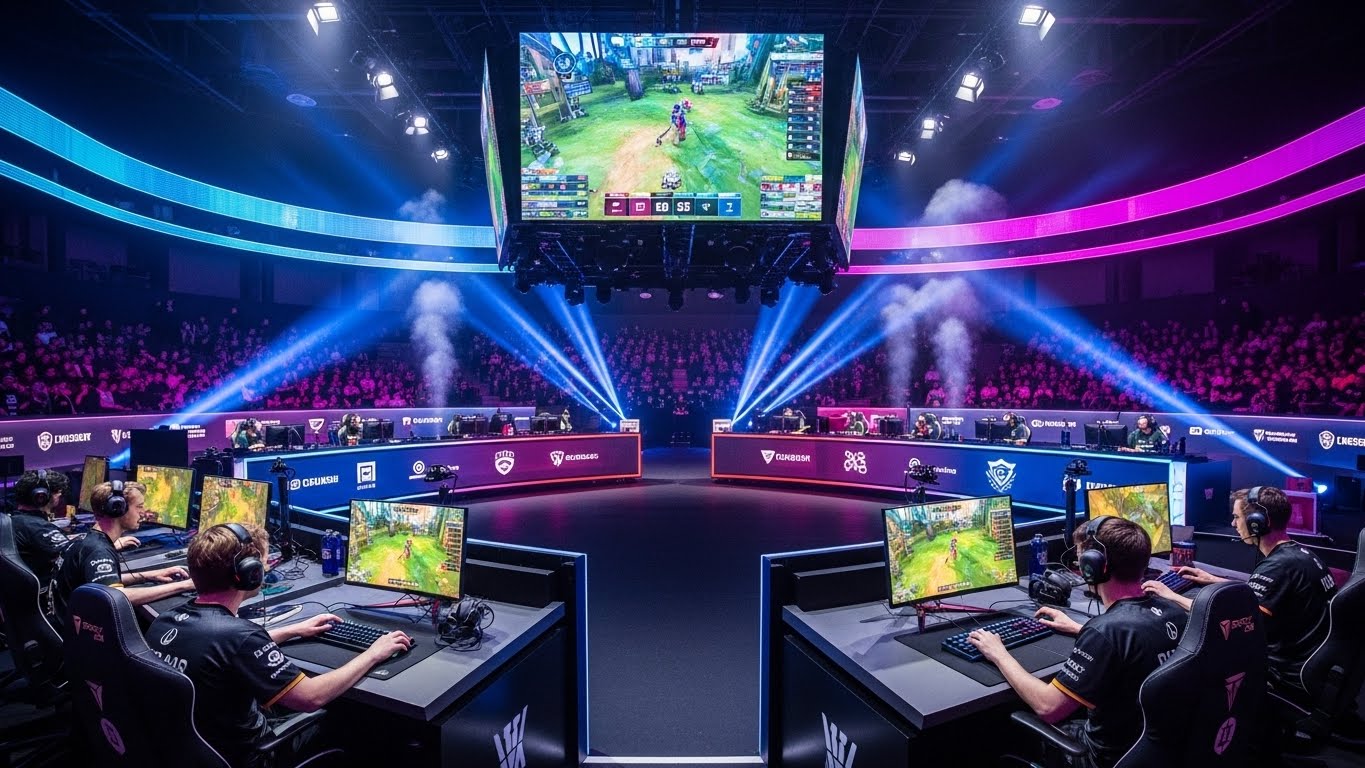
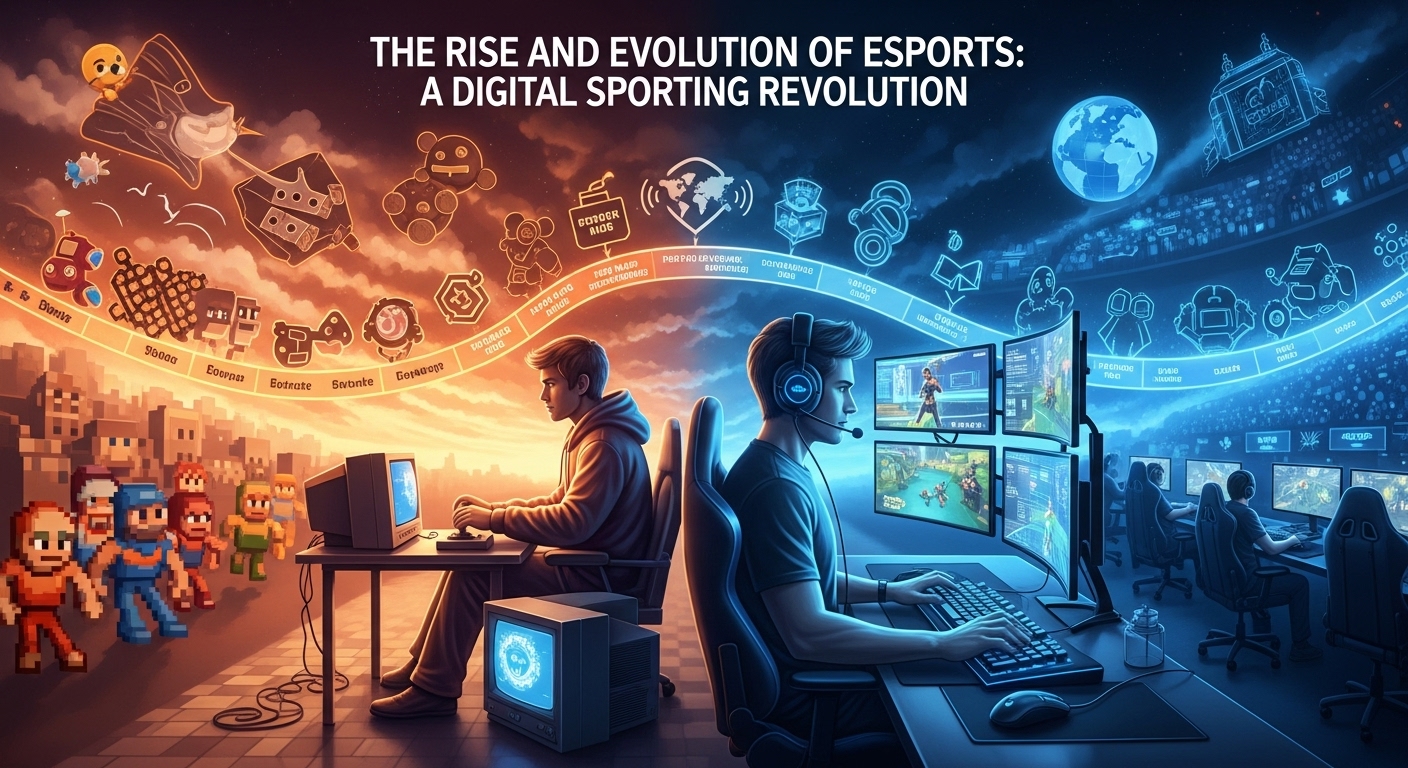
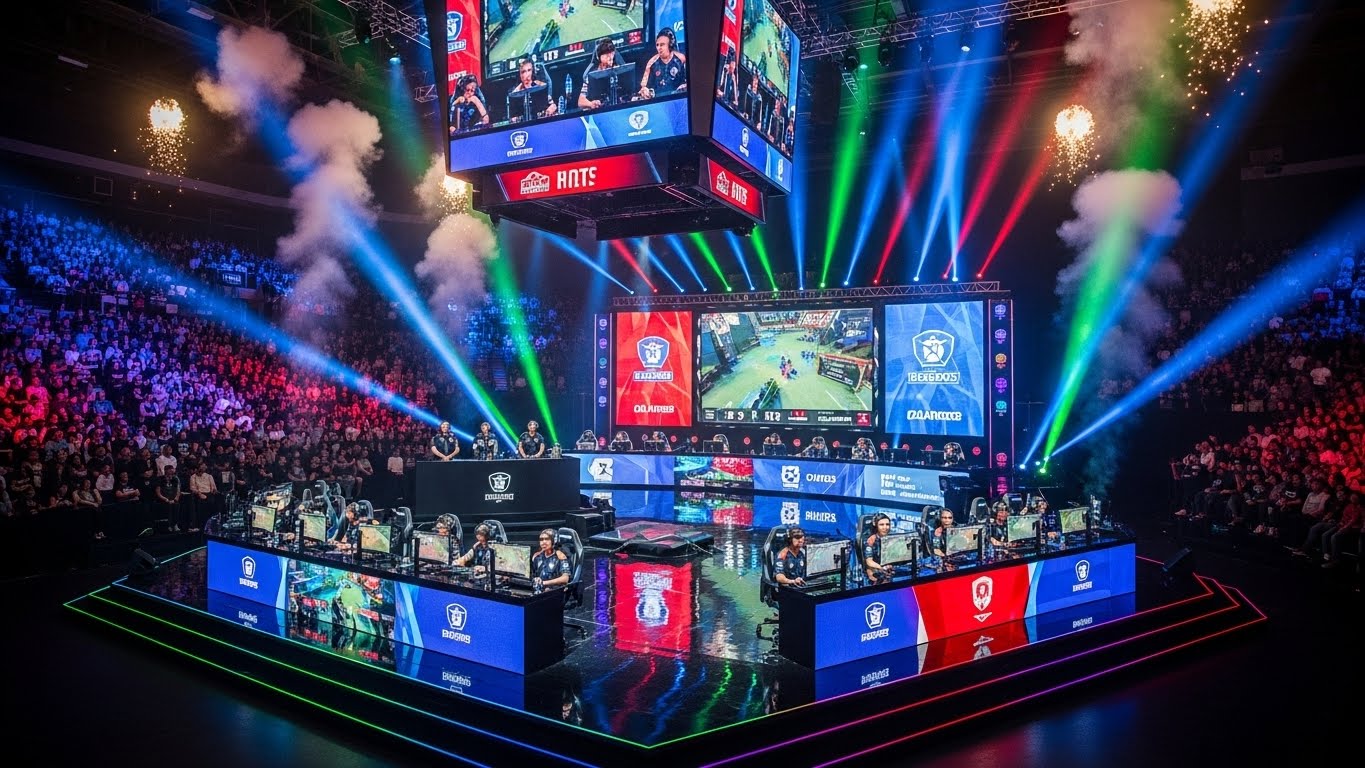
Not long ago, gaming was seen as a pastime for kids or hobbyists locked away in their rooms. Fast forward a few decades, and Esports—short for electronic sports—has transformed into a worldwide industry worth billions. From massive arenas filled with cheering fans to professional players signing multi-million-dollar contracts, Esports has cemented itself as a legitimate form of competition and entertainment.
The growth of Esports isn’t just about technology or entertainment; it’s a cultural shift. It represents the blending of passion, community, innovation, and competition on a global scale. Let’s take a deep dive into how this industry evolved, what drives its success, and what it means for the future of sports, media, and human connection.
Early Beginnings: The Roots of Competitive Gaming
The story of Esports starts much earlier than most people realize. The first recorded video game competition took place in 1972 at Stanford University, where students competed in the game Spacewar!. The prize? A year’s subscription to a magazine. While small and experimental, it marked the beginning of competitive gaming culture.
By the 1980s, arcade games like Pac-Man, Donkey Kong, and Space Invaders were sweeping the world. The excitement of setting high scores and seeing your initials on a leaderboard gave players a taste of competitive glory. Television shows even started showcasing top players, and gaming magazines published national rankings.
The 1990s introduced local area network (LAN) parties, where gamers gathered to compete in titles like Doom, Quake, and StarCraft. These events helped shape the community-driven spirit of Esports—where teamwork, communication, and raw skill defined winners.
The Internet Era: Building a Global Stage
The late 1990s and early 2000s changed everything. The spread of the internet made multiplayer gaming accessible worldwide. For the first time, players could test their abilities against others beyond their neighborhoods or LAN parties.
Games like Counter-Strike, Warcraft III, and StarCraft: Brood War became international sensations. South Korea, in particular, embraced Esports like no other country. Government-backed initiatives, dedicated television channels, and corporate sponsorships helped turn gaming into a national passion. Professional players like Lim “BoxeR” Yo-hwan became celebrities, and packed stadiums watched matches as if they were football finals.
This period also saw the rise of global tournaments, such as the World Cyber Games (WCG) and the Electronic Sports World Cup (ESWC). These events gave players from around the world a common platform and solidified Esports as a legitimate global competition.
Esports in the 2010s: The Explosion of Streaming and Accessibility
The 2010s were the golden age of Esports expansion. The introduction of platforms like Twitch and YouTube Gaming revolutionized how audiences consumed gaming content. Viewers could now watch their favorite players live, interact with them in chat, and follow tournaments in real-time.
Streaming brought transparency and connection between players and fans. It wasn’t just about competition anymore—it was about personality, entertainment, and community. Viewership skyrocketed as millions tuned in to watch global tournaments like League of Legends World Championship, The International (for Dota 2), and CS:GO Majors.
Esports also began to attract traditional sports organizations and investors. Football clubs, NBA franchises, and global brands started forming or sponsoring Esports teams. This influx of money and structure brought professionalism, media rights, and marketing expertise into the scene.
The Business of Esports: A Thriving Industry
Esports is now a powerhouse industry. What was once considered a hobby has become a multi-billion-dollar ecosystem that includes game developers, tournament organizers, broadcasters, sponsors, and content creators.
Revenue Streams and Monetization
The major sources of income include sponsorships, media rights, ticket sales, and in-game purchases. Brands see Esports as a direct way to connect with younger audiences who spend more time online than watching TV. Companies like Intel, Red Bull, and Nike have invested heavily, sponsoring events, teams, and players.
Meanwhile, developers like Riot Games and Valve have integrated Esports into their game design philosophy. Titles such as League of Legends and Dota 2 thrive because their competitive formats are designed to entertain both players and viewers.
Prize pools have also grown massively. The International in Dota 2 has offered over $40 million in total prize money in some years, mostly crowdfunded by the community. This level of engagement between developers and fans is something traditional sports rarely achieve.
Esports Athletes: The New Age Competitors
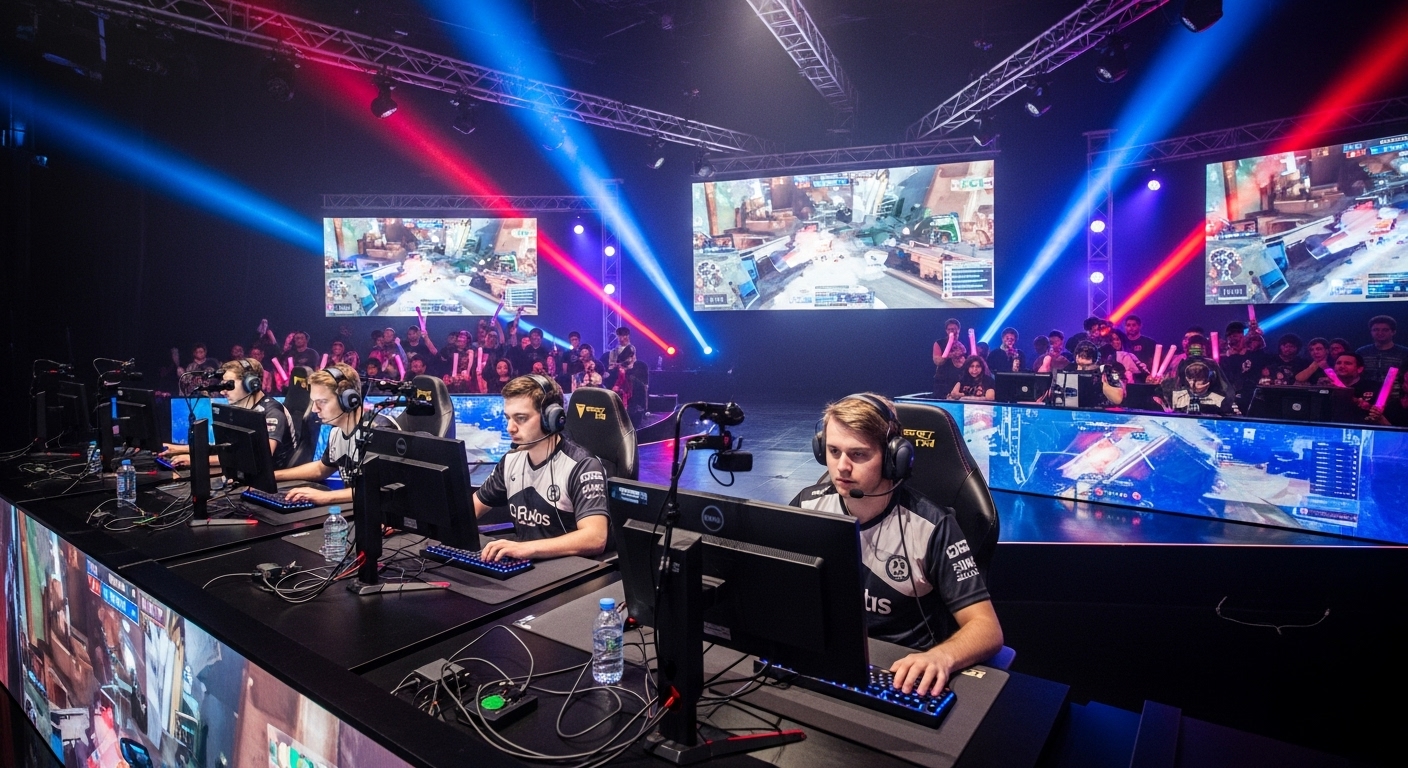
Esports professionals are not casual gamers—they’re elite competitors who dedicate countless hours to mastering their craft. A typical pro player trains between 8 to 12 hours daily, practicing mechanics, studying opponents, and coordinating with teammates.
Discipline and Lifestyle
The best players maintain strict routines involving diet, exercise, and mental conditioning. Teams employ coaches, analysts, and psychologists to ensure players perform at their peak. Mental toughness is just as crucial as quick reflexes. A single lapse in focus can cost an entire championship.
Unlike traditional athletes, Esports players peak earlier, often in their late teens or early twenties. Reaction times and hand-eye coordination decline with age, which means retirement can come sooner. Many move into streaming, coaching, or content creation after their competitive careers.
The Role of Community and Fandom
Esports thrives on community engagement. Fans aren’t just spectators—they’re participants who contribute to discussions, create memes, build fan art, and even fund tournaments through in-game purchases or donations.
Communities often form around specific games or teams, creating unique subcultures with their own traditions, rivalries, and inside jokes. Esports fandom feels personal because it developed online, where interaction between fans and players happens in real-time.
Large-scale conventions like DreamHack and BlizzCon serve as gathering points for these communities. They blend competition with culture, offering a festival-like atmosphere where fans can meet their heroes and celebrate shared passions.
Media Coverage and Mainstream Recognition
As Esports viewership rivaled traditional sports, mainstream media began to take notice. Major networks started broadcasting tournaments, and newspapers ran features on top players and teams. The inclusion of Esports as a medal event in the 2022 Asian Games was a symbolic milestone—it showed the world that digital competition can stand shoulder-to-shoulder with physical sports.
Universities now offer scholarships for Esports players, and schools are introducing gaming programs to nurture talent. This educational support legitimizes gaming as both a career path and an academic discipline.
Esports documentaries, TV shows, and even Hollywood films have helped tell the stories behind the screens, giving fans a closer look at the personalities, struggles, and triumphs of professional players.
Challenges in Esports: Growing Pains of a Young Industry
While the growth has been spectacular, Esports still faces several challenges.
Player Health and Burnout
The demanding schedule and constant pressure can lead to burnout, physical strain, and mental exhaustion. Some players retire prematurely due to repetitive stress injuries or anxiety. Organizations are becoming more aware of these issues, implementing rest periods and wellness programs.
Fair Play and Cheating
With big money involved, maintaining integrity is crucial. Cheating, match-fixing, and hacking have occasionally tainted the industry’s image. To combat this, leagues enforce strict regulations, employ anti-cheat technologies, and issue bans for offenders.
Gender and Diversity Gaps
Esports has been criticized for its lack of diversity and inclusivity. Although there are talented female and non-binary players, they often face harassment and fewer opportunities. Efforts are being made to create safer spaces and encourage broader participation, but progress is gradual.
Sustainability and Economics
Not every tournament or team is profitable. High operational costs, fluctuating sponsorships, and inconsistent audience retention make it difficult for smaller organizations to survive. The industry is learning to balance growth with financial stability.
Technology’s Role: Powering the Future of Competition
Technology sits at the heart of Esports’ evolution. High-performance hardware, faster internet speeds, and streaming innovations have turned gaming into a truly global spectacle.
The introduction of virtual reality (VR), augmented reality (AR), and artificial intelligence (AI) promises to transform how Esports are played and viewed. VR tournaments could immerse audiences directly into the game world, while AI analytics can provide deeper insights into strategy and performance.
5G technology will also make mobile Esports more accessible, particularly in developing countries where consoles or PCs are expensive. Mobile titles like PUBG Mobile, Free Fire, and Mobile Legends have already created massive competitive scenes in regions like Southeast Asia and South America.
Cultural Influence: More Than Just Games
Esports is not just an industry—it’s a cultural movement. It has influenced music, fashion, and even social behavior. Streetwear brands collaborate with teams, artists perform at gaming events, and players appear in advertising campaigns for global companies.
The line between traditional celebrity and gaming celebrity is fading. Esports players and streamers command enormous followings, shaping trends and opinions much like movie stars or athletes.
In many ways, Esports reflects the digital age itself: fast, connected, and constantly evolving.
Esports and Traditional Sports: The Great Convergence
At first, traditional sports saw Esports as a novelty. But as the audience for digital competitions grew, the overlap became impossible to ignore. Many sports organizations are now investing in Esports, launching their own teams or digital tournaments.
The reason is simple—Esports attracts younger audiences that traditional sports struggle to reach. The interactivity and global accessibility of gaming create deeper engagement.
Some experts believe the future will bring hybrid events that blend physical and digital competition. Imagine football teams training with virtual simulations or Formula 1 drivers competing in digital circuits before real races. The convergence of physical and digital sports could redefine what “competition” means altogether.
The Educational and Career Pathways in Esports
Beyond playing, Esports has opened doors to various career opportunities. Event management, marketing, broadcasting, game design, data analysis, and psychology are all part of the industry. Universities are adapting, offering degrees focused on Esports business, media production, and sports management.
The growth of these programs signifies that Esports isn’t just about playing games—it’s about understanding the complex ecosystem that supports it. Students learn about sponsorship, fan engagement, and digital storytelling, preparing them for careers in one of the fastest-growing industries in the world.
Esports and Social Connection
One of Esports’ greatest strengths is its ability to bring people together. Online gaming communities connect individuals across continents, languages, and cultures. For many, gaming is not just a hobby but a social lifeline—a place to meet friends, collaborate, and share victories.
During global events like the pandemic, Esports became even more important. With traditional sports and entertainment halted, online competitions continued, providing people with a sense of normalcy and connection during uncertain times.
The Future of Esports: Where Do We Go From Here?
The future of Esports is bright but uncertain. Growth is inevitable, but so are challenges. As the industry matures, sustainability will become the focus—creating systems that protect players, ensure fair play, and maintain audience interest.
We’ll likely see more government regulation, stronger unions for players, and closer collaboration between developers and organizers. The integration of advanced technology like AI coaching tools and immersive spectator experiences could redefine competitive gaming yet again.
Most importantly, Esports will continue to influence how society perceives sports, entertainment, and digital identity. It represents a generation raised online—creative, connected, and competitive.
Conclusion: More Than a Game
Esports is more than just playing video games—it’s about ambition, teamwork, creativity, and resilience. It’s about communities built across borders and stories of individuals turning passion into purpose.
From humble beginnings in university basements to global stadiums filled with roaring fans, Esports embodies how far digital culture has come. It mirrors humanity’s desire to compete, connect, and evolve.
As technology advances and generations change, one thing is clear: the world of Esports isn’t a passing trend. It’s the next era of competition—one that unites millions not through physical fields or courts, but through pixels, skill, and shared excitement.