Introduction: The Unstoppable Rise of Esports
Esports, once a niche hobby for a select group of gamers, has emerged as one of the most dynamic industries in the entertainment world. Over the past decade, competitive gaming has gone from underground tournaments to massive global events with multi-million-dollar prize pools. The rapid rise of esports has captured the attention of fans, investors, and even traditional sports organizations. But what is it about esports that makes it so compelling, and why has it grown into such a powerhouse?
What is Esports?
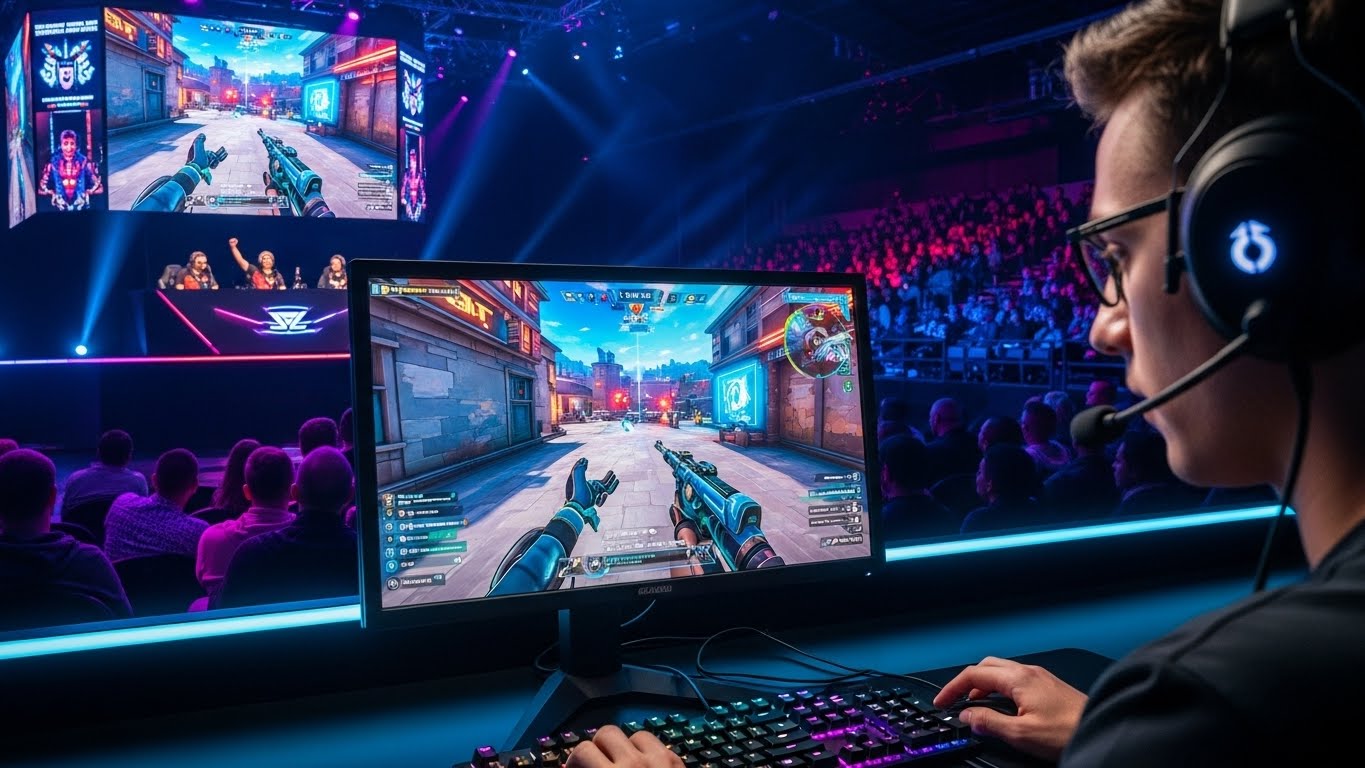
At its core, esports refers to organized, multiplayer video game competitions, especially between professional players, individually or as teams. Unlike casual gaming, esports demands skill, strategy, and intense practice. Popular genres include first-person shooters, real-time strategy games, and multiplayer online battle arenas (MOBAs). Titles like League of Legends, Dota 2, and Counter-Strike: Global Offensive have become household names, with professional leagues and tournaments being broadcast globally.
The Popularity Surge of Esports
Esports’ popularity can be attributed to several factors. First and foremost is its accessibility. Anyone with an internet connection can watch esports tournaments, thanks to platforms like Twitch and YouTube. Furthermore, the younger generation, which grew up with video games, is more inclined to embrace competitive gaming as a form of entertainment. Esports tournaments also cater to diverse audiences, with international teams and players, creating a global fanbase that transcends geographic boundaries.
The Professional Esports Player: More Than Just a Gamer
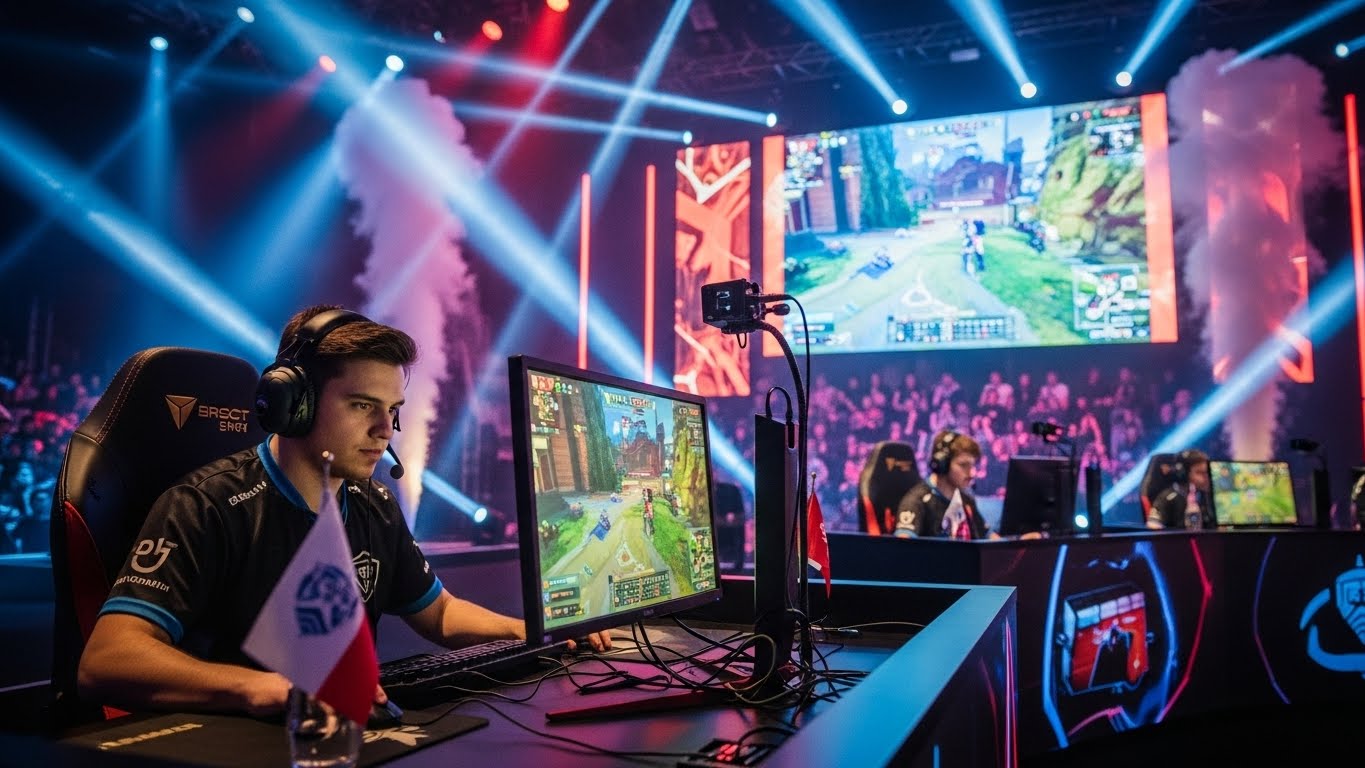
Being a professional esports player is not just about having quick reflexes and good game sense. It requires a high level of dedication, with players often practicing for 8-10 hours a day, studying opponents, refining strategies, and staying physically fit to maintain optimal focus. Players also work with coaches, analysts, and psychologists to stay mentally sharp. For many, esports is as demanding as traditional sports, if not more so due to the speed and intensity of modern gameplay.
The Business of Esports: A Thriving Industry
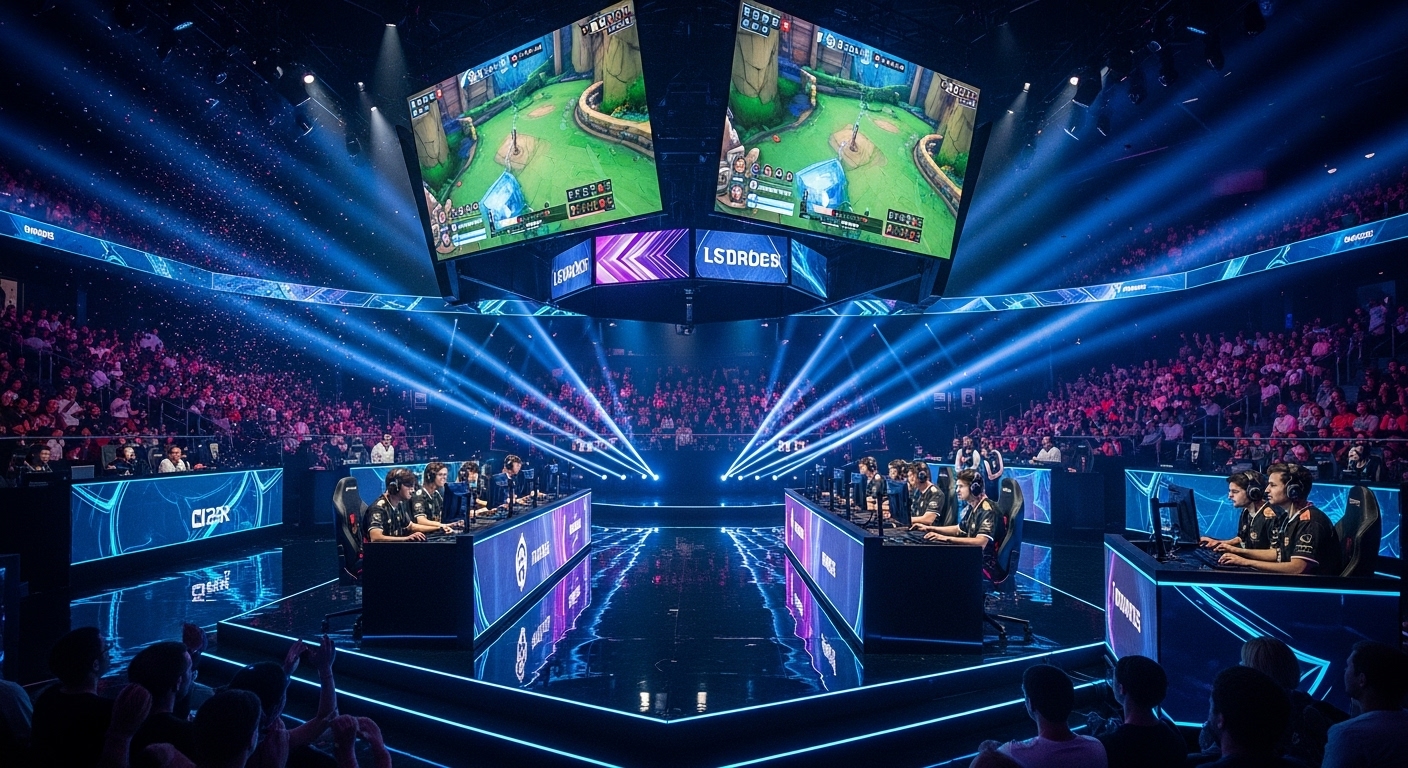
Esports is not just about the players; it’s an entire ecosystem built on sponsorships, advertising, broadcasting rights, merchandise, and live event tickets. Major brands like Coca-Cola, Intel, and Red Bull have entered the esports scene, sponsoring tournaments and teams. Esports organizations also generate significant revenue through media deals, with platforms like Twitch and YouTube streaming events to millions of viewers worldwide. With its ever-growing viewership, esports is attracting investment from traditional sports franchises and even Hollywood celebrities.
Esports in Education: A New Path for Students
As esports continues to gain legitimacy, educational institutions are also recognizing its potential. Many schools and universities now offer esports scholarships, allowing students to pursue their academic goals while competing at a high level. Some universities have even established varsity esports teams, giving students the chance to compete in organized leagues while earning a degree. This growing recognition of esports in education is opening up new career paths in game design, event management, broadcasting, and digital marketing.
Challenges Facing the Esports Industry
Despite its meteoric rise, esports is not without its challenges. Issues such as player burnout, the mental health of gamers, and the pressures of high-level competition are gaining more attention. There’s also the question of inclusivity, with calls for greater representation of women and underrepresented groups in the professional scene. Additionally, the lack of regulation and standardized rules across different games and leagues can create inconsistencies in how esports is managed at the global level.
The Future of Esports: Endless Possibilities
The future of esports looks incredibly promising. As technology continues to advance, the gaming experience will become more immersive through virtual reality (VR), augmented reality (AR), and artificial intelligence (AI). Esports events will likely become even more engaging, with live audience interactions, interactive viewing experiences, and the possibility of esports being integrated into traditional sports networks. The potential for esports to continue its growth into mainstream culture is undeniable, with some even predicting its inclusion in the Olympic Games.
Conclusion: A Permanent Fixture in the Entertainment Landscape
Esports has come a long way from being a pastime for enthusiasts to becoming a global entertainment industry. With its massive audience, high-stakes tournaments, and diverse range of opportunities, esports has proven that it is not just a passing trend. As it continues to evolve, esports will remain a defining part of the modern entertainment landscape, offering fans and players alike a unique blend of competition, technology, and community.