Introduction: Esports – A Global Phenomenon
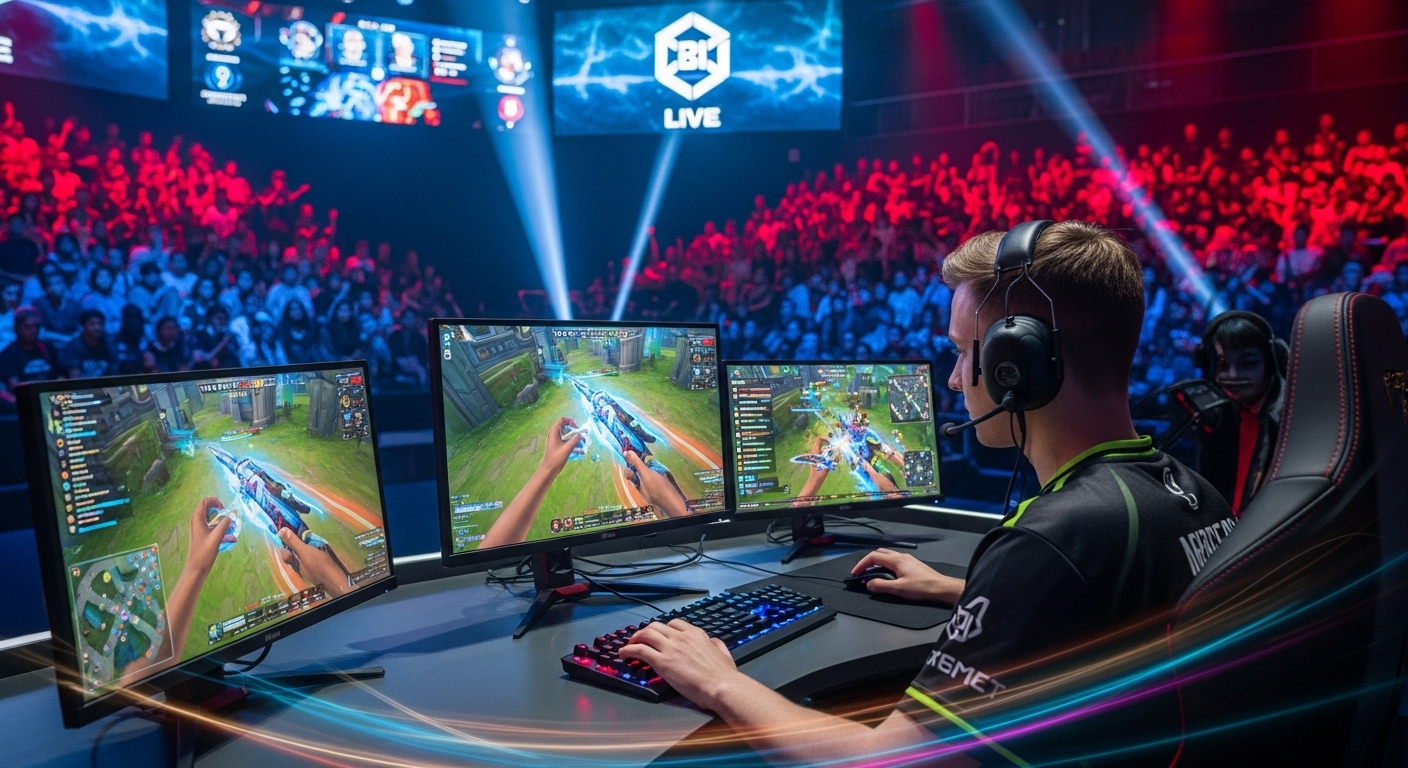
In recent years, esports has transitioned from a niche hobby to one of the most dominant forms of entertainment worldwide. What once was a simple pastime of gamers competing for bragging rights has now blossomed into a multi-billion-dollar industry. Esports, the umbrella term for organized, multiplayer video game competitions, has not only gained the attention of millions but also shaped a new era of digital competition. With large-scale tournaments, sponsorships from global brands, dedicated teams, and a passionate fanbase, esports has become a key player in the entertainment landscape. The rapid rise of esports is more than just a trend—it’s a digital revolution in how we engage with sports, media, and entertainment.
In this blog, we’ll explore the evolution of esports, its impact on traditional sports and entertainment, the rise of esports as a profession, and the future of this dynamic industry.
The Early Days of Esports: From LAN Parties to Global Tournaments
The history of esports can be traced back to the early days of multiplayer gaming. In the 1990s, with the rise of personal computers and the internet, games like “Doom” and “Warcraft” brought people together for multiplayer experiences. These early sessions were often informal LAN (Local Area Network) parties, where friends would connect their computers and compete in close quarters. These social gaming events laid the groundwork for the competitive gaming culture we know today.
The first major organized esports event is often credited to the 1997 Red Annihilation tournament for the game “Quake,” where the winner took home a Ferrari. This event is often seen as a turning point, where competitive gaming gained credibility as a serious form of entertainment. Over the next decade, online multiplayer games like “Counter-Strike,” “StarCraft,” and “Warcraft III” began to take center stage in competitive circles. These games had strong player communities, and the number of tournaments grew exponentially, particularly in South Korea, where “StarCraft” became a national obsession. By the mid-2000s, esports began to find its identity as an organized, professional pursuit.
The Growth of Esports: From Local Events to Global Spectacles
As internet speeds improved and streaming platforms like Twitch emerged in 2011, esports started to enter the mainstream. The ability to watch competitive gaming live, regardless of location, turned esports into a truly global spectacle. Viewers could tune in to watch professional players compete in real time, and the industry quickly found its audience.
The evolution of esports has been marked by growing prize pools, professional teams, dedicated fan bases, and increased media coverage. Major esports events, like the “League of Legends World Championship” or “The International” for Dota 2, now draw millions of viewers each year. Prize pools for these tournaments have reached unprecedented levels, with some tournaments offering multi-million-dollar payouts to winning teams.
The rise of platforms like Twitch and YouTube Gaming further fueled the growth of esports. Professional players became influencers, streamers, and celebrities in their own right, cultivating massive fan bases. In addition to live competitions, these platforms allowed fans to engage with players on a daily basis, creating a deeper connection between the esports community and its viewers.
Esports as a Profession: Athletes, Coaches, and Support Staff
As esports has evolved, it has become a viable career option for many talented players. Just like traditional sports, professional esports athletes dedicate their lives to perfecting their skills and competing at the highest level. These players train for hours every day, mastering their chosen game, refining strategies, and analyzing opponent tactics.
However, esports athletes are not the only professionals in the industry. Behind every successful team is a full support staff. Coaches, analysts, psychologists, and even nutritionists now play vital roles in the development and success of a team. Just as a professional football team hires experts to improve performance, esports organizations invest in personnel who can optimize player mental health, strategy, and overall wellbeing.
The salaries for top-tier esports players are impressive, with some earning millions of dollars annually through tournament winnings, sponsorships, and streaming deals. While it is still a competitive and challenging career path, it is clear that esports offers opportunities for talented individuals to build lasting careers in the gaming industry.
The Impact of Esports on Traditional Sports and Entertainment
Esports’ rise to prominence has had a profound impact on traditional sports and the entertainment industry as a whole. The intersection of esports and traditional sports is most evident in the rise of esports leagues tied to established sports organizations. For instance, the National Football League (NFL) and the National Basketball Association (NBA) have both launched their own esports leagues, allowing fans to engage with their favorite sports in a new way. These partnerships highlight the fact that esports is not just a niche hobby but a legitimate form of entertainment that attracts millions.
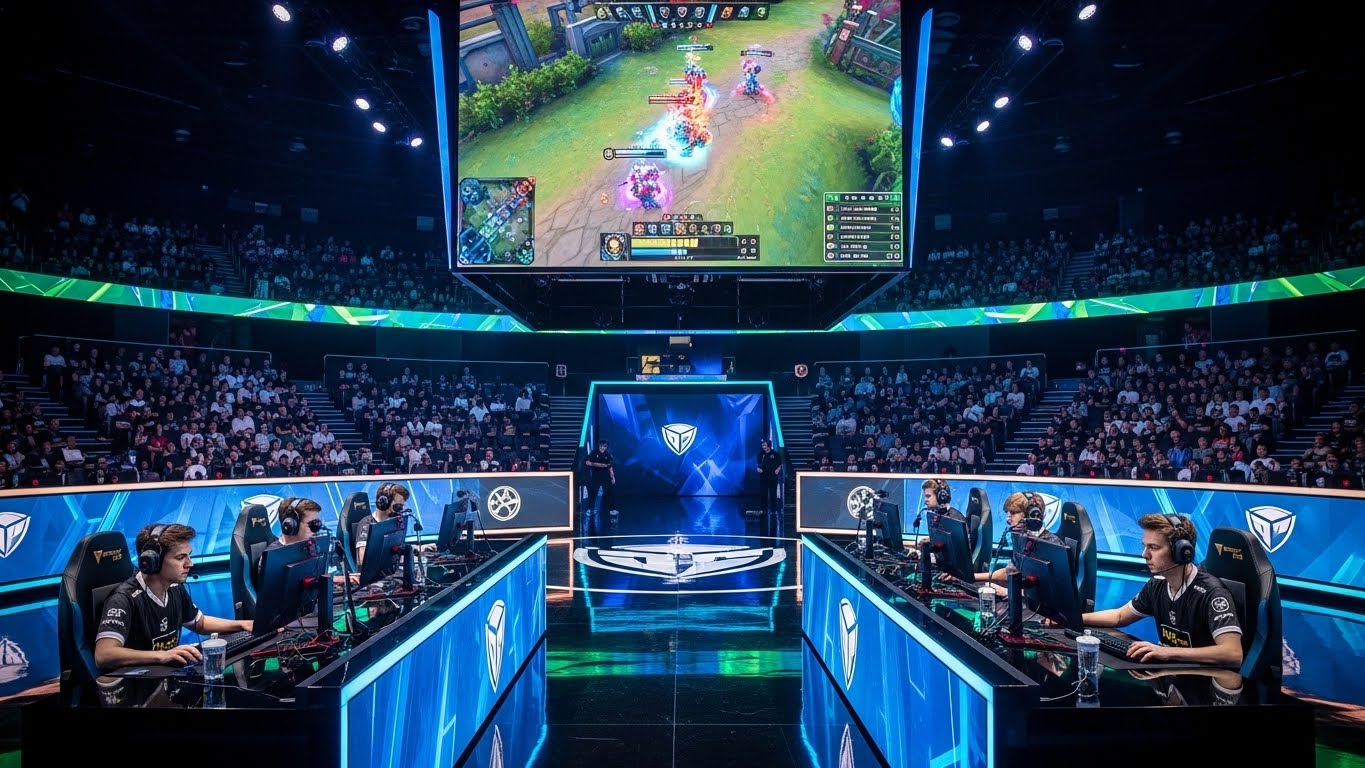
Esports also plays a key role in the digital transformation of traditional sports broadcasting. Traditional media channels like ESPN have started to air esports events alongside traditional sports. This shift underscores the growing appeal of esports to a mainstream audience. Esports tournaments have become as visually stunning and professionally organized as traditional sporting events, complete with broadcast crews, commentators, and high-quality production value.
Further, esports has bridged generational divides. While traditional sports may appeal to a specific demographic, esports has attracted a younger, tech-savvy audience that is increasingly digital-first. This shift in viewership habits has forced traditional sports to adapt, with many leagues embracing social media, online streaming, and interactive fan engagement to stay relevant.
Esports Ecosystem: Teams, Sponsors, and Content Creators
The esports ecosystem is built upon a robust network of teams, sponsors, game developers, media platforms, and content creators. Esports organizations, such as Cloud9, Team Liquid, and FaZe Clan, have become iconic names, attracting large fan bases and securing lucrative sponsorship deals with global brands.
Sponsorship is a driving force in the esports industry. Major brands like Coca-Cola, Intel, Mercedes-Benz, and Nike have all invested heavily in esports, recognizing the value of reaching the millennial and Gen Z demographic. These sponsorships allow esports teams to pay players and coaches, fund tournaments, and expand their operations.
In addition to team-based competition, content creators and streamers also play an essential role in the esports ecosystem. Popular streamers like Ninja, Shroud, and Pokimane have amassed millions of followers, creating a new type of celebrity in the digital space. These content creators can monetize their audiences through subscriptions, donations, sponsorships, and advertising revenue, making them integral to the growth of the esports ecosystem.
Esports and Technology: Innovation Driving the Future
Esports has always been at the cutting edge of technology. The constant drive for better performance, graphics, and user experiences has spurred advancements in gaming hardware, streaming platforms, and virtual reality. Today, high-end gaming PCs, consoles, and peripherals are essential tools for players and content creators alike, and technology continues to evolve rapidly.
Virtual reality (VR) and augmented reality (AR) are poised to be the next big thing in esports. While they are still in the early stages of adoption, VR and AR have the potential to create immersive, interactive experiences for both players and fans. Imagine watching an esports tournament where fans can interact with the game world in real-time or experiencing the action from a player’s perspective through VR headsets. The possibilities are limitless.
In addition to VR and AR, AI is also making its way into esports. AI-driven bots and analytics tools are used to help players refine their strategies, track opponent movements, and simulate in-game scenarios. These technologies enhance the level of competition, giving players a digital edge in practice and performance.
The Global Impact of Esports: A Unified Community
Esports has become a truly global phenomenon. Players, teams, and fans come from all corners of the world, making esports one of the most inclusive and diverse forms of entertainment. Tournaments such as “The International” in Dota 2 and “League of Legends World Championship” have participants from different continents, showcasing the global reach of esports. As a result, esports has fostered a sense of unity and camaraderie among fans, who can interact with others regardless of language barriers through online platforms and social media.
Moreover, the increasing presence of esports in schools and universities has helped establish a new generation of esports enthusiasts and professionals. Esports scholarships are becoming more common, providing talented players with opportunities to pursue their passion while obtaining a degree. These initiatives further validate esports as an academic and professional pursuit.
The Future of Esports: Challenges and Opportunities
As esports continues to grow, several challenges need to be addressed. Player burnout, mental health, and the sustainability of tournament structures are all areas that require attention. As esports becomes more professional, ensuring that players’ well-being is prioritized is critical for the long-term success of the industry.
Despite these challenges, the future of esports looks incredibly promising. With technological advancements, increased investment, and the potential for esports to be included in traditional sporting events like the Olympics, the industry is set for even greater expansion. New game titles, innovations in VR and AR, and increasing fan engagement are just a few of the opportunities on the horizon.
Conclusion: A New Age of Entertainment
Esports is more than just a game—it’s a global movement that has revolutionized competitive entertainment. From its humble beginnings in local LAN parties to its current status as a multi-billion-dollar industry, esports has proven its staying power. With professional players, large-scale tournaments, global audiences, and massive sponsorship deals, esports has firmly established itself as a legitimate force in the world of entertainment. As technology continues to advance and new generations of fans and players emerge, esports will only continue to grow, redefine competition, and shape the future of digital entertainment.