Introduction: The Rise of Esports in Modern Culture
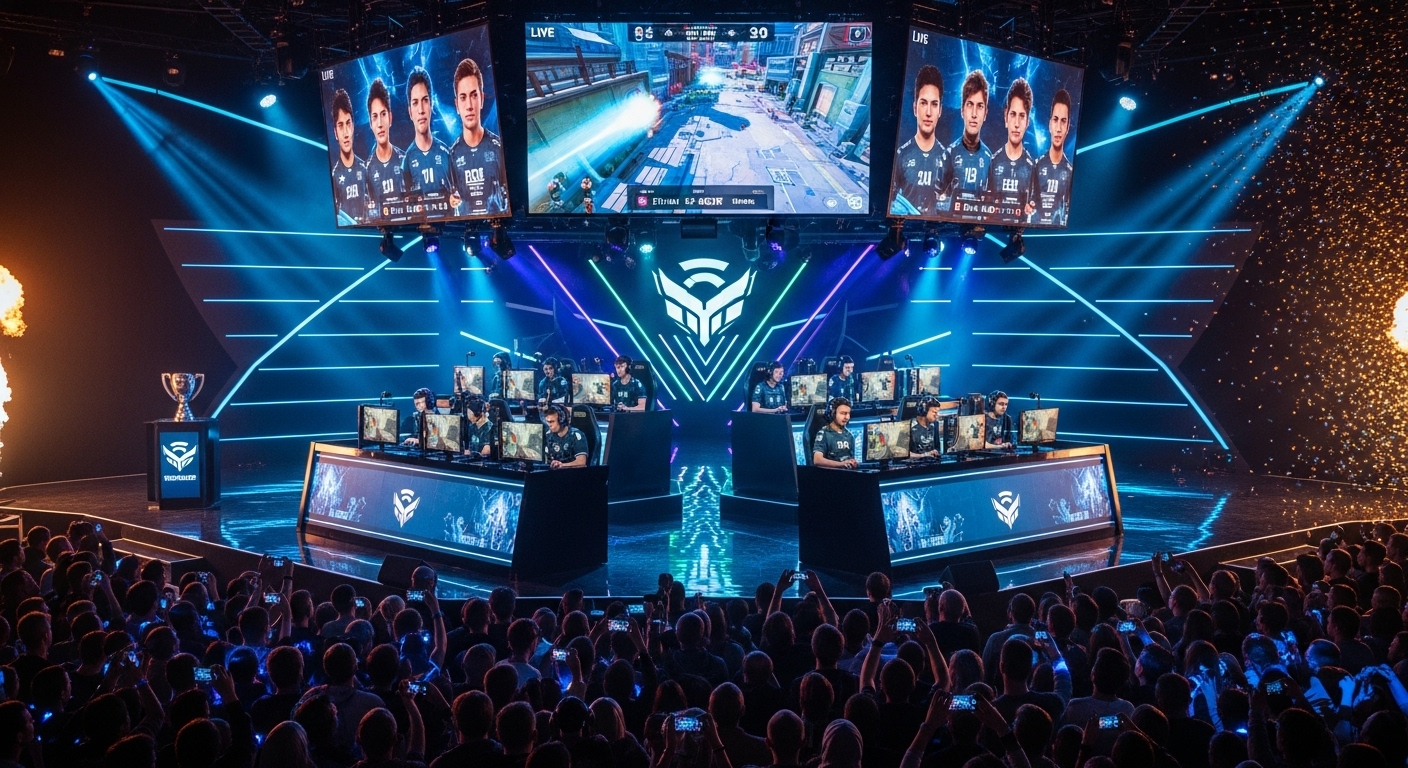
In the past decade, esports has transitioned from niche hobbyist competitions to a global phenomenon, capturing the attention of millions of fans worldwide. Esports, short for electronic sports, refers to organized competitive video gaming where professional players and teams compete in tournaments across various games and genres. The industry has grown exponentially, attracting significant investment, media coverage, and corporate sponsorships. Once dismissed as mere gaming, esports has now earned recognition as a legitimate form of sport and entertainment, blending skill, strategy, and entertainment in ways that rival traditional sports. This blog explores the evolution of esports, its cultural and economic impact, the dedication of players, and the future of this dynamic industry.
Understanding Esports: What Makes It Unique
Esports is not just casual gaming; it is a highly competitive and structured environment. Professional esports players dedicate countless hours to practice, strategy, and team coordination. Unlike traditional sports, esports relies heavily on mental agility, hand-eye coordination, and quick decision-making. The games played in esports competitions vary widely, ranging from real-time strategy and first-person shooters to multiplayer online battle arenas and sports simulations. Each game requires a unique set of skills and tactics, demanding intense focus and precision from players.
In addition to competition, esports also includes broadcasting, commentary, coaching, analytics, and content creation. The ecosystem surrounding esports provides opportunities beyond playing, making it a multifaceted industry that combines entertainment, technology, and business.
The Origins of Esports: From Arcades to Online Arenas
The roots of esports can be traced back to the early days of arcade gaming, where players competed for high scores in local arcades. These competitions laid the groundwork for organized gaming events and the recognition of skill-based achievement in video games. With the advent of home consoles and personal computers, gaming became more accessible, and competitive play began to expand beyond physical locations.
The introduction of online multiplayer games revolutionized competitive gaming, allowing players from different regions to compete against each other. Titles such as Counter-Strike, StarCraft, and Warcraft pioneered professional gaming, attracting dedicated audiences and laying the foundation for the global esports scene. These early competitions demonstrated that video games could provide a structured, skill-based form of competition, similar to traditional sports.
Professionalization and Structure in Esports
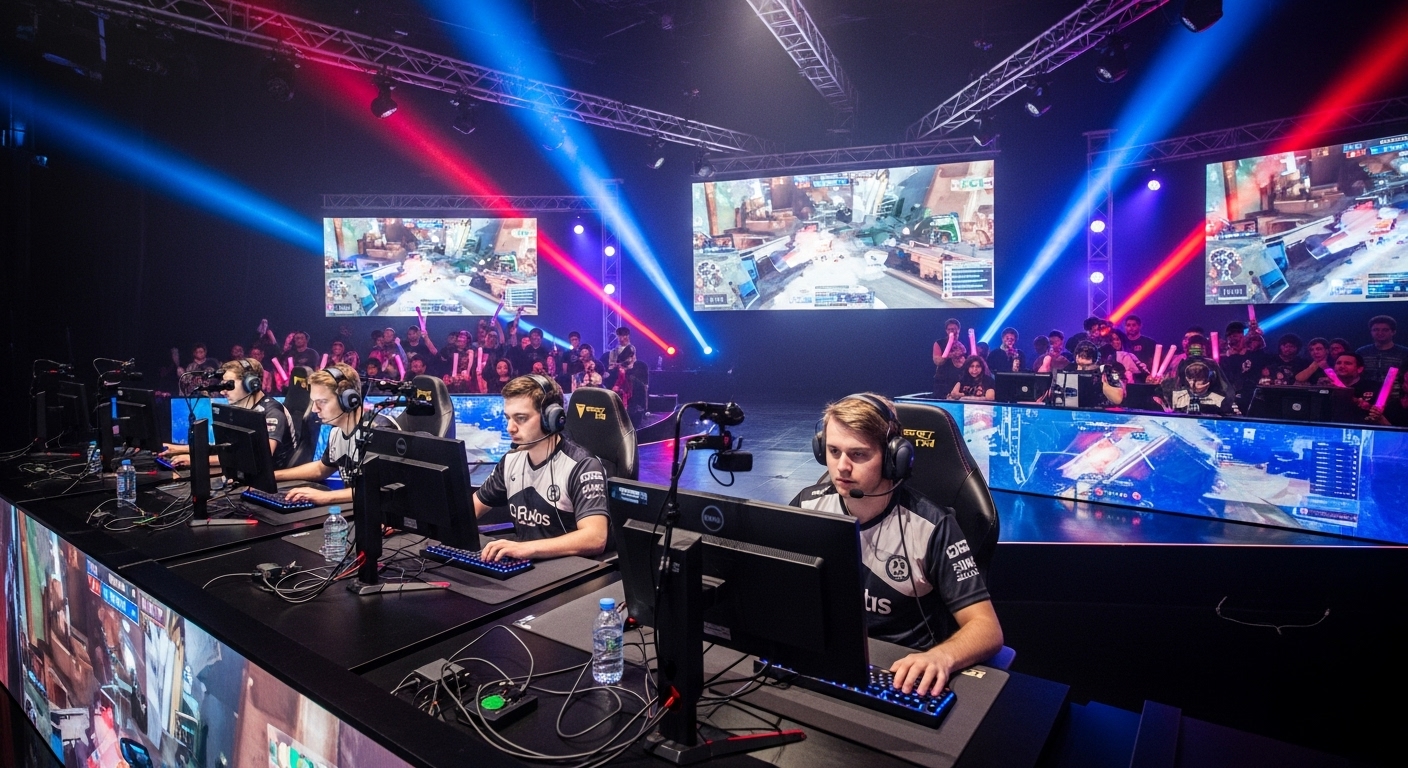
Professional esports has become increasingly structured, mirroring the organization of traditional sports leagues. Teams are formed with specialized roles for players, coaches, analysts, and managers. Analysts examine opponents’ strategies and player performance, while coaches focus on team dynamics, communication, and mental preparation. Teams often operate with rigorous schedules, training for several hours daily to improve reflexes, coordination, and strategic execution.
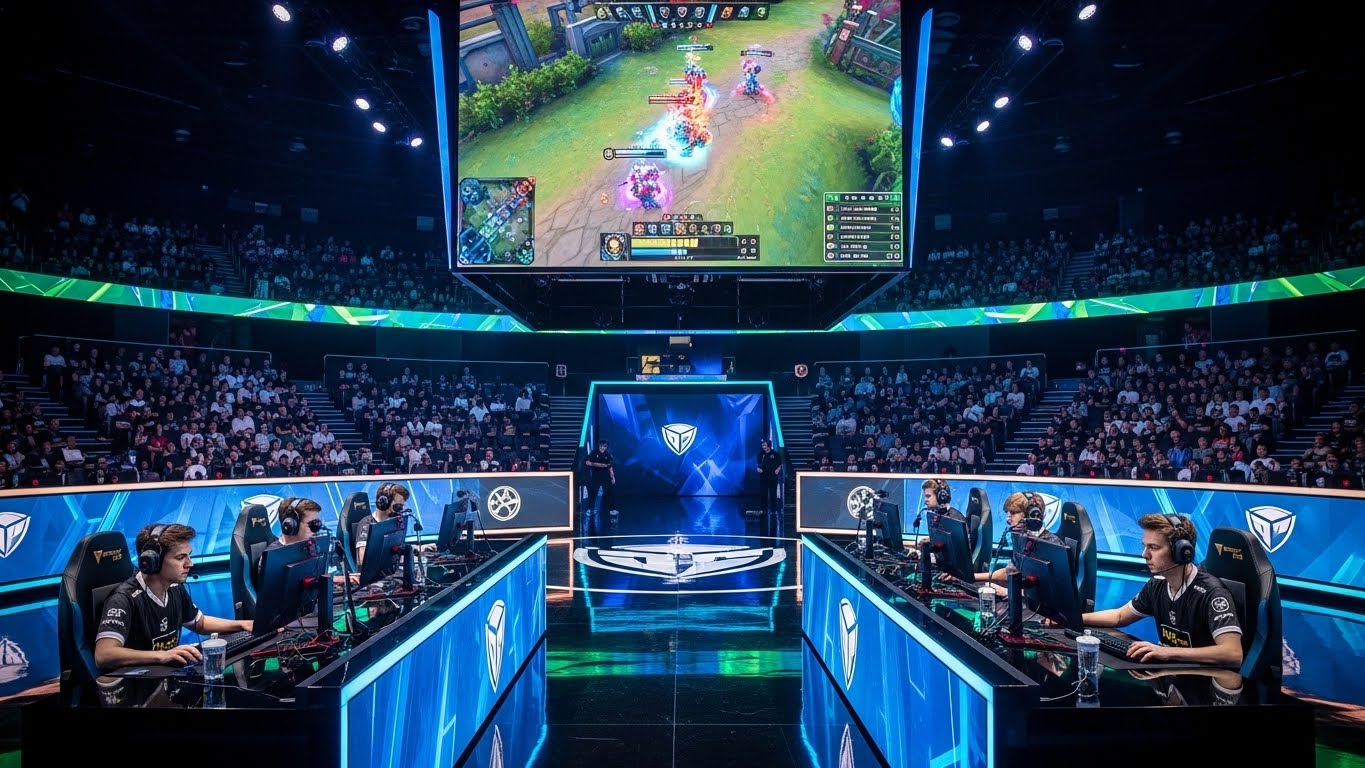
Tournaments are now highly organized events with standardized rules, prize pools, and broadcasting. Events like the League of Legends World Championship, Dota 2’s The International, and the Fortnite World Cup have attracted millions of viewers and multi-million-dollar prize money. The professionalism of esports has elevated it from casual gaming to a career path with significant financial and personal rewards.
The Global Appeal of Esports
One of esports’ most remarkable aspects is its universal appeal. Unlike traditional sports, which may be regionally popular, esports transcends geographic, cultural, and language barriers. Fans from around the world can follow their favorite teams, participate in online discussions, and attend live tournaments. Major events are often broadcast with multilingual commentary to reach global audiences.
The accessibility of gaming devices and online platforms ensures that esports can reach virtually anyone with an internet connection. This inclusivity has contributed to the rapid growth of esports, making it a global cultural phenomenon that unites players and fans across continents.
Popular Esports Genres and Games
Esports encompasses a wide range of genres, each with unique gameplay mechanics and competitive dynamics. Multiplayer online battle arenas (MOBAs) such as League of Legends and Dota 2 emphasize teamwork, strategy, and resource management. First-person shooters (FPS) like Counter-Strike: Global Offensive and Call of Duty test reflexes, precision, and tactical awareness. Battle royale games like Fortnite and PUBG combine strategy, survival, and fast-paced action. Sports simulations such as FIFA and NBA 2K bring traditional sports into the digital arena, providing realistic competition for fans and players alike.
The diversity of esports genres allows it to cater to various interests and skill sets, broadening its audience and sustaining long-term engagement.
The Economic Impact of Esports
Esports is a billion-dollar industry with a significant economic footprint. Revenue streams include sponsorships, advertising, merchandise, broadcasting rights, ticket sales for live events, and digital content creation. Major brands have recognized the marketing potential of esports, investing in teams, tournaments, and streaming platforms to reach engaged and digitally-savvy audiences.
The industry also creates employment opportunities beyond professional players. Analysts, commentators, event organizers, marketing professionals, game developers, and content creators all contribute to the esports ecosystem. Universities have even begun offering scholarships for esports athletes, further solidifying its legitimacy as a professional field.
The Social and Cultural Significance of Esports
Esports has become an influential part of modern culture, particularly among younger generations. Gaming communities foster collaboration, creativity, and social interaction. Fans engage in live streaming, content creation, and online discussions, creating vibrant ecosystems around their favorite games. Esports also influences fashion, music, and lifestyle trends, integrating gaming into broader cultural experiences.
Moreover, esports offers a sense of identity and belonging. Fans often associate with specific teams or players, participating in events and discussions that strengthen community bonds. This cultural significance underscores esports’ role as a social and recreational force, shaping how people interact and express themselves.
Challenges in the Esports Industry
Despite its growth, esports faces several challenges. Player burnout and mental health concerns are significant issues due to long training hours, travel schedules, and the pressures of competition. Ensuring fair play is another challenge, as cheating and unethical practices can undermine the integrity of competitions. Regulatory frameworks are still evolving, with different countries imposing varying degrees of oversight on esports activities.
Additionally, maintaining financial sustainability for smaller teams and emerging players remains a challenge. While top-tier teams and tournaments receive substantial funding, grassroots players often struggle to secure resources, creating disparities in opportunity and exposure. Addressing these challenges is essential for the long-term growth and credibility of esports.
Education and Career Opportunities in Esports
The rise of esports has opened diverse career opportunities beyond playing professionally. Universities offer programs in esports management, game design, broadcasting, and analytics. High schools and colleges host competitive leagues, nurturing talent and teaching teamwork, leadership, and strategic thinking.
Careers in coaching, content creation, marketing, event management, and software development provide pathways for individuals passionate about gaming. These opportunities demonstrate that esports is not merely entertainment but a viable professional ecosystem supporting innovation and creativity.
The Future of Esports: Technology and Innovation
The future of esports promises continued innovation and growth. Emerging technologies such as virtual reality, augmented reality, and artificial intelligence are likely to transform competitive gaming by enhancing immersion, realism, and training methods. AI-driven analytics can help players refine strategies and optimize performance, while VR and AR could redefine viewer experiences by offering interactive perspectives of matches.
Global connectivity and streaming advancements will continue to expand esports’ reach, making competitions more accessible and engaging. With new games, innovative tournament formats, and technological advancements, esports is poised to remain a central pillar of digital entertainment and competitive culture.
Conclusion: Esports as a Defining Force in Entertainment
Esports has transformed competitive gaming into a global phenomenon, blending skill, strategy, and entertainment in a way that resonates with millions. It has redefined what it means to be an athlete, a fan, and a content creator in the digital age. Beyond the games themselves, esports has created careers, cultural communities, and economic opportunities, proving its legitimacy as a major form of modern entertainment.
As technology continues to evolve and esports gains broader recognition, it will likely become even more immersive, interactive, and influential. Esports represents the intersection of competition, creativity, and technology—a digital coliseum where players showcase skill, fans celebrate passion, and the future of entertainment is continually reimagined.