Introduction: When Gaming Became More Than a Pastime
Esports, once dismissed as casual gaming among friends, has evolved into a global competitive industry worth billions. What started in small internet cafés and living rooms has transformed into packed stadiums, international tournaments, celebrity players, and passionate fan bases. Today, esports is not only entertainment but also a career path, a cultural movement, and a technological showcase. Its rise reflects changing attitudes toward competition, media consumption, and digital community building in the modern world.
The Early Roots of Competitive Gaming
The origins of esports can be traced back to the late twentieth century, when arcade competitions and early computer games allowed players to test their skills against one another. These events were modest in scale, often organized by enthusiasts rather than corporations. Yet, they planted the seed for something much larger. As internet connectivity improved, competitive gaming moved online, allowing players from different regions to compete without physical boundaries. This shift laid the foundation for structured tournaments and professional teams.
The Internet Revolution and Online Communities
The growth of esports is inseparable from the rise of the internet. High-speed connections made real-time multiplayer gaming possible, while online forums and streaming platforms enabled players to share strategies, highlight moments, and build reputations. Communities formed around specific games, fostering loyalty and long-term engagement. Fans were no longer passive spectators; they actively participated by discussing matches, supporting players, and even influencing game development through feedback.
The Rise of Professional Players
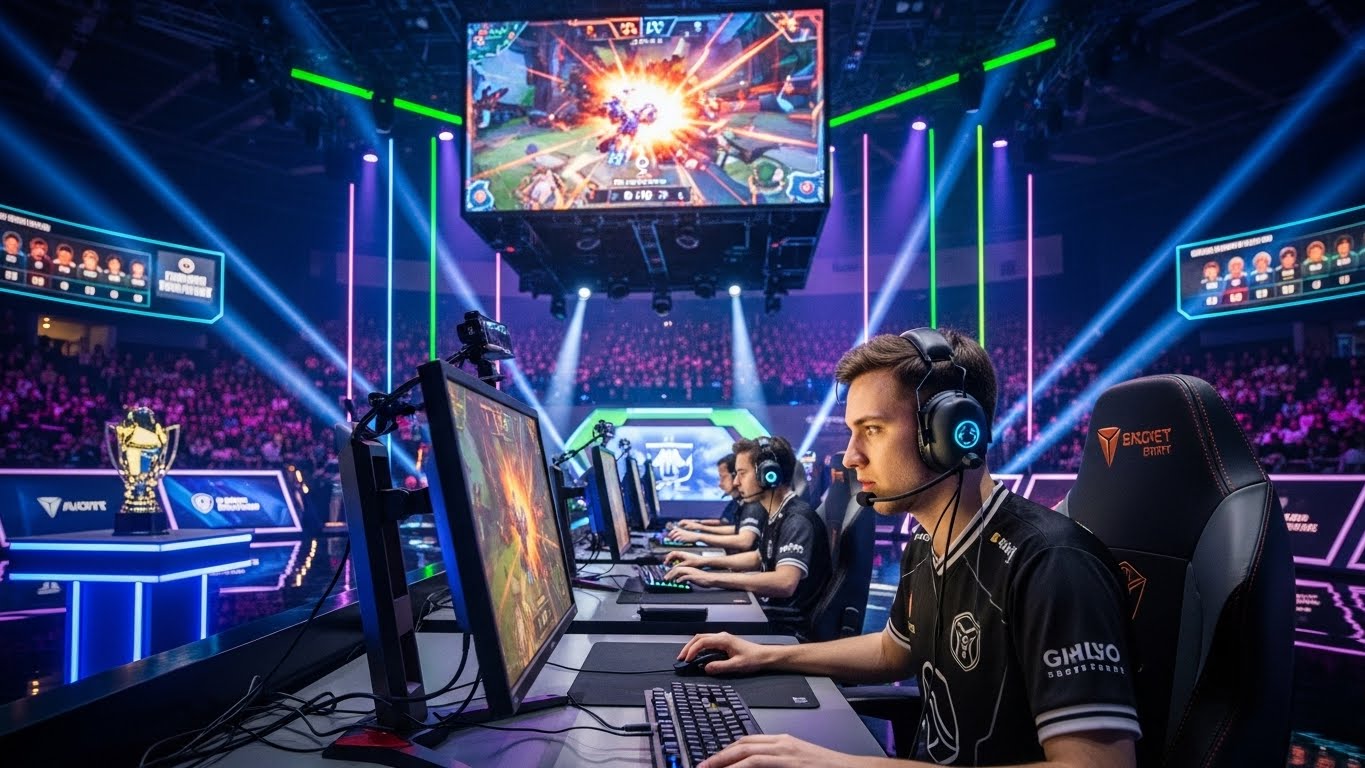
As esports gained popularity, skilled players began dedicating significant time to mastering their games. What was once considered a hobby slowly turned into a profession. Professional esports players now follow disciplined routines that include practice sessions, strategy analysis, physical fitness, and mental conditioning. Many sign contracts with teams, earn salaries, and compete for prize pools that rival those of traditional sports tournaments. Their journeys inspire younger generations who see esports as a legitimate career option.
Teams, Organizations, and Global Leagues
Behind every successful esports player is a structured organization. Teams are supported by coaches, analysts, managers, and content creators. These organizations operate much like traditional sports clubs, focusing on branding, sponsorships, and fan engagement. Global leagues and seasonal tournaments provide continuity and narrative, allowing fans to follow rivalries and storylines over time. This professional ecosystem has helped stabilize esports and attract long-term investment.
Technology as the Driving Force
Esports thrives on technological advancement. Powerful gaming hardware, advanced graphics engines, and low-latency networks ensure fair and exciting competition. Streaming technology has been equally important, allowing millions of viewers to watch matches live from anywhere in the world. Innovations such as virtual reality, augmented reality, and artificial intelligence promise to further enhance the spectator experience, making esports even more immersive and interactive.
Esports as a Spectator Experience
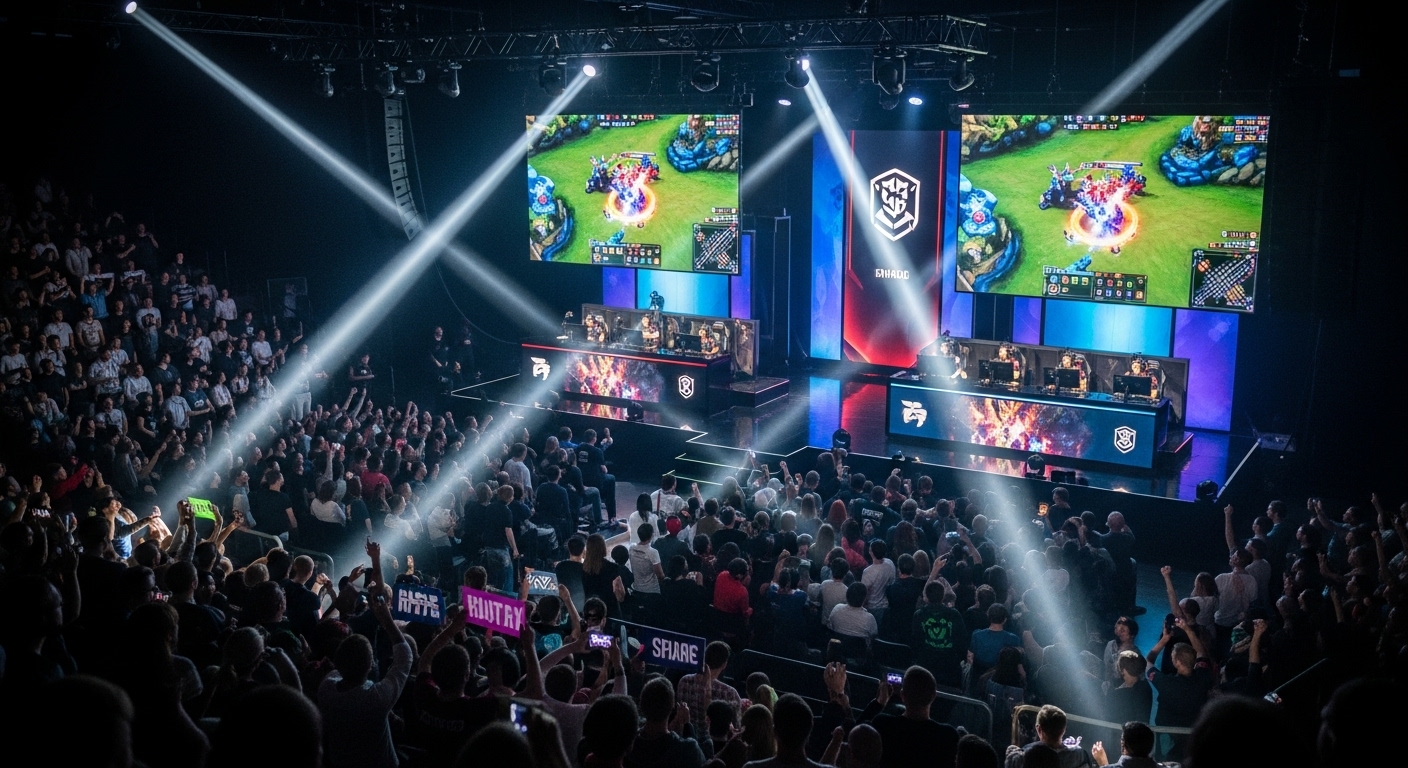
Watching esports is no longer limited to hardcore gamers. Professional broadcasts feature commentators, analysts, and high-quality production comparable to traditional sports television. Storytelling plays a crucial role, highlighting player backgrounds, team rivalries, and dramatic comebacks. This narrative approach helps new viewers connect emotionally, even if they are unfamiliar with the game mechanics. As a result, esports events now attract diverse audiences across age groups and cultures.
Economic Impact and Industry Growth
The esports industry has become a significant economic force. Revenue streams include sponsorships, merchandise, ticket sales, media rights, and in-game purchases. Major brands from outside the gaming world have entered the space, recognizing the value of reaching younger, digitally savvy audiences. Cities that host major tournaments benefit from tourism and international exposure. This economic impact demonstrates that esports is not a passing trend but a sustainable industry.
Education and Career Opportunities
Beyond professional play, esports has created numerous career paths. Universities and colleges now offer esports programs, scholarships, and research opportunities. Careers range from game design and event management to marketing and data analysis. These opportunities highlight the interdisciplinary nature of esports, combining technology, business, psychology, and creativity. For many students, esports provides a practical way to apply academic knowledge in a real-world setting.
Cultural Influence and Social Connection
Esports has reshaped how people connect and express themselves. Online platforms allow fans to interact directly with players and teams, breaking down traditional barriers between celebrities and audiences. Gaming culture influences fashion, music, and language, becoming a defining element of youth identity. Esports also promotes inclusivity by bringing together individuals from different backgrounds who share a common passion.
Challenges Facing the Esports World
Despite its success, esports faces several challenges. Issues such as player burnout, mental health, and career longevity require careful attention. The fast-paced nature of the industry can be demanding, especially for young players under constant public scrutiny. Additionally, maintaining competitive integrity and ensuring fair play are ongoing concerns. Addressing these challenges is essential for the long-term health of esports.
The Role of Game Developers
Game developers play a unique role in esports, as they control the competitive environment. Balance updates, rule changes, and tournament support can significantly impact the scene. Successful developers collaborate closely with players and organizations to maintain fairness and excitement. This relationship between creators and competitors is unlike anything seen in traditional sports, adding both flexibility and complexity to esports management.
Esports and Traditional Sports: A Shared Future
Rather than competing with traditional sports, esports increasingly complements them. Many sports organizations have launched their own esports divisions, recognizing the potential for crossover audiences. Training methods, analytics, and fan engagement strategies are often shared between the two worlds. This convergence suggests a future where physical and digital sports coexist, each enhancing the other.
The Global Reach of Esports
One of esports’ greatest strengths is its global nature. Players from different continents regularly compete on equal footing, united by shared rules and digital platforms. International tournaments celebrate cultural diversity while fostering mutual respect and sportsmanship. This global reach makes esports a powerful tool for cross-cultural exchange and understanding in an increasingly connected world.
The Future of Competitive Gaming
Looking ahead, esports shows no signs of slowing down. Advances in technology will continue to expand what is possible, from more realistic game environments to innovative viewing experiences. As acceptance grows, esports may become even more integrated into mainstream culture, education, and entertainment. The next generation will likely view esports not as an alternative to traditional sports, but as a natural part of the competitive landscape.
Conclusion: A New Arena for Human Competition
Esports represents more than digital games played at a high level. It reflects how technology reshapes competition, community, and culture. From humble beginnings to global prominence, esports has proven its ability to adapt and thrive. As players, fans, and innovators continue to push boundaries, esports stands as a symbol of modern creativity and ambition. The arena may be virtual, but the passion, skill, and impact are undeniably real.