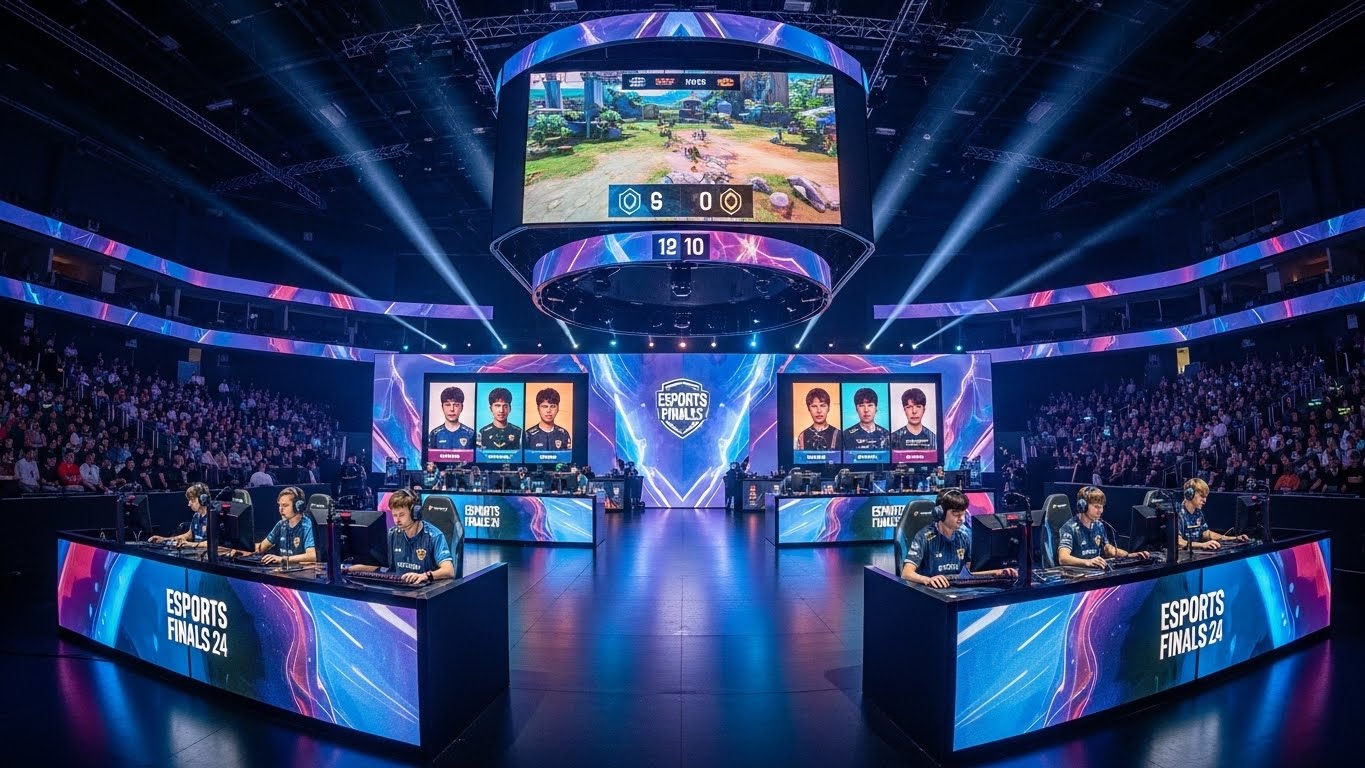
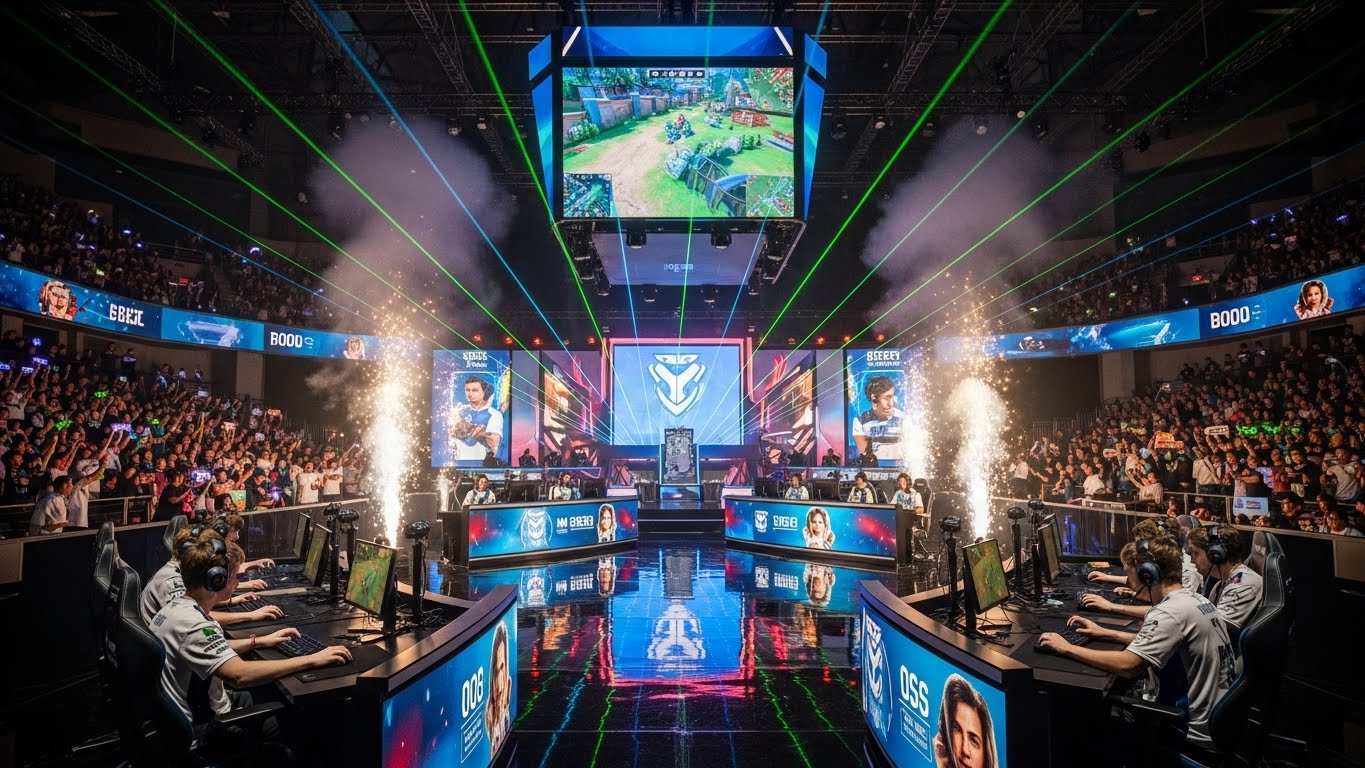
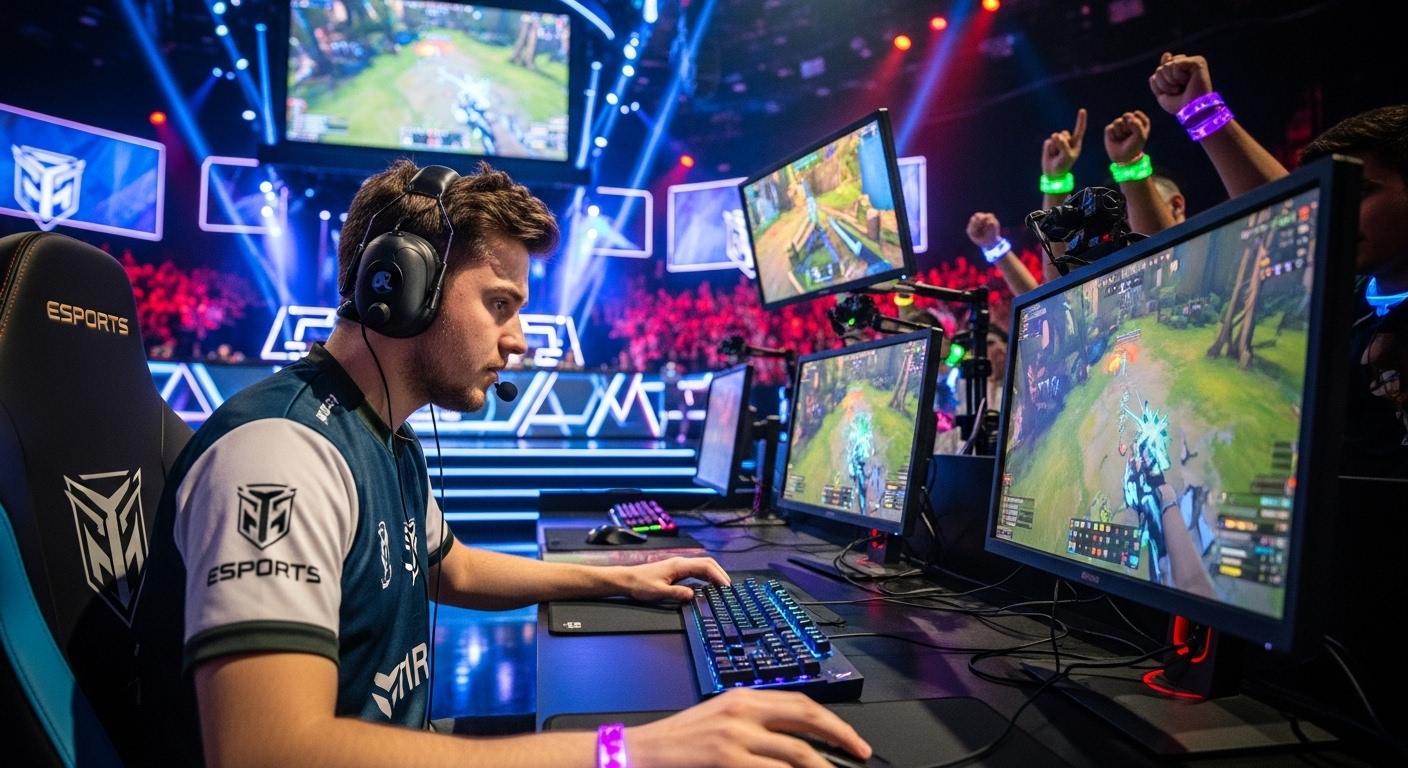
Esports has transformed from small-scale LAN events into one of the most influential global entertainment industries, drawing millions of viewers and professional players from all around the world. Its rise to prominence, however, hasn’t been fueled solely by the growth of technology or the popularity of competitive gaming. One of the most significant driving forces behind this global expansion is localization—the process of adapting content, language, and cultural elements to fit different regions.
Localization goes far beyond simple translation. It involves understanding the cultural nuances, preferences, and gaming habits of players from different countries and integrating these insights into the esports experience. By embracing localization, esports organizations, game developers, and tournament hosts have managed to bridge cultural divides, attract new audiences, and turn esports into a truly global phenomenon.
In this comprehensive blog, we’ll explore how localization has expanded esports globally, why it’s essential for growth, and how it continues to shape the industry’s future.
Understanding Localization in Esports
Localization refers to more than just converting text from one language to another. In esports, it encompasses a wide range of adaptations—language translation, commentary in regional dialects, local event organization, culturally appropriate marketing, and even customized in-game elements.
When developers and tournament organizers localize their content, they tailor the experience for audiences from specific regions. This may include translating game interfaces and storylines, hiring local shoutcasters (commentators), scheduling events according to regional time zones, or creating marketing campaigns that resonate with local values and humor.
Localization ensures that players and viewers from different parts of the world can connect emotionally and culturally with esports. It transforms esports from a niche pastime into a mainstream form of entertainment that feels personal, accessible, and relevant everywhere.
Breaking Language Barriers
One of the most immediate benefits of localization is the removal of language barriers. Esports is a communication-heavy industry—players, fans, and commentators all rely on clear understanding to enjoy and engage with the experience.
When tournaments are broadcast in multiple languages, more people can participate in the excitement. Viewers from Korea, China, France, Brazil, and countless other nations can experience the thrill of competition in their own language.
Games like League of Legends and Dota 2 have localized versions in dozens of languages, complete with translated text, dubbed voice lines, and localized in-game events. This inclusivity allows players worldwide to feel equally valued and connected to the game’s universe.
For example, Riot Games provides commentary in over 20 languages during major tournaments, ensuring that every fan can follow the action. Similarly, Valve’s The International—one of the biggest esports events in the world—features multilingual broadcasts, making it a truly global spectacle.
Without localization, esports would remain confined to a few regions. With it, the competitive gaming scene becomes a shared cultural experience that transcends borders.
Cultural Adaptation and Regional Relevance
Localization isn’t only about words—it’s about understanding culture. Each region has its own values, humor, traditions, and gaming preferences. Esports companies that recognize these differences can better connect with local audiences.
For example, marketing strategies that work in the United States may not resonate in Japan or the Middle East. Asian audiences often value collective achievement and team identity, while Western audiences may focus more on individual player stories and rivalries.
Game developers often incorporate regional festivals, clothing styles, and mythologies into their content to strengthen local appeal. Overwatch, for instance, has introduced character skins and seasonal events that reflect different cultural celebrations like the Lunar New Year. This not only builds appreciation but also makes international players feel represented and respected.
Localization helps esports become more than just a global industry—it makes it a multicultural community.
Localized Esports Leagues and Tournaments
The establishment of localized esports leagues has been one of the most effective ways to expand esports globally. Instead of relying solely on global tournaments, companies now create regional competitions to foster local fanbases and player ecosystems.
A prime example is the Overwatch League, which introduced city-based franchises such as Seoul Dynasty, London Spitfire, and New York Excelsior. This model mirrors traditional sports leagues and encourages regional loyalty.
Similarly, League of Legends operates multiple regional leagues—the LCS in North America, LEC in Europe, LCK in Korea, LPL in China, and many others. These leagues are more than just competitions—they’re cultural hubs where local fans can cheer for teams that represent their regions.
This regional focus also helps identify and nurture local talent. Aspiring players can rise through smaller tournaments in their countries before moving on to international stages. In doing so, localization not only expands esports audiences but also strengthens the talent pipeline across continents.
Local Talent and Commentary
Commentary plays a vital role in making esports exciting and engaging. Local commentators (often known as shoutcasters) bring familiarity, humor, and energy that connect with regional audiences.
When fans hear commentators speaking their language or referencing their local culture, they feel more personally involved. This builds emotional connection and deepens fandom.
For instance, in Latin America, shoutcasters bring vibrant energy and passionate storytelling that resonate with the region’s sports culture. In Japan and Korea, commentators emphasize technical skill and discipline, reflecting cultural appreciation for mastery.
Localization in commentary doesn’t just enhance understanding—it enhances identity. Fans see themselves reflected in the voices and styles of their regional broadcasters, making esports a cultural experience rather than a distant spectacle.
Localization in Game Design
Game design itself has benefited tremendously from localization. Developers who understand their global audiences can tailor features, aesthetics, and gameplay elements to appeal to various regions.
For example, character designs often reflect cultural diversity, allowing players from different backgrounds to identify with heroes who share their language, attire, or heritage. Games like Valorant and Apex Legends have diverse character rosters inspired by global cultures, symbolizing inclusion and representation.
Localization also extends to user interfaces and accessibility options. Adjustments in color schemes, fonts, and symbols can make games more readable and culturally appropriate in different markets. In some regions, even the way dates or numbers are displayed can influence player comfort.
By prioritizing localization during the design phase, developers ensure that their esports titles can thrive in multiple regions simultaneously, avoiding the alienation of potential fans.
Economic Expansion Through Localization
Localization doesn’t just grow audiences—it grows economies. By investing in regional esports scenes, companies create new revenue streams through local sponsorships, merchandise, and advertising.
Brands that might not have been interested in esports at a global level often find appeal in localized versions that connect to their home markets. For example, local energy drink brands, telecom companies, or fashion labels frequently sponsor teams in their countries, seeing esports as a direct channel to younger audiences.
Localized tournaments also boost tourism and hospitality industries. Major events like the League of Legends Worlds Championship or The International bring thousands of fans to host cities, creating economic opportunities for local businesses.
Thus, localization transforms esports from a digital phenomenon into a real-world economic engine.
Localization Builds Stronger Communities
At the heart of esports is community. Localization helps build and sustain these communities by giving fans spaces to interact in their own languages and cultural contexts.
Localized social media accounts, regional fan clubs, and in-language forums make it easier for players and fans to connect. Developers and teams can directly engage with audiences, responding to feedback and building trust.
For example, Riot Games runs multiple localized social media accounts and YouTube channels for different regions, each featuring unique content such as interviews, recaps, and behind-the-scenes footage.
This community-driven localization ensures that esports isn’t seen as something foreign or distant—it feels personal, local, and inclusive. Fans are not just observers; they’re participants in shaping their regional esports culture.
The Role of Streaming Platforms in Localization
Streaming platforms like Twitch, YouTube Gaming, and Bilibili have been instrumental in esports globalization, and localization has made these platforms more effective.
Platforms now offer language-specific channels, regional content recommendations, and localized interfaces. This ensures that fans can discover, watch, and discuss esports comfortably in their native languages.
Streamers and content creators further localize esports through personality and cultural relatability. A streamer from Turkey or India brings different humor, commentary styles, and community norms than one from the U.S. or Germany. These differences enrich the global esports ecosystem, turning it into a colorful mosaic of regional identities.
Localization through streaming doesn’t just expand viewership—it empowers creators from all over the world to become ambassadors of esports in their cultures.
Government and Institutional Support
Localization has also encouraged governments and institutions to invest in esports. When esports events, broadcasts, and teams cater to local audiences, they demonstrate potential for national growth and cultural representation.
Countries like South Korea and China have long embraced esports as part of their digital identity. But now, thanks to localization, nations such as Saudi Arabia, Brazil, and France are establishing their own esports federations, stadiums, and educational programs.
Localized esports initiatives highlight the potential for national pride and global competition, prompting governments to support infrastructure development and regulations that promote healthy esports ecosystems.
This institutional backing further accelerates global growth, making esports a respected and legitimate industry worldwide.
Challenges of Localization in Esports
While localization is a powerful tool, it’s not without challenges. Adapting games and broadcasts for different regions requires significant resources and cultural understanding. A poorly executed localization effort can backfire, leading to misinterpretations or cultural insensitivity.
Moreover, balancing global consistency with local adaptation can be complex. Developers must maintain a unified brand identity while allowing flexibility for regional creativity. Over-localization can sometimes fragment communities, while under-localization risks alienating new audiences.
Therefore, successful localization demands collaboration between linguists, cultural consultants, designers, and marketers who understand the target audience deeply. It’s an ongoing process that evolves alongside technology and global trends.
The Future of Esports Localization
As esports continues to expand, localization will play an even greater role. Advances in artificial intelligence and machine translation are making it easier to deliver real-time localized commentary and subtitles. This will allow fans to watch matches instantly in their preferred language without delay.
Virtual and augmented reality experiences may also evolve into localized versions that include regional stadiums, avatars, and fan meetups. Additionally, localized esports academies and training programs will develop talent pipelines in emerging regions such as Africa, the Middle East, and South America.
The future of esports localization will be about hyper-personalization—adapting not just to countries, but to local dialects, traditions, and player preferences. This will ensure that esports remains truly global while respecting the individuality of every culture.
Conclusion
Localization has been a cornerstone in transforming esports from a regional trend into a worldwide cultural movement. By breaking language barriers, adapting to regional customs, and creating localized tournaments, the industry has connected millions of people from diverse backgrounds.
It has empowered players to compete, fans to engage, and communities to grow in ways that were once unimaginable. Localization is more than a marketing strategy—it’s a bridge that unites cultures through shared passion and digital competition.
As the esports world continues to expand, localization will remain its foundation, ensuring that no matter where you come from, you can feel the same thrill, pride, and connection when your favorite team wins. Esports has become a universal language of competition—and localization is the reason everyone can understand it.