What is Esports?
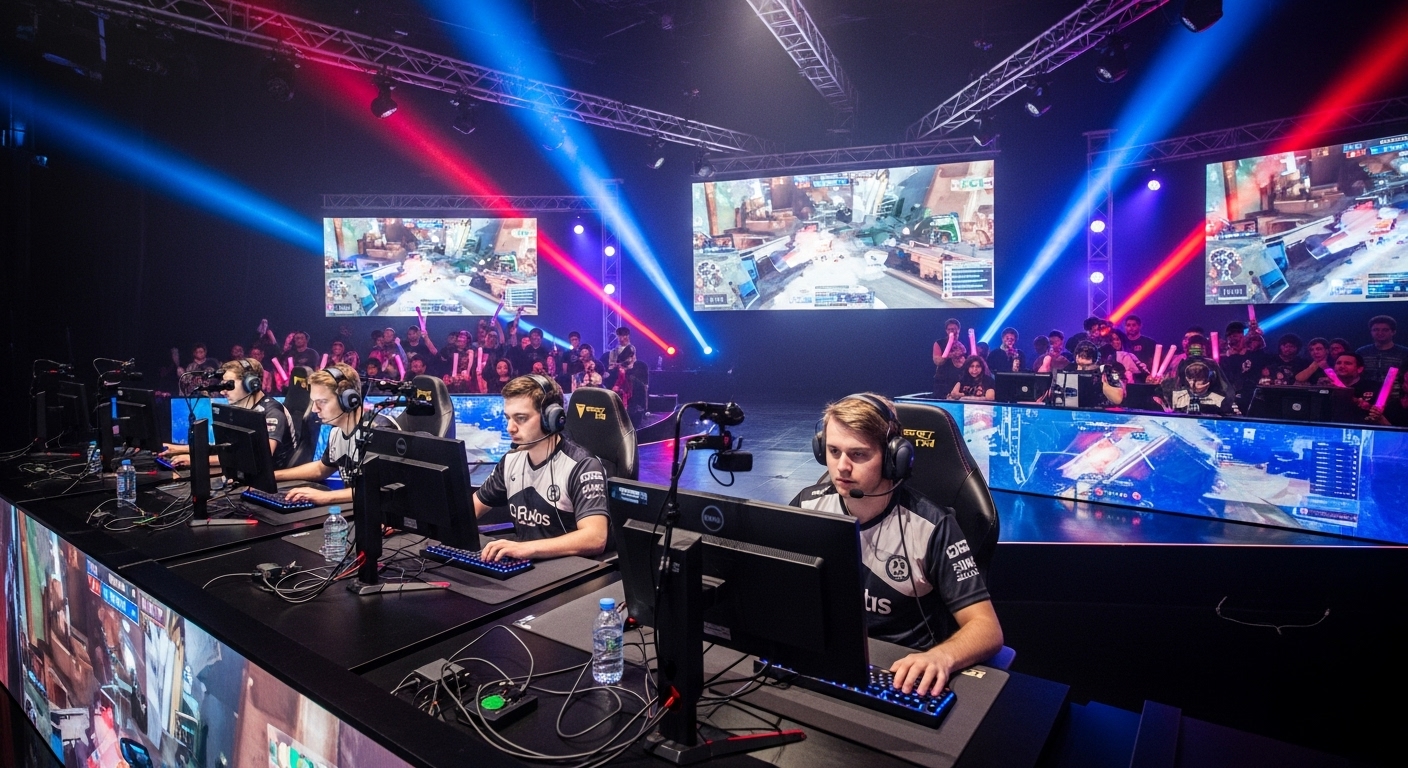
Esports, or electronic sports, is competitive video gaming played professionally by individuals or teams. Unlike casual gaming, esports requires strategy, quick thinking, and teamwork. Popular games such as League of Legends, Dota 2, Counter-Strike, and Fortnite have become arenas for fierce competition, attracting players and fans from all over the world.
The Rise of Esports
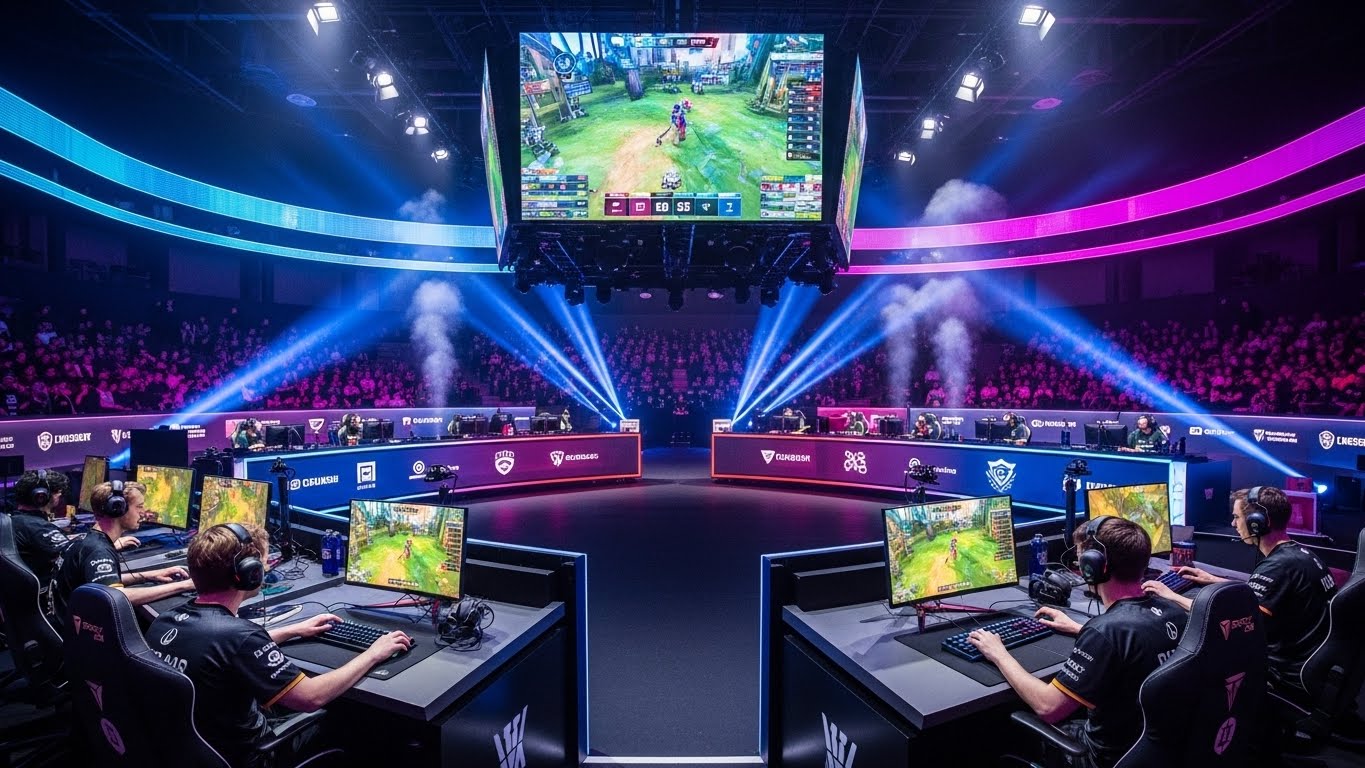
Esports has grown from small gaming tournaments into a global phenomenon. Large-scale events are now held in arenas, drawing thousands of spectators and millions of online viewers. Sponsorships, streaming platforms, and merchandise have turned esports into a thriving industry, proving that competitive gaming is more than just a pastime—it’s a legitimate career and form of entertainment.
Skills and Strategy Behind the Game
Success in esports demands more than just fast reflexes. Professional players must develop strong communication, decision-making, and problem-solving skills. Team coordination and strategy play a critical role in winning matches. Mental focus, dedication, and consistent practice are essential, making esports comparable to traditional sports in discipline and commitment.
Community and Connection
Esports is not only about competition; it’s about building a community. Fans connect through live streams, social media, and gaming forums, creating a shared passion across the globe. Players often inspire others to pursue gaming, form teams, or simply enjoy the games socially. The sense of belonging and shared enthusiasm makes esports a cultural movement.
Career Opportunities in Esports
The esports industry offers more than just playing professionally. Opportunities exist in coaching, content creation, event management, broadcasting, and marketing. Streaming platforms allow players and personalities to showcase their skills and reach a wide audience. Esports has evolved into a diverse ecosystem with multiple career paths.
The Future of Esports
The future of esports is bright and full of innovation. Virtual reality, augmented reality, and AI technologies are creating more immersive gaming experiences. As esports gains recognition from educational institutions and mainstream media, it continues to redefine the boundaries of entertainment, competition, and digital culture.
Conclusion
Esports is more than just gaming; it is a dynamic world of skill, strategy, and community. With opportunities for competition, career growth, and social connection, esports has firmly established itself as a global phenomenon. The rise of esports proves that video games can entertain, challenge, and bring people together in ways never imagined before.