Introduction: A New Era of Competition
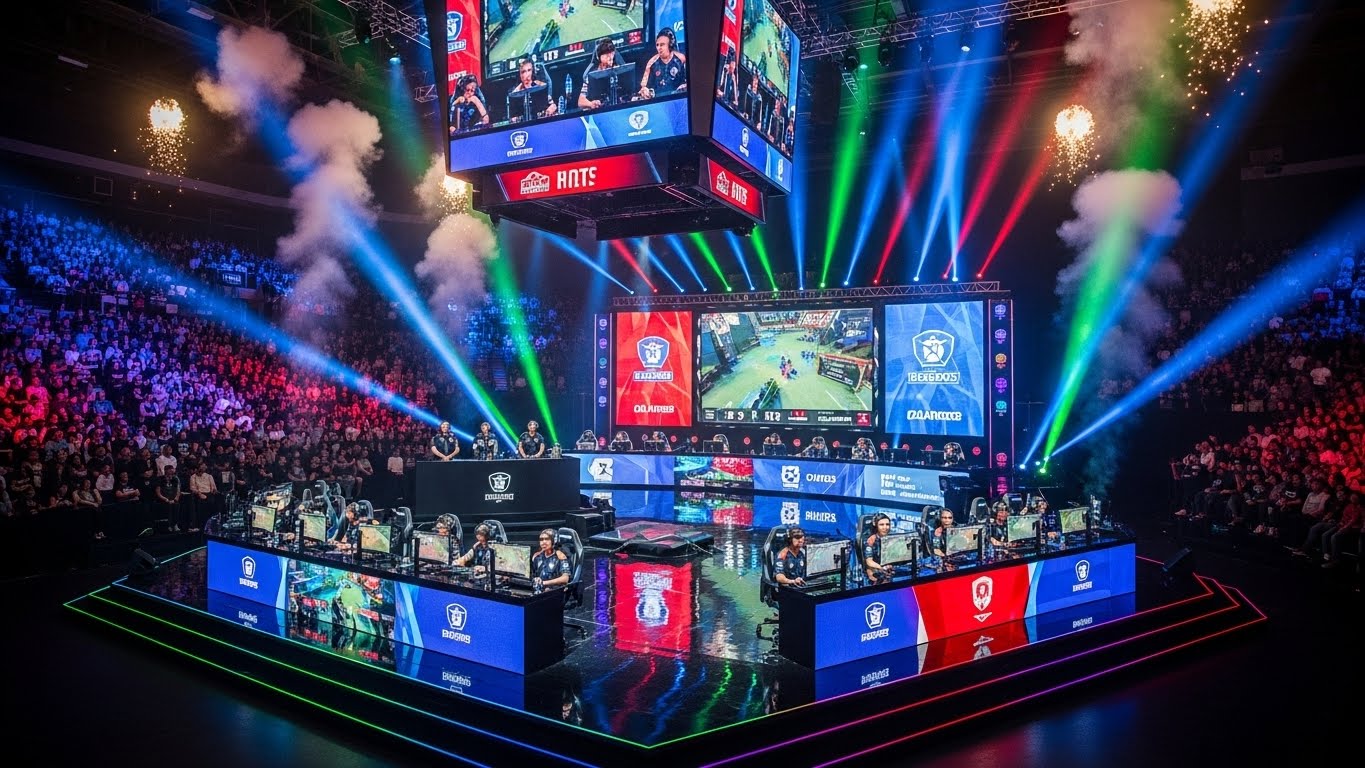
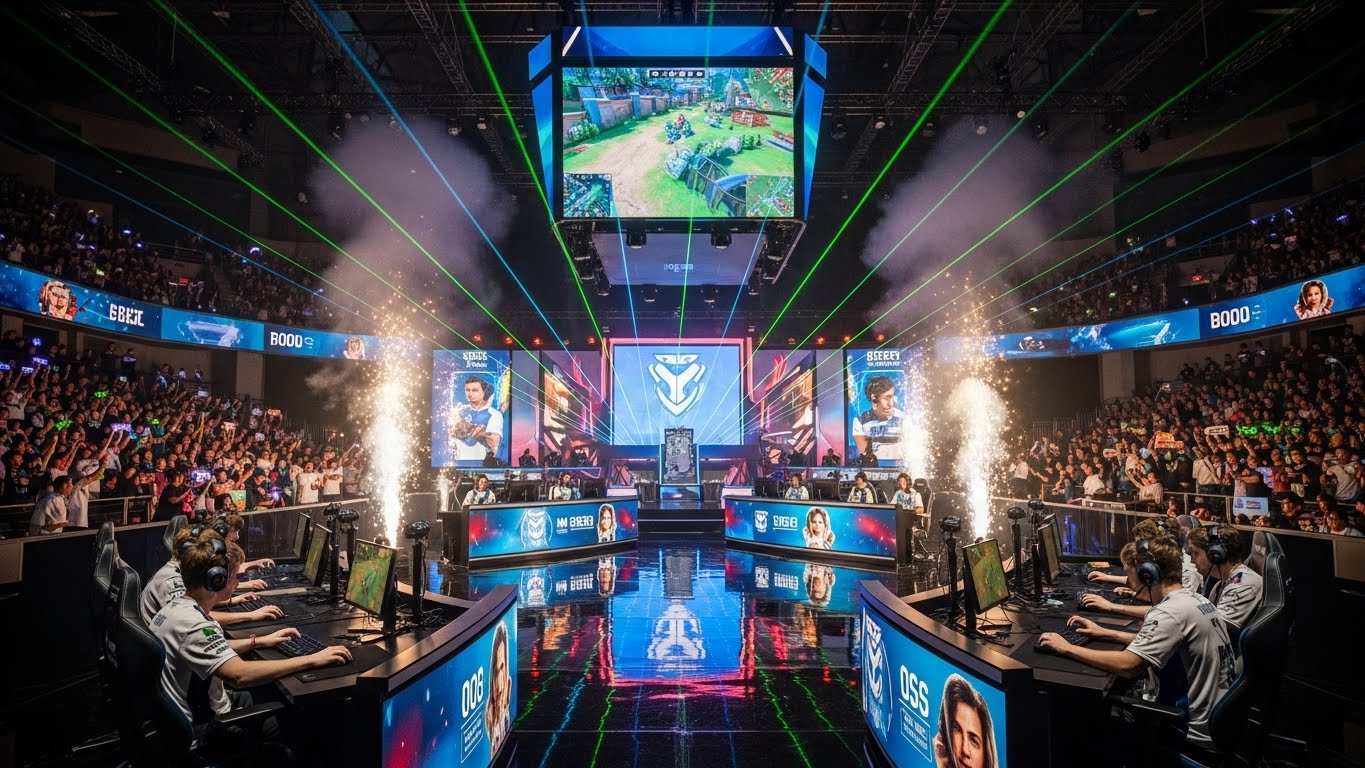
Esports, once considered a niche pastime for gaming enthusiasts, has evolved into a global phenomenon that rivals traditional sports in popularity, influence, and economic impact. What began as small competitive gaming gatherings has transformed into massive international tournaments filling stadiums and attracting millions of online viewers. Today, esports represents not just entertainment, but a cultural shift driven by technology, youth engagement, and digital connectivity.
This blog explores the rise of esports, its ecosystem, its cultural and economic significance, and what the future holds for this rapidly expanding industry.
Understanding What Esports Really Is
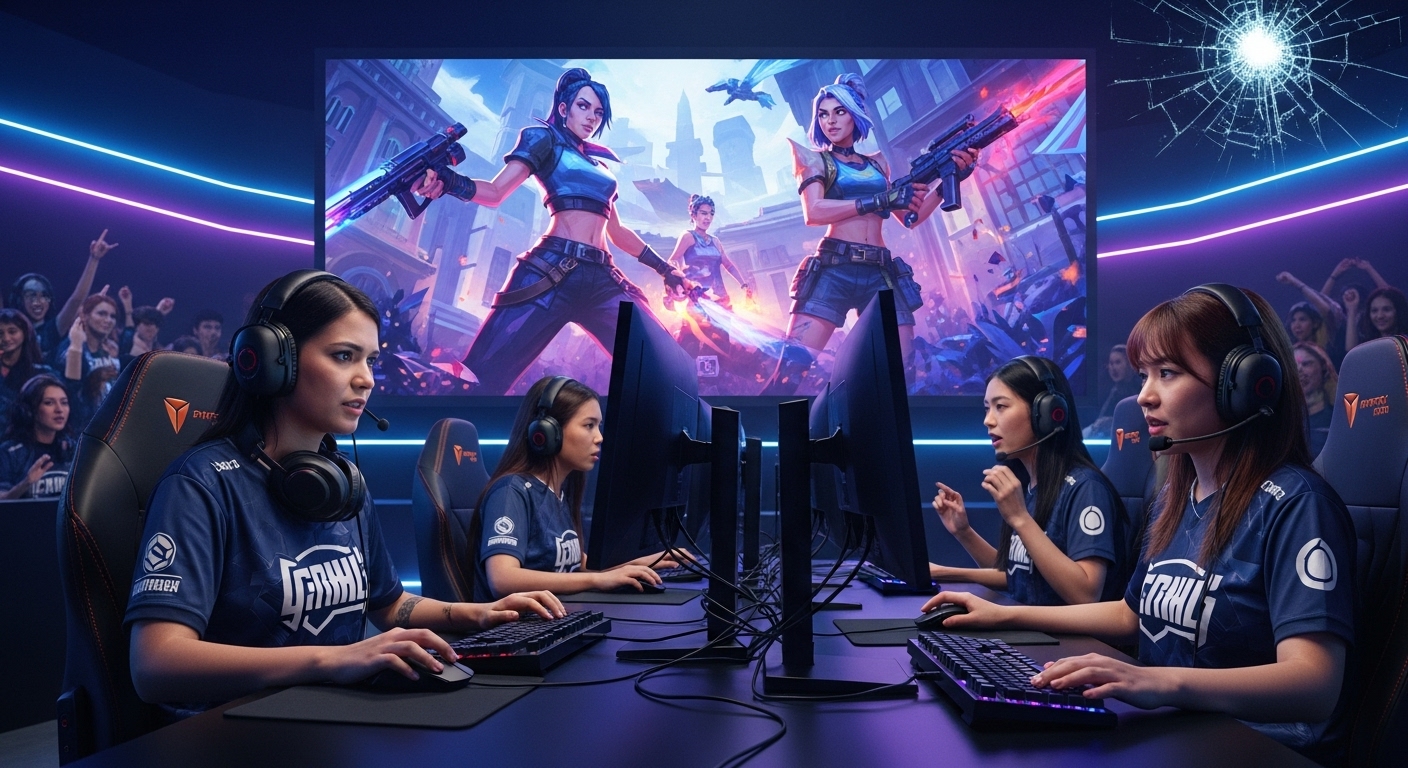
Esports, short for electronic sports, refers to organized, competitive video gaming at a professional or semi-professional level. Players or teams compete in popular games across various genres such as multiplayer online battle arenas, first-person shooters, sports simulations, and real-time strategy games.
Unlike casual gaming, esports involves structured leagues, official tournaments, professional contracts, coaches, analysts, and dedicated training schedules. Matches are broadcast live, commentated by professionals, and followed by passionate fan communities across the globe.
The Evolution from Hobby to Industry
The journey of esports began decades ago with small competitions held in arcades and college campuses. Early gaming tournaments had minimal prize pools and limited audiences. However, the expansion of the internet, online multiplayer platforms, and streaming technology allowed competitive gaming to reach global audiences.
As viewership grew, so did sponsorships, investments, and media attention. Major corporations recognized the marketing potential of esports audiences, leading to professionalization and commercialization. Today, esports is a multi-billion-dollar industry with structured governance, international leagues, and career opportunities beyond just playing.
Popular Esports Genres and Games
Esports is diverse, with multiple game genres attracting different types of players and fans. Multiplayer online battle arena games emphasize teamwork, strategy, and fast decision-making. First-person shooters focus on precision, reflexes, and tactical awareness. Sports simulation games recreate real-world sports experiences in digital form, appealing to traditional sports fans. Strategy-based games demand long-term planning and mental endurance.
This variety allows esports to attract a wide demographic, ensuring its continued growth and adaptability to new trends and technologies.
The Esports Athlete: More Than Just a Gamer
Professional esports players are often misunderstood as casual gamers who simply play for fun. In reality, esports athletes follow rigorous routines comparable to traditional sports professionals. Daily practice sessions, strategic analysis, physical fitness routines, and mental health management are integral to their performance.
Reaction time, hand-eye coordination, teamwork, and stress management are crucial skills. Many players also work with coaches, psychologists, and nutritionists to maintain peak performance. The competitive lifespan can be short, making discipline and adaptability essential for long-term success.
Training, Strategy, and Team Dynamics
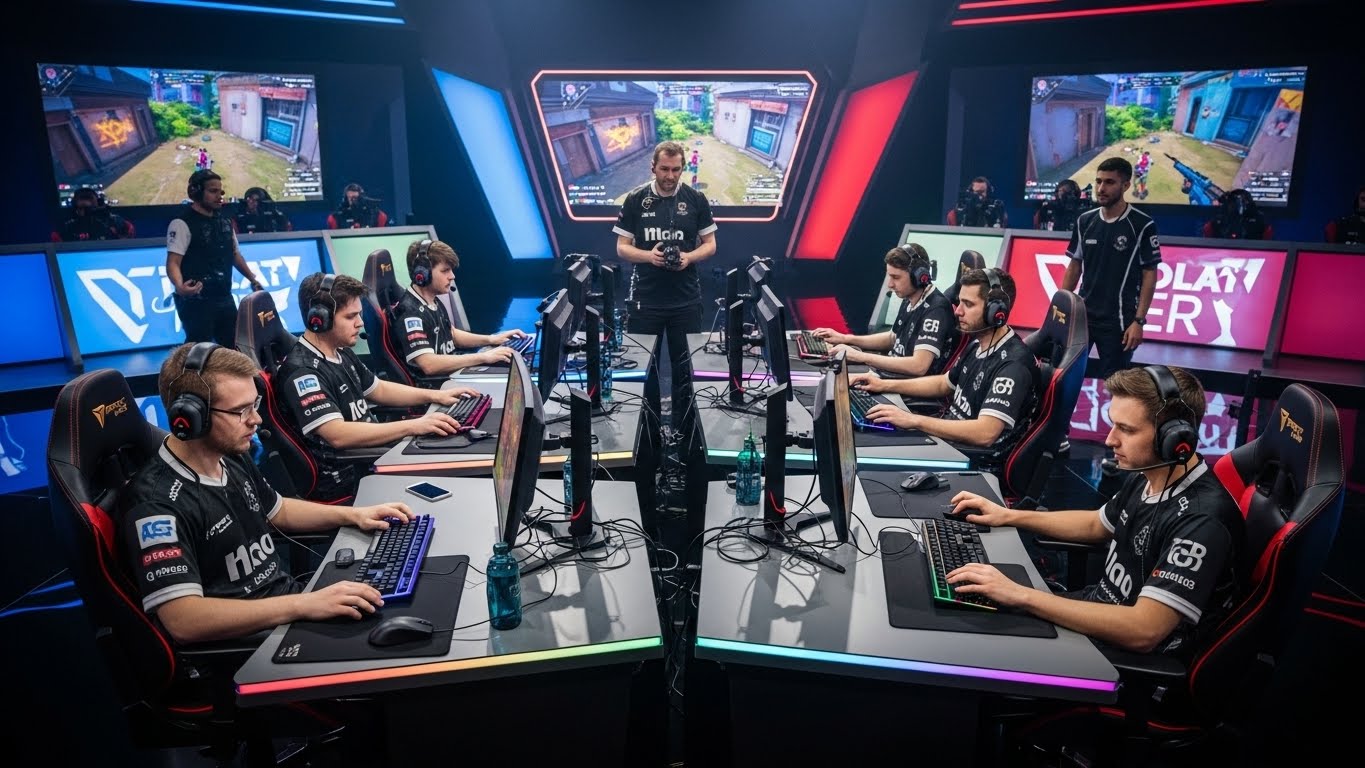
Behind every successful esports team lies an intense training structure. Teams analyze opponents, review gameplay footage, and refine strategies continuously. Communication and trust among teammates are critical, as most esports titles require precise coordination.
Coaches and analysts play a key role by developing game plans, identifying weaknesses, and maintaining team morale. This professional support system highlights how esports has matured into a structured competitive discipline rather than a casual activity.
The Role of Streaming and Digital Media
One of the most significant drivers of esports growth is live streaming. Digital platforms allow fans to watch tournaments, follow their favorite players, and engage in real-time discussions. This interactive experience sets esports apart from traditional sports broadcasts.
Content creators, streamers, and influencers further expand the ecosystem by producing educational, entertaining, and behind-the-scenes content. This constant engagement builds strong fan loyalty and transforms esports into a lifestyle rather than just an occasional event.
Economic Impact and Career Opportunities
Esports has created a wide range of career opportunities beyond professional play. Event management, broadcasting, marketing, graphic design, coaching, game development, and journalism are just a few roles within the ecosystem.
Sponsorships, advertising, merchandise, and ticket sales generate significant revenue. Cities hosting major tournaments benefit from tourism and global exposure. As a result, esports contributes meaningfully to the digital economy and job market.
Esports and Youth Culture
Esports has become deeply embedded in youth culture, particularly among digital-native generations. It offers a sense of community, identity, and aspiration. Young fans see professional players as role models, inspiring dreams of competitive success or creative careers within gaming.
Educational institutions are also embracing esports through scholarships, varsity teams, and academic programs focused on game design and esports management. This acceptance marks a cultural shift in how gaming is perceived by society.
Challenges Facing the Esports Industry
Despite its success, esports faces several challenges. Player burnout, lack of standardized regulations, and concerns around mental health remain significant issues. The fast-paced nature of the industry can lead to instability for players and organizations alike.
Additionally, ensuring inclusivity and diversity is an ongoing challenge. While esports is globally accessible, representation across gender and socioeconomic backgrounds requires continued effort and awareness.
The Importance of Fair Play and Integrity
Maintaining competitive integrity is critical for esports credibility. Match-fixing, cheating, and performance-enhancing software threaten trust within the community. Tournament organizers and governing bodies are increasingly implementing strict rules, monitoring systems, and penalties to protect fair competition.
Education around ethics and professionalism is also becoming more common, especially for younger players entering the scene.
Esports as a Global Cultural Connector
One of esports’ greatest strengths is its ability to connect people across borders. International tournaments bring together players and fans from different cultures, united by a shared passion for gaming. Language barriers fade as gameplay becomes a universal form of communication.
This global nature fosters cultural exchange and mutual understanding, positioning esports as a modern tool for digital unity.
The Future of Esports
The future of esports looks promising and dynamic. Advances in virtual reality, augmented reality, and artificial intelligence may redefine how games are played and watched. Increased recognition from traditional sports institutions and mainstream media will likely continue.
As infrastructure improves and governance becomes more standardized, esports is expected to gain further legitimacy as a competitive discipline. Its influence will extend beyond entertainment into education, technology, and social development.
Conclusion: A Digital Revolution in Competition
Esports is more than just competitive gaming. It is a reflection of how technology, culture, and human ambition intersect in the digital age. From humble beginnings to global arenas, esports has redefined what it means to compete, connect, and create careers in the modern world.
As the industry continues to evolve, one thing is certain: esports is not a passing trend. It is a powerful force shaping the future of entertainment and competition, proving that pixels can indeed build powerhouses.