Introduction
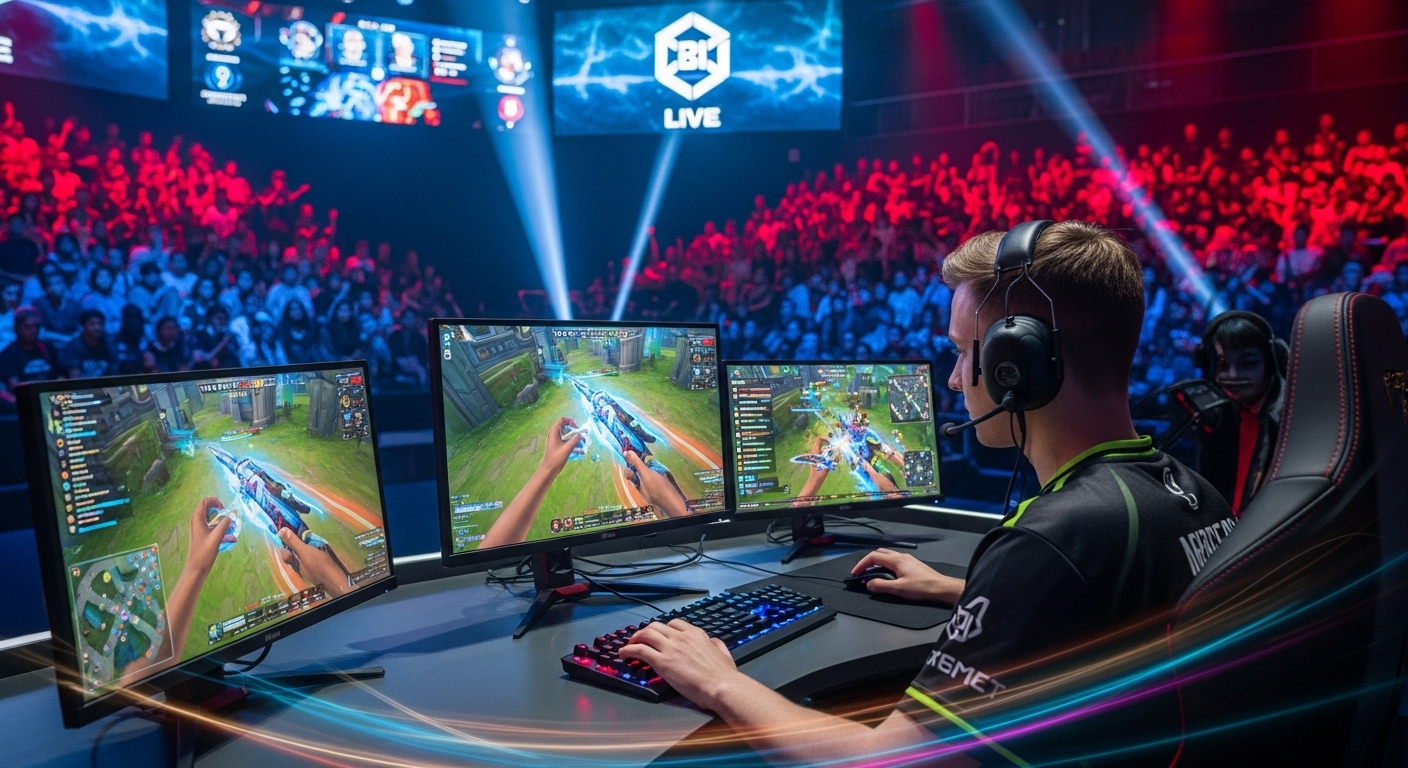
Esports has come a long way from its humble beginnings. What was once a niche interest has transformed into one of the most significant entertainment industries in the world. With millions of players, fans, and global tournaments, esports is no longer just a hobby — it’s a multi-billion-dollar phenomenon that rivals traditional sports in terms of viewership and influence. The combination of skill, strategy, and entertainment has created an entirely new form of competition, one that has gained a passionate following across generations. In this blog, we will dive into the rise of esports, the unique characteristics that define it, and its role in the future of entertainment.
The Genesis of Esports
The origin of esports can be traced back to the early days of competitive gaming, a time when local tournaments in arcades were the main form of competitive play. In the 1970s and 1980s, games like Space Invaders and Pong sparked the interest of players looking to see who could achieve the highest scores. However, it was the arrival of more complex games in the 1990s, such as Quake and StarCraft, that paved the way for organized tournaments.
The first major esports events took place in the late 1990s and early 2000s, often with the participation of small groups and communities. However, with the advancement of internet technology and broadband connections, online multiplayer gaming soon became the norm, allowing players from different locations to compete against each other in real time. This was a game-changer for the industry, expanding the reach of esports competitions and setting the stage for its future growth.
In 2000, the World Cyber Games (WCG) was established, becoming one of the first major international esports tournaments. As more games, like Counter-Strike and Warcraft, found their place in the competitive gaming world, the global esports scene began to take shape. The growing presence of esports leagues, sponsorships, and the rise of platforms like Twitch in the 2010s brought esports into the spotlight. Today, esports is a global industry with professional teams, massive online followings, and tournaments offering millions in prize money.
The Appeal of Esports: A New Kind of Competition
Esports offers something unique compared to traditional sports. While physical skill is crucial in most competitive environments, esports focuses on mental prowess, strategic thinking, and teamwork. Many games require players to think on their feet, execute complex maneuvers, and communicate effectively with teammates, all under intense pressure.
The gaming community is diverse, and this diversity is reflected in the variety of esports games available. Some of the most popular esports titles include:
- MOBA (Multiplayer Online Battle Arena): League of Legends and Dota 2 are prime examples of MOBA games, where two teams of five players each compete to destroy the opposing team’s base. These games emphasize strategy, team coordination, and an ever-evolving meta (strategic approach).
- FPS (First-Person Shooter): Games like Counter-Strike: Global Offensive and Overwatch dominate the competitive FPS scene, where players engage in high-stakes shootouts. These games reward precision, reflexes, and split-second decision-making.
- Battle Royale: Games such as Fortnite and PUBG (PlayerUnknown’s Battlegrounds) revolutionized competitive gaming by introducing large-scale survival matches where players fight to be the last one standing.
- Fighting Games: Street Fighter and Super Smash Bros. continue to captivate audiences with one-on-one, fast-paced combat. Players battle it out using a variety of characters, each with unique moves and strategies.
- Real-Time Strategy (RTS): Titles like StarCraft II still represent the RTS genre, where players build and control armies in a battle of wits and strategy. These games are known for their complexity and depth, requiring players to manage resources and execute advanced tactics.
Esports has something for everyone, from strategy lovers to action fans. This wide array of games ensures that there is a niche for virtually every type of gamer, allowing the esports scene to flourish and attract a broad audience.
Esports as a Professional Career Path
One of the most remarkable developments in the esports world has been the transformation of competitive gaming into a viable career. In the past, gamers competed for fun or minor prizes. Now, professional players can earn significant salaries, sponsorship deals, and prize money. The most successful esports players make millions annually, competing in major tournaments and signing lucrative endorsement deals with major brands like Red Bull, Intel, and Adidas.
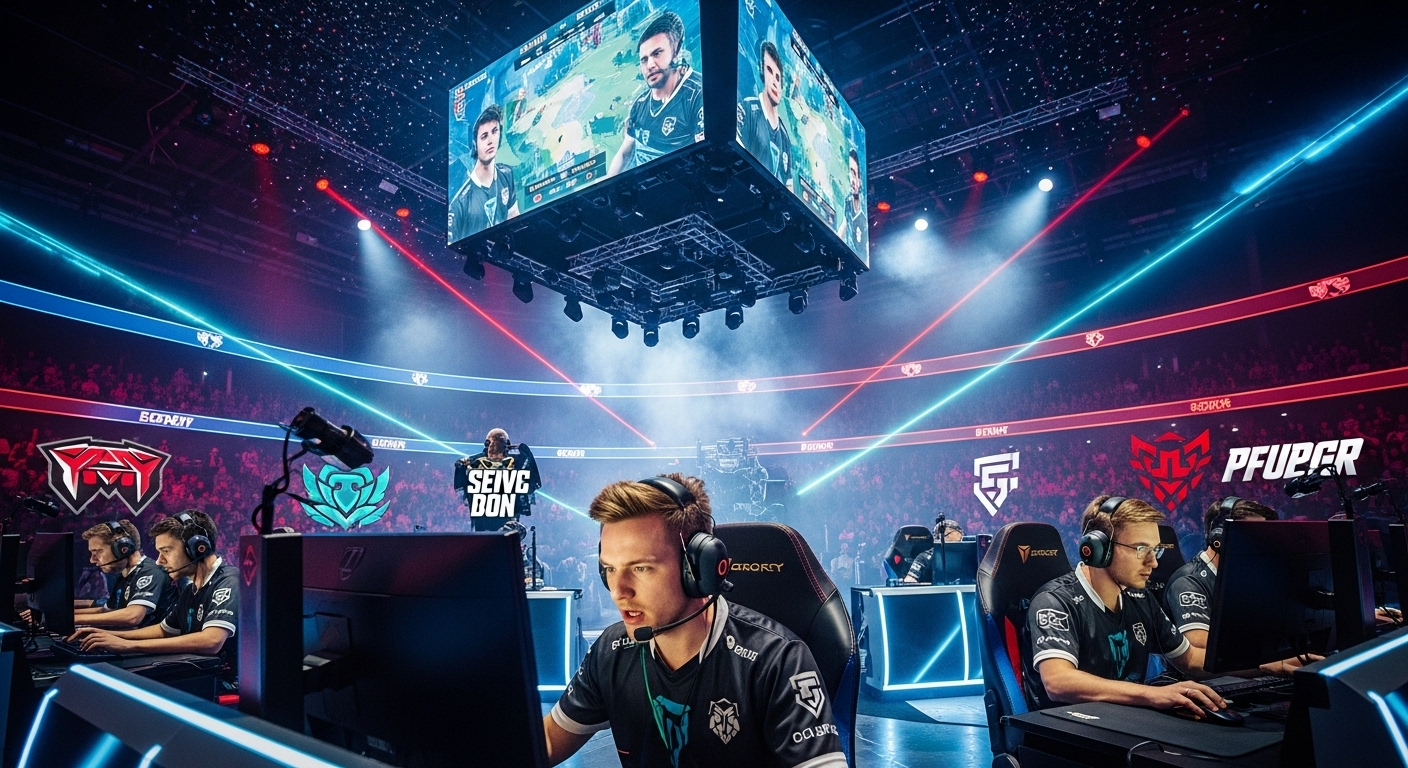
Teams and organizations have become essential components of the esports ecosystem. Just like traditional sports teams, esports organizations recruit talented players, hire coaches, and provide training facilities. Players are treated as professional athletes, with rigorous practice schedules, coaching sessions, and team-building exercises.
Esports professionals are not limited to just playing. Many players also engage in streaming, where they broadcast their gameplay live to thousands or even millions of viewers. Platforms like Twitch and YouTube Gaming allow players to monetize their streams through ads, subscriptions, and donations, further boosting their earnings.
The rise of esports as a profession has also created job opportunities beyond playing. There are positions for analysts, coaches, event organizers, commentators, and content creators. The esports industry provides a diverse range of career paths, each contributing to the overall success of the industry.
The Business Side of Esports
Esports is not only a form of entertainment but also a multi-billion-dollar business. With millions of viewers tuning in to watch major tournaments, esports has attracted significant investments from both traditional sports entities and tech companies. The financial success of esports is supported by several revenue streams:
- Sponsorships: As esports grew in popularity, major brands began to invest in the industry. Sponsorships are a significant source of income for esports organizations and tournaments. Companies like Coca-Cola, Toyota, and Nike have become key sponsors, contributing to the financial growth of the esports scene.
- Media Rights: Similar to traditional sports, media rights have become a major revenue stream for esports. Streaming platforms like Twitch and YouTube pay esports organizations for exclusive broadcasting rights, allowing fans to watch matches live. The sale of broadcasting rights to traditional TV networks is also growing, allowing esports events to reach even more viewers.
- Ticket Sales and Merchandise: Like traditional sports events, esports tournaments sell tickets for live events. Fans can attend major competitions, watch their favorite players in action, and purchase event-specific merchandise, including jerseys, caps, and other branded items. These sales help further boost revenue.
- Prize Money: High-stakes tournaments, such as the League of Legends World Championship and The International (Dota 2), offer multi-million-dollar prize pools. This draws the best players from around the world, who compete not only for the glory but for a piece of the significant prize money.
Esports is also one of the few entertainment sectors that attracts young, tech-savvy audiences. For advertisers, this is a highly valuable demographic, making esports an attractive platform for brands looking to market products to younger generations.
The Rise of Esports Viewership
Esports viewership has skyrocketed in recent years, with major events attracting millions of fans. Platforms like Twitch have become the go-to places for esports fans, where they can watch live competitions, follow their favorite players, and even interact with streamers. These platforms have allowed esports to reach a global audience, with fans from different countries tuning in to watch top-tier tournaments.
Unlike traditional sports, where fans typically watch on television, esports fans are increasingly consuming content through digital platforms. This shift in how content is delivered has opened up new opportunities for fan engagement. Fans can participate in live chats during matches, donate to their favorite players or teams, and even influence gameplay by voting or interacting in other ways. This level of engagement has helped create a deeper connection between players, teams, and fans, and it is a key factor in the growth of esports.
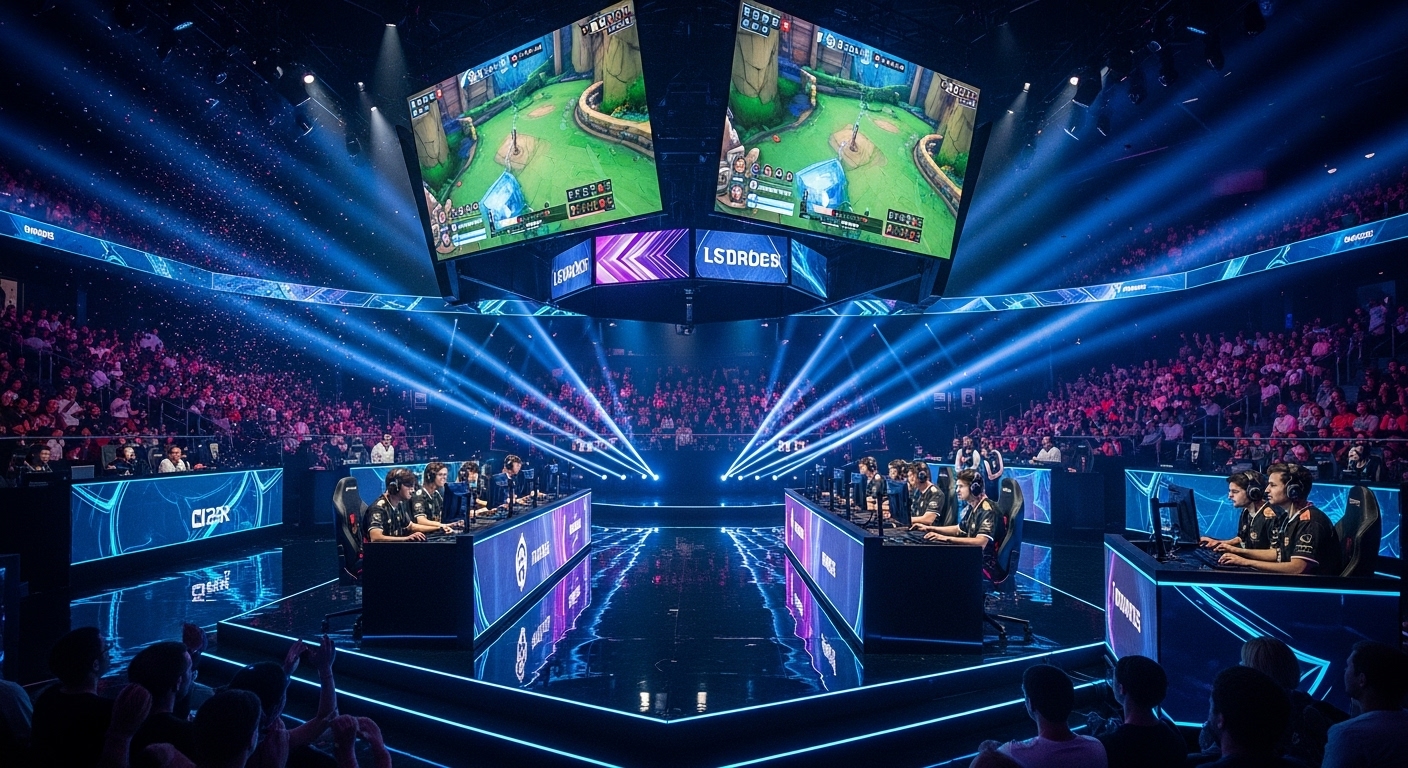
Live esports events are also drawing massive crowds, with major tournaments often filling arenas with thousands of spectators. The League of Legends World Championship, held annually, regularly sells out venues with tens of thousands of fans. As esports continues to grow, in-person attendance at tournaments is expected to increase, providing fans with a chance to experience the excitement of the competition up close.
Esports and Its Impact on Traditional Sports
Esports’ meteoric rise has not gone unnoticed by traditional sports organizations. In fact, many sports teams and companies have started investing in esports, recognizing the potential of the digital world to engage with younger audiences. Some traditional sports teams, such as the NBA’s Golden State Warriors, have even launched their own esports teams, allowing them to tap into the growing esports market.
In addition, esports has influenced the way traditional sports are consumed. The interactivity and accessibility of esports broadcasts have led traditional sports networks to experiment with new ways to engage their audiences, including live-streaming and offering interactive features for viewers. In this way, esports is not just growing alongside traditional sports but is helping shape the future of entertainment as a whole.
The Future of Esports
The future of esports looks incredibly promising. As technology continues to evolve, esports will likely become even more immersive and accessible. Advancements in virtual reality (VR) and augmented reality (AR) could transform the way fans experience esports events, bringing them closer to the action and providing new ways to interact with the content. Mobile gaming is also expected to continue playing a significant role, as mobile esports grows in popularity, especially in regions where mobile phones are the primary platform for gaming.
The rise of esports in education is another key trend. Colleges and universities are beginning to offer esports scholarships and degrees in esports management. This shift reflects the growing recognition of esports as a legitimate and important part of the sports and entertainment industries.