Introduction to Esports
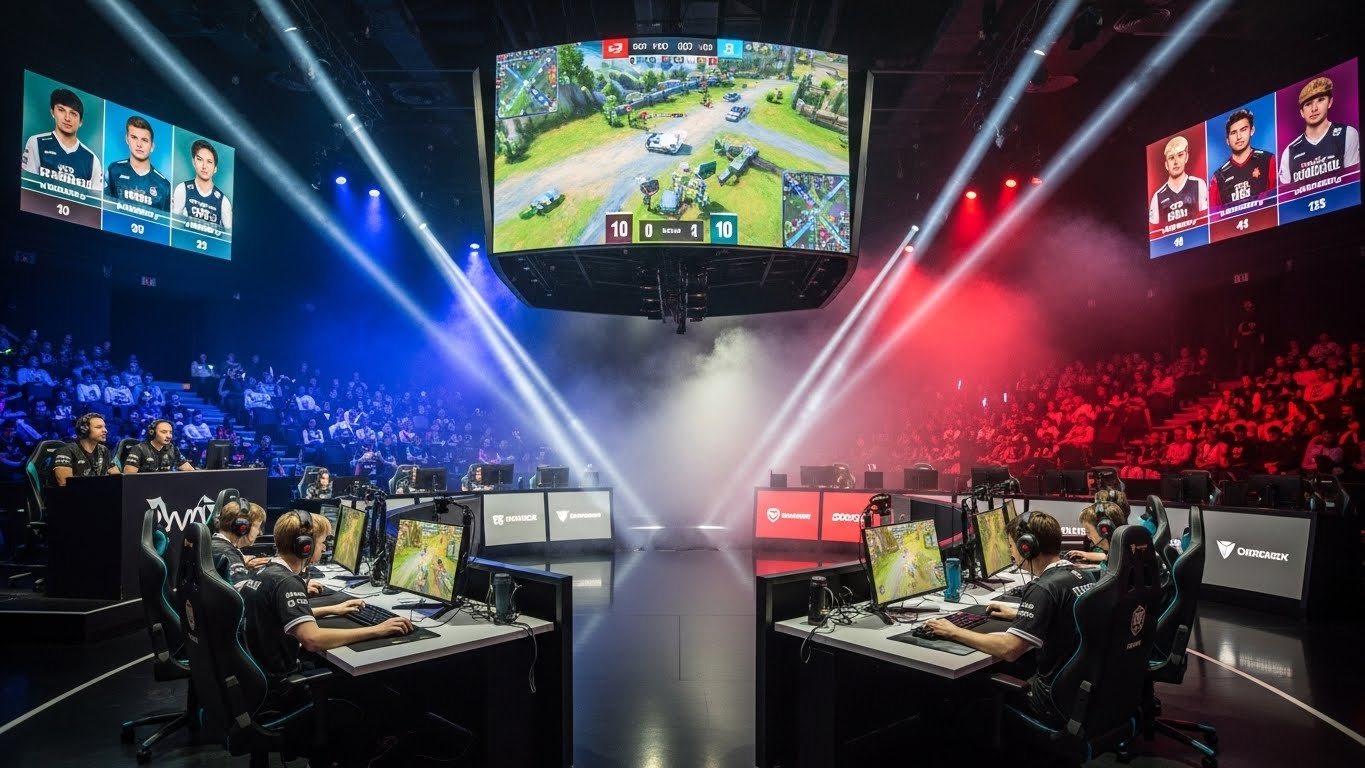
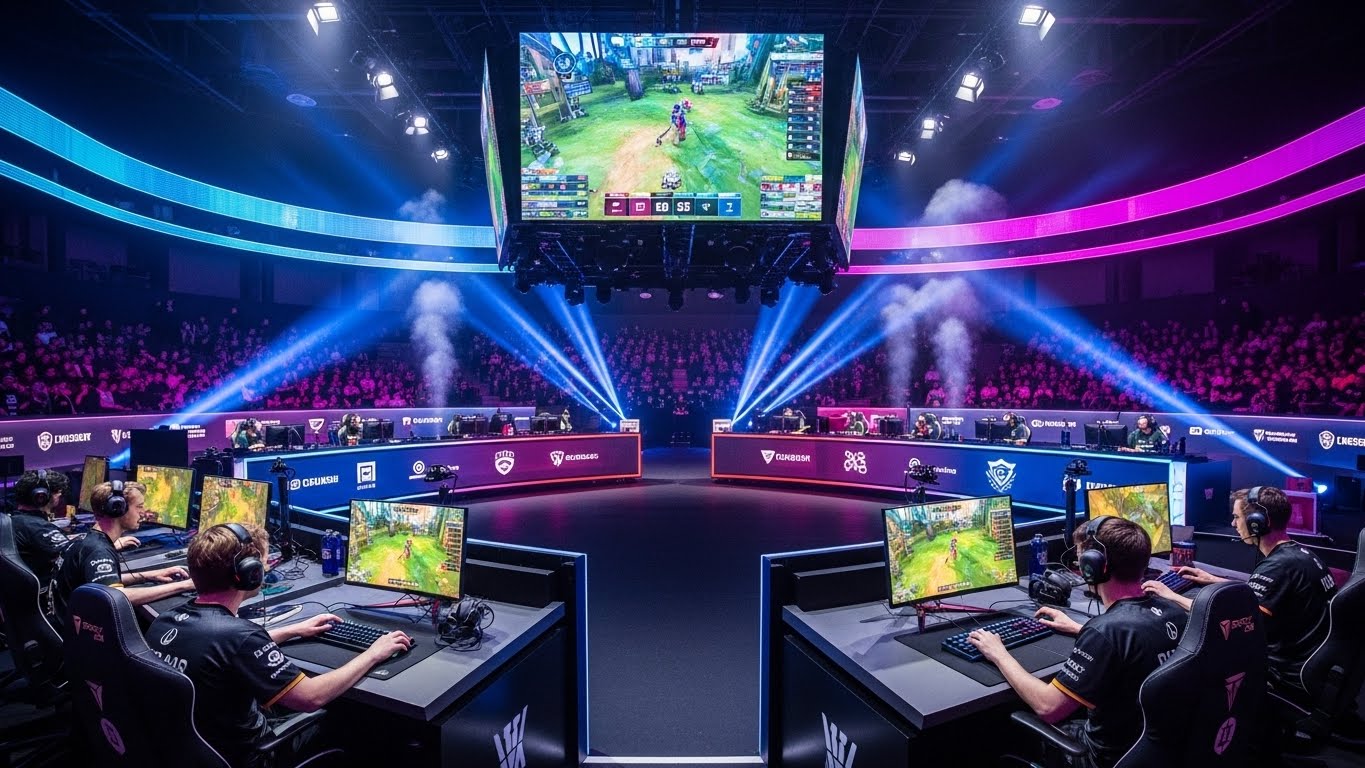
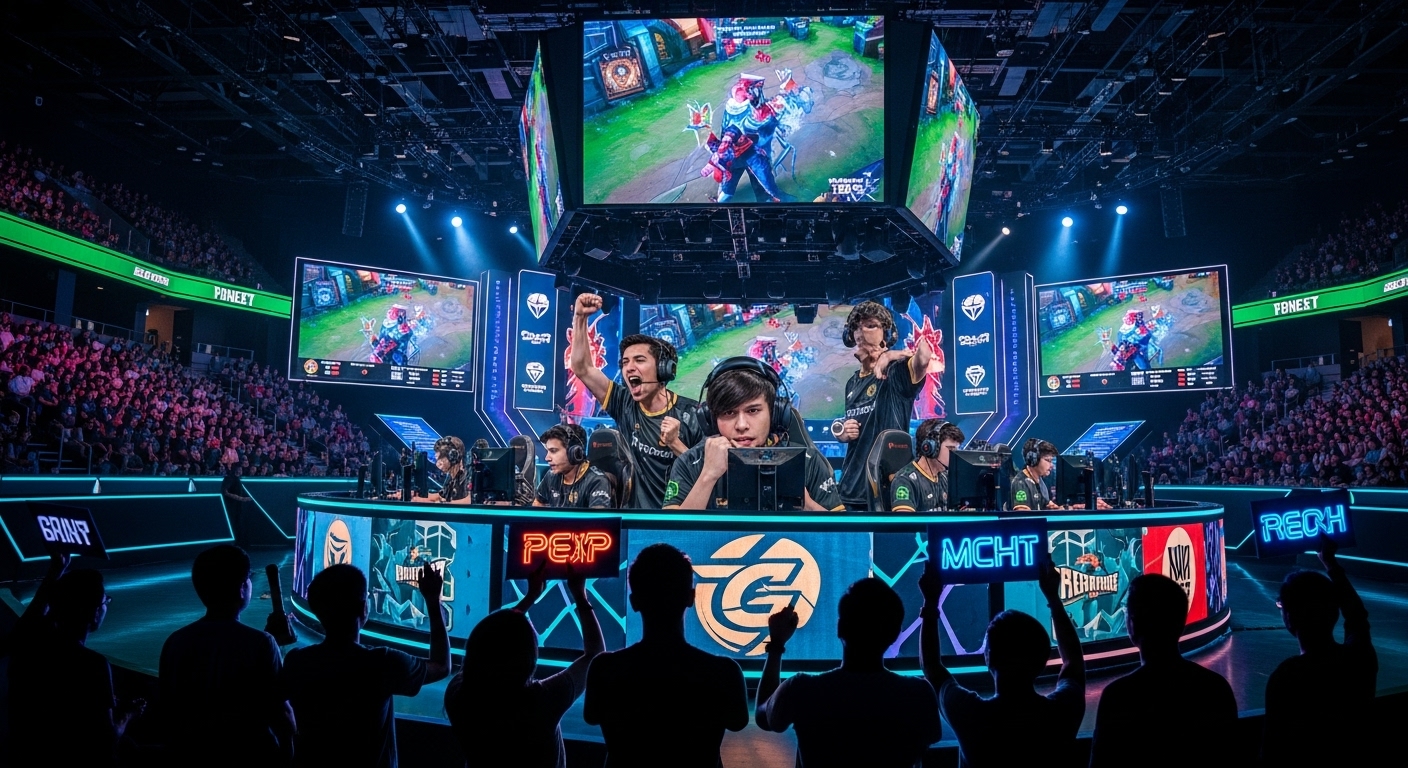
Esports, short for electronic sports, has rapidly evolved from a niche pastime into a global phenomenon. What began as small-scale gaming competitions in the late 20th century has now grown into a multibillion-dollar industry that attracts millions of fans, professional players, investors, and sponsors from around the world. Esports represents the fusion of technology, entertainment, and competition, transforming gaming into a legitimate and organized sport. In today’s world, esports tournaments fill arenas, online streaming platforms attract massive audiences, and professional players gain celebrity status comparable to traditional athletes.
The rise of esports symbolizes the digital generation’s form of entertainment and competition. Unlike traditional sports that rely on physical skill, esports revolves around mental agility, reaction speed, teamwork, and strategy. Its accessibility and global reach make it an inclusive form of competitive entertainment for people of all ages, genders, and nationalities.
The Origins and Early Days of Esports
The origins of esports can be traced back to the early days of video gaming. In the 1970s, competitive gaming existed on a small scale, often limited to university campuses or local arcades. One of the earliest known gaming tournaments took place in 1972 at Stanford University, where students competed in a game called “Spacewar.” The winner of that small event likely never imagined that similar competitions would one day attract millions of viewers globally.
During the 1980s, arcade culture became central to gaming competition. Titles such as Pac-Man, Donkey Kong, and Street Fighter inspired players to compete for the highest scores. These early contests were informal but laid the foundation for the competitive gaming culture that would follow. Magazines and local events celebrated record-breaking players, giving gaming a new dimension of recognition and fame.
The 1990s marked a turning point for esports. With the rise of the internet and personal computers, multiplayer gaming became possible on a much larger scale. Games like Doom, Quake, and StarCraft fostered online communities that thrived on competition. The first organized esports leagues and tournaments began to appear, often supported by game developers themselves. South Korea, in particular, played a pivotal role in turning esports into a national phenomenon during this period. The government’s investment in internet infrastructure and the popularity of PC gaming cafés, known as PC bangs, gave rise to a new culture of professional gaming.
The Growth of Esports in the 2000s
As technology advanced and online connectivity improved, esports entered a period of rapid growth in the 2000s. The introduction of broadband internet allowed players from around the world to compete in real-time, and game developers began designing titles specifically for competitive play. Notable games such as Counter-Strike, Warcraft III, and Dota became the cornerstones of early esports leagues.
During this era, esports also started gaining legitimacy through organized leagues and sponsorships. Major tournaments like the World Cyber Games and the Electronic Sports World Cup attracted top players and international audiences. These events showcased that competitive gaming was more than just a hobby—it was a serious and skill-based form of entertainment.
Streaming technology played a key role in spreading esports to global audiences. Platforms such as Twitch and YouTube Gaming later revolutionized the way people consumed esports content. Fans could watch live matches, follow their favorite teams, and even communicate with players directly. This interactivity turned esports into an engaging, community-driven experience that transcended geographical boundaries.
The Professionalization of Esports
The 2010s ushered in the professional era of esports. The industry began to resemble traditional sports in terms of structure, organization, and revenue generation. Teams, coaches, analysts, and sponsors became integral parts of the ecosystem. Players trained rigorously, often spending up to ten hours a day honing their skills and strategies. Many of them signed contracts, earned salaries, and participated in structured leagues.
Titles such as League of Legends, Dota 2, and Counter-Strike: Global Offensive became global sensations. Each game developed its own competitive scene with official tournaments, professional teams, and massive prize pools. The International, Dota 2’s annual championship, broke records with prize pools reaching tens of millions of dollars—most of it crowdfunded by the community.
Meanwhile, other popular titles like Fortnite, Overwatch, and PUBG diversified the esports landscape. These games attracted younger audiences and introduced unique formats that appealed to casual fans. Traditional sports organizations also began investing in esports teams, recognizing the immense commercial potential and growing fan base.
The Role of Streaming and Social Media
One of the most significant factors behind the success of esports is the rise of streaming and social media. Platforms such as Twitch, YouTube, and Facebook Gaming have made esports accessible to everyone with an internet connection. Fans no longer need to buy tickets to watch their favorite teams play; they can tune in live from anywhere in the world.
Streaming also democratized fame within esports. Individual players could build their own brands by streaming their gameplay and interacting with fans. This direct connection between players and audiences fostered a sense of community rarely seen in traditional sports. Esports stars often have millions of followers on social media, giving them influence beyond gaming.
Furthermore, social media platforms help promote tournaments, share highlights, and keep fans engaged. Esports organizations leverage these tools to market their events, attract sponsors, and grow their fan base. The combination of live streaming and social engagement turned esports into a participatory experience rather than a passive one.
Esports as a Career Path
In the past, becoming a professional gamer was seen as an unrealistic dream. Today, it is a viable career path supported by structured organizations, sponsorships, and educational opportunities. Many universities around the world now offer scholarships for esports players, just like traditional athletes. Some institutions even have dedicated esports programs that teach students about game design, event management, and digital marketing.
Professional esports players can earn income from multiple sources, including tournament winnings, sponsorship deals, streaming revenue, and brand endorsements. The best players are not only skilled gamers but also media personalities who know how to engage audiences.
However, the esports lifestyle is not without challenges. Players face intense pressure, long practice hours, and the risk of burnout. Physical and mental health management has become a growing concern in the industry. Organizations now hire trainers, nutritionists, and psychologists to help players maintain balance and longevity in their careers.
The Global Reach and Cultural Impact of Esports
Esports is a truly global phenomenon that transcends borders and cultures. Major tournaments are held in cities like Seoul, Los Angeles, Shanghai, and Berlin, drawing fans from every continent. Unlike many traditional sports, esports is not bound by geography. Players from different countries can easily compete against each other online, fostering a sense of international connection and unity.
The cultural impact of esports is significant. It has created a shared digital culture where fans use memes, online slang, and fan art to express their passion. Gaming celebrities often become influencers in music, fashion, and entertainment. Esports events have even featured live performances from well-known musicians, further blurring the lines between digital and traditional entertainment.
Moreover, esports has challenged stereotypes about gaming. Once dismissed as a waste of time, gaming is now recognized as a legitimate and profitable skill. Esports professionals demonstrate discipline, teamwork, and strategic thinking—qualities valued in any field. Governments in several countries, including South Korea, China, and the United States, have officially recognized esports as a sport, further cementing its status in mainstream culture.
The Economics of Esports
The esports industry generates billions of dollars annually through sponsorships, advertising, ticket sales, and media rights. Major corporations, from technology giants to soft drink brands, invest heavily in esports sponsorships to reach young, digitally savvy audiences. Streaming platforms and broadcasters compete for exclusive rights to major tournaments, further driving up revenues.
In addition to sponsorships, merchandise sales and in-game purchases contribute significantly to the industry’s economy. Fans buy jerseys, accessories, and collectible items to show support for their favorite teams. Many game developers also integrate esports-related content into their games, such as special skins and event passes, which generate additional income.
Investment in esports infrastructure continues to grow. Cities around the world are building dedicated esports arenas, and companies are launching training academies to develop the next generation of players. This level of financial commitment indicates that esports is not a passing trend but a sustainable industry with long-term potential.
The Role of Women in Esports
While esports has traditionally been male-dominated, the participation of women has been steadily increasing. Female players, casters, and content creators are gaining visibility and respect within the community. Organizations and tournaments dedicated to women in esports are helping bridge the gender gap and promote inclusivity.
Representation matters in shaping the future of esports. As more women take part in competitions and leadership roles, the industry becomes more diverse and welcoming. Esports offers opportunities for everyone, regardless of gender, to compete and excel based on skill and dedication.
The Educational and Social Value of Esports
Beyond entertainment and competition, esports holds educational and social value. Schools and universities are recognizing the benefits of gaming in developing teamwork, communication, and problem-solving skills. Students who participate in esports clubs often demonstrate leadership abilities and improved academic engagement.
Esports also fosters social connections. Online games allow people to interact and collaborate with others from different backgrounds, promoting cultural exchange and friendship. For many players, esports communities provide a sense of belonging and purpose.
The Future of Esports
The future of esports looks bright and full of innovation. Advancements in technology, such as virtual reality and artificial intelligence, will continue to shape the next generation of competitive gaming. The integration of augmented reality could create even more immersive experiences for both players and spectators.
Moreover, the expansion of mobile esports is expected to reach new audiences in regions where traditional gaming setups are less common. Games like PUBG Mobile and Mobile Legends are already dominating markets in Asia and the Middle East. As mobile devices become more powerful, the gap between console, PC, and mobile gaming will continue to narrow.
Traditional sports organizations will likely deepen their involvement in esports, creating crossover events and hybrid experiences that combine physical and digital elements. The Olympics has even considered including esports in future events, which would further legitimize it as a global sport.
Conclusion
Esports represents one of the most transformative developments in modern entertainment. What started as small gaming competitions among friends has evolved into a global industry that unites millions of people through passion, skill, and technology. Its influence extends beyond gaming, shaping media, education, and culture in profound ways.
The world of esports continues to grow, driven by innovation, inclusivity, and the boundless creativity of gamers everywhere. It stands as proof that competition does not have to be physical to be meaningful and that in the digital age, skill and strategy can create legends just as surely as any traditional sport.
In the coming years, esports will likely become even more integrated into mainstream culture, inspiring new generations to see gaming not just as a hobby but as a legitimate form of achievement, art, and connection. The journey of esports is far from over—it has only just begun.