Introduction: The Phenomenal Growth of eSports
Over the past decade, eSports has rapidly evolved from a niche hobby into a global industry worth billions. What once started as small, competitive gatherings among passionate gamers has exploded into large-scale international tournaments watched by millions. eSports, short for electronic sports, now rivals traditional sports in terms of fan engagement, revenue, and cultural influence. This surge in popularity has turned competitive gaming into a professional career for many, with players, coaches, analysts, and streamers all benefiting from its meteoric rise. But what exactly is fueling the growth of eSports, and why has it captured the attention of audiences worldwide?
In this blog post, we’ll explore how eSports has transformed the gaming landscape, its economic impact, the role of technology, and what the future holds for this dynamic sector.
The Foundations of eSports: From LAN Parties to Global Competitions
eSports has its roots in the early days of competitive video gaming, dating back to the 1990s. Games like Quake, StarCraft, and Warcraft were among the first to have organized tournaments. Initially, these events were small and local, often taking place at gaming cafes or informal LAN (local area network) parties. These early competitions were centered around community-driven events, and while they were fun, they lacked the scale and structure that we associate with professional eSports today.
The breakthrough moment for eSports came in the early 2000s, as the internet became faster and more accessible. Online multiplayer games, like Counter-Strike and StarCraft, allowed players to compete against each other globally, laying the groundwork for larger, more organized events. Streaming platforms such as Twitch revolutionized the way fans could watch and interact with tournaments. As high-speed internet and streaming technology improved, eSports competitions moved from being offline gatherings to online broadcast events, making them accessible to anyone with an internet connection.
In the 2010s, the concept of professional eSports leagues began to take shape, with games like League of Legends, Dota 2, and Overwatch hosting major global tournaments. These events not only offered substantial prize pools but also started attracting major sponsorships from multinational companies, transforming eSports from a hobby into a multi-billion-dollar industry.
The Growing Popularity of eSports: A Global Movement
One of the most remarkable aspects of eSports is its global appeal. Unlike traditional sports, which are often limited by regional boundaries, eSports transcends geographical and cultural divides. Whether it’s League of Legends in North America, Dota 2 in Southeast Asia, or FIFA in Europe, eSports has the power to unite players and fans from every corner of the globe.
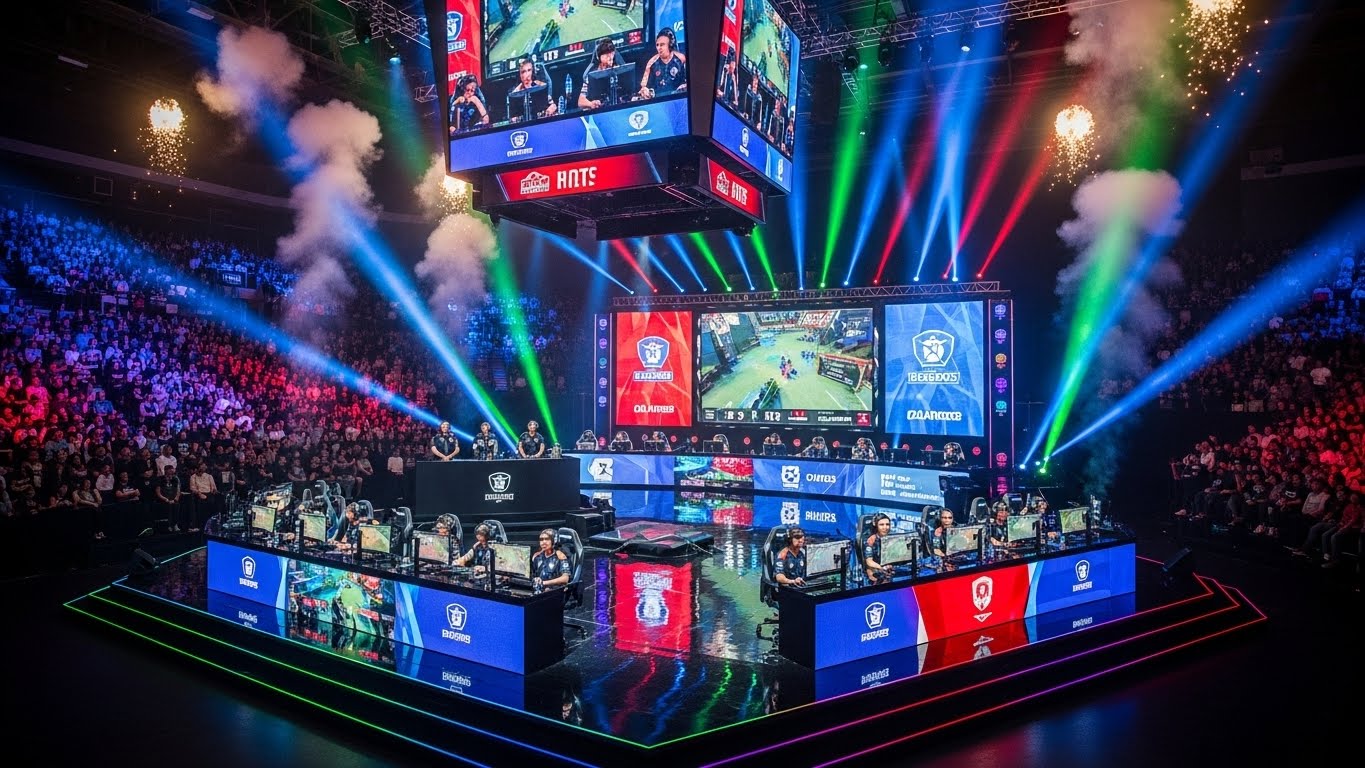
Tournaments like The International, League of Legends World Championship, and CS:GO Major Championships attract players and teams from across continents, competing for massive prize pools and global recognition. eSports has become a universal language, with fans from diverse cultures tuning in to watch their favorite players or teams battle it out on the virtual stage.
The ability to watch these events online, often for free, has contributed greatly to the rise of eSports viewership. Platforms like Twitch, YouTube, and Facebook Gaming allow fans to watch live streams, interact with players and commentators in real-time, and follow their favorite games and tournaments. This level of engagement has fostered a sense of community among viewers and players alike, turning eSports into more than just a competition—it’s an experience.
eSports and the Business of Gaming: Sponsorships, Revenue, and Investment
What truly sets eSports apart from casual gaming is the professionalization of the industry. Just as traditional sports are powered by sponsorships, media deals, and merchandising, so too is eSports. Major global brands, including Intel, Coca-Cola, Red Bull, and Nissan, are investing heavily in eSports sponsorships, promoting their products through high-profile team and event partnerships. These sponsorships help fund large-scale tournaments, support professional teams, and even provide players with the necessary resources to excel at the highest level.
Prize pools are another significant aspect of eSports economics. Tournaments like The International (Dota 2) offer some of the largest prize pools in the world, often reaching tens of millions of dollars. This financial incentive has made eSports a viable career for many players, who are able to earn money through tournament winnings, sponsorship deals, and live streaming.
Media rights are a booming revenue stream in eSports, with global broadcasters securing deals to televise major tournaments. The rise of streaming platforms like Twitch and YouTube Gaming has enabled a new era of content creation, where fans can tune in to watch live competitions or follow their favorite streamers. These platforms generate revenue through advertising, subscriptions, and donations, providing financial backing to the entire ecosystem.
Investment in eSports has been rapidly increasing. From venture capital firms backing promising eSports startups to traditional sports teams purchasing eSports franchises, the investment landscape is thriving. The involvement of large corporations and mainstream sports organizations is further legitimizing eSports as a legitimate and profitable industry.
The Players: Professional Athletes in the Digital Arena
At the heart of eSports are the players themselves. While the spotlight often shines on the big-name teams and tournaments, it’s the individual players who make eSports truly exciting. Professional gamers dedicate their lives to mastering their chosen games, often spending upwards of 10 hours a day practicing, analyzing gameplay, and developing strategies.
The pressure to perform at the highest level is immense. Much like traditional athletes, eSports players face intense competition, with little margin for error in their gameplay. They must have exceptional reflexes, precise hand-eye coordination, and an in-depth understanding of game mechanics to succeed. In many ways, eSports athletes train their minds and bodies to perform optimally, maintaining physical health through exercise and mental acuity through strategies and practices.
Some eSports players become household names, with global fan bases supporting them both in-game and outside of it. Names like Faker (League of Legends), s1mple (CS:GO), and Ninja (Fortnite) have become synonymous with excellence in gaming, amassing millions of followers on social media platforms. These players also have lucrative endorsement deals, streaming platforms, and personal brand collaborations, further cementing their status as digital celebrities.
The Role of Technology in eSports
Technology plays an essential role in the success of eSports, from the hardware used by players to the platforms that allow fans to watch tournaments. High-performance gaming PCs, fast internet connections, and low-latency communication systems ensure that players can compete at their highest level without technical difficulties. The introduction of gaming peripherals, like specialized keyboards, mice, and headsets, has given players a competitive edge, allowing them to react with lightning-fast precision.
Streaming technology has also played a crucial role in eSports’ rise. Platforms like Twitch allow millions of fans to watch live matches, interact with their favorite players, and participate in community discussions. The ability to stream gameplay with high-quality video and minimal delay has made eSports viewing experience as exciting as watching live sports.
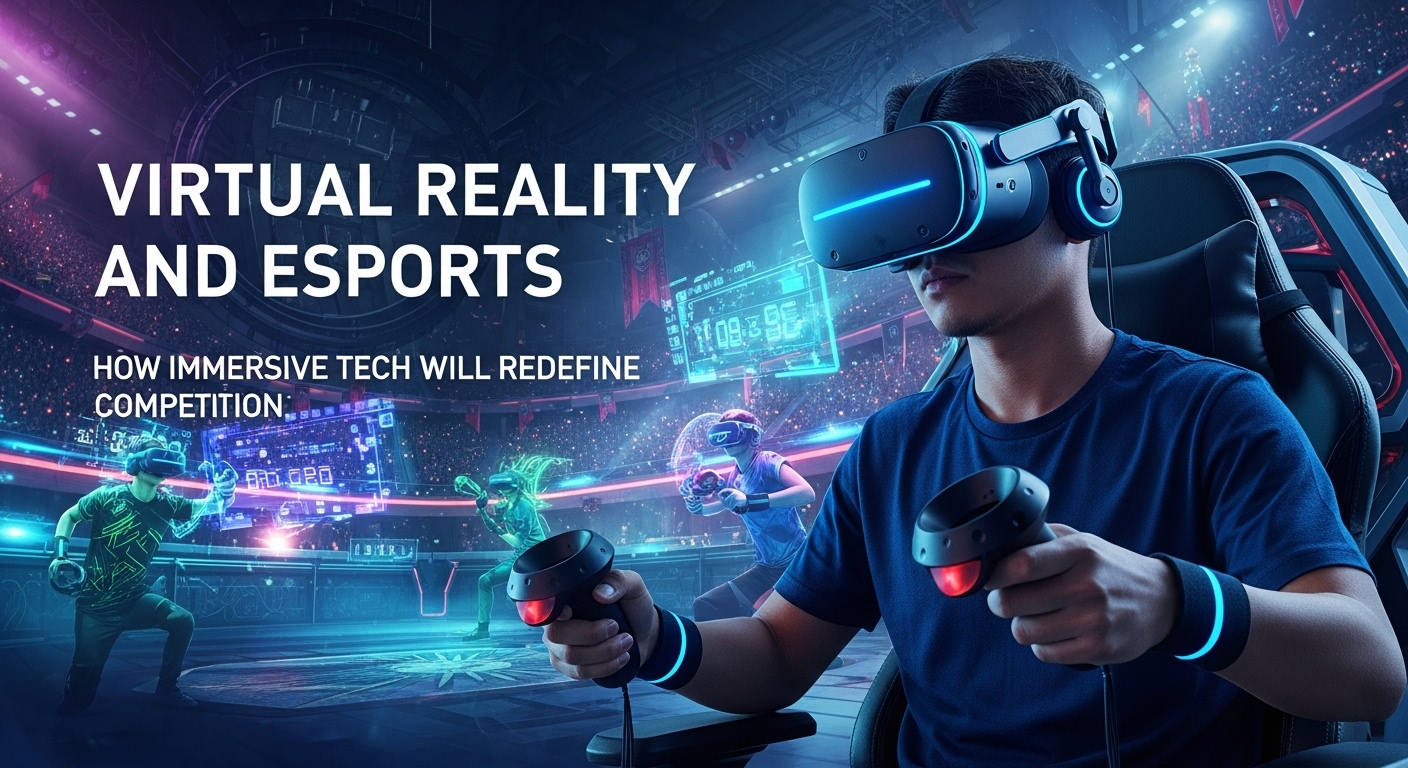
Looking ahead, advancements in Virtual Reality (VR) and Augmented Reality (AR) could take the eSports experience to a whole new level. VR could allow fans to experience the action from the perspective of the player, immersing them in the virtual arena. Meanwhile, AR could enhance the broadcast experience by displaying real-time stats, player info, and even in-game elements during live matches.
The Future of eSports: Endless Possibilities
The future of eSports is bright, with limitless possibilities. Mobile gaming is one area expected to grow rapidly, with mobile titles like PUBG Mobile and Clash Royale already carving out their own professional scenes. As mobile technology improves, mobile gaming could offer even more competitive opportunities and attract new players from all walks of life.
The potential for eSports to be included in major international events, such as the Olympic Games, is another exciting development. Although there are still hurdles to overcome, discussions surrounding eSports in the Olympics show that competitive gaming is gaining broader recognition and respect as a legitimate sport.
Moreover, as traditional sports leagues continue to recognize the value of eSports, we may see more crossovers between the two industries. The fusion of traditional sports and eSports could lead to new types of tournaments and collaborative events, expanding the audience and engaging new fans.
Finally, the technological innovations of the future—such as AI-driven game strategies, immersive VR experiences, and even better live streaming technologies—will push the boundaries of what we know about eSports today.
Conclusion: eSports Is Here to Stay
eSports has firmly established itself as a global cultural phenomenon. With its rapid growth, evolving technology, and rising interest from both players and fans, it’s clear that eSports will continue to redefine the way we think about competitive gaming. From casual gamers to professional athletes, from major corporate sponsors to online streaming platforms, everyone is contributing to this dynamic and ever-expanding industry.
Whether you’re an avid gamer or a casual viewer, the world of eSports is offering something exciting for everyone. As the industry continues to grow, there is no doubt that eSports will remain one of the most influential and innovative sectors in the world of entertainment for years to come.