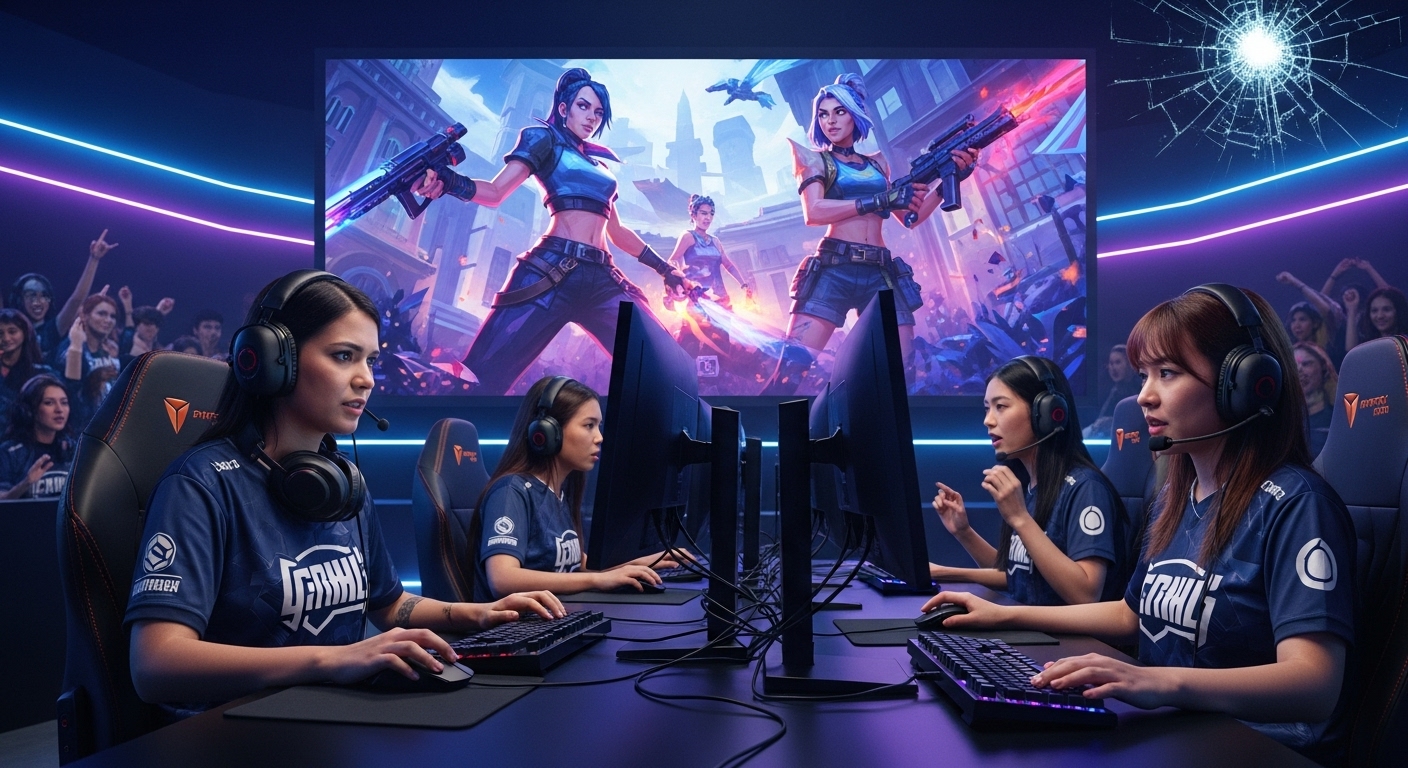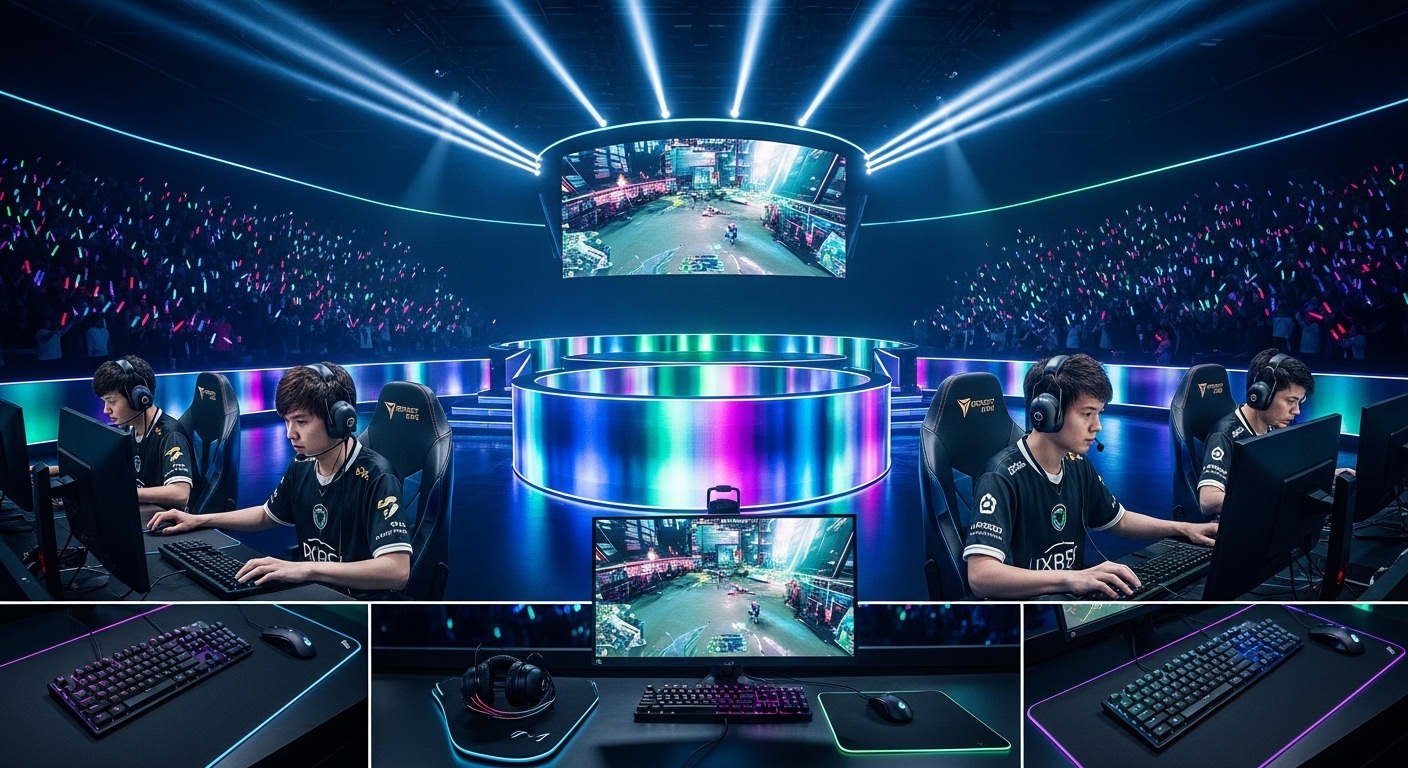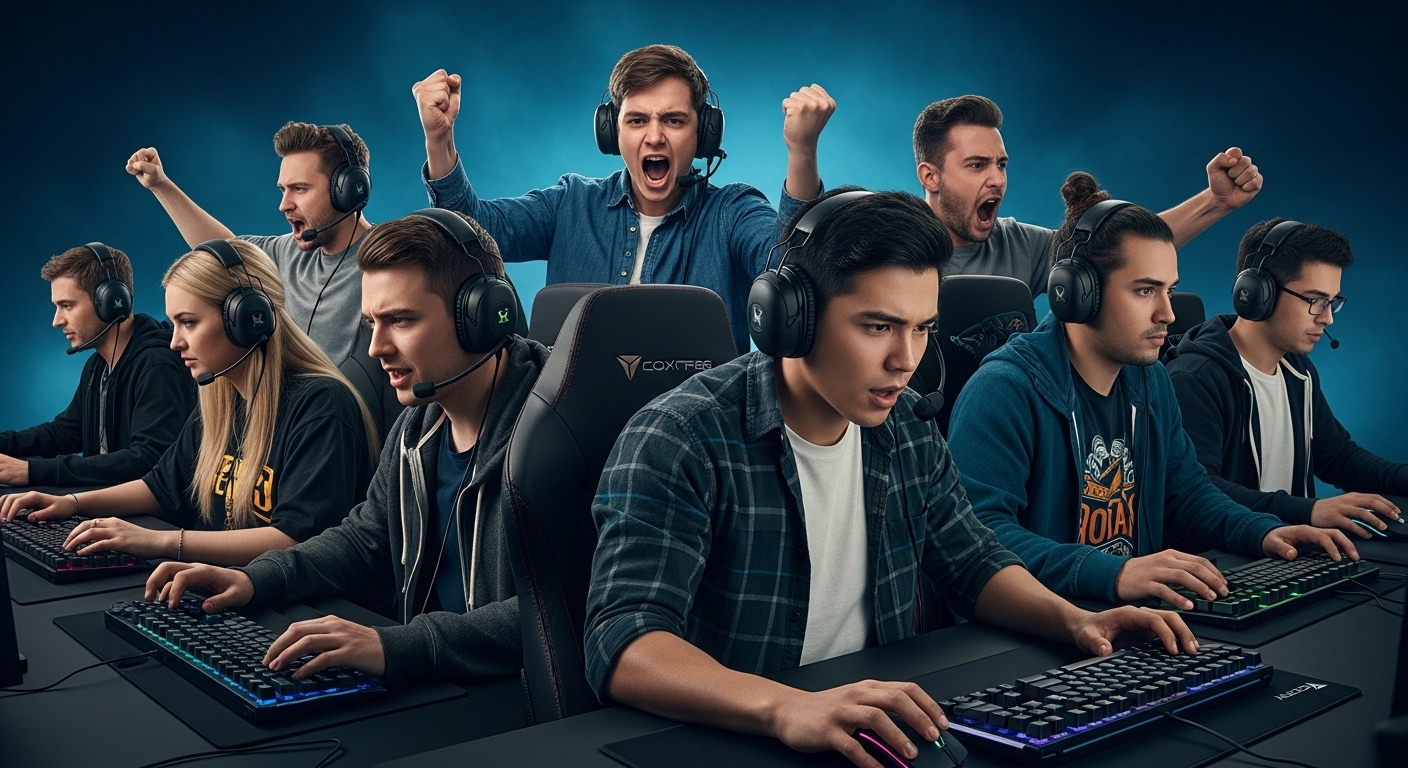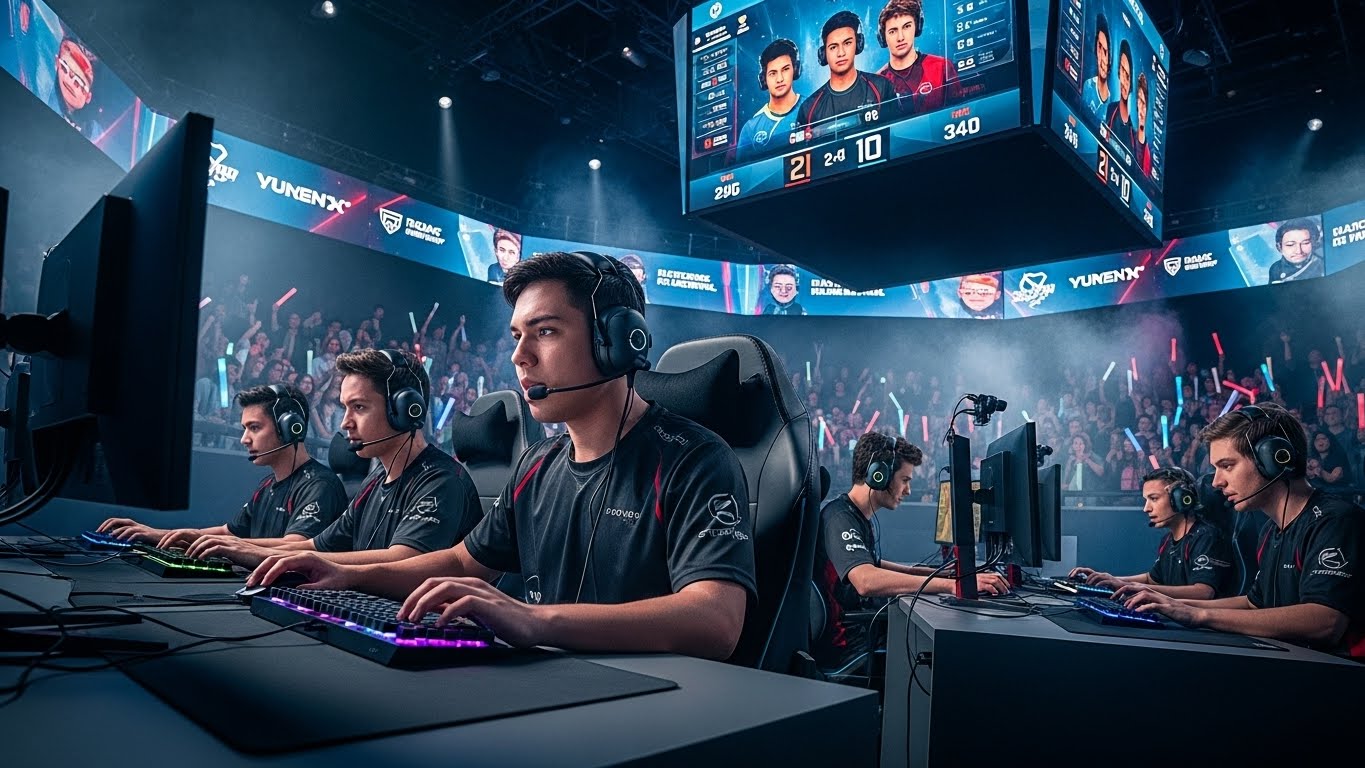
In the past decade, esports has grown from a niche hobby into a full-fledged global industry. Competitive gaming, once dismissed as a pastime for teenagers and hobbyists, now attracts millions of viewers worldwide, hosts multi-million-dollar tournaments, and offers professional career paths for players, coaches, and content creators. Esports has not only transformed the way people interact with video games but also redefined what it means to compete in the digital age.
The Origins of Esports
The history of esports can be traced back to the 1970s when arcade competitions became popular in the United States. Early video games like Space Invaders and Pac-Man attracted players who competed for high scores. By the 1980s and 1990s, games like Street Fighter and Doom introduced multiplayer competition, giving rise to organized tournaments and gaming communities.
The advent of the internet revolutionized esports. Players could now compete across cities, countries, and even continents. Games like StarCraft in South Korea and Counter-Strike globally helped solidify esports as a competitive activity rather than a casual hobby. These early developments laid the foundation for the professional leagues, sponsorship deals, and worldwide fan communities that define esports today.
Why Esports Appeals to Millions
Esports is compelling because it combines skill, strategy, teamwork, and entertainment. Unlike traditional sports, esports challenges players’ mental agility, reflexes, and decision-making skills within a digital environment. Each game is a complex ecosystem with unique mechanics, character abilities, and strategies that require mastery.
For fans, esports provides a level of engagement and immersion not always found in traditional sports. Watching a professional player execute intricate strategies, adapt to opponents in real time, and make split-second decisions is thrilling. The interactive nature of esports, where fans can follow live streams, participate in chat discussions, and even influence events, creates a sense of community and connection.
The Professionalization of Competitive Gaming
The growth of esports has led to the development of professional teams, coaches, analysts, and dedicated training facilities. Like traditional athletes, professional esports players follow rigorous training schedules. They practice for several hours each day, study opponents’ strategies, and maintain physical fitness to ensure peak performance during tournaments.
Professional esports leagues, such as the League of Legends Championship Series, the Overwatch League, and the Dota Pro Circuit, have established standardized rules, franchising systems, and prize pools that rival traditional sports. Sponsorships from global brands and media companies further legitimize esports, turning it into a viable career path for talented players.
Economic Impact of Esports
Esports has become a significant economic force. The industry generates revenue through sponsorship deals, advertising, merchandise, and live streaming. High-profile tournaments often feature prize pools reaching millions of dollars, attracting top talent from around the world.
Beyond players, esports has created opportunities in event management, content creation, game development, marketing, and broadcasting. Cities hosting esports events experience economic benefits from tourism, hospitality, and local infrastructure development. The financial impact of esports demonstrates that competitive gaming is not just entertainment but a powerful industry with global reach.
Esports and Youth Culture
Esports has become a defining aspect of modern youth culture. For many young people, competitive gaming offers a sense of identity, community, and achievement. Schools and universities are increasingly recognizing esports as an organized activity, offering scholarships and creating official teams for competitions at regional, national, and international levels.
Participation in esports helps develop valuable skills. Players improve problem-solving abilities, strategic thinking, teamwork, communication, and resilience. Unlike some traditional sports, esports is accessible to individuals regardless of physical limitations, fostering inclusivity and diversity. This accessibility allows a broader demographic to engage in competitive gaming meaningfully.
Mental and Physical Challenges in Esports
While esports offers numerous benefits, it also presents challenges. Extended hours of practice, high-pressure competitions, and constant performance evaluation can lead to mental fatigue, stress, and burnout. Professional players often face intense scrutiny from fans and media, making emotional resilience critical.
Physical health is also a concern. Long gaming sessions can cause eye strain, repetitive strain injuries, and poor posture. To address these issues, top esports organizations emphasize physical exercise, ergonomic setups, and scheduled breaks. Balancing mental and physical well-being is essential for sustaining a long-term career in competitive gaming.
The Global Esports Community
Esports connects players and fans across the world. Online platforms allow competitors from different countries to play together, fostering a sense of global camaraderie. Fans follow teams and players passionately, participate in discussions, and contribute to vibrant online communities. Social media, live streaming platforms, and forums create a shared experience that transcends geography.
Esports events themselves become cultural phenomena. Major tournaments attract millions of live viewers and often fill stadiums, creating an atmosphere comparable to traditional sports events. The global nature of esports emphasizes inclusivity, connectivity, and shared enthusiasm, making it a unique platform for digital social interaction.
Technology Driving Esports
The growth of esports is closely tied to technological advancements. High-performance gaming hardware, cloud-based gaming, virtual reality, and sophisticated software enhance both competition and viewer experience. Data analytics, artificial intelligence, and motion tracking provide insights into gameplay, helping players improve and teams optimize strategies.
Live streaming technology has also transformed esports into a spectator sport. Platforms enable fans to watch professional matches, interact with streamers, and participate in real-time engagement. These innovations make esports accessible to a global audience and have redefined how competitive gaming is consumed and enjoyed.
Career Opportunities in Esports
Esports is no longer just about playing games; it offers diverse career opportunities. Professional players are only one part of a broader ecosystem that includes coaches, analysts, commentators, event organizers, marketers, and content creators. Success in esports careers requires dedication, creativity, technical skills, and strong communication.
Aspiring esports professionals must maintain discipline, adapt to evolving games, and perform under pressure. The industry is still expanding, with emerging sectors such as virtual reality esports, mobile gaming, and interactive fan experiences providing new opportunities for growth and innovation.
Inspirational Stories from Esports
Esports is full of inspiring stories that showcase determination, skill, and perseverance. Many players have risen from modest beginnings to achieve global recognition, proving that talent and dedication can overcome obstacles. These narratives motivate fans, especially young gamers, to pursue their passions and strive for excellence.
Role models in esports also extend beyond gameplay. Many professional players engage in community initiatives, mentorship, and advocacy for mental health and diversity. Their impact demonstrates that esports is not only a competitive pursuit but also a platform for positive influence.
Challenges Facing Esports
Despite its growth, esports faces challenges. Issues such as cheating, toxicity, burnout, gender disparity, and commercialization threaten to undermine the integrity of the industry. Maintaining fair play, promoting inclusivity, and ensuring the well-being of players are critical for sustainable development.
Addressing these challenges requires collaboration between developers, teams, governing bodies, and fans. Education and awareness campaigns, clear ethical standards, and supportive policies can help esports continue to grow responsibly while preserving its competitive and cultural value.
The Future of Esports
The future of esports is bright and full of potential. Technological advancements, increasing investment, and broader societal recognition will continue to expand the industry. Emerging formats such as augmented reality, virtual reality, and mobile esports are likely to redefine competition and audience engagement.
Esports is also poised to influence education, entertainment, and culture. By offering accessible platforms for competition, skill development, and community building, esports will remain a powerful force for innovation and social connection. The evolution of esports demonstrates that the digital arena is as meaningful and exciting as any traditional sporting venue.
Conclusion: Esports as a Cultural Force
Esports is more than just video games; it is a cultural, social, and economic phenomenon. It combines strategy, skill, technology, and entertainment, offering opportunities for players, fans, and professionals alike. From grassroots communities to international tournaments, esports unites people across borders, fostering collaboration, creativity, and competition.
The rise of esports reflects a broader shift in how society engages with digital media and entertainment. It challenges traditional notions of sport while creating new pathways for achievement and connection. As esports continues to grow, it will inspire future generations, reshape the entertainment landscape, and redefine the meaning of competition in the 21st century.