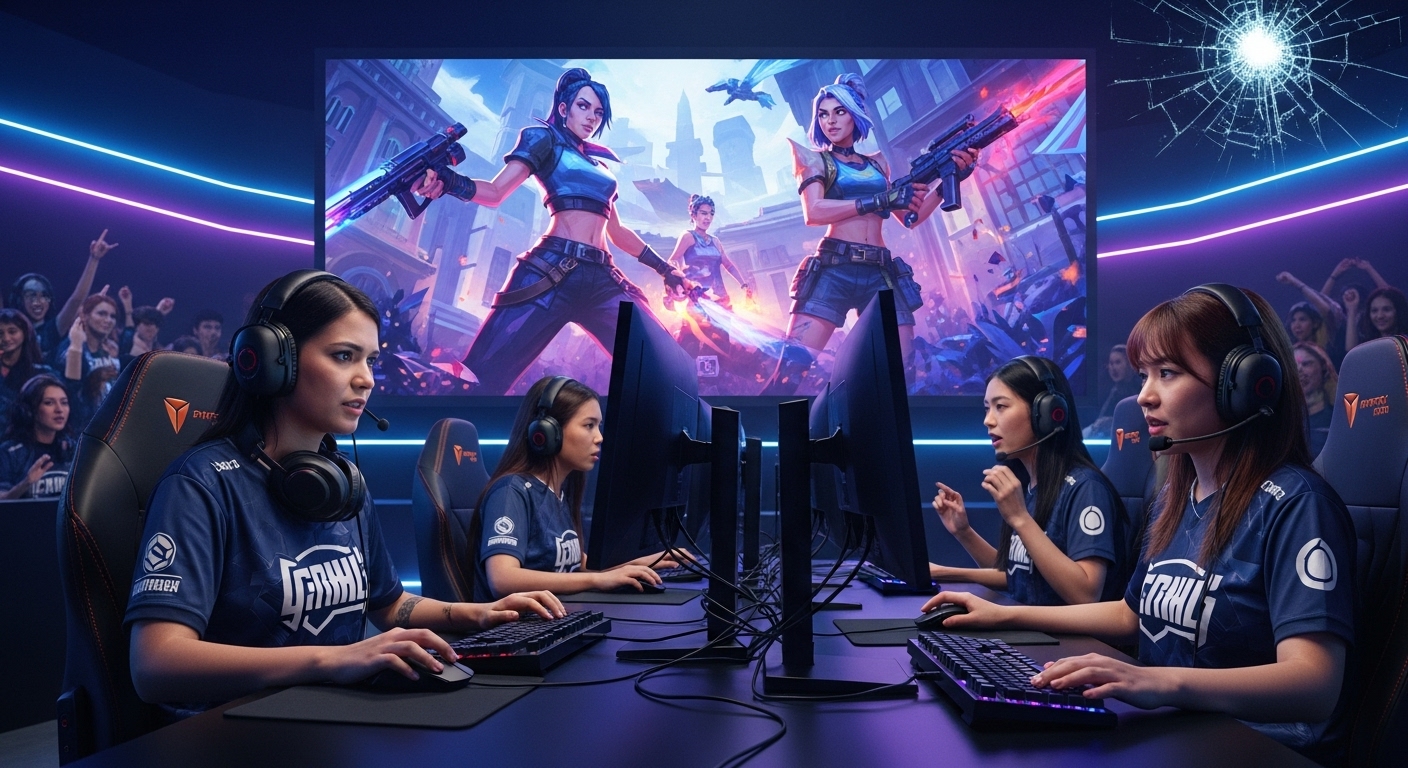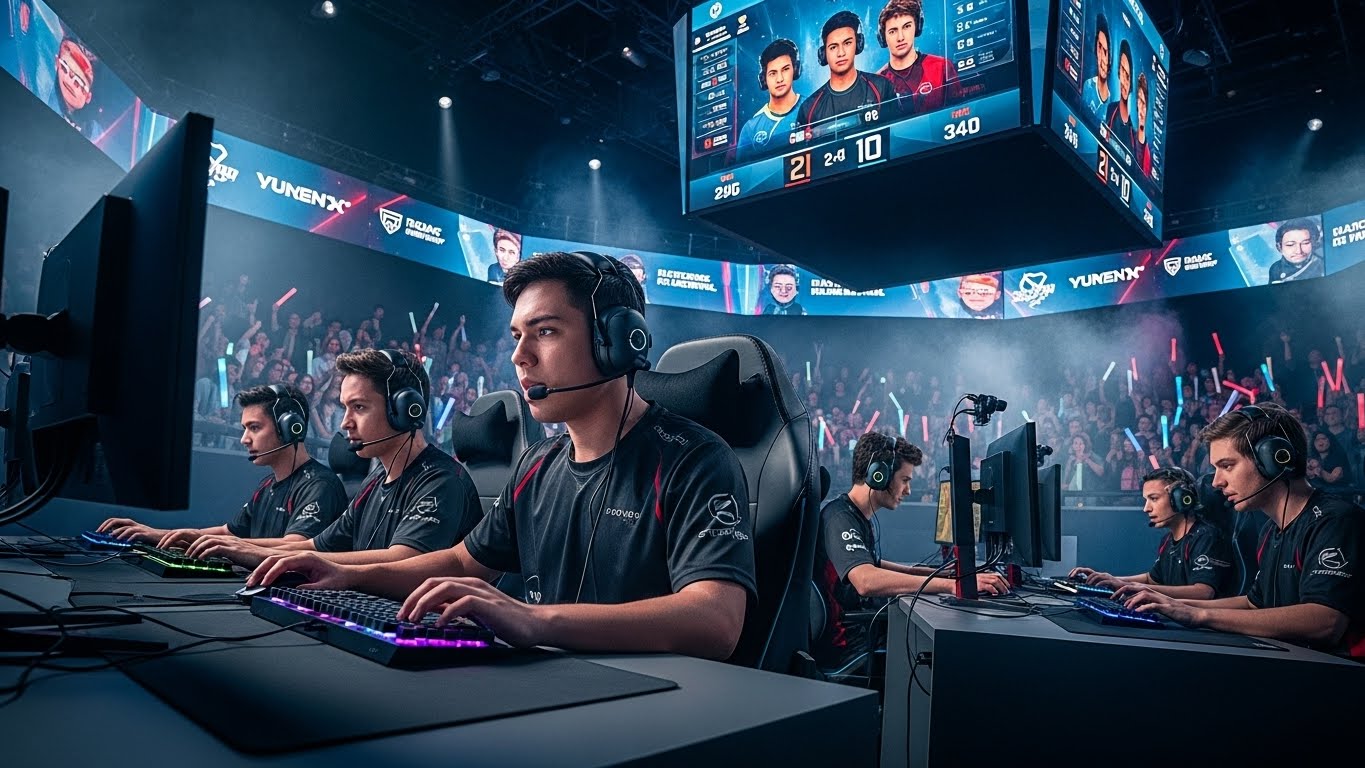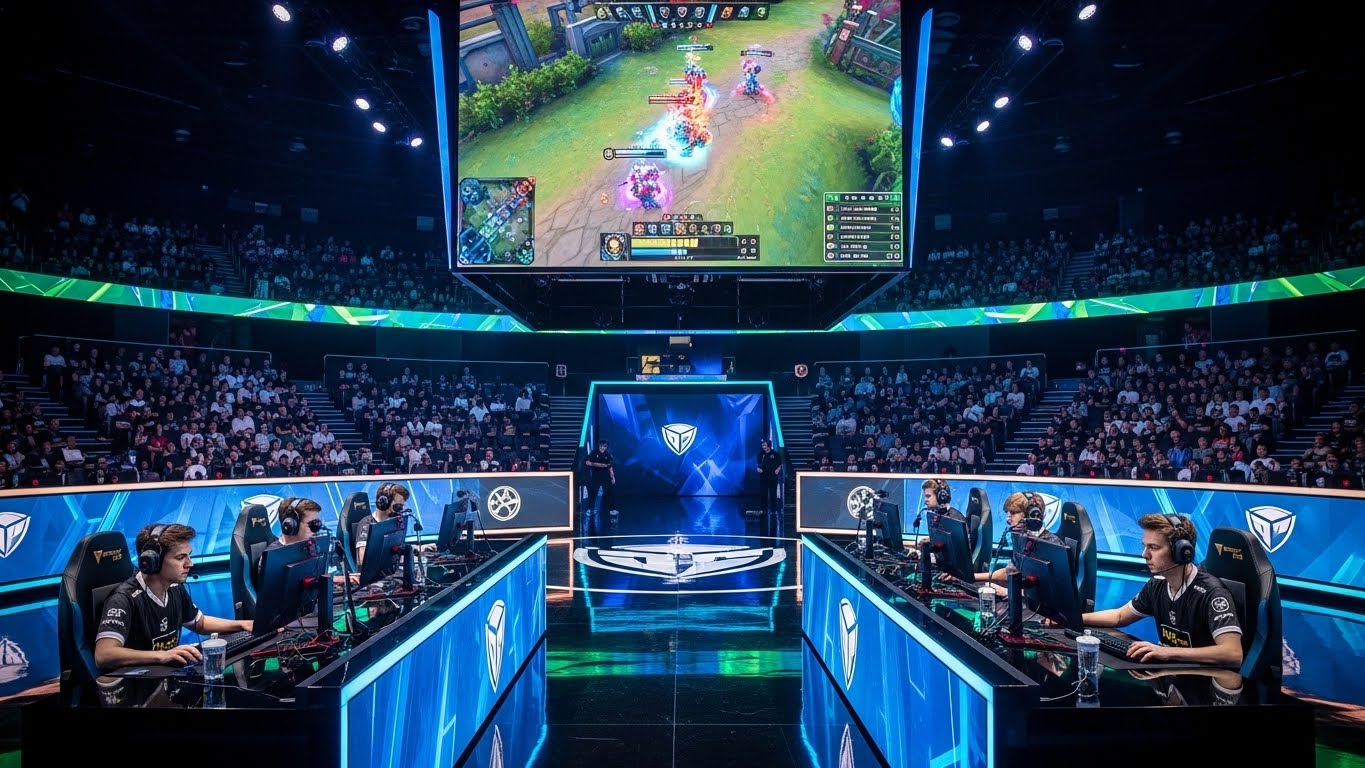
Esports — competitive video gaming — has exploded from obscure niche to global phenomenon over the past decade. What was once a pastime reserved for hobbyists has become a multi‑billion dollar industry with professional teams, international tournaments, celebrity endorsements, and millions of fans tuning in across the globe. In this blog post, we’ll explore how esports developed, what fuels its popularity, the challenges it faces, and the direction it may take in years to come.
Origins: From LAN Parties to Global Arenas
The story of esports begins in humble settings: local area network (LAN) parties, small gaming clubs, and basement gatherings. In the 1990s and early 2000s, multiplayer PC games like Quake, StarCraft, Counter‑Strike, and Warcraft attracted communities who would play together, compete, and share strategies. Within these circles, informal tournaments emerged.
Over time, the competitive aspect of gaming became more structured. Game publishers and third‑party organizations started hosting tournaments with prize pools. With improved internet infrastructure and streaming technologies, audiences beyond physical venues could watch matches remotely. This shift catalyzed the transformation from small community events to professional esports competitions.
By the 2010s, high‑stakes tournaments with thousands of spectators in arenas became common. Titles like League of Legends, Dota 2, Overwatch, CS:GO, Fortnite, and Valorant rose to the spotlight. Esports teams formed, signing sponsors and athletes, and training regimens became more rigorous. What was once casual became serious, professional, and highly organized.
What Makes Esports So Engaging?
1. Global Accessibility
One of esports’ strongest advantages is how accessible it is across geographies. Anyone with a gaming device and internet access can participate or spectate. Unlike traditional sports which require specialized facilities, expensive equipment, or local interest, competitive gaming can thrive virtually anywhere.
Because of this, talent can emerge from remote or underrepresented regions and still compete on a global stage. In areas where access to traditional sports infrastructure is limited, esports offers a more level playing field.
2. Spectacle & Storytelling
At their core, esports events are theatrical shows. Organizers invest heavily in stage production, lighting, music, cinematics, and drama to engage fans. Broadcasts include commentary (or “casting”), player interviews, replays, and dynamic presentation. Fans don’t just watch players click buttons — they follow narratives: upsets, rivalries, redemption arcs, underdog stories.
These narratives create emotional investment. A fan who supports one team over another feels tension, joy, heartbreak — just as in traditional sports. That emotional core fuels community, conversation, and loyalty.
3. Deep Strategic & Mechanical Skill
Unlike many casual games, esports titles often involve layers of strategy, teamwork, resource management, timing, and precise mechanical skill. Fans appreciate both the high-level tactics and the micro-level execution. The best players combine speed, decisions under pressure, spatial awareness, communication, and adaptability.
The beauty lies in the combination: a well‑executed strategy falling apart because of a mechanical lapse, or a underdog clutch play that defies odds. That uncertainty and display of mastery keep viewers hooked.
4. Community & Interactivity
Esports thrives on community. Fans engage on social media, streaming platforms, forums, and Discord servers. They debate strategies, trade memes, analyze gameplay frames, and even run amateur tournaments. Many tournaments include interactive features like live chat, community voting, and fan predictions.
Streamers and pro players often maintain direct communication with their fans. This closeness builds loyalty and makes spectators feel they are part of the scene—not just passive viewers.
5. Commercial Viability
The influx of sponsors, media rights deals, merchandise sales, ticket revenue, and advertising has made esports economically sustainable. Brands see value in influencing young, digitally native audiences. Game publishers monetize through in‑game items, cosmetic skins, and synchronized events. Esports teams attract investors as distinct entities rather than mere hobby clubs.
That commercial structure provides resources for player salaries, coaching, infrastructure, and marketing. That in turn elevates production quality and fan experience.
Major Esports Titles & Ecosystems
While the esports ecosystem is vast and diverse, several titles dominate viewership and financial support. Let’s look at a few representative titles:
League of Legends (LoL)
One of the most successful esports franchises, League of Legends features five‑vs‑five team battles over objectives like turrets and neutral monsters. Its global Leagues include regional circuits like LCK, LPL, LEC, and LCS. The annual World Championship (often called “Worlds”) draws tens of millions of viewers and enormous prize pools. The League universe also expands into merchandise, music, animations, and more.
Dota 2
Developed by Valve, Dota 2 is known for its complexity, strategy, and huge prize pools. Its flagship event, The International, often eclipses $30 million in prize money. Dota 2 matches are longer and more strategic, and the drafting (hero selection) phase is a critical element of gameplay. The passionate international fanbase and dramatic upsets make Dota 2 one of the cornerstones of esports.
Counter‑Strike: Global Offensive (CS:GO) / Counter‑Strike 2
Counter‑Strike has a legacy dating decades, evolving into CS:GO and now CS2. This tactical first‑person shooter involves team coordination, map control, economy management, and raw aim. Esports leagues and majors draw substantial audiences. The game’s spectator interface allows clear viewing of player positions, economy, and tactics, making it especially viewer friendly.
Valorant
A newer entrant from Riot Games, Valorant combines tactical shooter mechanics with hero-like abilities. Its esports ecosystem is growing rapidly, with regional leagues and international tournaments. Valorant offers a hybrid of shooter and hero‑based game elements, appealing to fans of both genres.
Overwatch / Overwatch 2
Overwatch introduced hero‑based team combat with objective modes and intense team coordination. The Overwatch League pioneered the city‑based franchise model in esports. While the original Overwatch competition has undergone shifts, the sequel continues the competitive tradition. Teams must cover roles like damage, tank, and support, requiring synergy and fast decision making.
Mobile Esports
In many parts of the world, mobile esports dominate due to widespread smartphone adoption. Titles like PUBG Mobile, Call of Duty Mobile, Mobile Legends, and Arena of Valor host large-scale tournaments. The mobile format democratizes esports, enabling amateur players in diverse regions to compete. Major mobile tournaments also attract large prize pools and viewership.
The Ecosystem: Teams, Players, and Support Structure
Professional Teams & Organizations
Top esports organizations operate similarly to sports franchises. They manage rosters across multiple titles, handle training facilities, branding, marketing, sponsorships, and scouting. They hire coaches, analysts, psychologists, content creators, nutritionists, and physical trainers. The level of infrastructure varies by region and title, but elite teams function with full support systems.
Players & Training Regimens
Esports pros train intensely. Schedules often involve scrimmages, solo practice, review of VODs (video recordings), strategy meetings, physical fitness, and mental health sessions. Some teams emphasize physical exercise, nutrition, and rest to maintain high performance and reduce burnout.
Players endure long hours, pressure, travel, and performance cycles. Peak performance windows are limited, and many retire or transition to coaching, streaming, or analysis roles in their mid to late twenties.
Coaches, Analysts & Support Staff
Behind every pro roster is a team of coaches and analysts who dissect opponents, optimize strategies, provide feedback, and support player development. Analysts use data: pick and ban statistics, win rates, champion usage, map control, etc. Coaches keep morale, manage communication, and help with adaptation mid‑series.
Support staff such as psychologists handle mental well‑being and stress. Trainers may help with posture, hand health, and ergonomics. Content creators and social media teams manage branding and fan engagement.
Organizers & Tournament Promoters
Tournament organizers and leagues coordinate schedules, logistics, broadcasting, venues, and prize pools. They negotiate sponsorships and media rights and ensure competitive integrity. The performance of these organizers often determines fan experience, production quality, and long‑term viability of events.
Challenges & Criticism
While esports has grown impressively, it faces ongoing challenges and critiques that must be addressed for sustainable development.
Player Burnout & Mental Health
Long practice hours, pressure to perform, travel, and performance slumps contribute to burnout and mental health issues. Some players struggle with depression, anxiety, or loss of motivation. Without proper support and rest, careers can be cut short.
Career Longevity & Transition
Due to high competition and declining reflexes with age, many players retire young. The challenge is to create viable career transitions — coaching, content creation, brand ambassadorship — so that prior stars can remain within the ecosystem.
Regional Disparities & Funding Gaps
Esports infrastructure is uneven globally. Regions like North America, South Korea, China, and parts of Europe have robust support, while other regions struggle with funding, internet access, and recognition. This disparity can suppress talent from underrepresented areas.
Regulation, Governance & Integrity
Cheating, match‑fixing, doping, and unfair contracts are issues. Establishing clear regulatory bodies and governance structures is critical. Transparency in finances, prize splits, and team contracts is necessary to protect players and maintain credibility.
Monetization Models & Player Share
Most revenue streams (media rights, sponsorships, merchandising) accrue to publishers, tournament organizers, or teams. Many players feel they don’t get a fair share relative to the value they generate. Equitable revenue sharing models remain a contentious topic.
Viewership Saturation & Audience Fragmentation
With so many titles and tournaments, it’s possible for the esports audience to fragment and attention to dilute. Building sustainable fanbases rather than chasing one‑off blockbuster events is essential.
Impact: Culture, Technology & Society
Cultural Influence & Identity
Esports has become integrated into youth culture. Players are celebrities with large social followings. Pro organizations produce content beyond matches: behind‑the‑scenes, vlogs, tutorials. Esports aesthetics influence fashion, music, and digital media.
Gaming jargon (e.g. “clutch,” “GG,” “meta”) enters mainstream language. Communities form identities around teams or titles, fostering belonging across global boundaries.
Technological Innovation
Esports demands cutting-edge broadcasting, streaming, and spectator interfaces. Innovations like augmented reality overlays, real‑time stats, advanced replay systems, 3D visualization, and data analytics push technological boundaries.
Infrastructure and platform improvements created for esports also benefit other industries. Low latency streaming, scalable server systems, and interactive layers can be applied in education, remote work, simulation, and entertainment.
Economic Development & Job Creation
Esports creates value across sectors: event management, production, gaming hardware, coaching, content creation, marketing, analytics, merchandise. Cities hosting major tournaments benefit from tourism, facilities, and international branding.
In many regions, esports programs within educational institutions are emerging, offering scholarships, courses in game design, event management, and broadcasting.
Changing Perceptions of Gaming
Esports helps counter negative stereotypes of gaming by highlighting strategy, teamwork, discipline, and professionalism. When schools or governments recognize esports as legitimate competition, it can help shift attitudes toward gaming from frivolous to serious.
What the Future Holds
Where might esports be headed in the next decade? Here are promising trends and possible futures.
Expansion into Mainstream Media
We may see more esports broadcast on conventional television networks, sports channels and prime‑time slots. Esports could coexist with traditional sports in programming, with crossover events or joint advertising packages.
Franchising & City‑Based Leagues
The adoption of city or region‑based franchises (similar to traditional sports) helps localize fan loyalty and investment. As this model matures, more regions may adopt bids and share revenue, creating stability and community roots.
Cross‑Platform & Cross‑Title Integration
Future esports may blur boundaries between game genres. Cross‑platform tournaments (PC, console, mobile) could unify audiences. Titles may allow interoperability, shared skins or economies, and cross‑title athlete branding.
Enhanced Spectator Experience
Immersive viewing experiences may include virtual reality (VR) or augmented reality (AR) participation. Fans might “sit” inside arenas virtually, view matches from player perspectives, or customize their viewing overlays. Social viewing rooms and interactive features will deepen engagement.
Education, Scholarships & Pathways
Esports could become more embedded in schools and universities. Formal pathways may emerge from amateur to pro, supported by curricula in coaching, broadcasting, performance study, and event management. Esports scholarships could become as respected as sports scholarships.
Regulation & Standardization
To ensure fair competition and long‑term stability, unified global regulatory bodies may form. Standardized contracts, tournament rules, player rights protection, anti‑cheating systems, and doping regulations are likely to mature. Esports could gradually resemble traditional sports governance structures.
Diversity, Inclusion & Accessibility
Esports has great potential to include underrepresented communities: people with disabilities, women, lower‑income regions. Adaptive controllers, accessible titles, mentoring, and inclusion initiatives could help broaden participation. Representational diversity among teams and audiences may become a stronger priority.
A Day in the Life of a Pro Player
To illustrate how intense and structured esports careers can be, consider a typical day for a high‑level player.
Morning: The player wakes early, focuses on physical warmups—hand stretches, light cardio, maybe a physiotherapy routine for wrist health. Breakfast is optimized for nutrition. The first training block may begin with solo practice or individual drills.
Midday: After some practice, the player and team review footage: wins, losses, mistakes, opponent replays. Together with coaches and analysts, they adjust strategies, refine pick/ban phases, and simulate enemy tactics.
Afternoon: After a lunch break and mental rest, scrimmages against other teams begin. These are live practice sessions simulating tournament conditions. Communication, adaptability, and execution matter most. The team may work on synergy drills, specific map strategies, or clutch scenarios.
Evening: After practice ends, players cool down, debrief with coaches, and review metrics (accuracy, damage dealt, objective control, economy efficiency). They may also spend time streaming or creating content for fans. Dinner and rest are crucial because rest impacts mental performance.
Night: Some players continue light solo queue or aim training, but often teams enforce cutoffs to avoid exhaustion. Mental recovery, sleep hygiene, and downtime ensure the player is prepared for the next day.
This regimen highlights that esports is not just “playing games” — it demands discipline, structure, feedback loops, and continuous adaptation.
Stories of Triumph & Rivalry
The narrative arcs within esports add to its mystique. Consider:
- An underdog team rises from regional obscurity, defeats reigning champions, and claims a world title.
- A veteran player approaching retirement mentors a new star and passes the torch amid fanfare.
- Two rival teams trade victories season after season, fueling passionate community debate and intense anticipation.
- A player suffers burnout and returns stronger after a sabbatical, becoming a fan favorite comeback story.
These storylines deepen fan engagement, turn competitions into dramas, and anchor esports in human emotion beyond pixels and mechanics.
How to Get Involved: For Fans, Players & Organizers
As a Fan
- Watch tournaments in your favorite titles, and follow regional leagues to see rising talent.
- Engage on community platforms — forums, chat rooms, social media — to discuss plays, predictions, and strategies.
- Join local events or amateur tournaments to feel the energy of live competition.
- Support teams and players through merchandise, sponsorship, or platform subscriptions.
As a Player or Aspirant
- Specialize in one or two games instead of spreading across many.
- Study the meta and gameplay deeply, not just raw mechanical skill.
- Find or form a team, as most high‑level play is team-based.
- Seek feedback by recording your play, watching replays, and learning from better players.
- Balance training with rest and health, including physical exercise, healthy diet, and mental wellness.
As an Organizer or Promoter
- Start small with local events or online tournaments.
- Prioritize production quality — broadcast presentation, commentary, spectator interface — to attract viewership.
- Partner with sponsors and brands that align with gaming audiences.
- Focus on community building, accessibility, and fair competition.
- Ensure transparency in prize distribution, rules, matchmaking, and scheduling.
Measuring Success: Metrics and Indicators
To gauge the health and growth of esports, several key metrics are relevant:
- Viewership numbers: peak concurrent viewers, average viewership, unique viewers per event.
- Attendance: physical turnout at live events and arena occupancy.
- Prize pool size: total money at stake and distribution among participants.
- Sponsorship revenue: brand partnerships and advertising value.
- Team valuations & investments: how much investors are willing to invest in organizations.
- Player wages and sustainability: stability of players’ income, career length, and post‑player pathways.
- Engagement metrics: social media interactions, content views, merchandise sales, community growth.
- Geographic spread: participation from regions previously underrepresented.
Healthy growth across these areas indicates a strong, sustainable ecosystem.
Esports & Education: Merging Play with Purpose
An exciting trend is the convergence of esports and education. Schools, colleges, and universities worldwide now offer:
- Esports clubs and degree programs in game design, broadcasting, marketing, or event management.
- Scholarships for talented gamers to represent institutions, similar to athletic scholarships.
- Academic research into performance psychology, human‑computer interaction, and game analytics.
- Curricula covering teamwork, leadership, communications, and digital skills using esports as context.
This fusion empowers students to view gaming not as distraction but as a viable career path with transferable skills.
Ethical Considerations & Social Responsibility
As esports grows, ethical issues become more pressing:
- Fair labor practices: ensuring players are not exploited by unfair contracts, unreasonable schedules, or lack of protections.
- Mental health support: embedding counseling, stress management, and rest protocols.
- Diversity and equity: addressing gender, racial, and socioeconomic disparities in access and representation.
- Cheating, doping, and integrity: applying anti‑cheat software, monitoring match integrity, and sanctioning misconduct.
- Responsible monetization: avoiding exploitative game models, predatory microtransactions, or gambling elements tied to esports.
Esports stakeholders must take social responsibility seriously to preserve trust, legitimacy, and long‑term viability.
Predictions & Speculations: Twenty Thirty Esports
Peering ahead ten years, here are bold speculations:
- Virtual arenas: Fans from across continents will “enter” virtual stadiums using VR, interact in real time, and feel immersed.
- AI commentators & assistants: Artificial intelligence may assist analysts by generating live insights, statistical overlays, or predictive alerts.
- Dynamic tournament formats: Hybrid in‑person and online event models, with flexible bracket systems and fan input.
- Shared ecosystems across genres: Unified tournaments where players may shift between game types (e.g. shooter, MOBA) in unified contests.
- Metaverse integration: Esports events may be integrated into virtual worlds where fans can engage, socialize, and trade digital experiences.
- Greater institutional recognition: Esports becoming part of Olympic or multi‑sport events, with national federations and standardized regulations.
- Economic convergence: Esports merging more deeply with entertainment, film, music, fashion, gaming hardware, and IP ecosystems.
Though speculative, these possibilities reflect how rapidly technology, culture, and competition intertwine.
Conclusion
Esports is more than “playing video games.” It is a vibrant, multifaceted ecosystem shaped by athletes, fans, storytellers, technologists, and entrepreneurs. Its growth reflects shifts in media consumption, digital identity, and competitive culture. Esports presents both immense promise and real challenges: managing health, fairness, sustainability, and accessibility.
To succeed in esports, stakeholders must balance commercial ambition with community values, invest in infrastructure and talent, and anticipate new horizons in spectatorship and technology. For aspiring players and fans, now is a thrilling time to participate, shape, and experience the journey.
Whether you’ve followed esports casually or dream of becoming a pro, the narrative is still unfolding. In the coming years, new titles will emerge, new champions will be crowned, and the boundaries between virtual and real competition will blur. One thing is certain: esports is here to stay — and it will continue evolving in surprising, electrifying ways.