Introduction
Esports, once seen as a hobby enjoyed in dimly lit internet cafés, has evolved into a massive global phenomenon. Millions of fans tune in daily to watch skilled players compete at the highest level in games ranging from strategy to shooters and sports simulations. Far from being a passing trend, esports has established itself as a legitimate form of competition, complete with professional athletes, dedicated coaches, analysts, and enormous audiences. In this blog post, we explore the rise of esports, its present-day influence, the ecosystem behind it, and why it has become one of the most impactful entertainment and sports industries of the 21st century.
The Origins of Competitive Gaming
Before esports became a multimillion-dollar industry, it started humbly. Early competitions in the late twentieth century involved small gaming tournaments hosted in arcades or local clubs. The pivotal moment came when technology advanced, making it easier for players to connect through local networks and eventually online servers. This accessibility opened doors for anyone with a PC or console to test their skills against the world. What was once social or recreational gameplay slowly transformed into structured competition, building the foundation for what we now know as esports.
The Turning Point of Online Connectivity
As the internet expanded, online multiplayer titles became increasingly sophisticated. Games like real-time strategy classics and early first-person shooters attracted growing communities of players who wanted not only to play but also to prove their mastery. The ability to create online ladders, rankings, and competitive leagues encouraged commitment and skill development. Suddenly, talented players could be recognized globally. This transition made it possible for esports to break the limitations of small local gatherings and become a worldwide battleground for skill and strategy.
The Rise of Professional Leagues and Teams
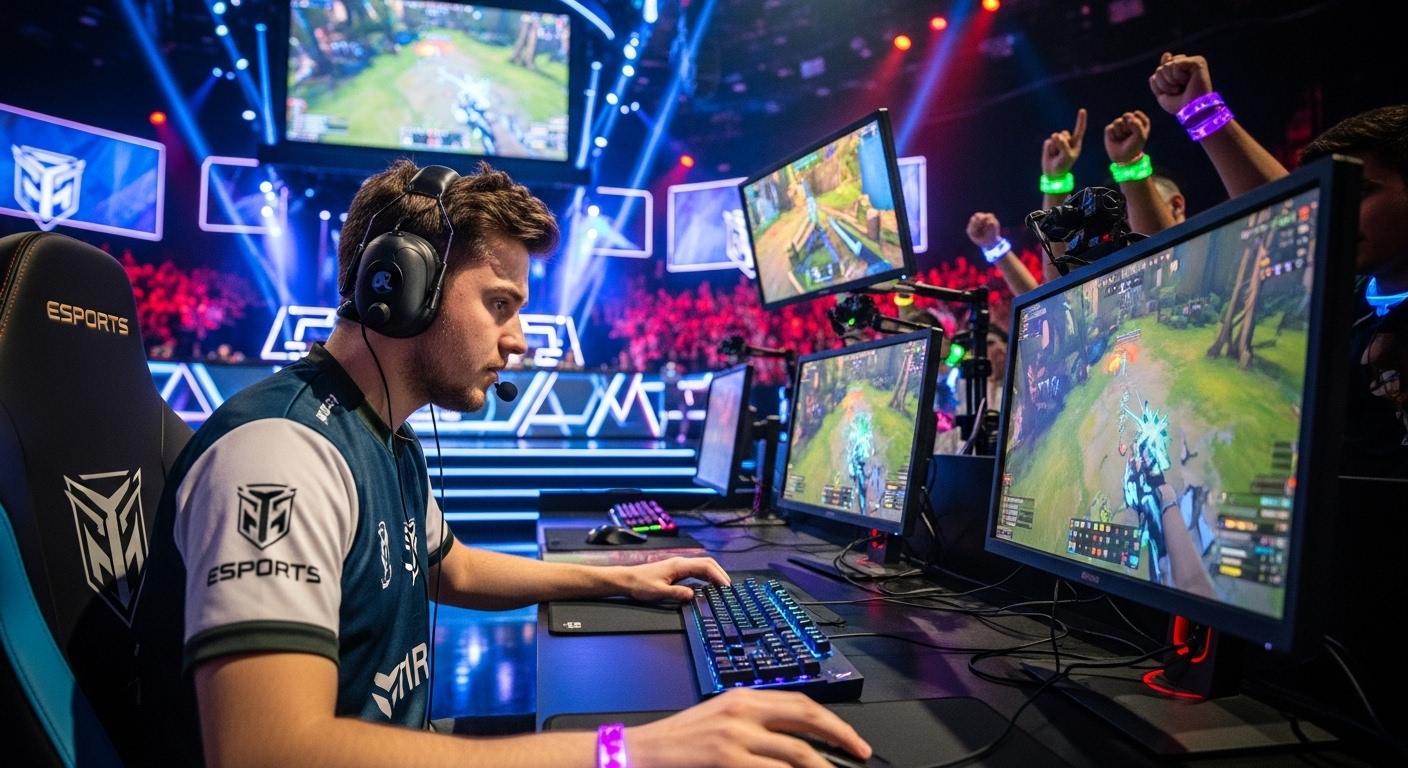
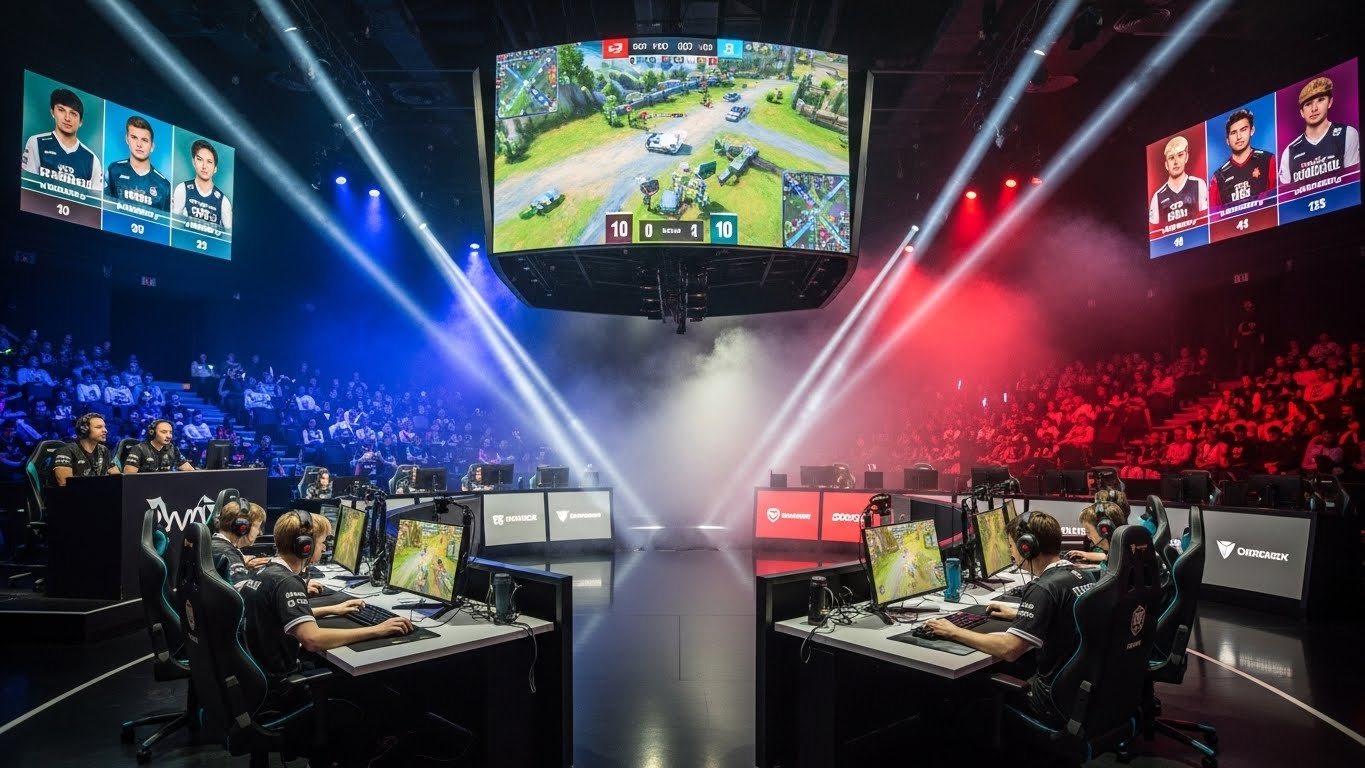
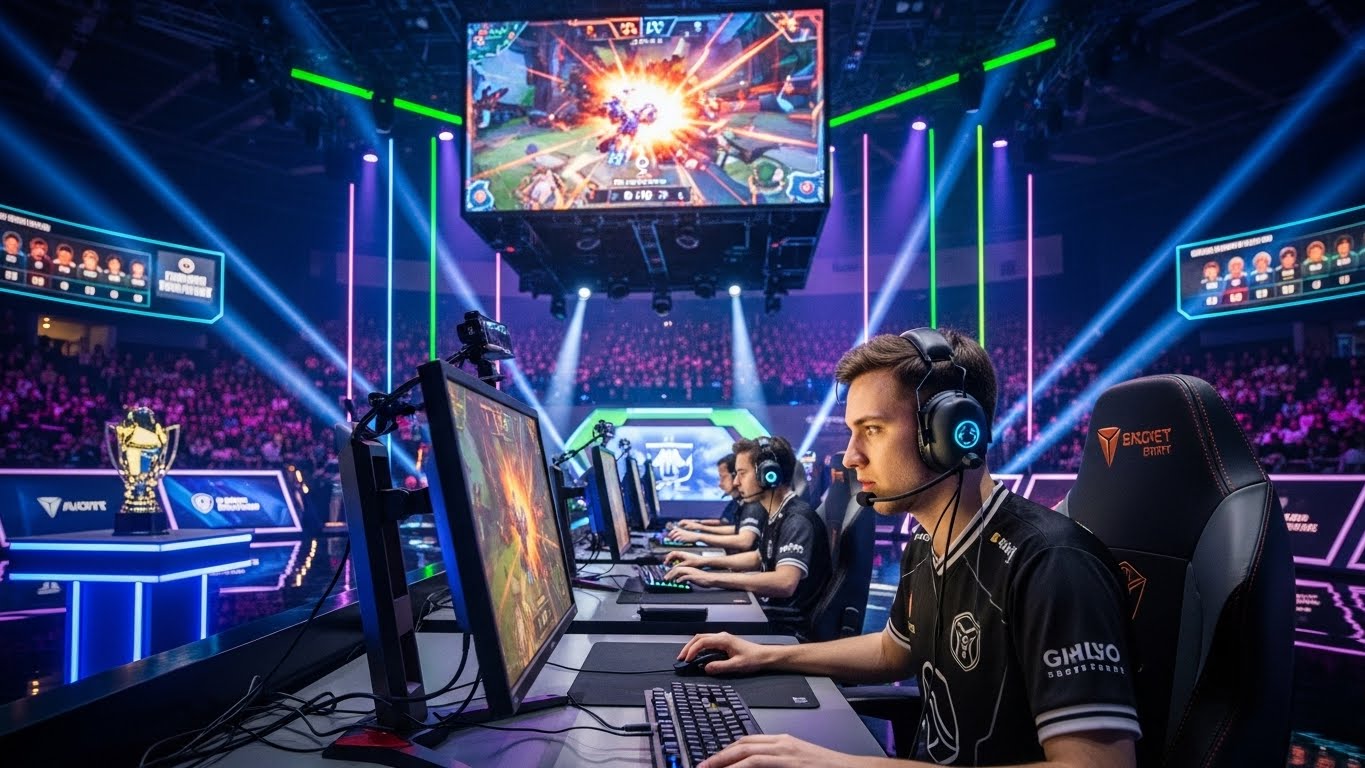
Today, esports organizations function much like traditional sports clubs. They scout talent, train players, hire coaches, and build brand identities. Many teams have dedicated facilities equipped with state-of-the-art technology, nutrition plans, and psychological support. The rise of professional leagues created an organized environment with clear rules, seasonal play, and championship finals. Fans follow their favorite teams, purchase merchandise, and attend tournaments hosted in massive arenas. In some regions, these events attract more attendees than conventional sports matches.
The Players Behind the Screens
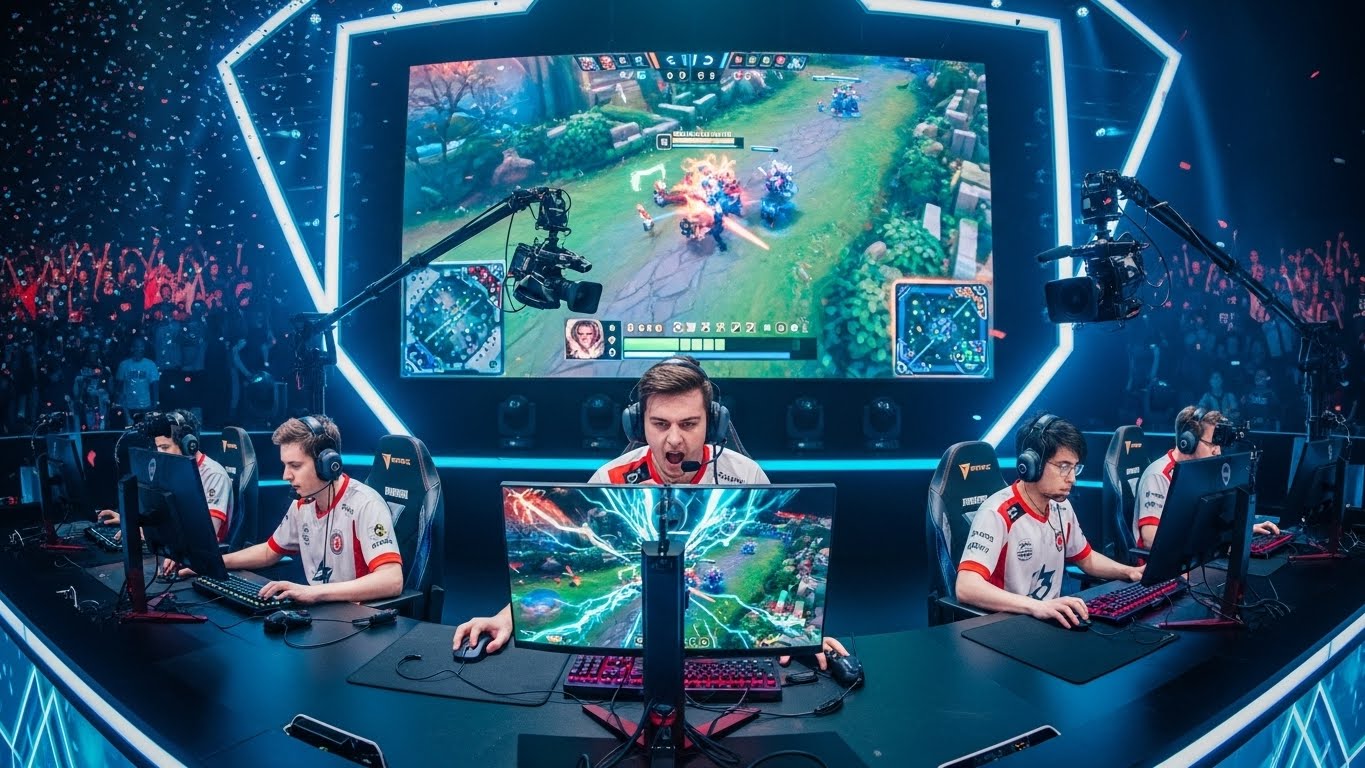
Professional esports players are often misunderstood by those outside the gaming community. Critics may assume they merely play games all day, but the reality is far more demanding. These players commit to strict practice schedules, analyze gameplay footage, maintain physical fitness for reaction speed, and work closely with coaches who specialize in strategy and performance. A single match can require fast decision-making, deep game knowledge, and flawless teamwork. The pressure is immense, as thousands or even millions of viewers watch their every move. Yet for those who excel, esports provides opportunities similar to traditional athletes, including sponsorships, salaries, and global recognition.
Esports as a Spectator Sport
One of the most interesting aspects of esports is its massive appeal as a spectator activity. Streaming platforms allow fans to watch live matches from any location. This gives esports an advantage over traditional sports, since viewers do not rely on television broadcasting rights. A tournament can be accessed with just a device and an internet connection. This accessibility has led to explosive growth in fan bases across multiple genres. Viewers not only watch matches but also engage through live chats, follow streamers, and learn strategies from the experts they admire. This interactive dimension has strengthened community bonds and contributed to the rapid expansion of esports.
The Role of Content Creators
Beyond professional players, content creators and streamers play a crucial role in promoting esports. They share gameplay, tutorials, commentary, and entertainment that draw millions of views daily. Many of these personalities act as ambassadors for their games, helping newcomers learn and get involved. Their influence is so strong that top streamers often shape game trends, champion updates, and even impact the competitive meta. By blending entertainment with skill, content creators add a unique layer of visibility and excitement to the esports ecosystem.
The Globalization of Competitive Gaming
Esports is not limited to one region or culture. It is a worldwide phenomenon that connects players and fans from every continent. Different regions have developed their own competitive scenes, strategies, and iconic players. Major tournaments feature international rivalries that resemble the passion of global sporting events. Countries invest in esports academies, and some even recognize esports athletes with official status. The global nature of esports fosters cultural exchange and shows how digital competition can unite people regardless of geography.
Educational and Career Opportunities
As esports grows, so do its educational and career pathways. Universities now offer scholarships for esports athletes, similar to traditional sports scholarships. Academic programs focus on game design, broadcasting, marketing, and esports management, opening doors for students who want to join the industry beyond playing. Career options within esports include coaching, commentary, event production, social media management, data analytics, and game development. The field continues to expand, offering long-term prospects that once seemed impossible for gaming enthusiasts.
The Technology Powering the Industry
Technology fuels the success of esports. High-performance computers, fast internet connections, improved graphics, and advanced game engines all contribute to more detailed and responsive gameplay. Innovations like virtual reality, augmented reality, and artificial intelligence promise to shape the future of competitive gaming. Spectator experiences also evolve with virtual venues, analytical overlays, and immersive broadcasting effects. As technology advances, esports becomes even more captivating and accessible.
Community and Culture
At its core, esports is driven by community. Every game features passionate groups of players who discuss strategies, share tips, and celebrate achievements. Fan culture includes artwork, memes, events, and dedicated fanclubs supporting their favorite teams. Community tournaments allow everyday players to experience competition firsthand. This sense of belonging and shared interest is a major reason esports continues to thrive. Whether online or in person, the community atmosphere fosters friendships, collaboration, and a collective sense of excitement.
Challenges Facing the Esports Industry
Despite its growth, esports faces challenges. Player burnout is common due to rigorous schedules and constant pressure. Maintaining competitive integrity is crucial, requiring strict rules and monitoring to prevent cheating. Financial stability varies across organizations, and not all teams have long-term support. Additionally, the rapid pace of game updates can disrupt the balance of competition. Addressing these issues requires coordinated effort from developers, teams, and event organizers to ensure a sustainable future.
The Future of Esports
The future of esports looks bright. With increasing mainstream recognition, growing investment, and continuous technological innovation, esports is set to reach new heights. More countries are embracing competitive gaming as part of their cultural and entertainment landscape. Traditional sports organizations collaborate with esports teams, bridging the gap between digital and physical competition. The next decade could see esports intertwined with education, entertainment, and global sporting events in ways we can only imagine today.
Conclusion
Esports has transformed the world of competitive entertainment. What began as small gatherings of dedicated gamers has blossomed into a powerful global movement. It brings together diverse individuals, fosters communication across cultures, creates career opportunities, and showcases extraordinary talent. As technology evolves and communities continue to grow, esports will remain a dynamic and influential force. Its story is still unfolding, and the world is watching closely as competitive gaming redefines what it means to be an athlete in the digital age.