Introduction: A New Era of Competitive Play
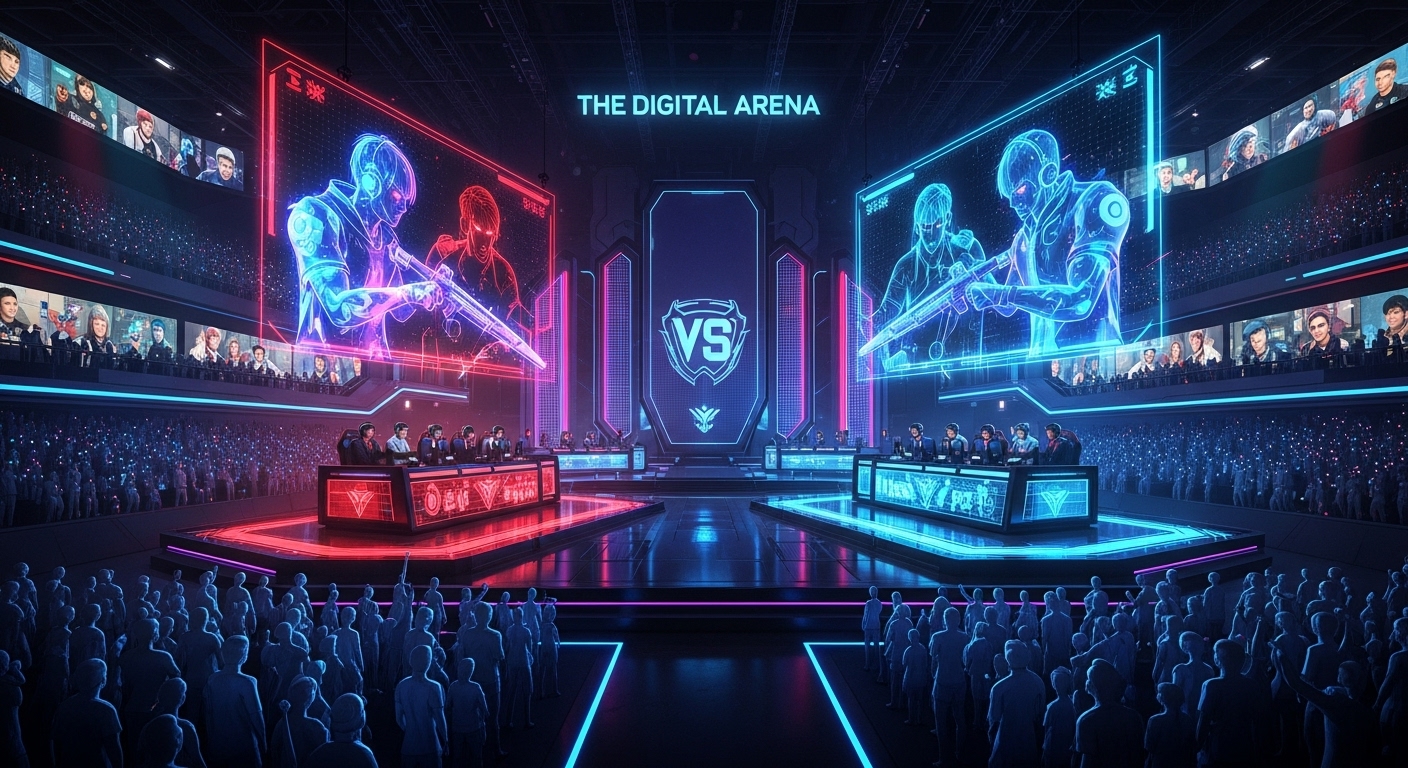
Over the last two decades, esports has transformed from a niche pastime into a global entertainment powerhouse. Once dismissed as a hobby confined to internet cafés and small local tournaments, competitive gaming is now viewed as a legitimate sport with professional athletes, global franchises, multimillion-dollar prize pools, and audiences rivaling traditional sports. This unprecedented rise has reshaped how the world views competition, community, and digital culture. Esports is more than a trend; it is an industry redefining what it means to be a competitor in the digital age.
The Foundation of Competitive Gaming
The origins of esports can be traced to early gaming history, where friendly competitions at arcades and universities laid the groundwork for something much bigger. Early events focused on high scores and speed runs, but the spirit of rivalry was already strong. When the internet made online multiplayer gaming possible, esports took on new life. Players could challenge opponents from across the world, forming communities and pushing the limits of their skills. This connectivity created an environment where competition became more structured and more intense, ultimately giving birth to organized esports leagues and tournaments.
From Hobby to Profession: The New Age of Players
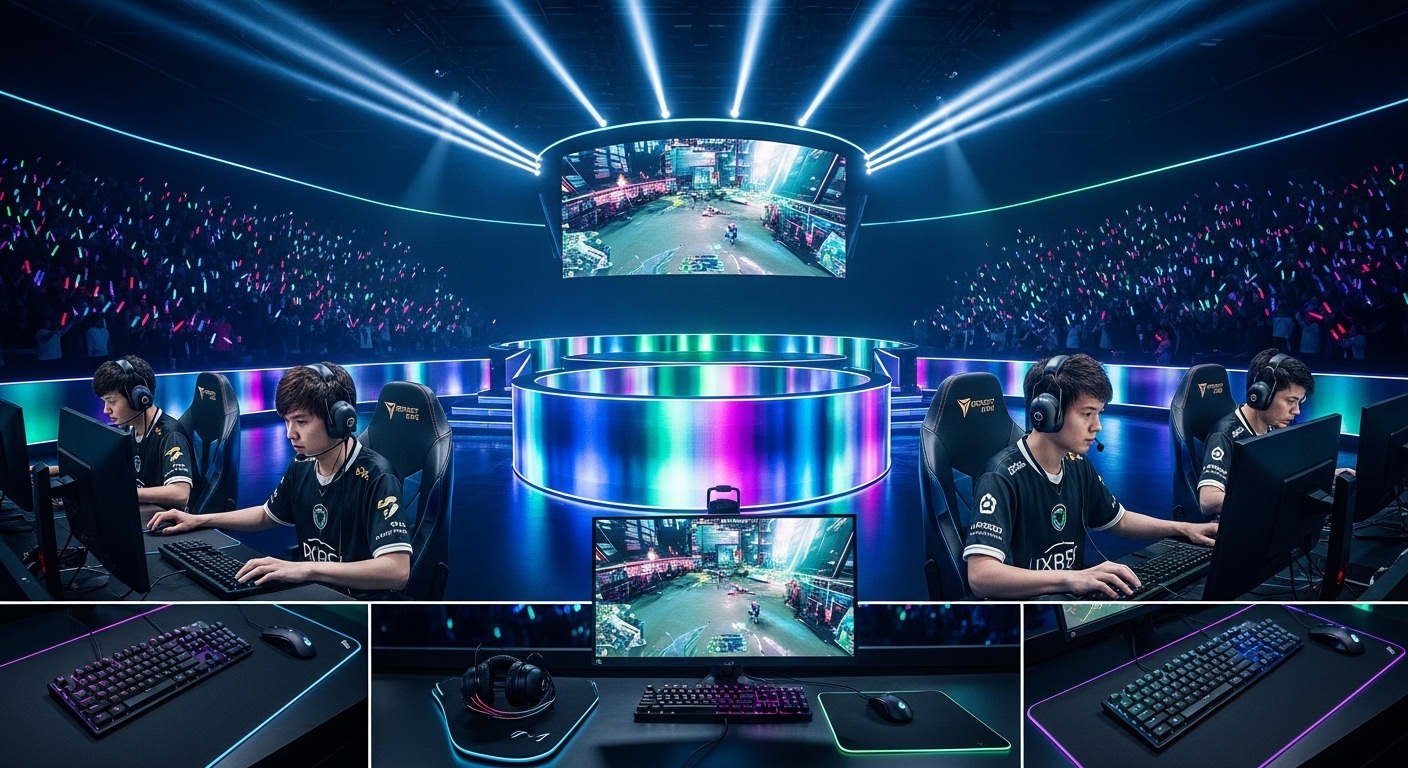
Today, esports athletes are not casual gamers playing for fun on the weekends. They are professionals with dedicated training schedules, coaches, nutritionists, analysts, and an immense commitment to excellence. Many players begin their journey at a young age, often showing exceptional skill early on. As they progress, they join amateur teams, participate in small tournaments, and eventually advance to professional organizations. The life of a modern esports competitor is demanding and highly disciplined, involving hours of practice every day, strategic planning, and mental resilience. The path requires sacrifice, but for those who rise to the top, the rewards can be extraordinary.
The Explosion of Global Audiences
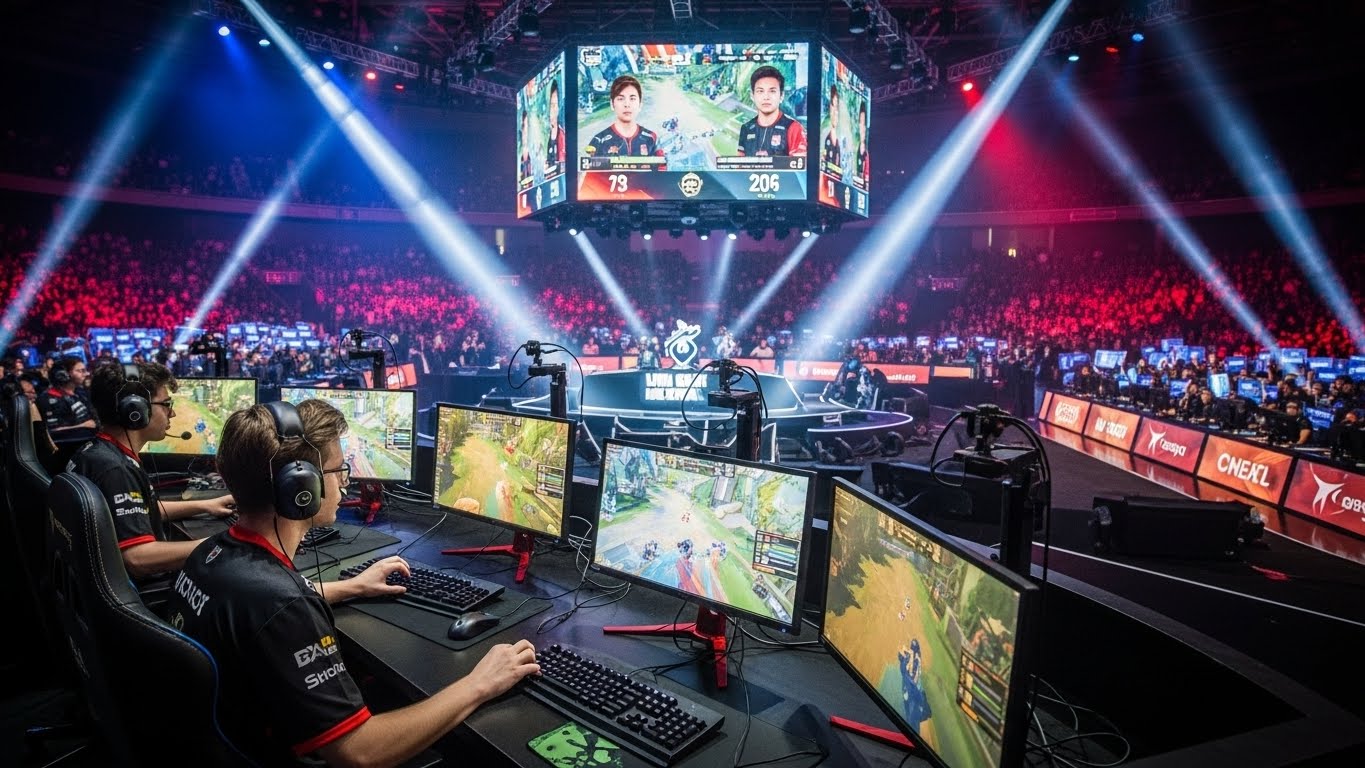
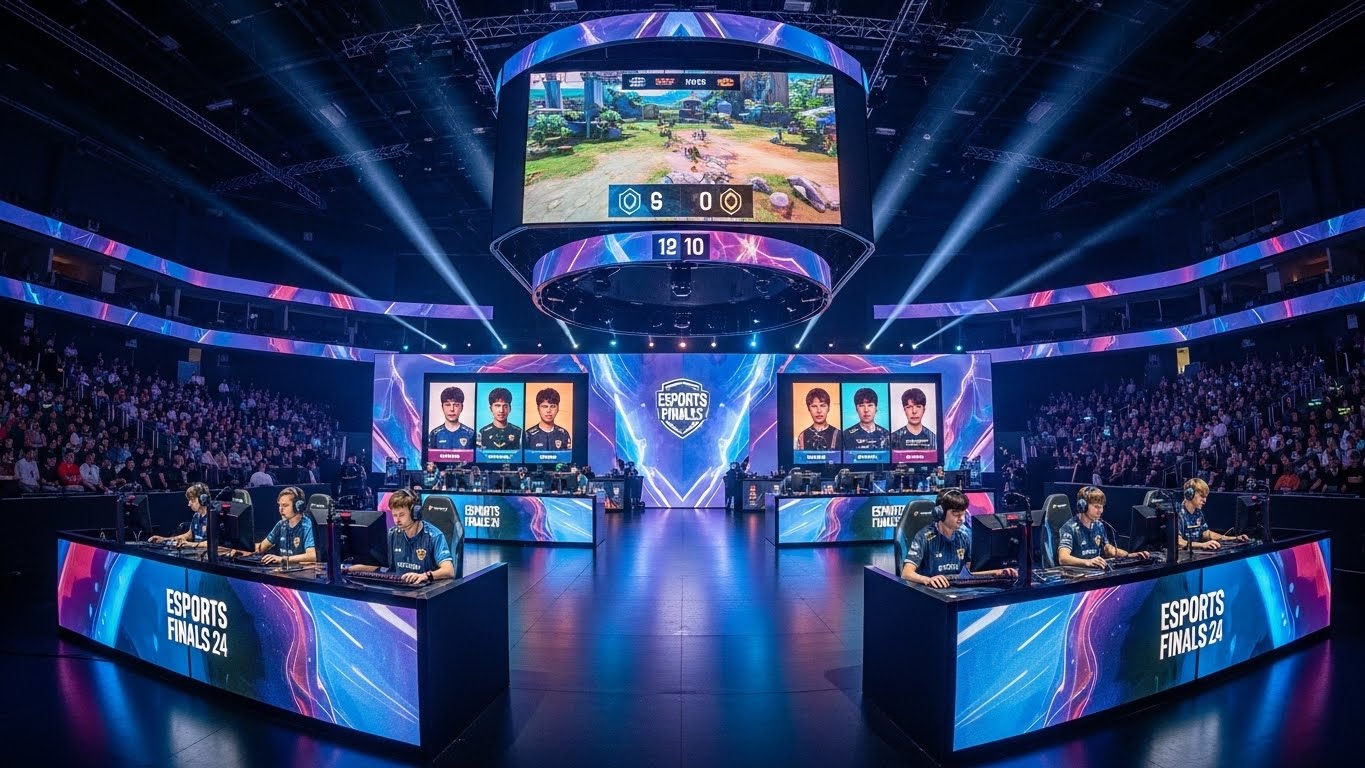
One of the most astonishing aspects of esports is the size of its audience. Millions of viewers tune in to watch championship matches across a variety of games. These audiences are not limited to one region; esports transcends borders and unites fans from different cultures, languages, and backgrounds. Spectators follow teams and players with the same passion seen in traditional sports. They buy merchandise, attend events, engage on social media, and form deep emotional connections with their favorite competitors. The global reach of esports has turned championship events into massive spectacles with elaborate productions and unforgettable atmospheres.
The Role of Game Titles in Esports Growth
Certain games have played pivotal roles in shaping the esports environment. Titles like multiplayer battle arenas, tactical shooters, and real-time strategy games helped establish early competitive communities. Each genre offers unique challenges, requiring different skill sets and strategic approaches. The developers behind these games often support the competitive scene directly through updates, balance changes, and official tournaments. This synergy between game creators and esports organizations is one of the reasons the industry has flourished so rapidly.
Esports Organizations: The New Age Teams
Modern esports teams operate similarly to traditional sports franchises. They have owners, managers, marketing teams, and diverse rosters of players. These organizations seek sponsorships, negotiate contracts, and compete in leagues around the world. Many have built impressive training facilities equipped with the latest technology to help players optimize performance. Beyond competition, esports organizations cultivate their brand through content creation, lifestyle products, and community engagement. They understand that players are not just athletes but also influential personalities whose appeal extends far beyond the game.
Training, Strategy, and Performance
Competitive gaming is far more complex than it might appear to an outside observer. Professional players must master reflexes, decision-making, teamwork, and adaptability. Training sessions often include scrimmages, review of past matches, analysis of opponents, and individual practice. Teams employ analysts who break down strategies and identify weaknesses. Coaches keep players focused, motivated, and mentally prepared. In many ways, the training routines mimic traditional sports, emphasizing physical health, mental stamina, and long-term consistency.
The Economic Powerhouse Behind Esports
Esports has become an economic engine generating revenue through sponsorships, media rights, merchandise, advertising, and ticket sales. Major brands from diverse industries partner with esports teams and tournaments because they recognize the potential of reaching younger, tech-savvy audiences. Prize pools for tournaments have also grown dramatically, sometimes reaching millions for a single event. As more investors and companies enter the industry, esports continues to establish itself as a sustainable and influential business sector.
Streaming Platforms and the Content Revolution
Streaming platforms have played a crucial role in elevating esports. They allow fans to watch live matches, follow their favorite players, and engage directly with the community. Many professional players build personal brands by streaming their practice sessions, interacting with viewers, and offering insights into their training routines. This direct relationship between player and audience is one of the most unique aspects of esports. The content ecosystem fuels continuous engagement and builds deeper loyalty. In a way, every day becomes a small event where fans can watch the competitive process unfold.
The Cultural Impact of Esports
Esports has become a cultural movement that influences fashion, music, technology, and even lifestyle habits. Gaming-inspired apparel, signature merchandise from teams, and collaborations with well-known artists have created a style that resonates with fans worldwide. Esports events now resemble festivals featuring music performances, fan zones, and interactive experiences. Gaming has become an identity, and esports has given that identity a global stage. Many young people aspire not only to become professional players but also to join the industry as coaches, analysts, casters, designers, or managers. Esports has opened countless opportunities beyond the game itself.
Challenges Faced by the Industry
Despite its rapid growth, esports faces several challenges. Player burnout is a significant concern, as long practice hours and constant pressure can impact mental health. Maintaining fair competition is also essential, requiring strict rules and monitoring to prevent cheating. The fast-paced nature of the gaming industry means titles can rise and fall in popularity quickly, requiring organizations to adapt constantly. Additionally, the global nature of esports introduces logistical hurdles such as travel demands, regional regulations, and cultural differences. Overcoming these challenges is crucial for long-term stability.
Education, Scholarships, and Career Development
Universities and schools around the world have begun to recognize the legitimacy of esports by offering scholarships, establishing collegiate leagues, and developing esports-focused academic programs. These educational opportunities help students turn their passion into careers, not only as players but also in fields such as broadcasting, game design, event management, and marketing. The integration of esports into education also encourages healthy competition, teamwork, and technological literacy, preparing students for careers in an increasingly digital world.
The Future of Esports: Innovation and Expansion
The future of esports looks exceptionally bright. Advancements in technology such as virtual reality, artificial intelligence, and enhanced gaming hardware are likely to introduce new forms of competitive gaming. Mobile esports are expanding rapidly, making competitive play accessible to millions who may not have access to high-end computers. More countries are investing in esports infrastructure, building arenas, and organizing leagues. The growing acceptance of esports as a legitimate sport may even lead to its inclusion in large international multi-sport events. As the industry continues to innovate, it will attract new audiences and create new competitive experiences that were once unimaginable.
Conclusion: The Ever-Growing Legacy
Esports has reshaped the world of entertainment and competition. What began as a small community of passionate gamers has evolved into a global industry filled with opportunity, creativity, and inspiration. Its rise is a testament to the power of technology, community, and human ambition. As esports continues to expand, it will keep redefining the boundaries of what is possible in digital competition. The journey is far from over. This is only the beginning of a future where esports stands proudly alongside the world’s most respected and celebrated sports.