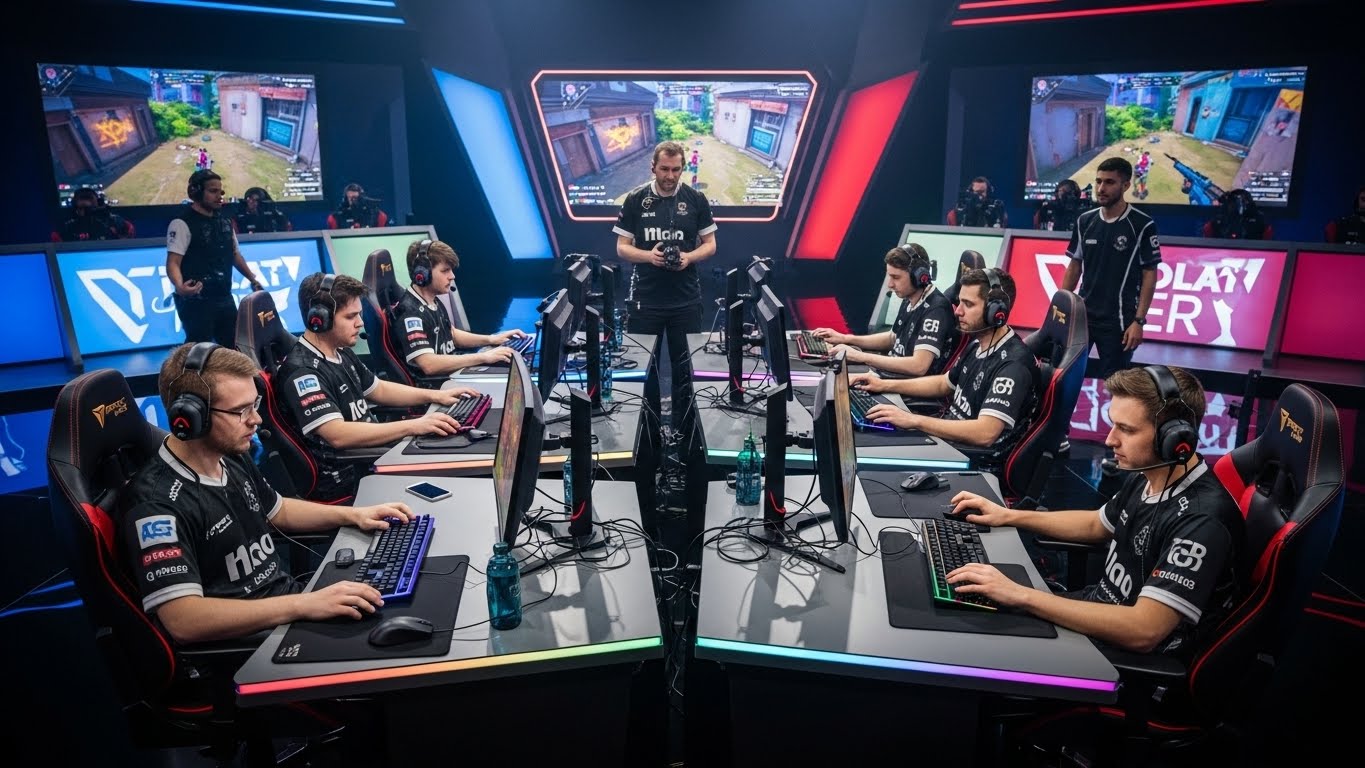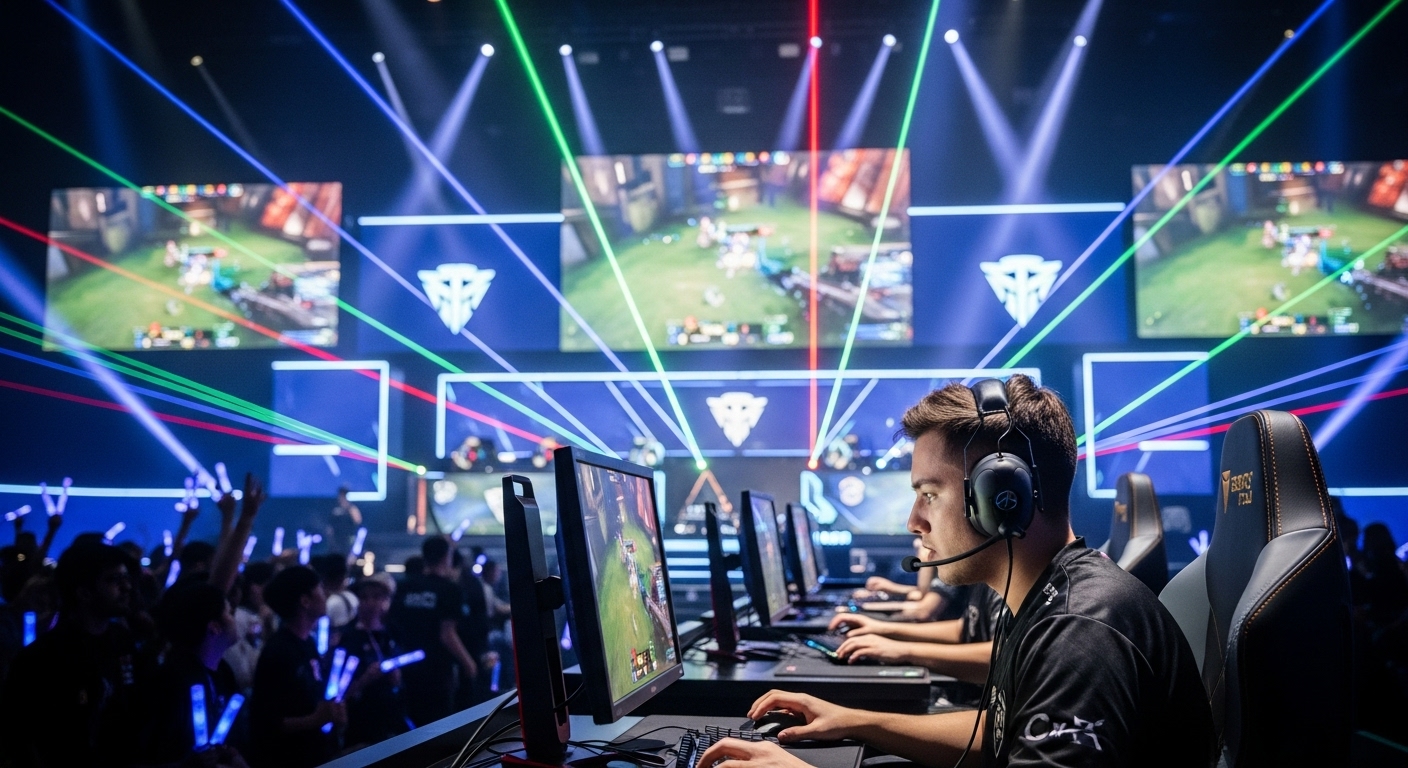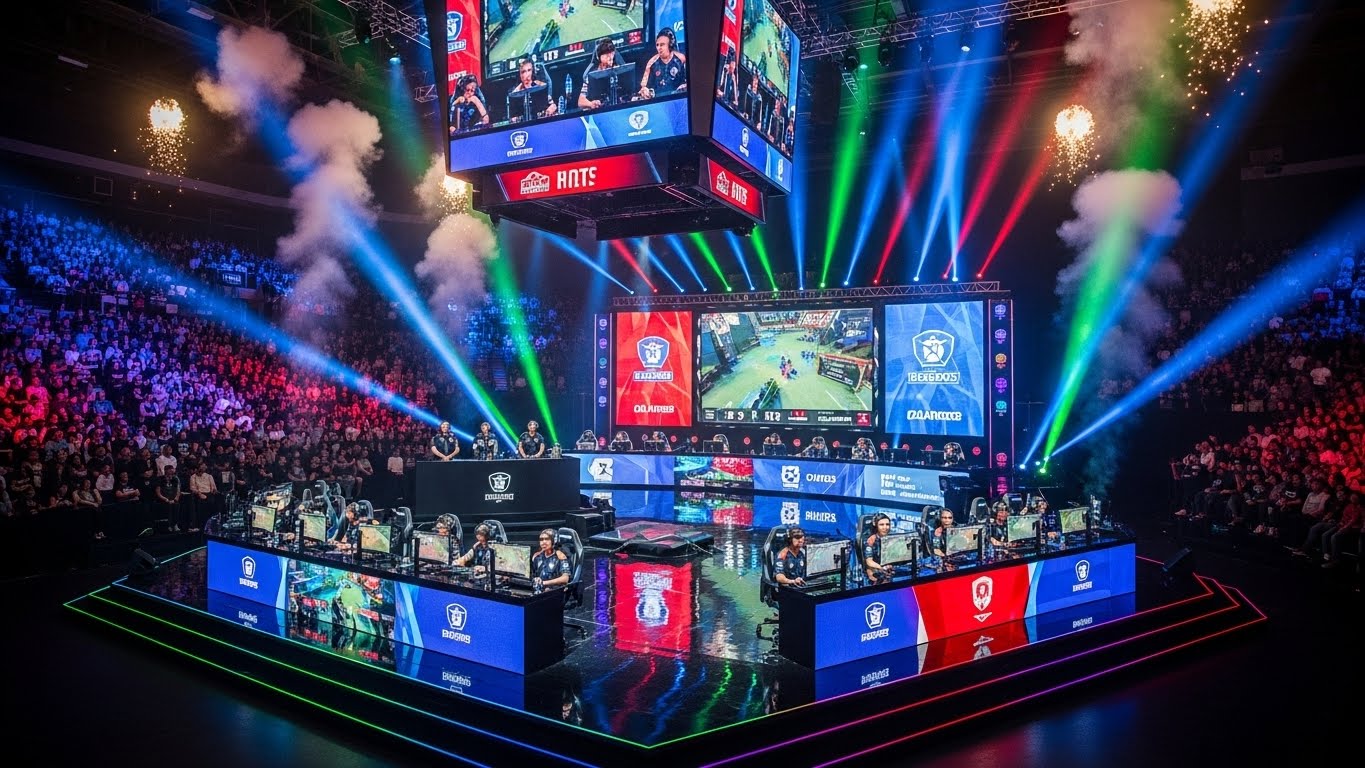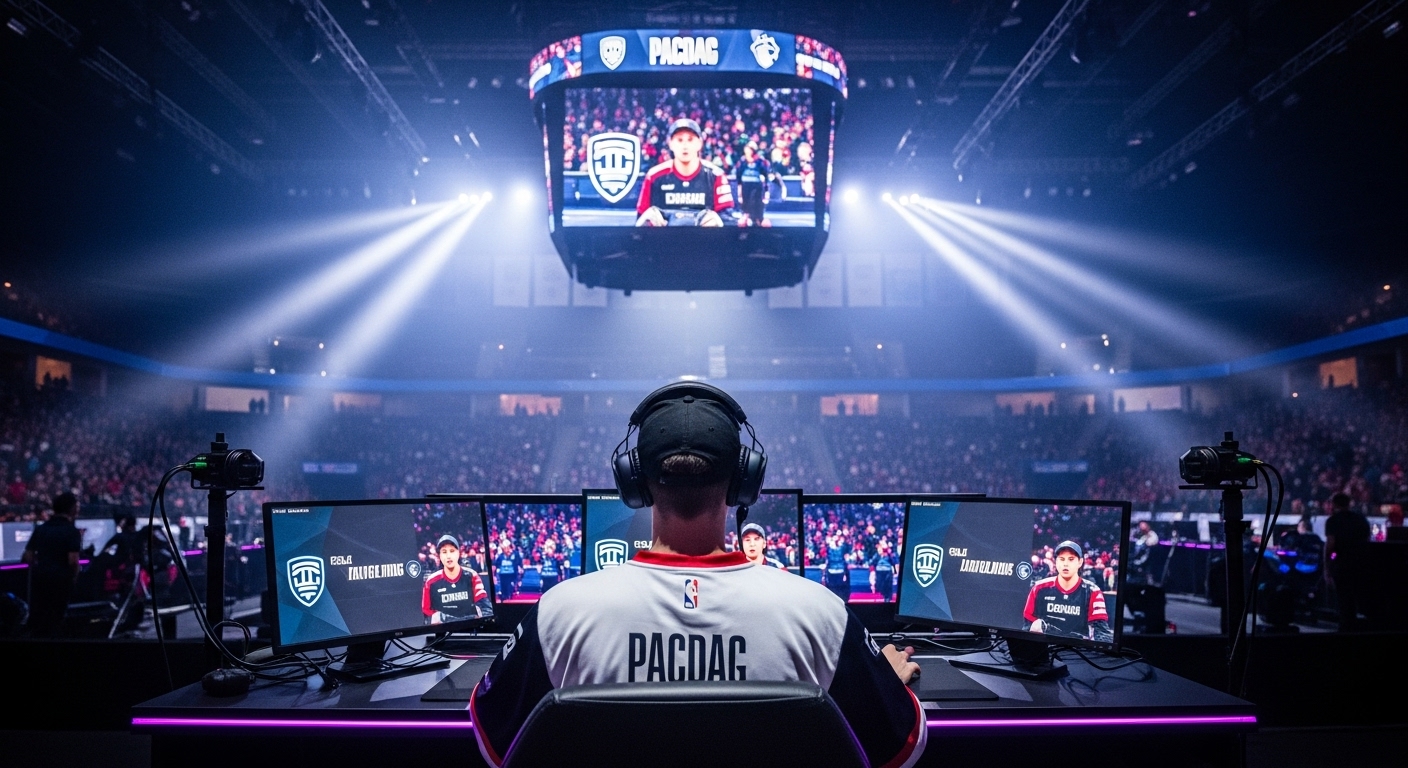
In the last decade, esports has skyrocketed in popularity, evolving from a niche hobby to a globally recognized, multi-billion-dollar industry. No longer just a pastime for gamers, esports has become a legitimate form of entertainment, attracting millions of fans, massive sponsorship deals, and even partnerships with traditional sports organizations. But how did we get here, and what does the future hold for this fast-paced, ever-expanding sector? This blog post will delve into the rise of esports, the driving forces behind its success, and where the digital competition is headed.
The Birth of Esports: From Casual Gaming to Global Competitions
Esports, short for electronic sports, traces its roots back to the early days of competitive gaming in the 1990s. Games like Quake and StarCraft introduced players to the concept of head-to-head digital competition. However, it wasn’t until the mid-2000s, with the launch of platforms like Twitch, that esports began to evolve into a full-fledged industry. What was once a small gathering of like-minded enthusiasts grew into a massive global audience, all thanks to the accessibility of streaming technology.
At its core, esports began as an opportunity for gamers to showcase their skills in front of an audience, with tournaments growing from humble local competitions to internationally recognized events. Today, competitions like The International and the League of Legends World Championship are broadcasted globally, attracting millions of viewers and offering prize pools that rival those of traditional sports tournaments.
The Phenomenal Growth of Esports: A Multi-Billion-Dollar Industry
What sets esports apart from traditional sports is its ability to reach a global audience through the internet. Unlike physical sports, which require expensive infrastructure, all you need for esports is a computer and a stable internet connection. This accessibility has allowed esports to expand exponentially, especially in regions like Asia, North America, and Europe, where games like League of Legends, Dota 2, and Fortnite have massive followings.
As the viewership grew, so did the money. The total revenue of the esports industry is expected to reach over $1.6 billion by 2026. This is fueled by various revenue streams, including sponsorships, advertising, ticket sales, and merchandise. Major brands such as Coca-Cola, Intel, and Mercedes-Benz have all invested heavily in esports, further legitimizing the industry and helping to propel it to new heights.
Professional Esports: The Rise of Full-Time Gamers
Gone are the days when competitive gaming was a hobby. Today, esports athletes are professional players who dedicate their lives to mastering their craft. Esports players now earn lucrative salaries, not only from tournament prize pools but also from sponsorship deals, streaming income, and merchandise sales.
In fact, the earnings of top esports players can rival those of traditional athletes. Players like Ninja, a former Fortnite superstar, have amassed millions of dollars from streaming and sponsorships. As esports continues to grow, so too do the opportunities for players to turn their passion into a career.
However, professional esports isn’t limited to players alone. The industry is also filled with coaches, analysts, content creators, event organizers, and broadcasters who play vital roles in making esports a global spectacle. From the production of live streams to the analysis of gameplay, the esports ecosystem is complex and multifaceted, providing jobs for thousands of people worldwide.
Streaming Platforms: The Heartbeat of Esports
One of the key drivers behind esports’ success has been the rise of streaming platforms. Twitch, YouTube Gaming, and Facebook Gaming have become integral parts of the esports experience, allowing fans to watch their favorite players and tournaments live from the comfort of their homes. These platforms not only provide a space for fans to watch games but also for them to interact with players and other viewers, creating a sense of community around the competitions.
Streaming has also opened up new opportunities for gamers to monetize their skills. Professional players and streamers can earn revenue through donations, sponsorships, and advertisements. This has led to the rise of full-time streamers who are considered celebrities in the gaming world. The level of interaction between streamers and their fans creates a unique bond that traditional sports broadcasts cannot replicate.
Esports and Traditional Sports: A Growing Relationship
As esports continues to grow, its relationship with traditional sports organizations has strengthened. Professional sports leagues, including the NBA, NFL, and Formula 1, have all made moves to integrate esports into their portfolios. The NBA 2K League, for example, is an esports league based on the popular NBA 2K video game, and it’s backed by the NBA itself.
These partnerships show that traditional sports are beginning to recognize the cultural and financial power of esports. By embracing esports, traditional sports leagues are able to reach younger, digitally native audiences that are increasingly turning away from traditional broadcasts. It’s a symbiotic relationship that allows esports to grow in prestige and legitimacy while also providing sports organizations with access to an entirely new fanbase.
Esports in Education: From Gaming to Careers
One of the most exciting trends in esports is its integration into educational institutions. Universities and colleges are now offering scholarships for esports athletes, and many schools have created esports teams and arenas to foster talent. Esports programs are not only focused on player development but also offer courses in event management, marketing, broadcasting, and game design.
As esports becomes more mainstream, it’s clear that it has a place in higher education. Students who are passionate about gaming now have a clear pathway to build careers in the industry. Moreover, esports provides a unique opportunity for schools to connect with students who might not be interested in traditional sports.
Mobile Esports: The New Frontier
While PC and console gaming have long been the focus of esports, mobile gaming is rapidly becoming a dominant force in the industry. With the proliferation of smartphones, games like PUBG Mobile, Free Fire, and Mobile Legends have become wildly popular, particularly in regions like Southeast Asia, India, and Latin America.
Mobile esports offers a level of accessibility that traditional gaming platforms cannot match. Players don’t need a high-end gaming PC or console; all they need is a smartphone. This has opened up esports to a wider audience, allowing players from all walks of life to participate in competitive gaming. As mobile gaming continues to evolve, mobile esports will likely become an even more significant part of the global esports ecosystem.
The Future of Esports: Where Is It Headed?
The future of esports is incredibly promising. As technology continues to advance, we’re likely to see even more immersive and interactive experiences. Virtual reality (VR) and augmented reality (AR) could play a major role in changing how we experience esports, offering players and fans alike a new way to interact with the games.
In addition, esports is poised to become even more integrated with mainstream entertainment. There are already talks of esports being included in the Olympics, and as public interest grows, we could see esports as a permanent fixture in major international sporting events.
Finally, as the industry matures, we can expect more emphasis on player health and well-being. Just like traditional athletes, esports players will need to focus on physical fitness, mental health, and longevity. This shift will ensure that professional esports remains sustainable in the long term.
Conclusion: The New Era of Competition
Esports has come a long way from its humble beginnings, and its rise shows no signs of slowing down. As it continues to captivate audiences, attract major sponsors, and provide career opportunities for players and professionals, esports is poised to redefine the future of competition and entertainment. Whether you’re a gamer, a fan, or an industry professional, one thing is clear: esports is here to stay, and it’s only going to get bigger.
As the digital arena continues to evolve, we can only imagine the exciting possibilities that lie ahead for this ever-growing sport. The esports revolution has only just begun, and the future promises to be an exhilarating ride.