Introduction
Esports, short for electronic sports, has grown from a small niche of competitive gamers into a global industry attracting millions of viewers, players, and sponsors. Once seen as a hobby for enthusiasts, it has now become a professional arena where players can earn careers, teams are managed like sports franchises, and international tournaments offer multi-million-dollar prize pools.
The appeal of esports lies in its combination of strategy, skill, teamwork, and entertainment. It is a unique intersection of technology, culture, and competition. Audiences can watch intense matches, analyze strategies, and even interact with players through streaming platforms. Beyond the games themselves, esports encompasses media, sponsorships, fan communities, and career opportunities, creating a multifaceted ecosystem.
This blog explores the evolution, structure, business, culture, and future of esports, illustrating how it has become a major component of modern entertainment.
The Origins of Competitive Gaming
Competitive gaming can be traced back to the 1980s with arcade games such as Pac-Man, Donkey Kong, and Space Invaders. Players competed for high scores, gaining recognition and status in their local communities. These early competitions were informal but set the foundation for structured gaming contests.
The 1990s introduced the era of PC gaming. Titles such as Quake, StarCraft, and Counter-Strike allowed players to connect over local networks or the early internet, enabling competition across cities and countries. Online leaderboards and tournaments began to emerge, creating opportunities for players to showcase skill on a wider scale.
During this period, competitive gaming relied heavily on community participation. Dedicated fans organized tournaments, shared strategies, and formed clans or teams. These grassroots efforts demonstrated the potential of competitive gaming to evolve into a professional and sustainable form of entertainment.
The Professionalization of Esports
The early 2000s marked a turning point in the rise of esports. South Korea pioneered professional gaming with StarCraft, which became a national phenomenon. Televised matches, dedicated gaming arenas, and organized leagues transformed gaming into a recognized profession. Top players became celebrities, and corporate sponsorships began to support teams and events.
In North America and Europe, games like Counter-Strike, Dota 2, and League of Legends propelled the professionalization of esports. Teams hired coaches, analysts, and managers. Competitive seasons with playoffs and championships emerged, offering substantial prize pools to attract global talent.
The professionalization of esports created a career path for players, turning a hobby into a legitimate profession. Teams functioned as organizations, managing contracts, training, branding, and fan engagement, mirroring traditional sports franchises.
Major Esports Genres
Esports spans a wide range of game genres, each offering unique gameplay, strategies, and audiences.
Multiplayer Online Battle Arenas (MOBAs)
MOBAs, including League of Legends and Dota 2, are team-based games where players control characters with unique abilities. Teams work together to destroy the opposing base, requiring strategic planning, communication, and precise execution. MOBAs are highly popular due to their complexity, excitement, and spectator-friendly format.
First-Person Shooters (FPS)
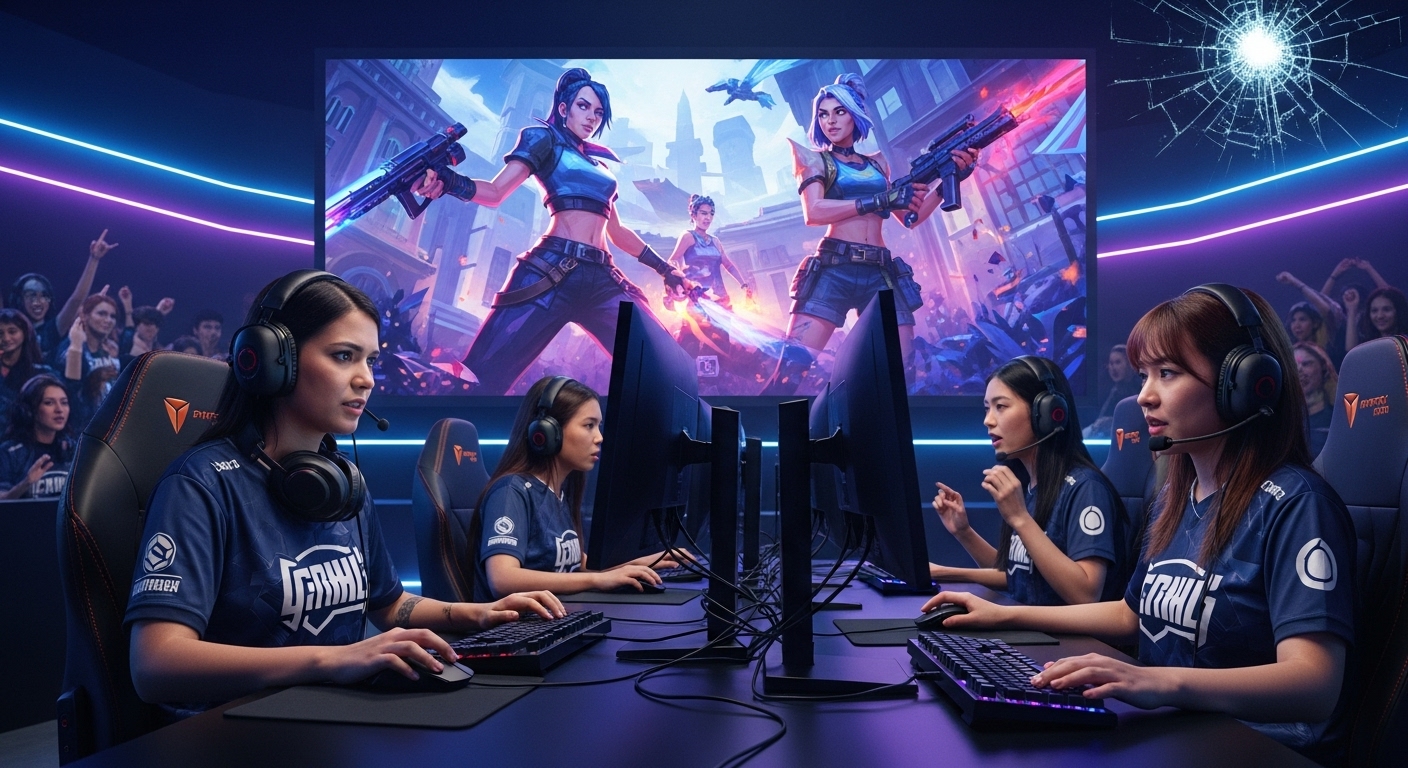
FPS games like Counter-Strike: Global Offensive, Valorant, and Call of Duty emphasize accuracy, reflexes, and tactical decision-making. Matches are fast-paced and often unpredictable, providing intense entertainment for viewers. FPS esports feature structured leagues, international tournaments, and substantial prize money, making them a cornerstone of competitive gaming.
Real-Time Strategy (RTS)
RTS titles such as StarCraft II challenge players to manage resources, develop units, and execute strategies simultaneously. RTS esports require analytical thinking, quick decision-making, and adaptability, offering a strategic and mentally engaging competition format.
Sports Simulation Games
Games like FIFA, NBA 2K, and Madden NFL simulate real-world sports in digital form. Competitions often mirror the structure of traditional sports leagues, with professional teams, seasons, and tournaments. Sports simulations attract fans of both gaming and real-life sports, bridging the two audiences.
Battle Royale and Other Genres
Battle royale games such as Fortnite and PUBG challenge players to survive against large numbers of opponents in dynamic environments. Success requires adaptability, strategy, and sharp reflexes. Other genres like fighting games, racing simulations, and collectible card games broaden the scope of esports, catering to diverse interests and communities.
Structure of Esports Leagues
Esports leagues operate similarly to traditional sports leagues, featuring structured seasons, playoffs, and championship events. Teams compete to secure rankings, qualify for international competitions, and earn prize money. Prominent leagues include the League of Legends Championship Series (LCS), Overwatch League (OWL), and Call of Duty League (CDL).
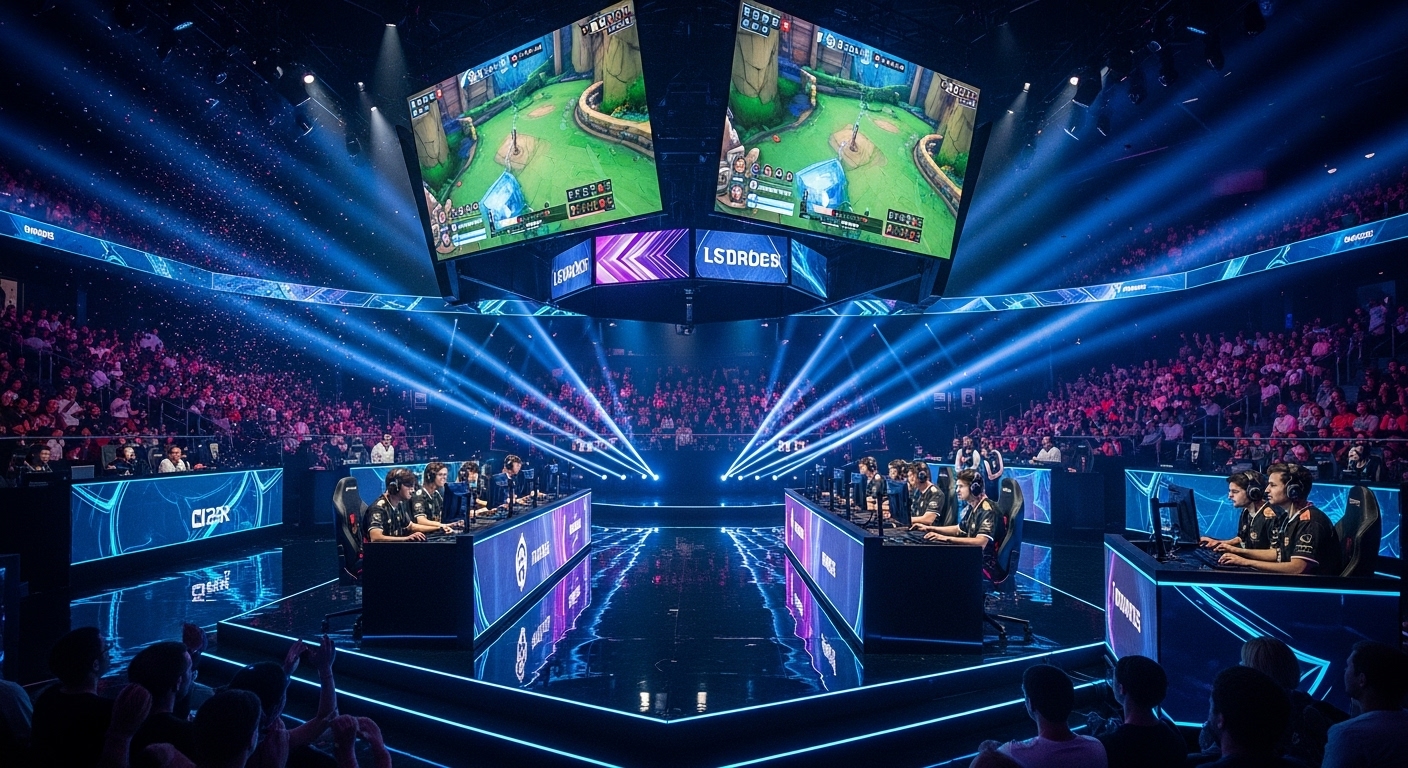
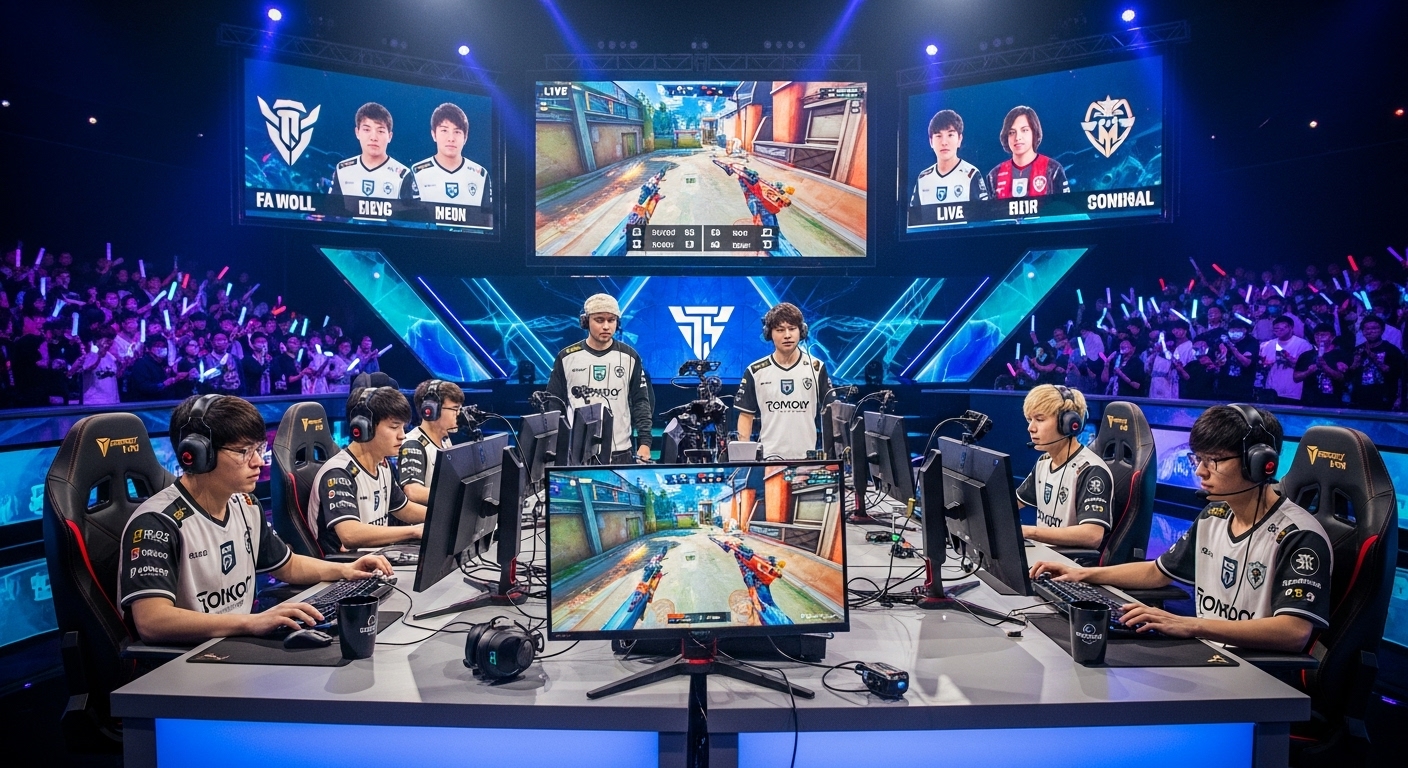
Tournaments often start with online qualifiers and progress to live finals held in major arenas. High-profile events like The International for Dota 2 and the Fortnite World Cup attract millions of viewers worldwide and feature prize pools reaching millions of dollars. Production quality, professional commentary, and interactive fan experiences make these events immersive and entertaining.
Professional players follow strict training schedules that include strategic planning, gameplay practice, teamwork exercises, and mental conditioning. Teams employ coaches, analysts, and support staff to optimize performance, reflecting the professional discipline required in esports.
Business and Revenue Models
Esports has evolved into a multi-billion-dollar industry with diverse revenue streams. Sponsorships, advertising, media rights, merchandise, and prize winnings form the backbone of the industry.
Brands invest in esports because of its highly engaged, tech-savvy audience. Sponsorships integrate products into teams, tournaments, and content in ways that resonate with fans. Media rights for broadcasting competitions provide additional revenue, while merchandise sales, including team apparel, gaming peripherals, and in-game items, further solidify fan loyalty.
Streaming platforms play a crucial role in generating revenue. Platforms like Twitch and YouTube Gaming allow fans to watch live matches, interact with players, and participate in communities. Content creators monetize streams and expand the audience, further driving growth.
The Role of Streaming and Content Creation
Streaming has become central to esports’ success. Fans can watch live competitions, analyze gameplay, and interact with players. Streaming has also democratized exposure, allowing amateur players to showcase talent and gain recognition.
Content creators contribute by providing entertainment, analysis, and commentary. Professional casters narrate matches, highlight key moments, and explain strategy, enhancing the spectator experience. This combination of gameplay, commentary, and interactivity creates a dynamic and engaging environment for fans worldwide.
Community and Fan Culture
Community is a defining feature of esports. Fans engage through online forums, social media, fan art, and live events. Cosplay, content creation, and community tournaments foster a culture that extends beyond professional play.
Online communities offer mentorship, collaboration, and support, enabling players of all skill levels and backgrounds to participate. Inclusivity is a hallmark of esports, allowing global participation without geographical or physical barriers. Fan engagement drives the industry forward, supporting teams, events, and content creators both financially and emotionally.
Social and Cultural Impact
Esports has a significant social and cultural impact. It challenges traditional ideas of athleticism, emphasizing mental skill, strategic thinking, and teamwork. Careers in esports extend beyond players to include coaching, analysis, broadcasting, and event management.
Educational institutions now offer scholarships and programs in esports management, game design, and media production. Esports also engages in charitable initiatives, awareness campaigns, and social events, highlighting its potential for positive impact. The industry fosters global collaboration, connecting fans and players across cultural and geographic boundaries.
Challenges in Esports
Despite its growth, esports faces challenges. Player burnout and mental health concerns are common due to long hours of practice and competitive pressure. Issues like cheating, match-fixing, and regulatory oversight require constant attention.
Commercialization introduces tension between profit motives and community values. Maintaining integrity and trust is crucial as the industry scales globally. Additionally, infrastructure and access to technology vary across regions, limiting equal opportunity for aspiring players. Addressing these challenges is essential for sustainable growth.
Future Trends in Esports
The future of esports is promising and dynamic. Emerging technologies such as virtual reality, augmented reality, and artificial intelligence will enhance gameplay, audience engagement, and training methods. Immersive experiences may allow fans to interact with competitions in new ways, including first-person perspectives or virtual event attendance.
Global expansion is expected, with emerging markets contributing talent, teams, and audiences. Data analytics and AI will refine player performance, strategy, and coaching, raising competitive standards. Crossovers with traditional sports, entertainment, and education will create hybrid experiences that expand the reach of esports.
Esports is set to become an even more integral part of mainstream culture, blending competition, entertainment, and community engagement. Its adaptability ensures continued growth and relevance.
Conclusion
Esports has transformed from small-scale competitions into a global phenomenon with professional players, organized leagues, and vibrant fan communities. It combines skill, strategy, teamwork, and entertainment while offering career opportunities and cultural influence.
Professional leagues, tournaments, streaming platforms, and fan communities form an interconnected ecosystem that mirrors traditional sports while taking advantage of digital technology. Although challenges exist, including player burnout, regulation, and commercialization, the industry’s growth potential is immense.
Esports continues to innovate, inspire, and engage global audiences. It has reshaped entertainment, created professional pathways, and built communities, solidifying its role as a defining element of modern digital culture.