Introduction: The Emergence of a New Sporting Era
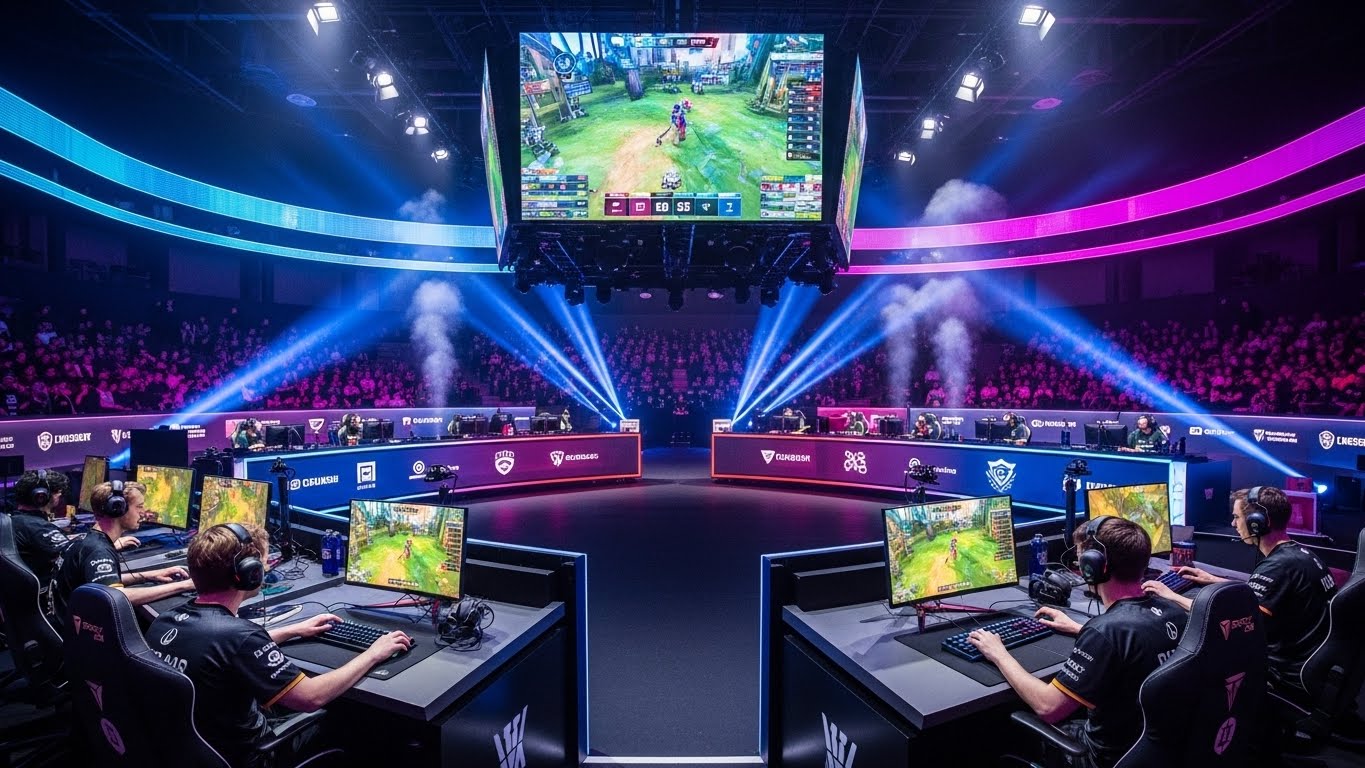
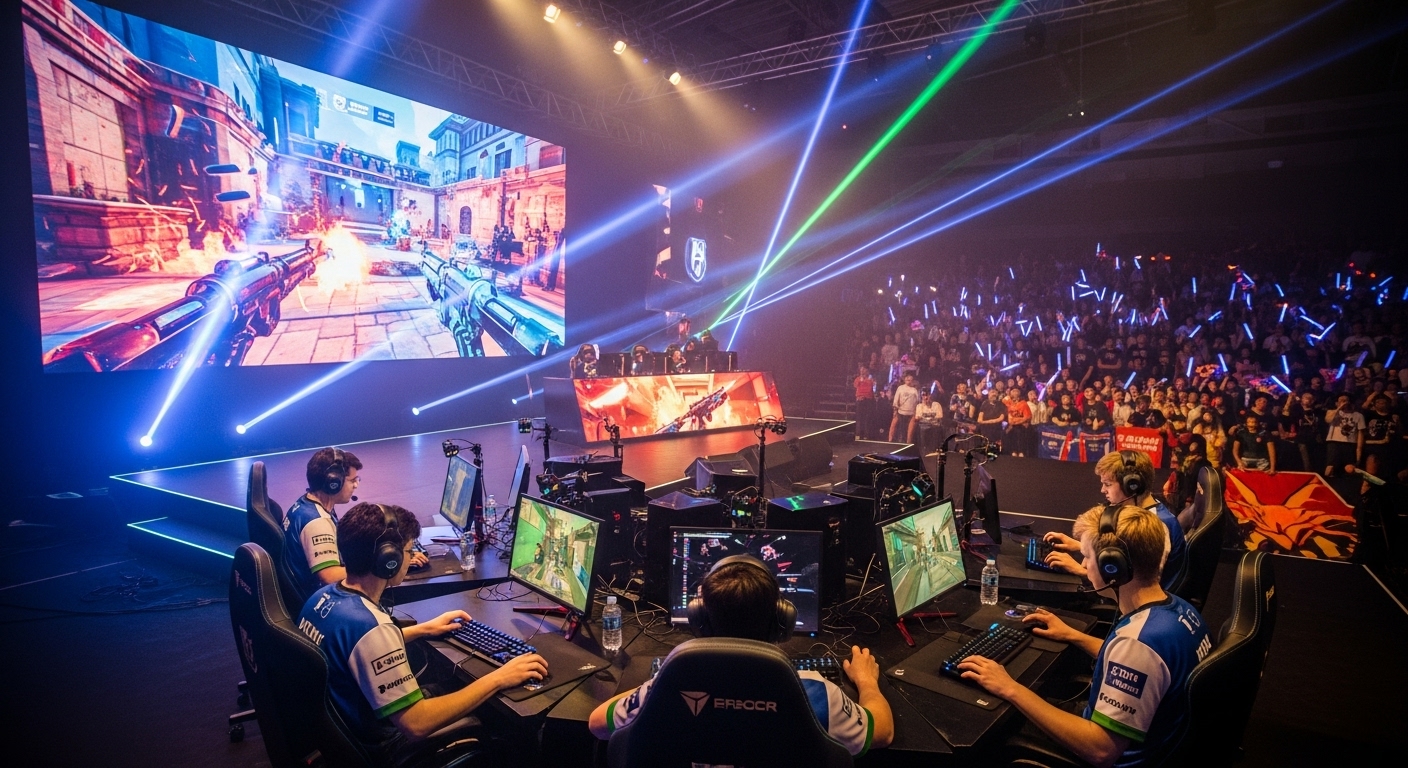
Esports has transformed from a casual pastime into a global competitive movement that commands attention from millions of fans worldwide. What was once perceived as simple video game play has evolved into an organized, professional industry with elite athletes, structured tournaments, and passionate audiences. Esports reflects the rapid advancement of technology and the changing nature of competition, entertainment, and careers in the digital age.
Today, esports stands as a symbol of how virtual spaces can create real-world impact. From packed arenas to online viewership, esports continues to reshape how people compete, connect, and celebrate skill.
The Origins of Competitive Gaming
The roots of esports lie in the early days of video gaming, when players competed locally for high scores or bragging rights. These early competitions were informal and community-driven, often taking place in arcades or private homes. Despite limited technology, the desire to compete and demonstrate skill was already present.
As gaming systems improved, multiplayer experiences became more common. Local competitions grew in popularity, setting the foundation for organized play. These beginnings demonstrated that video games could be more than entertainment; they could be a platform for structured competition.
The Internet and the Globalization of Esports
The rise of the internet marked a turning point for esports. Online multiplayer games allowed players from different regions to compete in real time, breaking down geographical barriers. Competitive gaming was no longer confined to local spaces; it became a global activity.
Online connectivity also enabled spectatorship. Viewers could watch matches live, follow their favorite players, and engage in discussions. This shift transformed esports into a spectator sport, attracting fans who were invested not only in gameplay but also in player personalities and team rivalries.
Understanding the Esports Ecosystem
Modern esports is a complex ecosystem involving players, teams, organizers, developers, sponsors, and fans. Competitive games span various genres, each with unique rules, strategies, and competitive formats. Professional leagues and tournaments provide structure, ensuring fair play and consistent competition.
Teams function similarly to traditional sports organizations. They employ coaches, analysts, and support staff who help players improve performance. Training involves mechanical skill development, strategy planning, and mental preparation. Success in esports requires discipline, teamwork, and adaptability.
The Journey of a Professional Esports Player
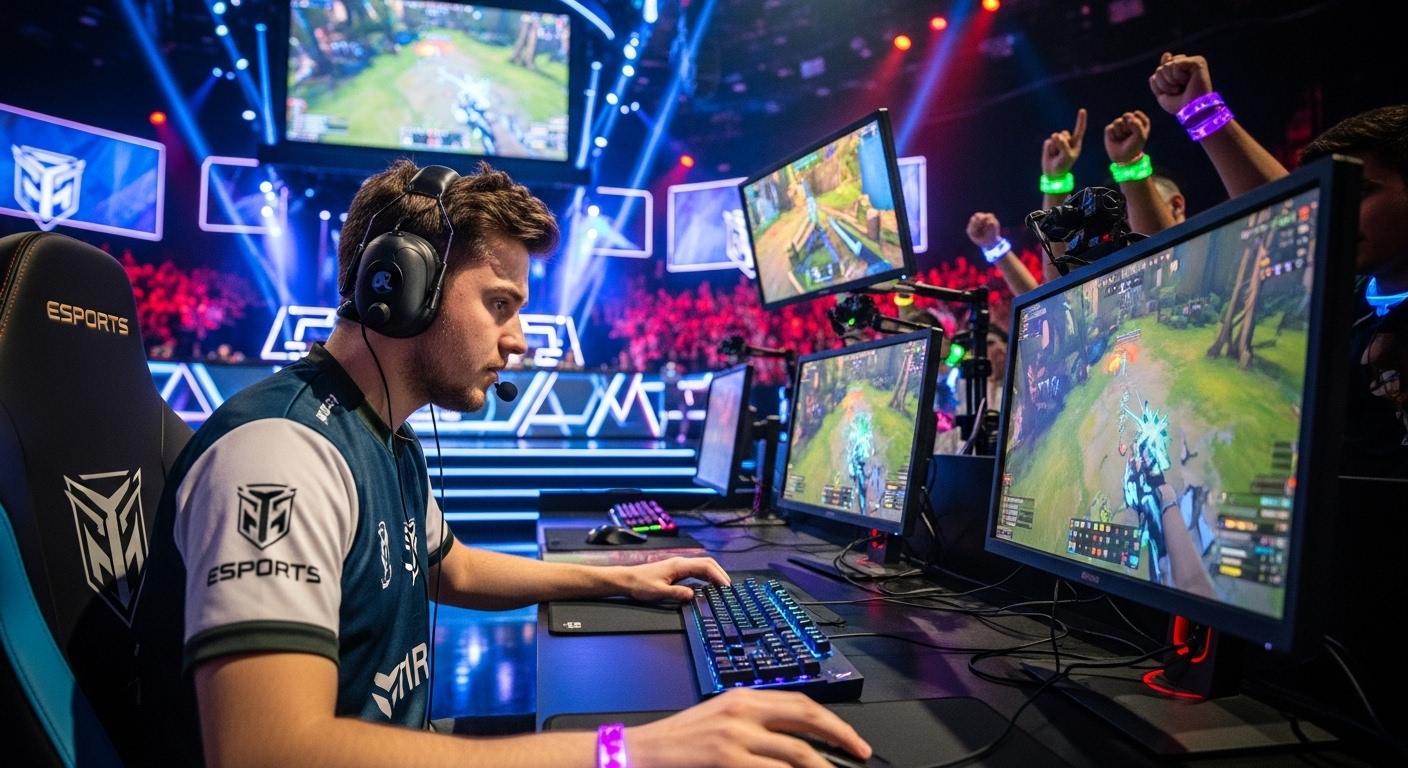
Becoming a professional esports player is a demanding journey. Players often begin at a young age, dedicating countless hours to mastering their chosen game. Daily practice includes refining mechanics, studying opponents, and participating in scrimmages against other teams.
The pressure to perform at a high level is constant. Players face intense competition, public scrutiny, and strict schedules. Maintaining physical health, mental balance, and motivation is essential. Due to the fast-paced nature of esports, many players have relatively short careers and must plan for life beyond competition.
Esports as a Global Entertainment Platform
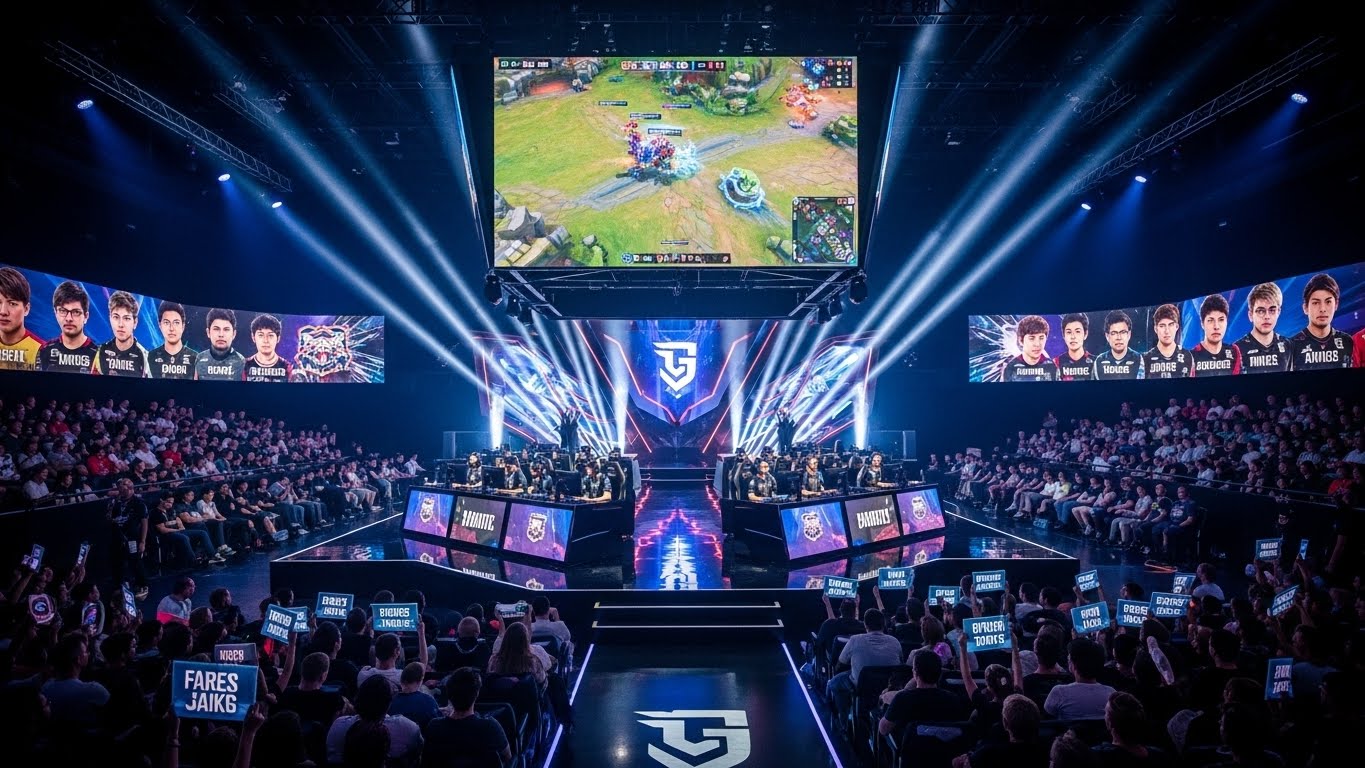
Esports has established itself as a major form of entertainment. Professional tournaments are produced with high-quality visuals, commentary, and storytelling elements that enhance viewer engagement. Live audiences create energetic atmospheres, while online viewers participate through chats and social interactions.
Fans develop strong emotional connections with teams and players. Victories and defeats are shared experiences, fostering loyalty and excitement. This sense of community is a key reason esports continues to grow as a mainstream entertainment medium.
The Business and Economics of Esports
The esports industry has developed a strong economic foundation. Revenue streams include sponsorships, advertising, merchandise, ticket sales, and media coverage. Brands recognize esports as an effective way to connect with younger, digitally engaged audiences.
Game developers play a significant role by managing competitive environments and ensuring long-term sustainability. While the financial potential of esports is substantial, challenges such as uneven revenue distribution and organizational stability remain areas for improvement.
Technology as the Backbone of Esports
Technology is central to the success of esports. High-performance hardware, fast internet connections, and advanced software ensure smooth gameplay and reliable broadcasts. Analytical tools help teams evaluate performance and develop effective strategies.
Emerging technologies continue to influence esports. Artificial intelligence supports training and analysis, while immersive technologies enhance viewing experiences. As innovation accelerates, esports remains closely tied to technological progress.
Community, Identity, and Esports Culture
Esports thrives on community engagement. Fans, players, commentators, and creators contribute to a shared culture built on competition and creativity. Online discussions, fan-created content, and shared moments strengthen the bond between participants.
However, maintaining a positive culture is an ongoing challenge. Addressing issues such as toxic behavior, inclusivity, and mental well-being is essential. Many organizations are actively promoting respectful environments to ensure long-term growth and sustainability.
Esports and Education
Educational institutions have increasingly embraced esports. Schools and universities now offer esports teams, scholarships, and academic programs related to gaming, technology, and media. These initiatives highlight the valuable skills developed through esports, including teamwork, leadership, and problem-solving.
By integrating esports into education, institutions help legitimize competitive gaming and provide structured pathways for students to pursue their interests responsibly while maintaining academic success.
Challenges Facing the Esports Industry
Despite rapid growth, esports faces several challenges. Player burnout is common due to demanding practice schedules and constant competition. Ensuring fair play through effective regulation and anti-cheating measures remains critical.
Financial sustainability is another concern, particularly for smaller teams and events. Creating stable systems that support all levels of competition is necessary for the industry’s continued development.
The Future of Esports
The future of esports is filled with opportunity. As technology advances and global interest increases, esports will continue expanding into new markets and audiences. Improved player welfare, stronger governance, and greater inclusivity will shape the next stage of growth.
Esports is redefining the concept of sport by blending digital innovation with human skill. It reflects how competition evolves alongside society and technology.
Conclusion: A New Definition of Competition
Esports has grown into a powerful force that goes far beyond gaming. It represents ambition, discipline, and the desire to excel in a rapidly changing world. As esports continues to mature, it will remain a defining element of modern entertainment and digital culture.
From grassroots beginnings to global recognition, esports demonstrates that competition is no longer limited to physical arenas. It thrives in digital spaces, driven by passion, innovation, and a global community united by the love of the game.