Introduction: A New Era of Competition
Esports, once considered a niche hobby, has transformed into a global phenomenon commanding millions of fans, professional players, and multi-million-dollar tournaments. What started as informal competitions in arcades or among friends has now evolved into a highly organized industry with professional teams, sponsorships, and worldwide audiences. The rise of esports reflects not just the popularity of video games, but also the changing ways in which people consume entertainment, build communities, and pursue careers.
This blog explores the journey of esports from its humble beginnings to its current prominence, highlighting its structure, the life of professional players, technological advancements, community culture, and future potential.
The Origins of Esports: From Arcades to Online Battles
Competitive gaming traces its roots back to the late 20th century, when gamers competed in arcades or against friends for high scores. Early tournaments were informal and often community-driven, with little attention from mainstream media or sponsors. The popularity of home consoles and personal computers expanded gaming beyond arcades, creating new opportunities for competition in living rooms and local gaming centers.
The introduction of online multiplayer games in the 1990s marked a turning point. Players could now compete against opponents across the globe, making competitions more exciting and accessible. Online connectivity also allowed spectators to watch games live, setting the stage for esports as a spectator-driven phenomenon. Over time, developers, sponsors, and media companies recognized the potential of competitive gaming and began investing in tournaments, professional teams, and event infrastructure.
Defining Modern Esports
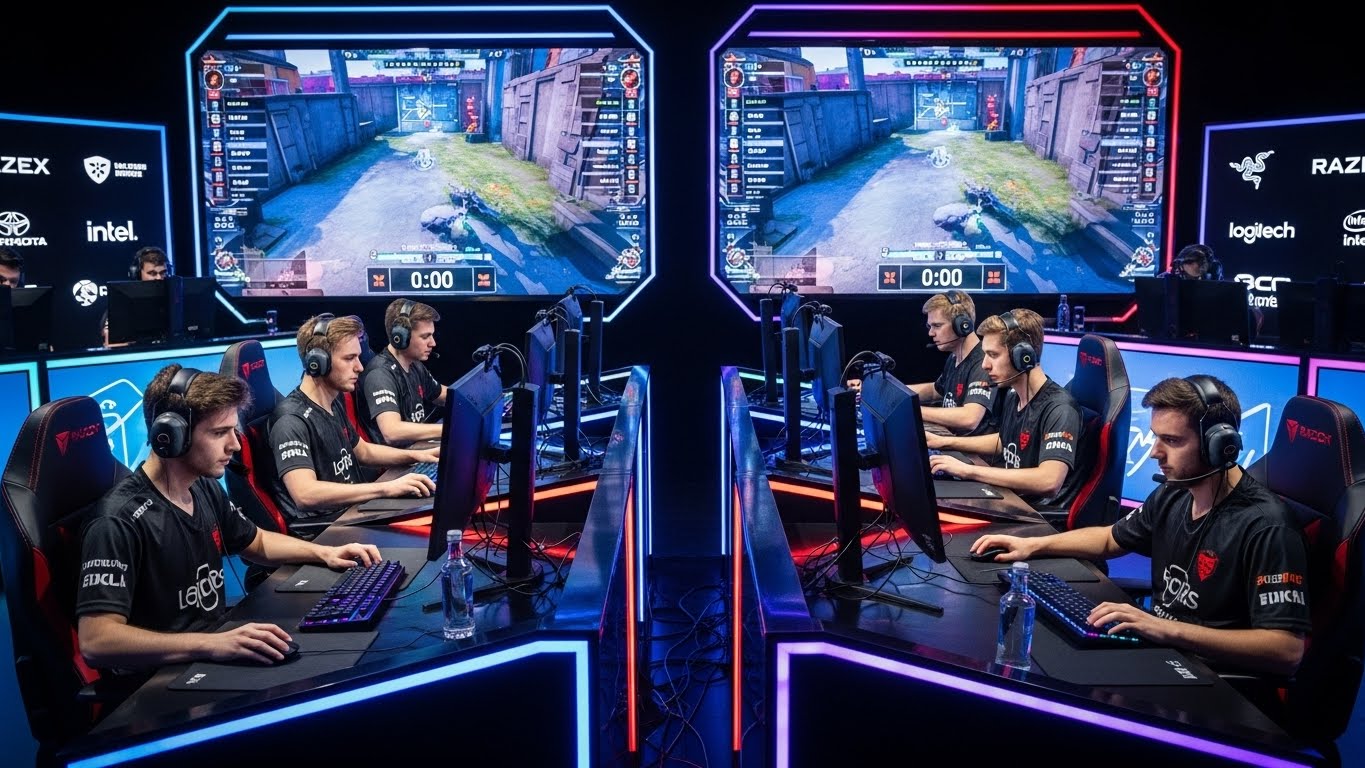
Today, esports is defined by structured competition, professional players, and organized leagues or tournaments. Popular games span multiple genres, including multiplayer online battle arenas, first-person shooters, sports simulations, real-time strategy, and fighting games. Each game has its own community, competitive rules, and ecosystem, contributing to the overall diversity of the esports landscape.
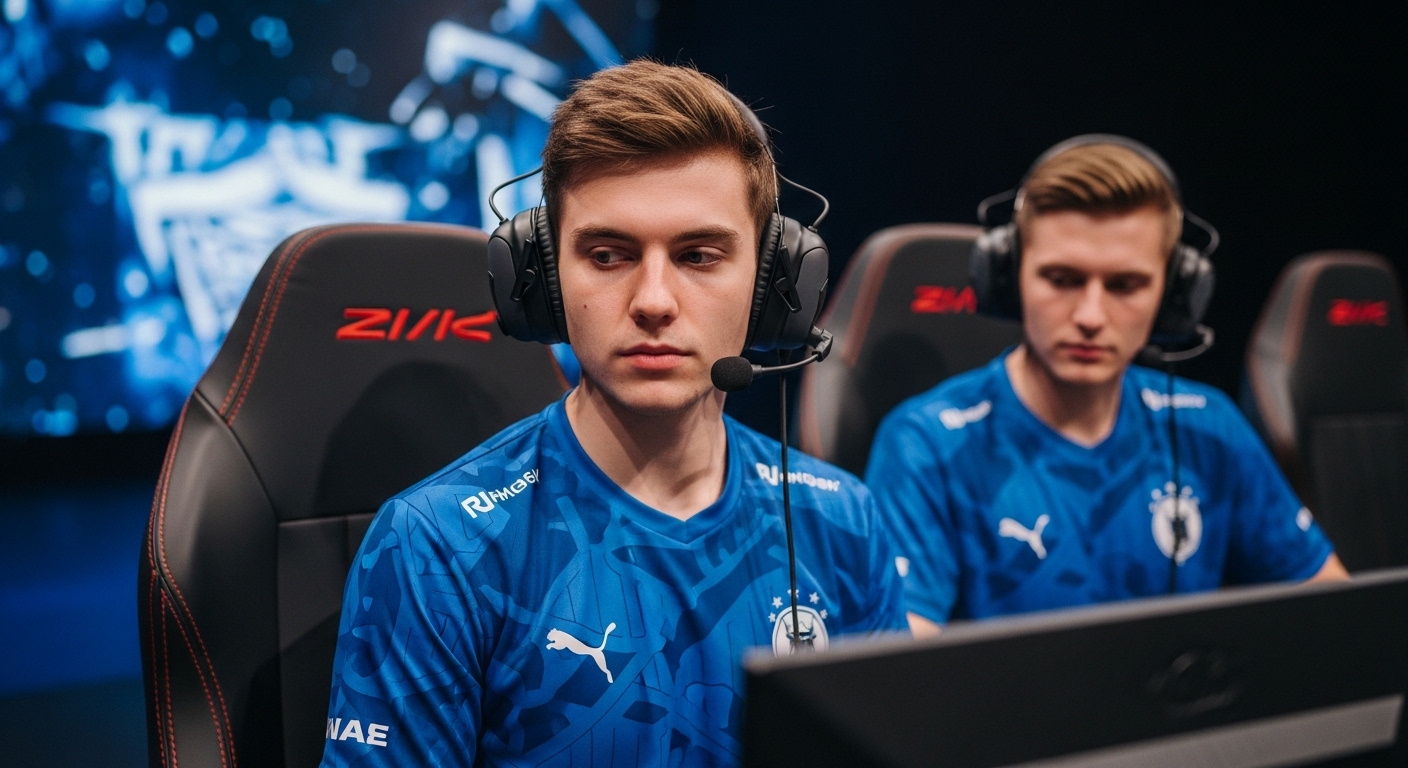
Professional esports teams function similarly to traditional sports organizations. Teams employ coaches, analysts, managers, and support staff to enhance player performance. Players dedicate long hours to practice, studying strategies, reviewing match footage, and refining their mechanical skills. Success depends not only on individual talent but also on teamwork, communication, and mental resilience.
The Life of a Professional Esports Player
The journey to becoming a professional esports player is demanding and requires discipline. Contrary to popular belief, competitive gaming involves rigorous routines and long hours of training. Players often practice eight to twelve hours a day, balancing strategy sessions, mechanical drills, and scrimmages against other teams. Physical fitness and mental conditioning are also essential to maintain focus, reflexes, and resilience under pressure.
Esports careers tend to be shorter than traditional sports careers. Peak performance often occurs in a player’s late teens to mid-twenties, as reaction time and adaptability are crucial. Many players transition to coaching, content creation, or management roles after retirement. Financial planning and education are vital components of a professional esports career, ensuring long-term stability beyond competitive play.
Esports as Entertainment
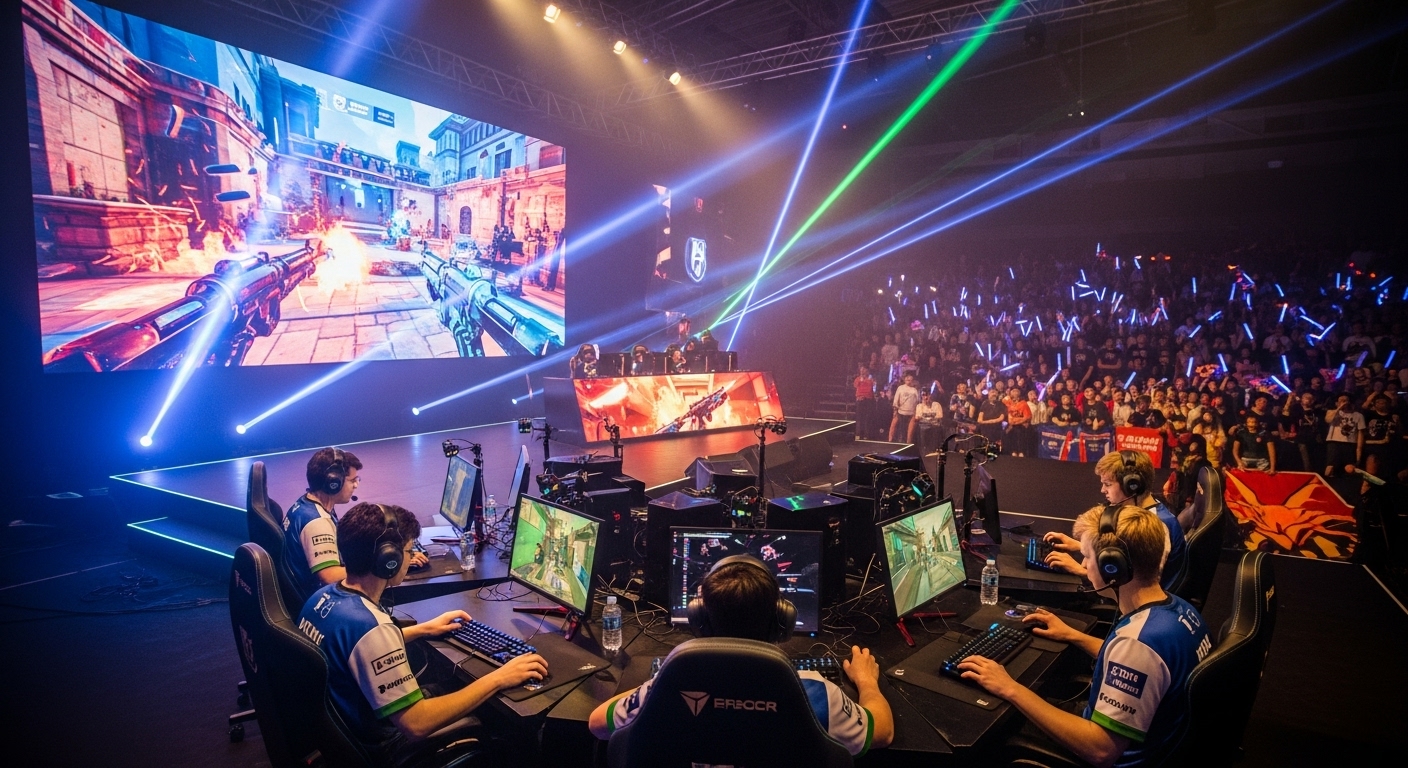
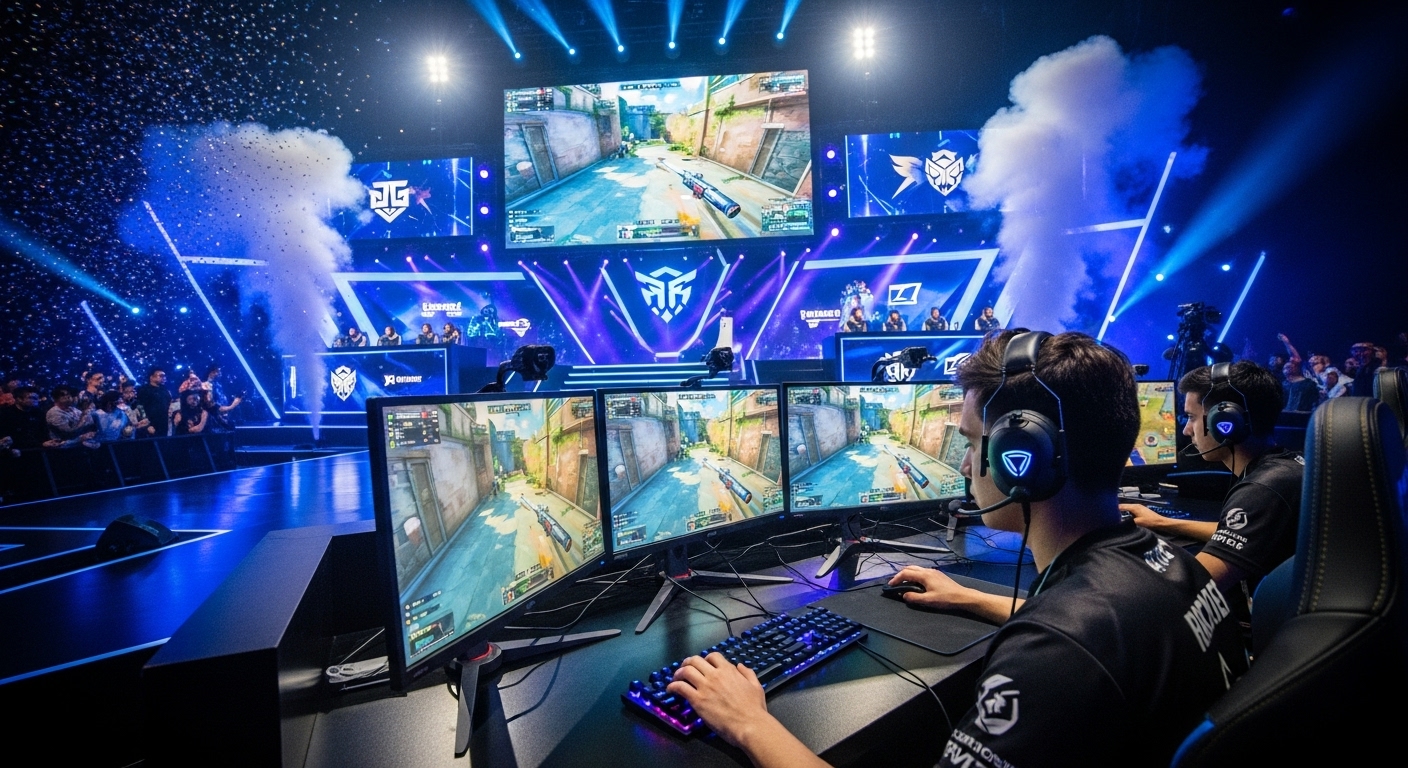
A key factor in esports growth is its appeal as a form of entertainment. Tournaments are produced as elaborate spectacles, with live commentary, analysis, interviews, and high-quality visuals. Large events are held in arenas packed with thousands of fans, creating an atmosphere comparable to traditional sports events.
For viewers, esports offers dynamic action, strategic depth, and emotional engagement. Fans support teams and players passionately, celebrating victories and mourning losses. Online streaming platforms allow global audiences to engage with matches, participate in live chats, and connect with communities, making esports an inclusive and interactive form of entertainment.
The Business of Esports
Esports has grown into a multi-billion-dollar industry, supported by sponsorships, advertising, merchandise, ticket sales, and media rights. Companies from both gaming and non-gaming sectors invest heavily, recognizing the value of reaching digitally savvy audiences. Major brands sponsor teams, tournaments, and streaming events, while smaller companies benefit from niche market exposure.
Game publishers hold a central role in esports, owning intellectual property and overseeing competitive ecosystems. They regulate tournaments, provide updates, and maintain fair play, making esports a unique industry model where the product owner directly influences competition and monetization. Revenue is shared across teams, players, and organizers, creating an interconnected business ecosystem.
Technology’s Role in Esports
Technology underpins every aspect of esports. High-performance computers, consoles, peripherals, and fast internet connections enable competitive gameplay and smooth streaming experiences. Virtual production tools, live analytics, and broadcasting innovations enhance viewer engagement, allowing audiences to experience matches as immersive spectacles.
Emerging technologies continue to shape esports. Virtual reality and augmented reality have the potential to redefine gameplay and spectator experiences. Artificial intelligence is being used for coaching, performance analysis, and cheating detection. Technology ensures that esports remains a forward-looking, innovative entertainment medium.
Community and Culture
Esports is driven by vibrant communities. Fans, players, content creators, and commentators contribute to a shared culture built around games and competition. Social media platforms, forums, and live chat spaces allow for constant interaction, debate, and collaboration, creating a sense of belonging among enthusiasts.
Community engagement also presents challenges. Issues like toxicity, harassment, and inclusivity have prompted organizations to implement positive behavioral initiatives and promote mental health awareness. Healthy communities are essential for sustainable growth, as fan loyalty and player satisfaction depend on respectful and supportive environments.
Esports and Education
Esports has increasingly found a place in educational institutions. Schools and universities now offer esports programs, scholarships, and competitive teams. These initiatives teach valuable skills such as teamwork, strategy, communication, and problem-solving, emphasizing esports as both recreational and educational.
Academic integration helps legitimize esports, demonstrating that gaming can complement personal growth and educational goals. Students gain real-world skills, learn career opportunities in esports-related fields, and experience a structured environment that combines competition with mentorship and training.
Challenges Facing the Industry
Despite impressive growth, esports faces several challenges. Player burnout is common due to intense schedules and constant pressure to perform. Competitive fairness requires robust regulation, including anti-cheating measures and consistent rule enforcement. Financial sustainability also remains an issue, especially for smaller teams and regional tournaments struggling to generate revenue.
The industry must address diversity and representation, ensuring opportunities for all players and fans regardless of gender, background, or location. Failure to address these issues could hinder long-term growth and limit the potential of esports as a global cultural force.
The Future of Esports
The future of esports is promising. Global audiences continue to expand, investments increase, and new technologies enhance gameplay and spectator experiences. Integration with traditional media, improvements in player welfare, and inclusive community practices are shaping the next phase of development.
Esports challenges conventional definitions of sports, blending human skill, strategy, and technology. It is not just a pastime but a dynamic cultural movement that influences entertainment, education, and professional opportunities worldwide. The industry’s trajectory suggests that esports will continue to redefine how people compete, connect, and celebrate excellence in the digital age.
Conclusion: Esports Beyond the Screen
Esports has grown far beyond casual gaming, establishing itself as a serious professional pursuit, a global entertainment medium, and a cultural phenomenon. It combines technological innovation, community engagement, and human skill, offering opportunities for players, fans, and businesses. As the industry matures, it will continue shaping the future of competition, entertainment, and digital culture, proving that esports is more than just a game—it is a transformative force in the modern world.