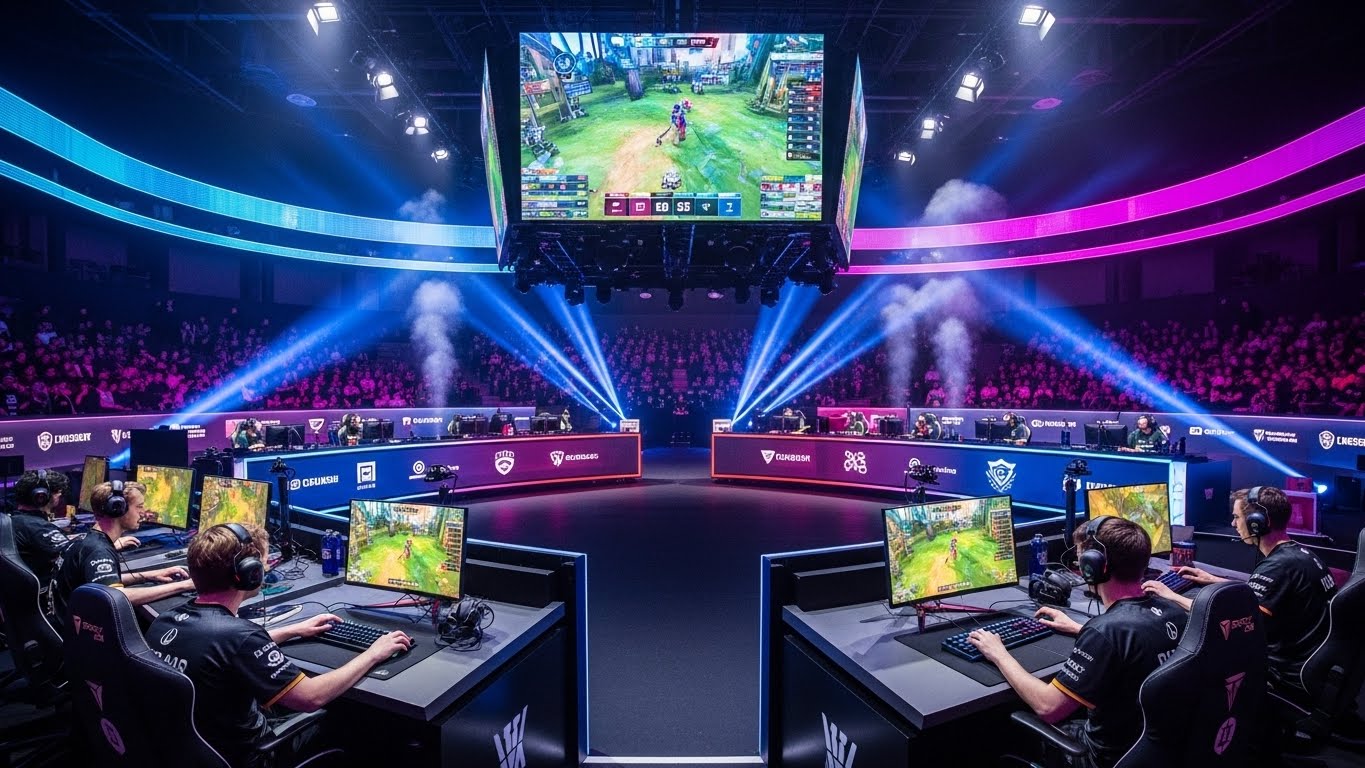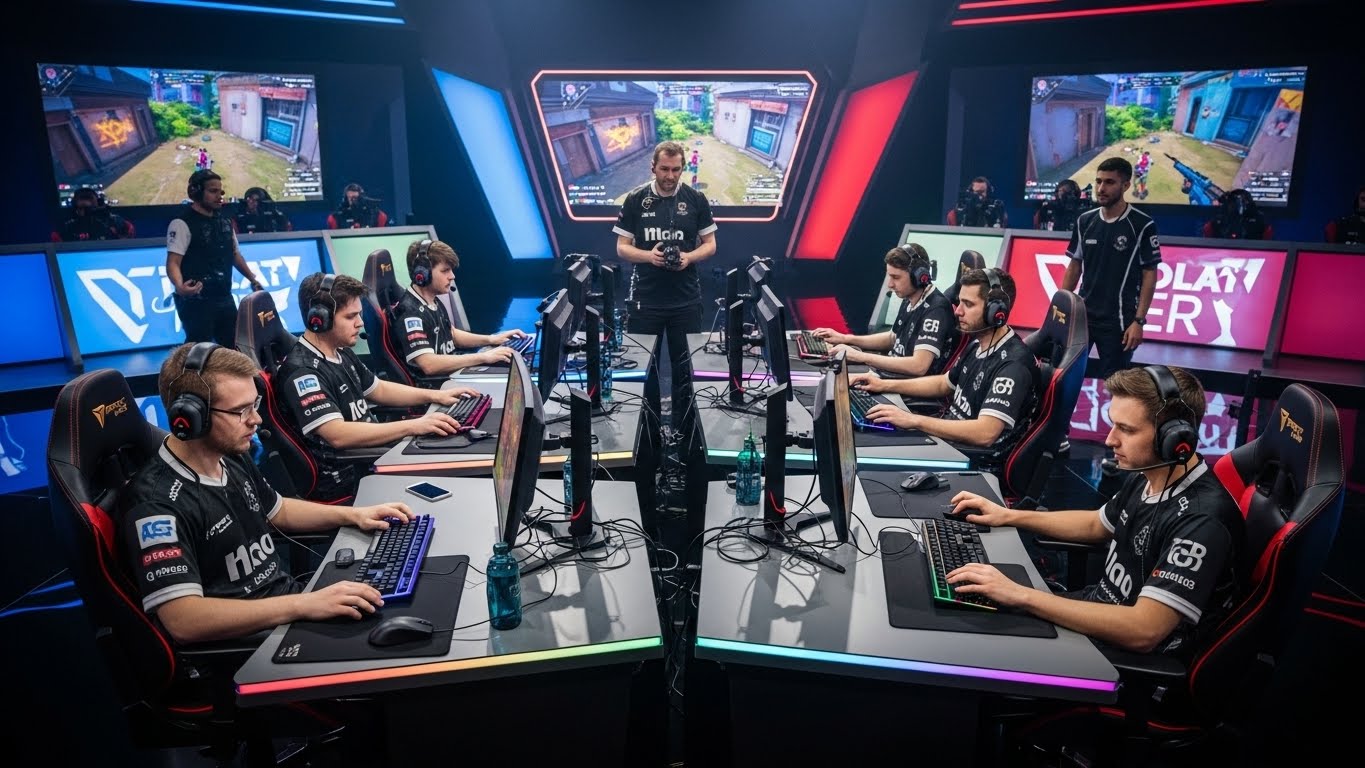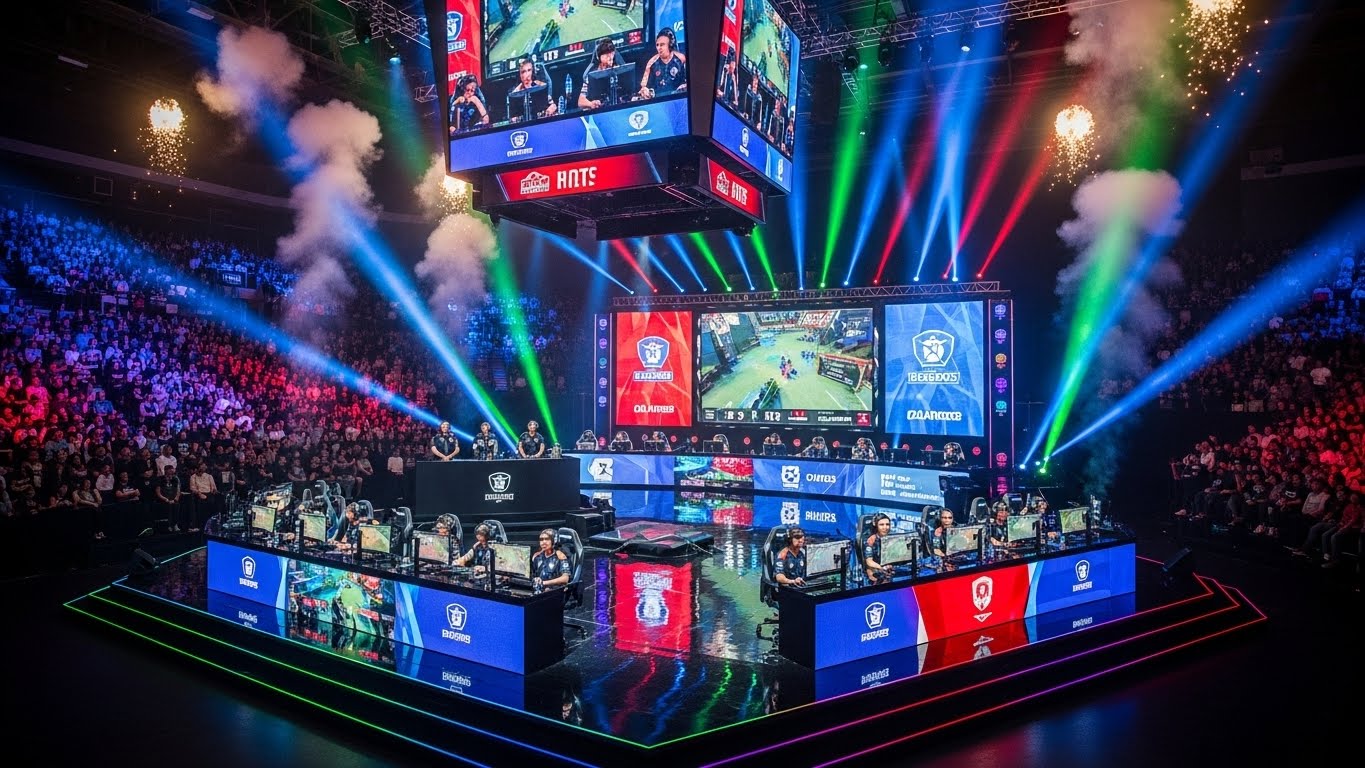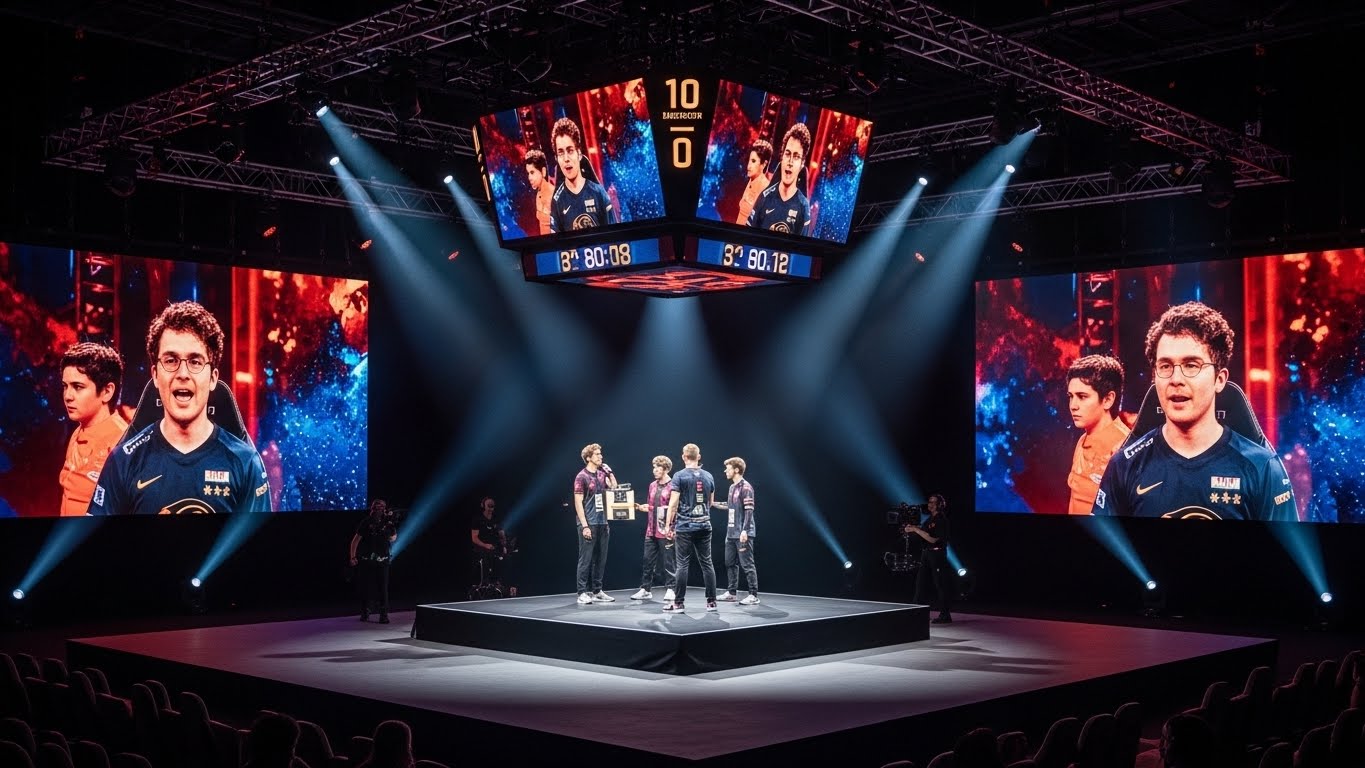
Esports, or competitive video gaming, has grown from a niche pastime into a global phenomenon that rivals traditional sports in both popularity and revenue. With millions of players, professional leagues, and international tournaments, esports is no longer just a hobby; it has become a legitimate career path, a cultural movement, and a multi-billion-dollar industry. Unlike traditional sports, esports thrives in digital arenas, blending technology, strategy, teamwork, and personal skill in ways that were unimaginable just a few decades ago. In this blog post, we will explore the evolution of esports, its cultural impact, economic significance, the benefits and challenges for players, and what the future may hold for this rapidly growing industry.
The Origins of Esports
The roots of esports can be traced back to the late 1970s and early 1980s, when arcade competitions and local video game tournaments first gained popularity. Early competitions were primarily based on achieving high scores in games such as Space Invaders, Pac-Man, and Donkey Kong. While these early events were informal, they sparked the idea that video games could be more than just entertainment—they could also be competitive challenges.
The rise of home computers and the internet in the 1990s transformed competitive gaming. Multiplayer games such as StarCraft, Counter-Strike, and Warcraft introduced players to online competition, enabling matches between individuals and teams from different cities and even countries. This global connectivity set the stage for the professional esports industry we see today, where players dedicate hours of practice to achieve mastery, and tournaments are broadcast to audiences around the world.
The Most Popular Esports Genres
Esports is diverse, encompassing a variety of game genres, each requiring unique skills and attracting different audiences. Some of the most prominent genres include:
Multiplayer Online Battle Arenas (MOBAs): Games like League of Legends and Dota 2 focus on strategic team play, map control, and coordinated execution. MOBAs require players to balance individual skill with teamwork to achieve objectives and secure victory.
First-Person Shooters (FPS): Titles such as Counter-Strike: Global Offensive, Valorant, and Call of Duty emphasize precision, reaction time, and tactical decision-making. FPS players must maintain focus and accuracy under intense pressure.
Real-Time Strategy (RTS) Games: Games like StarCraft demand long-term planning, resource management, and multitasking. Players need to anticipate their opponent’s moves while executing complex strategies.
Fighting Games: Popular games such as Street Fighter and Tekken require individual skill, timing, and adaptability in head-to-head matches.
Sports Simulation Games: FIFA, NBA 2K, and Madden allow players to replicate real-world sports, blending the mechanics of traditional athletics with digital competition.
The diversity of esports ensures that there is something for nearly every type of player and fan, from those who enjoy fast reflexes to those who thrive on strategic thinking.
Training Like a Professional Athlete
Professional esports players often follow training schedules similar to those of traditional athletes. Practice sessions can last several hours each day and focus on refining mechanics, studying game strategies, and improving team coordination. Players analyze their own gameplay as well as their opponents’ to gain a competitive edge.
Mental preparation is just as important as physical practice. Esports players must remain focused during high-stakes matches, make rapid decisions, and adapt to unexpected situations. Many teams employ coaches, analysts, and even psychologists to support players’ mental and emotional health.
Physical fitness is also crucial, despite the perception that esports is sedentary. Maintaining proper posture, managing hand and wrist health, and engaging in regular exercise help players perform at their best and reduce the risk of injuries caused by long hours of gameplay.
The Cultural Impact of Esports
Esports is more than competition—it is a cultural phenomenon that influences entertainment, social interaction, and identity. Online platforms allow millions of fans to watch matches, learn strategies, and connect with like-minded communities. Fans celebrate victories, analyze gameplay, and engage in discussions, creating a shared experience that transcends geography.
Professional esports players have become global celebrities, inspiring fans with their skill, personality, and dedication. Merchandise, sponsorships, and fan communities reinforce the cultural presence of esports, turning gaming into a medium that combines competition with social connection and creative expression.
Esports has also contributed to breaking down traditional barriers in sports culture, promoting inclusivity and embracing players from diverse backgrounds. In doing so, it reflects broader social changes and reshapes how we view achievement and excellence in the modern digital era.
Economic Significance of Esports
The esports industry has become a major economic force, generating billions of dollars in revenue annually. Income streams include sponsorships, advertising, media rights, merchandise, and event ticket sales. Global tournaments often feature prize pools reaching millions of dollars, attracting professional teams and drawing in massive audiences.
Esports has created numerous career opportunities beyond playing, including coaching, content creation, broadcasting, event management, analytics, and game development. Companies are increasingly investing in esports organizations and tournaments, recognizing the value of engaging with a highly connected and digitally engaged audience.
This economic growth demonstrates that esports is not a fleeting trend but a legitimate and sustainable industry with wide-ranging influence.
The Role of Streaming and Online Platforms
Streaming platforms are central to esports’ global popularity. Live broadcasts of tournaments and individual gameplay allow fans to interact with players and each other, creating an engaging, participatory experience. Features like live chat, virtual gifts, and fan subscriptions make the experience interactive and immersive.
Streaming has also allowed casual players to pursue careers, bridging the gap between hobbyists and professional esports athletes. By sharing strategies, tutorials, and entertainment content, streamers help build global communities while increasing visibility for competitive gaming.
These platforms have turned esports into a spectator sport, democratizing access to competition and allowing fans to feel directly involved in the digital arena.
Esports in Education and Youth Development
Esports is increasingly integrated into educational programs, with schools and universities offering esports teams, clubs, and scholarships. Participation in esports teaches critical life skills, including teamwork, leadership, communication, strategic thinking, and time management.
Academic programs focused on esports, game design, and digital media prepare students for careers in technology and entertainment. By combining structured competition with education, esports programs provide young people with constructive ways to develop skills while pursuing their passions.
Inclusivity and Accessibility in Esports
One of esports’ defining features is its accessibility. Players from different backgrounds, physical abilities, and locations can compete on an equal footing. Unlike many traditional sports, physical limitations are less restrictive, making esports more inclusive and equitable.
Efforts to increase gender diversity and representation are gaining traction, with female players, coaches, and content creators breaking barriers and inspiring others. Creating safe and welcoming communities is a priority for the industry, as inclusivity strengthens engagement and innovation.
Challenges Facing the Esports Industry
Despite its growth, esports faces several challenges. High-intensity practice schedules and competitive pressure can lead to burnout, mental fatigue, and health issues for players. Maintaining long-term career sustainability is an ongoing concern.
Other challenges include online toxicity, cheating, and inconsistent regulation of tournaments and contracts. Addressing these issues requires careful oversight, ethical practices, and support systems to ensure a fair and professional environment for players and teams.
The Future of Esports
The future of esports is bright, fueled by technological advancements and expanding global interest. Emerging technologies such as virtual reality, augmented reality, and artificial intelligence have the potential to revolutionize gameplay and audience engagement, making experiences even more immersive and interactive.
As esports continues to integrate with mainstream entertainment and traditional sports, its influence will grow across media, culture, and education. The industry’s adaptability, combined with the passion of players and fans, ensures that esports will continue to evolve as a dominant force in global entertainment.
Conclusion: Esports as a Modern Frontier
Esports represents a new frontier in competition, blending human skill with technology to create a unique form of athleticism and entertainment. It has redefined what it means to be a professional athlete, offering opportunities for careers, personal development, and global recognition.
Beyond gameplay, esports fosters communities, encourages inclusivity, and drives economic growth. It challenges conventional ideas of sports, demonstrating that passion, discipline, and teamwork can thrive in digital arenas. Esports is not just about games—it is about human ingenuity, dedication, and connection in an increasingly digital world.
For players, fans, and professionals, esports offers a stage where excellence is defined by strategy, skill, and creativity rather than physical limitations. As the industry continues to grow, esports will remain a defining element of modern culture, a testament to the possibilities of competition, innovation, and human potential in the digital age.