Introduction: The Esports Revolution
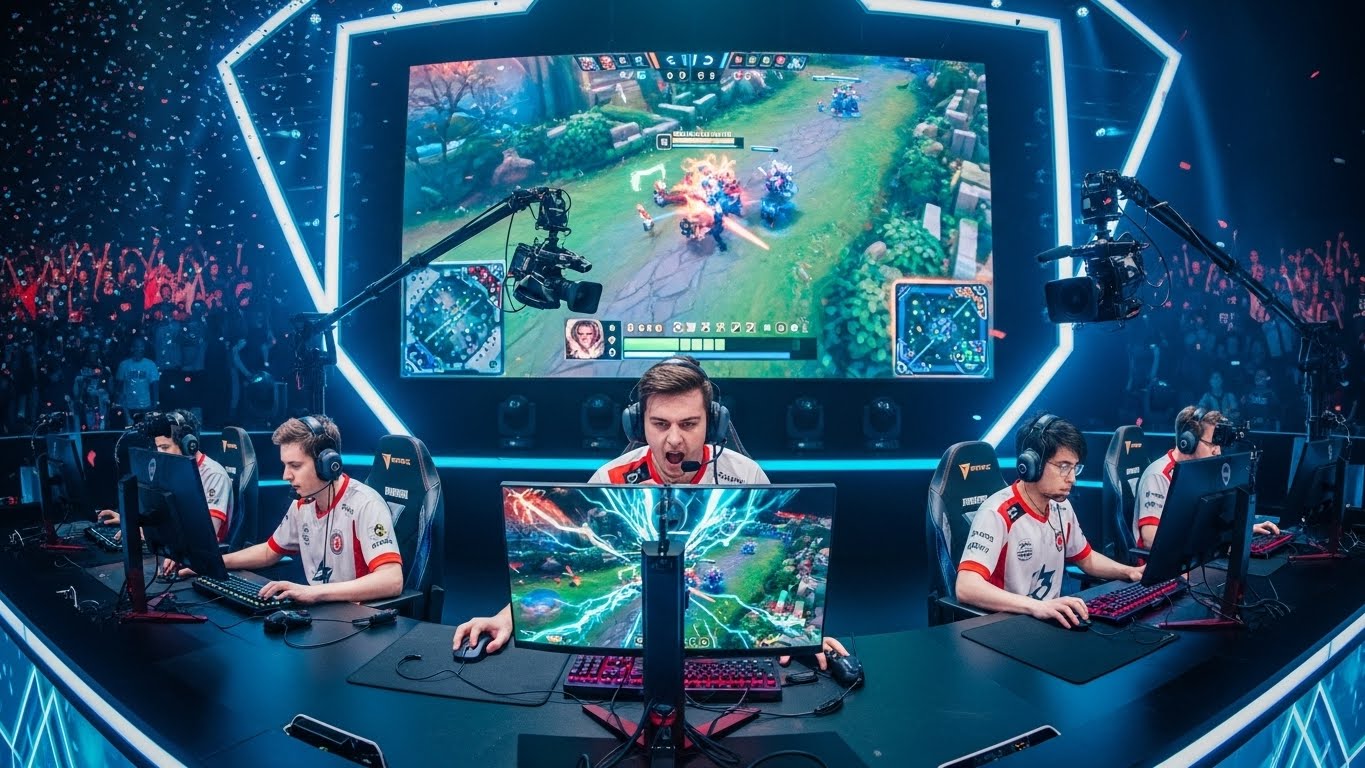
Esports, short for electronic sports, has transformed from a niche hobby to a global phenomenon. Once a pastime enjoyed by a small community of gamers, it has evolved into a multi-billion-dollar industry with millions of viewers, professional players, and major sponsorships. From the early days of competitive gaming to the current era of packed arenas and global broadcasts, esports has fundamentally reshaped how we think about video games, competition, and entertainment. This blog post will explore the rise of esports, its cultural impact, its economic growth, and the promising future that lies ahead for competitive gaming.
The Origins of Esports: A Journey from Arcade Games to Global Phenomenon
The roots of esports can be traced back to the 1970s and 1980s, when the first video game arcades started popping up across the world. Early games like Pong and Space Invaders introduced the concept of competition through video games. However, it wasn’t until the late 1990s and early 2000s that competitive gaming truly began to take shape. Games like StarCraft and Quake brought multiplayer modes to the forefront, and tournaments began to emerge in South Korea, where esports first gained significant traction.
In the early days of esports, players gathered in local LAN (Local Area Network) parties to compete against one another in games like Warcraft III and Counter-Strike. These grassroots events laid the foundation for larger-scale competitions. Over time, organized tournaments such as the World Cyber Games and the Electronic Sports World Cup were born, providing a platform for competitive players to showcase their skills. As internet speeds improved and gaming communities grew, esports events began attracting larger audiences, both in person and online.
The true turning point came in the 2010s when games like League of Legends, Dota 2, and Overwatch entered the scene, bringing professional-level competition to the mainstream. The rise of streaming platforms like Twitch and YouTube Gaming helped propel esports into the global spotlight. With tournaments offering massive prize pools and sponsorships from major brands, esports quickly grew from a hobby into a billion-dollar industry.
The Cultural Impact of Esports: More Than Just a Game
Esports is no longer just about playing games—it’s a cultural movement that has had a profound impact on entertainment, media, and social interaction. The global appeal of esports has made it an integral part of pop culture. Major esports events such as The International (Dota 2), the League of Legends World Championship, and the Fortnite World Cup now attract millions of viewers, rivaling the viewership of traditional sports events like the Super Bowl or the FIFA World Cup.
One of the key cultural shifts driven by esports is the normalization of gaming as a form of entertainment for people of all ages. Once viewed as a niche hobby for a specific demographic, gaming has become a mainstream activity that transcends age, gender, and geography. Esports has helped to break down the stereotypes surrounding gamers, proving that competitive gaming is as legitimate and worthy of recognition as traditional sports.
Esports has also fostered a sense of community. Through streaming platforms like Twitch, gamers can interact with their favorite players in real-time, chat with other fans, and share experiences. Esports communities are incredibly diverse, welcoming people from all walks of life, backgrounds, and cultures. This sense of inclusivity has made esports a global social platform where fans can bond over their shared passion for gaming.
Furthermore, esports has helped promote the idea of “gaming as a career.” Professional players, streamers, and content creators have become celebrities in their own right. The success of top-tier players like Faker (Lee Sang-hyeok) in League of Legends or Ninja (Tyler Blevins) in Fortnite has demonstrated that video games can be more than just entertainment—they can be a legitimate and lucrative career choice. This shift in perspective has inspired a new generation of gamers who dream of making it big in the esports industry.
The Professional Esports Landscape: From Players to Teams and Tournaments
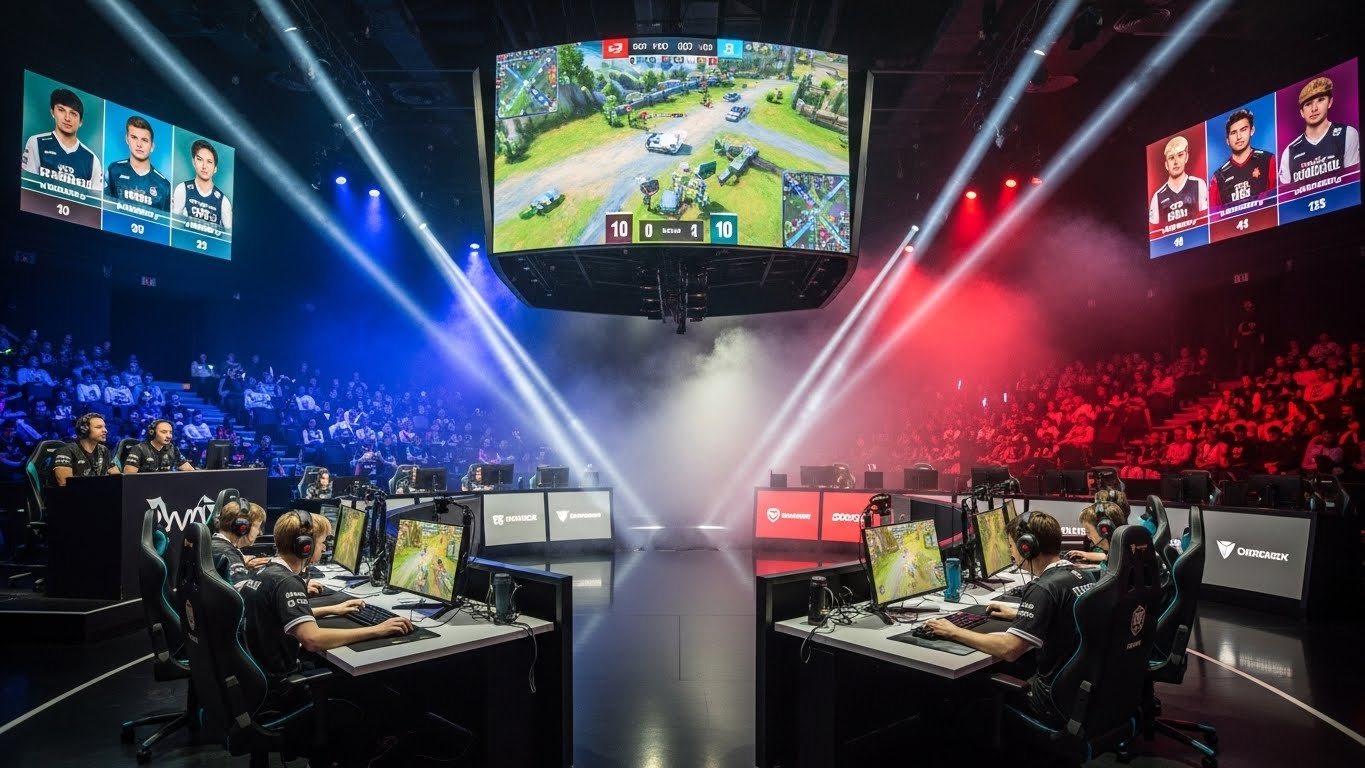
The professional esports scene is incredibly organized and structured, with players, teams, and tournaments all playing vital roles in its success. Just like traditional sports, esports features highly competitive leagues where top-tier players compete for massive prize pools and sponsorships. Players are recruited by professional teams, where they sign contracts and undergo intensive training. Esports teams, much like their counterparts in traditional sports, have dedicated coaches, analysts, and support staff who help players improve their skills and strategies.
The structure of professional esports is similar to that of traditional sports leagues. For example, the League of Legends Championship Series (LCS) operates as a franchised league, where top teams from North America compete in regular seasons, playoffs, and finals. Similarly, the Overwatch League (OWL) uses a city-based franchise model, bringing in teams from various global cities. These leagues offer players a platform to showcase their talent, build a fan base, and earn substantial incomes.
Tournaments are a major part of the esports ecosystem. The Dota 2 tournament The International has one of the largest prize pools in the world, often exceeding $30 million. Similarly, the Fortnite World Cup offered a $30 million prize pool, attracting top players from all over the world. These tournaments are broadcast to millions of viewers through online streaming platforms, providing fans with an opportunity to watch their favorite players and teams compete for glory.
The success of these tournaments has attracted major sponsors and investors from outside the gaming industry, further solidifying esports as a legitimate form of entertainment. Global brands like Coca-Cola, Intel, and Red Bull have partnered with esports organizations, while traditional sports teams have also begun to invest in esports. In 2018, the NBA’s Golden State Warriors launched an esports team, and the NFL’s Dallas Cowboys have also ventured into the esports space. This crossover between traditional sports and esports is a sign of the growing recognition of esports as a legitimate form of competition.
The Economics of Esports: A Multi-Billion Dollar Industry
Esports has rapidly transformed into a multi-billion-dollar industry, with substantial revenue coming from various streams such as sponsorships, advertising, media rights, merchandise, and ticket sales. Sponsorships from global brands are one of the primary revenue sources for esports organizations and tournaments. Companies like Intel, Audi, and Mountain Dew have sponsored major esports events, while player endorsements and merchandise sales also contribute to the financial growth of the industry.
The role of streaming platforms like Twitch and YouTube Gaming cannot be overstated. These platforms provide esports organizations and players with a direct way to monetize their content through ads, subscriptions, and donations. Top streamers, such as Ninja and Shroud, have earned millions of dollars from their streaming platforms, sponsorships, and merchandise sales. The rise of esports content creation has opened up new revenue opportunities for players and content creators, turning gaming into a highly lucrative profession.
In addition to sponsorships and streaming revenue, esports tournaments also generate significant income from ticket sales, both for in-person events and virtual viewership. For example, The International Dota 2 tournament sells tickets to the live event in the host city, while also offering viewers the chance to watch online for free. The event generates revenue from ticket sales, in-game purchases, and viewer donations.
The esports industry’s economic impact is expected to continue growing as more brands and investors recognize the potential of this emerging market. According to industry forecasts, global esports revenue will surpass $1.5 billion by 2023, driven by increased media rights, sponsorships, and fan engagement. The success of esports is creating new business opportunities in areas such as gaming hardware, streaming platforms, event management, and content creation.
The Future of Esports: A Global Industry on the Rise
The future of esports looks incredibly promising. As gaming technology continues to advance, esports will only become more immersive and accessible to a wider audience. Virtual reality (VR) and augmented reality (AR) are already being integrated into some games, offering new ways for players and spectators to experience esports events. The rise of mobile gaming is also expanding the reach of esports, with mobile-friendly games like PUBG Mobile and Clash Royale attracting millions of players and viewers.
The integration of esports into mainstream media is another trend that will shape its future. Major sports networks like ESPN and Fox Sports have started to broadcast esports events, while streaming platforms such as Twitch, YouTube Gaming, and Facebook Gaming continue to grow in popularity. These platforms are helping to bridge the gap between traditional sports and esports, creating new opportunities for cross-promotion and audience engagement.
Esports is also likely to see further integration into the educational system. Colleges and universities in the United States have begun offering scholarships for competitive gaming, while academic programs focused on esports management and production are emerging. This will allow young gamers to pursue their passion for esports while obtaining a formal education, ultimately providing more career opportunities in the industry.
As esports continues to grow, it will be interesting to see how it further integrates into traditional sports and entertainment. With more media exposure, a larger player base, and an expanding fan base, esports is well on its way to becoming a global cultural force that will rival traditional sports in both prestige and revenue.