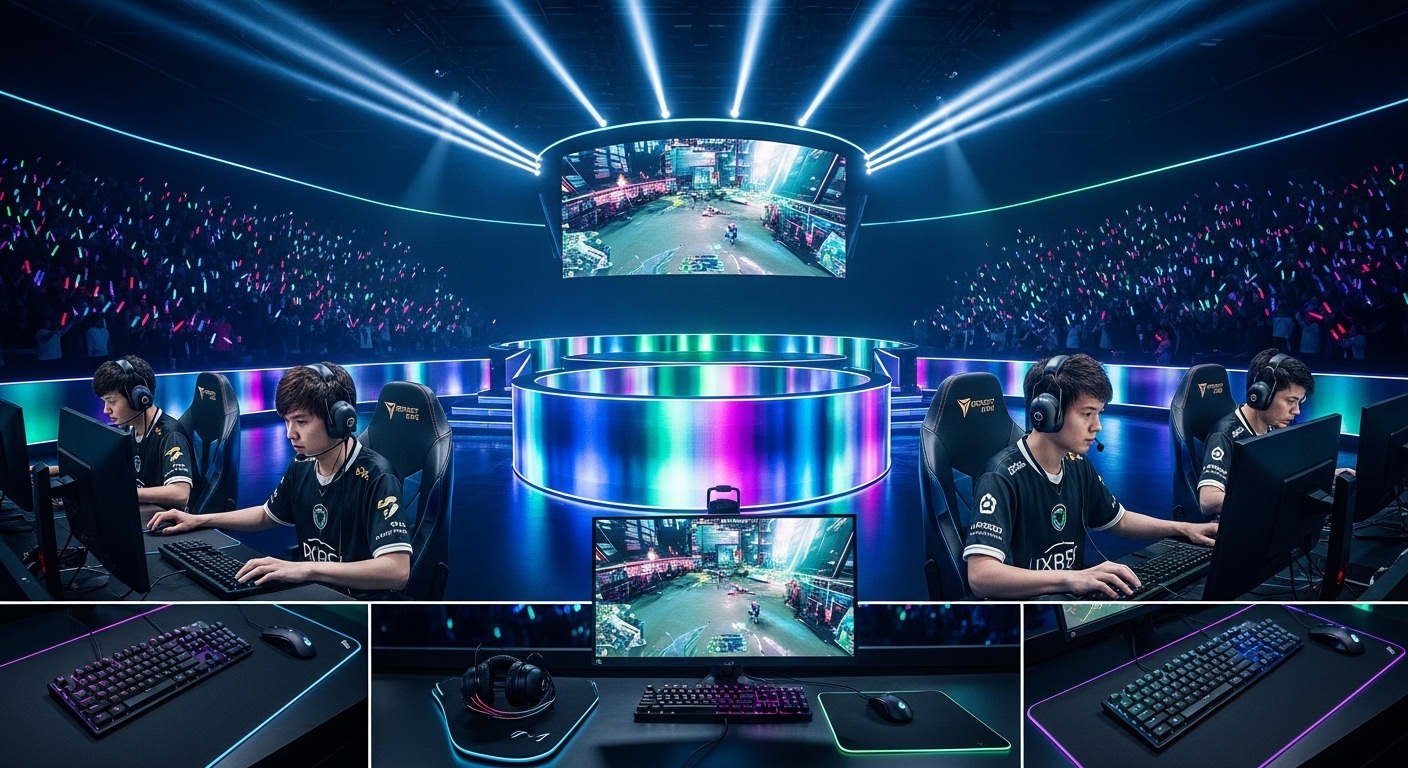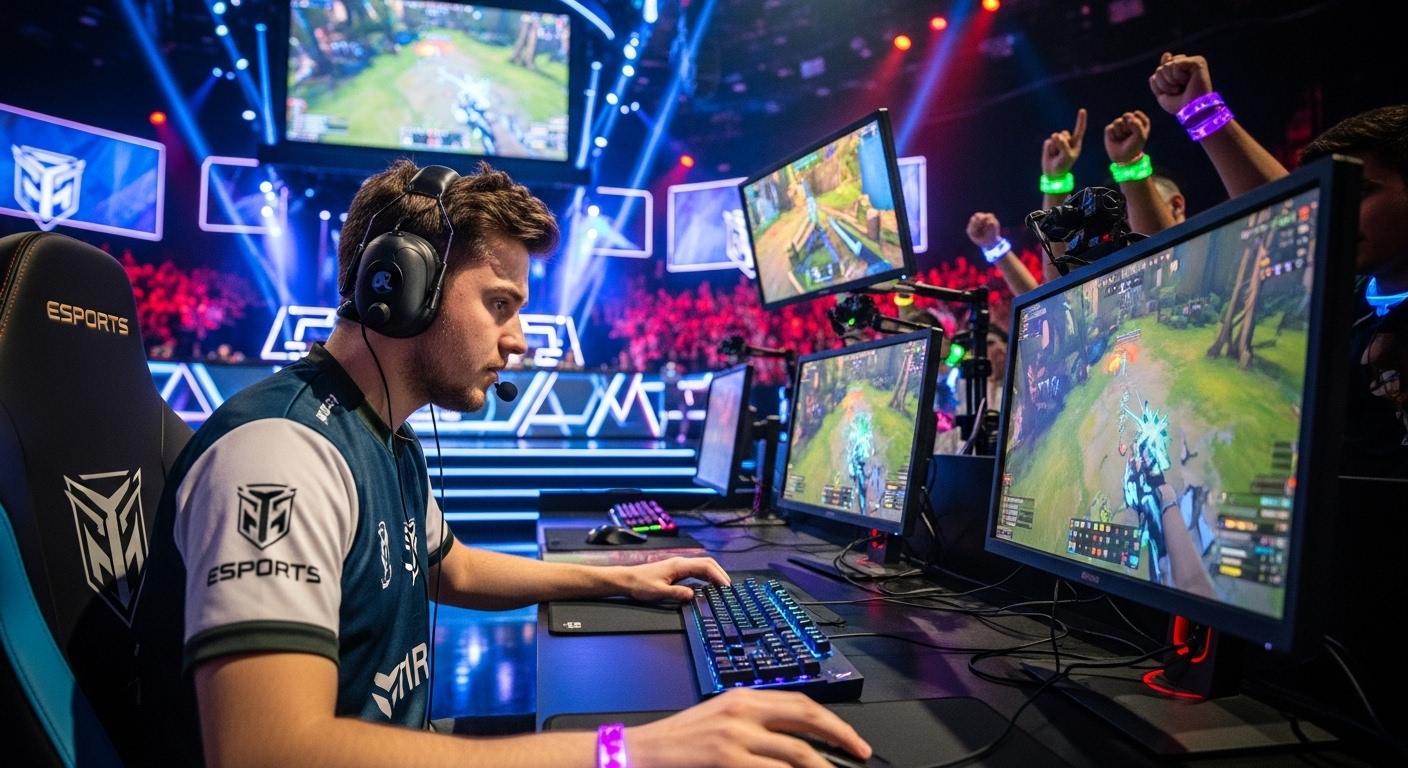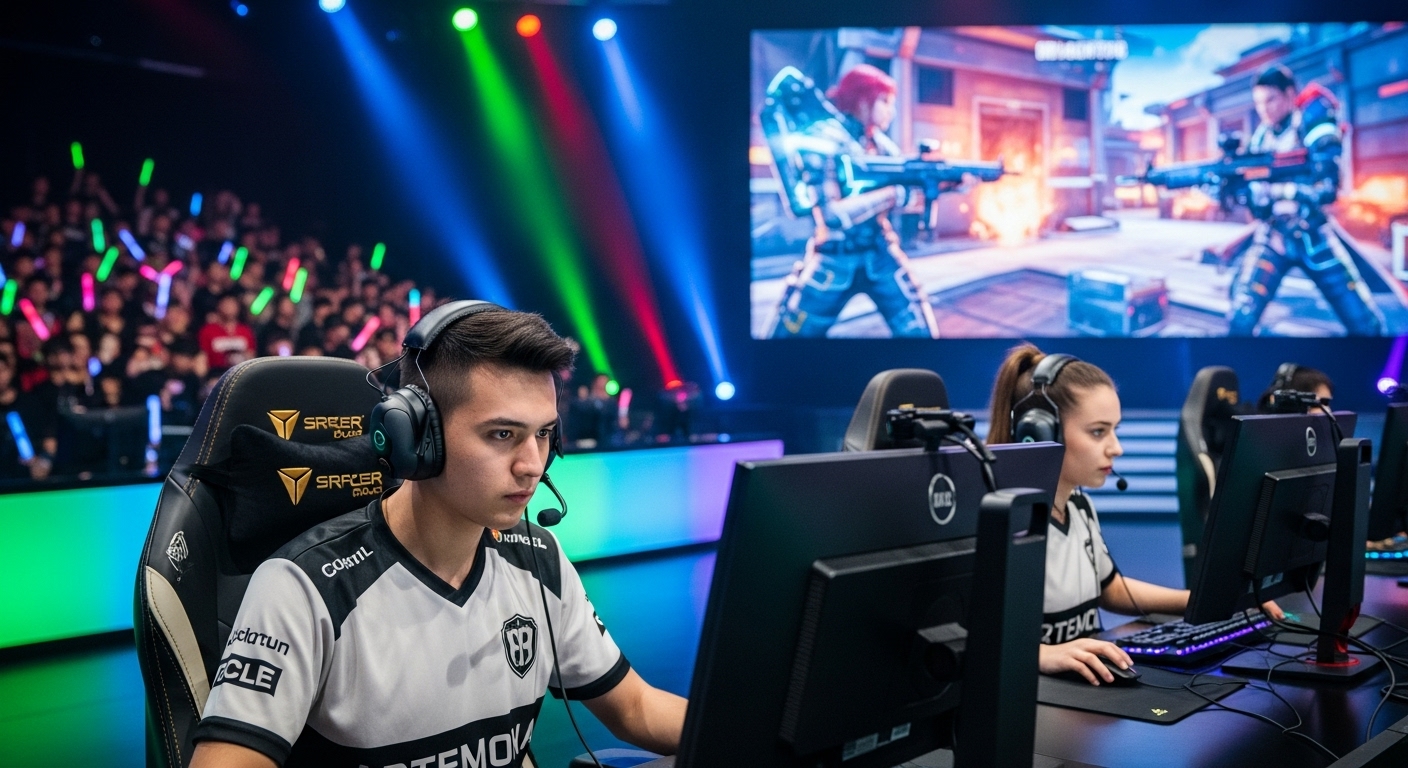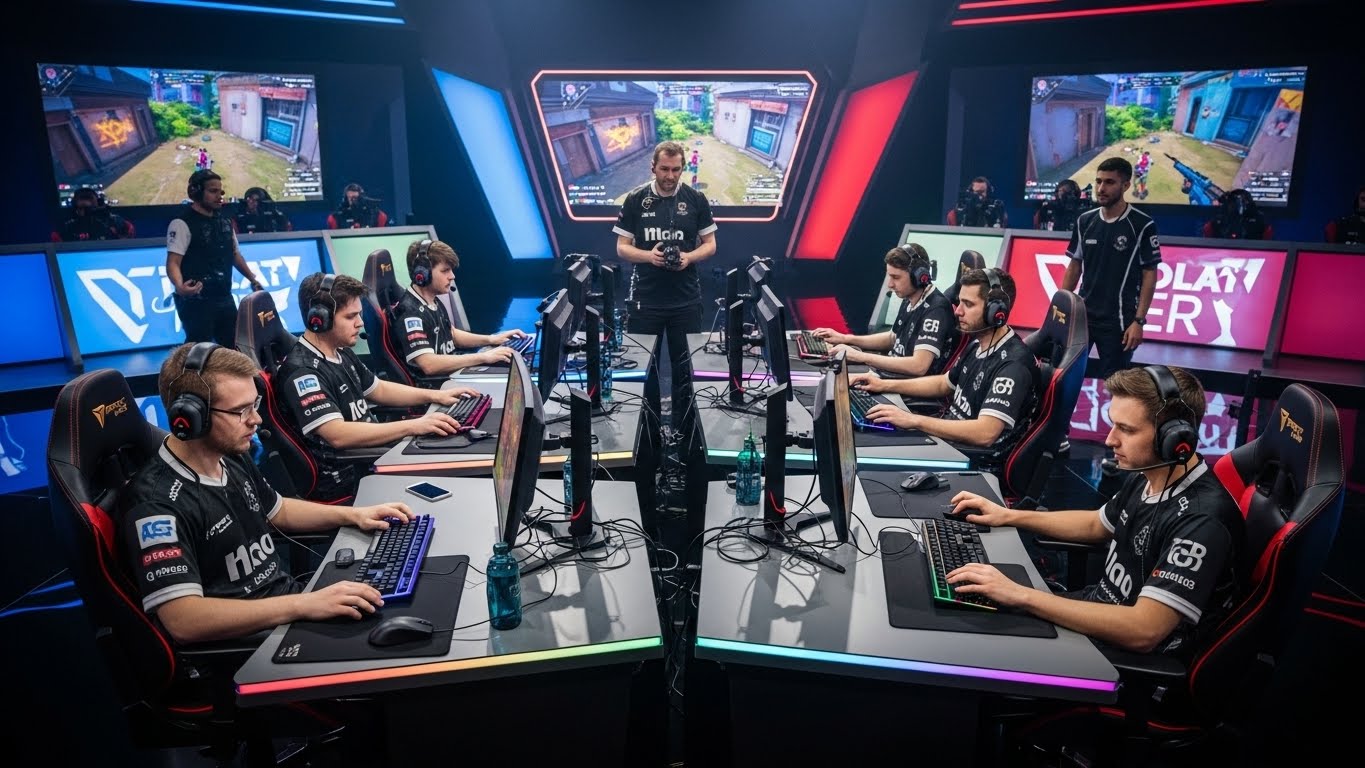
Esports, short for electronic sports, has emerged as one of the fastest-growing forms of entertainment in the 21st century. Once a niche hobby, competitive gaming now attracts millions of viewers, professional players, and sponsors worldwide. From intense multiplayer battles to strategic tournaments, esports has transformed digital gaming into a professional and highly organized industry. This blog explores the rise of esports, its structure, technological innovations, economic impact, cultural significance, challenges, and the future of competitive gaming.
The Rise of Esports
Esports began as small-scale competitive video game tournaments in the late 20th century. Early competitions were often informal events held in arcades or local gaming centers, where enthusiasts would compete in games such as Street Fighter, Quake, or StarCraft. Over time, these competitions gained popularity, evolving into organized leagues with standardized rules, streaming broadcasts, and growing prize pools.
The introduction of high-speed internet, live streaming platforms, and online multiplayer games significantly accelerated the growth of esports. Players could now compete with others worldwide, and audiences could watch live events from anywhere. Games like League of Legends, Dota 2, Counter-Strike: Global Offensive, and Fortnite became cultural phenomena, establishing the foundation for the modern esports ecosystem.
Structure and Format of Esports
Esports is organized in a variety of formats, ranging from local tournaments to global leagues. Professional teams and individual players compete in structured competitions with clearly defined rules, schedules, and rankings.
Professional Leagues and Tournaments
Major esports leagues operate similarly to traditional sports leagues. They feature seasonal competitions, playoffs, and championship events. Teams are often franchised, with players signed under contracts that provide salaries, benefits, and performance incentives. Tournaments can vary in format, including single-elimination, double-elimination, and round-robin systems, each designed to test skill, strategy, and teamwork.
Game Genres in Esports
Esports spans multiple genres, each with unique mechanics and competitive demands. Multiplayer online battle arenas (MOBAs) like League of Legends and Dota 2 emphasize strategy, teamwork, and real-time decision-making. First-person shooters (FPS) such as Counter-Strike: Global Offensive and Call of Duty focus on reflexes, aim, and tactical positioning. Battle royale games like Fortnite challenge players’ survival instincts and adaptability in dynamic environments. Fighting games and sports simulations, including FIFA and Tekken, also have dedicated esports communities.
Player Roles and Team Dynamics
Team-based esports rely on defined player roles and coordination. Each member has specific responsibilities, such as damage dealing, support, or strategic control, requiring communication, synergy, and adaptability. Individual skill is important, but success often depends on teamwork, strategy, and the ability to respond to evolving situations.
Technological Innovations Driving Esports
Esports owes much of its success to technological advancements that enhance both gameplay and spectator experiences.
High-Speed Internet and Cloud Gaming
Reliable high-speed internet enables real-time multiplayer competition and streaming. Cloud gaming technology allows players to access high-performance games without expensive hardware, making esports more accessible to a wider audience.
Live Streaming Platforms
Streaming platforms revolutionized how esports reaches audiences. Fans can watch live competitions, interact with broadcasters, and participate in online communities. Platforms also provide opportunities for content creators and commentators to build careers, expanding the esports ecosystem beyond players.
Analytics and Performance Tools
Advanced analytics tools help professional players and teams refine strategies and improve performance. Data-driven insights track player behavior, game metrics, and opponent tendencies, allowing for better preparation and in-game decision-making. Performance tracking also benefits viewers, enhancing engagement through real-time statistics and in-depth analysis.
Virtual Reality and Augmented Reality
While still emerging, VR and AR are introducing new dimensions to competitive gaming. VR esports create immersive, first-person experiences where players physically interact with virtual environments. AR overlays provide interactive visual aids, enriching both player and spectator experiences.
Economic Impact of Esports
Esports has evolved into a multi-billion-dollar industry with significant economic influence. Professional players earn salaries, sponsorship deals, and prize money, while teams generate revenue through merchandise, ticket sales, and media rights.
Sponsorships and advertising are major drivers of esports revenue. Brands from technology, apparel, beverages, and consumer goods partner with teams, tournaments, and streaming platforms to reach engaged, younger audiences. Additionally, media rights and broadcasting deals contribute to revenue streams, similar to traditional sports.
Esports also fuels job creation beyond players. Roles in event management, coaching, content creation, marketing, analytics, and broadcasting form a thriving employment ecosystem. Gaming hardware and software companies benefit from esports growth, driving innovation and sales of high-performance devices.
Cultural Significance of Esports
Esports has become a cultural phenomenon, influencing entertainment, fashion, and social interaction. Major tournaments attract global audiences, sometimes rivaling traditional sports in viewership. Fans engage with content creators, streamers, and professional players, forming vibrant online communities.
Esports has also helped redefine perceptions of gaming. Once seen primarily as a hobby, gaming is now recognized as a competitive discipline that requires skill, strategy, and teamwork. Professional players serve as role models, inspiring new generations to pursue esports careers.
Social media and streaming platforms amplify esports culture, allowing fans to share highlights, strategies, and community events. Cosplay, fan art, and online forums contribute to a shared identity, creating a sense of belonging among enthusiasts worldwide.
Challenges Facing the Esports Industry
Despite its rapid growth, esports faces several challenges.
Player Health and Wellbeing
Professional gaming can involve long hours of practice, leading to physical and mental health concerns. Issues such as eye strain, repetitive strain injuries, poor posture, stress, and burnout are common. Teams and organizations are increasingly emphasizing physical fitness, mental health support, and balanced schedules to sustain player performance.
Regulatory and Legal Issues
Esports operates across multiple jurisdictions, creating regulatory challenges. Questions about contracts, intellectual property, gambling, and broadcasting rights require clear legal frameworks. Establishing consistent rules and protections for players, teams, and organizers is essential for sustainable industry growth.
Market Saturation and Competition
The growing number of games, tournaments, and teams creates intense competition. Standing out in a crowded market requires high-quality production, marketing, and engagement strategies. Esports organizers must balance accessibility for new players with maintaining prestige and competitiveness in professional leagues.
Cheating and Fair Play
Maintaining competitive integrity is critical. Cheating, hacking, or exploiting game mechanics undermines fairness and audience trust. Anti-cheat systems, monitoring tools, and strict enforcement policies are necessary to protect the integrity of competitions.
The Future of Esports
The future of esports looks promising, with continued expansion and innovation. Mobile esports is gaining traction, making competitive gaming accessible to players who do not own high-end PCs or consoles. The integration of VR and AR promises immersive experiences for both players and spectators.
Esports is likely to become more mainstream, with increased recognition in traditional media, sponsorships, and educational programs. Collegiate esports programs are already emerging, providing structured pathways for aspiring professional players. Schools and universities may increasingly offer scholarships and training programs, similar to traditional sports.
Globalization will also drive esports growth, connecting players and fans from diverse regions. International tournaments will continue to expand, fostering cross-cultural competition and collaboration. Technological advancements such as AI, cloud gaming, and enhanced streaming capabilities will improve both player performance and spectator engagement.
Conclusion
Esports has transformed the way we view competitive gaming, turning digital entertainment into a professional, organized, and globally recognized industry. From humble beginnings in arcades to massive international tournaments, esports now combines skill, strategy, teamwork, and technology to create thrilling experiences for players and audiences alike.
The industry’s economic, cultural, and social impact is significant, providing careers, entertainment, and global connectivity. Despite challenges such as player health, legal issues, and market saturation, esports continues to evolve, driven by innovation and passion.
The future of esports promises greater accessibility, immersive experiences, and worldwide engagement. Competitive gaming is no longer just a hobby—it is a revolution in entertainment that continues to redefine how we play, watch, and connect in the digital age.