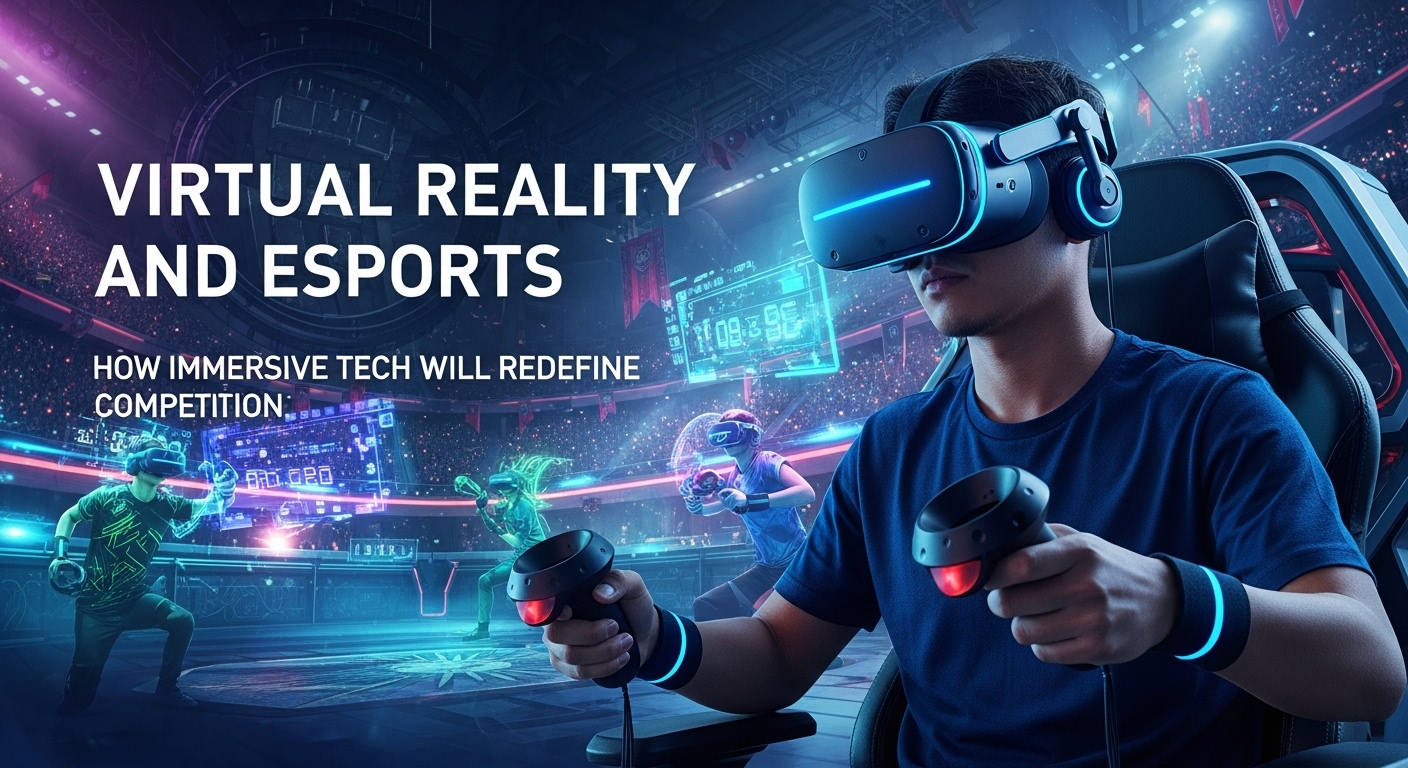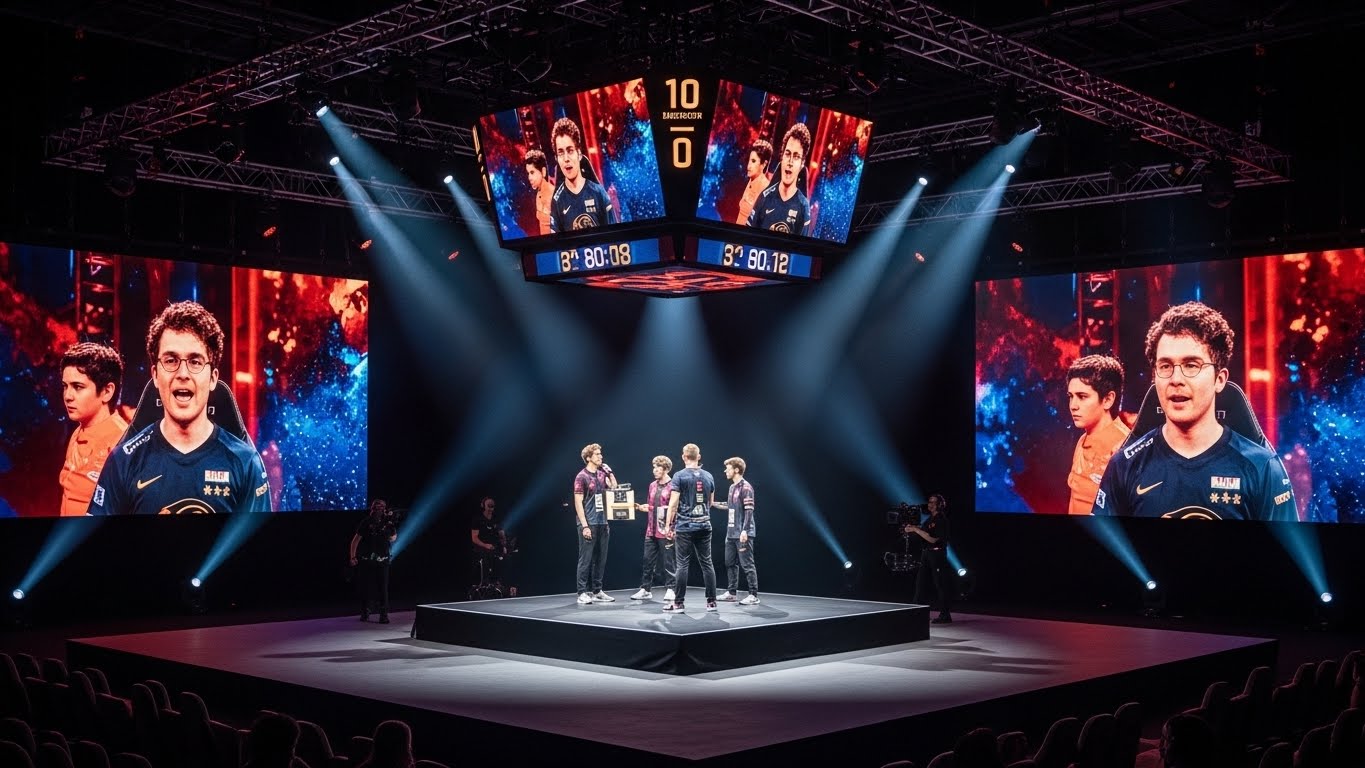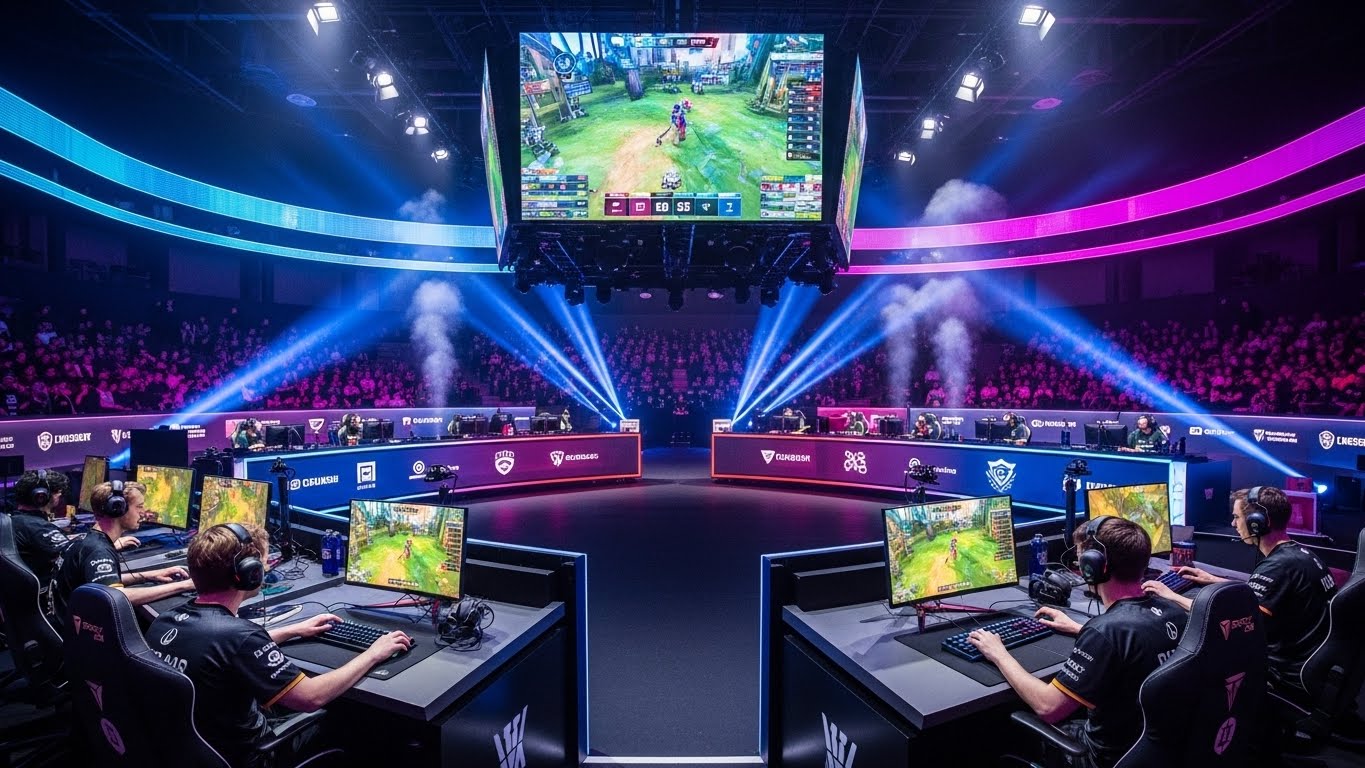
Esports has evolved from a niche hobby into a global phenomenon, redefining competition, entertainment, and digital culture. With millions of players and viewers worldwide, esports has become a legitimate professional field, drawing attention from traditional sports organizations, brands, and media. From casual online matches to grand international tournaments, esports demonstrates how technology and human ambition are reshaping the concept of sports in the twenty-first century.
The Evolution of Esports
The history of esports can be traced back to the late 20th century when competitive gaming began in small communities and local arcades. Early games like Pong, Space Invaders, and Street Fighter laid the foundation for organized competition, but it was the emergence of games such as StarCraft, Counter-Strike, and Dota 2 that truly shaped the esports ecosystem. With the proliferation of high-speed internet, players could compete globally, and tournaments grew larger and more structured.
Over the years, esports has transitioned from informal competitions to professional leagues with teams, sponsors, and prize pools comparable to traditional sports. The accessibility of online platforms and live streaming has made esports a cultural force, attracting a diverse audience across age groups and geographic regions. Today, esports tournaments fill arenas, generate millions in revenue, and are broadcasted to global audiences, showcasing the legitimacy and scale of competitive gaming.
Esports as a Professional Career
Esports is no longer just a pastime; it has become a viable professional career. Top players dedicate countless hours to practice, strategy, and team coordination, often following strict routines similar to traditional athletes. The competitive nature of esports requires discipline, resilience, and continuous skill development, making it a demanding yet rewarding profession.
Beyond players, esports careers extend to coaches, analysts, commentators, event organizers, and content creators. Each role contributes to the ecosystem, creating opportunities for individuals with diverse talents. Professional teams invest in training facilities, nutrition, mental health support, and performance analytics to ensure that players perform at their highest potential. This professionalization highlights how esports has evolved into a structured industry, combining athletic rigor with digital expertise.
Technology: The Backbone of Esports
Technology is central to the growth and success of esports. High-performance gaming rigs, low-latency internet connections, and advanced software create the competitive environment necessary for professional play. Innovations such as virtual reality, augmented reality, and AI-driven analytics are further enhancing gameplay and audience experience.
Streaming platforms play a pivotal role in connecting fans with players. Live broadcasts allow viewers to engage with tournaments, interact with commentators, and participate in online communities. Social media amplifies this engagement, creating a global network of fans, players, and sponsors. Technology not only drives the sport but also strengthens its cultural and economic influence, making esports a digital-age phenomenon unlike any other.
Mental and Physical Demands of Competitive Gaming
Competitive gaming requires immense mental acuity and physical precision. Players need quick reflexes, strategic thinking, situational awareness, and exceptional teamwork. Esports matches can last several hours, demanding sustained concentration, problem-solving, and adaptability under pressure. Mental resilience is crucial, as players must handle high-stress situations, unexpected challenges, and intense competition.
Physical health is equally important. Despite the sedentary appearance of gaming, professional players often follow exercise regimens, nutritional plans, and sleep schedules to maintain optimal performance. Organizations are increasingly aware of the risks of burnout, repetitive strain injuries, and vision-related problems, emphasizing holistic player care. This balance between mental sharpness and physical well-being underscores the demanding nature of esports as a professional field.
Cultural Influence of Esports
Esports has significantly impacted modern culture, shaping entertainment, social interaction, and digital communities. Fans participate in discussions, create content, and celebrate victories alongside their favorite teams, fostering vibrant global communities. Online forums and social media platforms serve as spaces for connection, collaboration, and knowledge sharing.
Esports has also influenced fashion, music, and media, as iconic players and teams become cultural icons. Major tournaments are now celebrated as entertainment events with opening ceremonies, performances, and fan interactions. This blending of gaming, performance, and storytelling has transformed esports into a cultural phenomenon that resonates far beyond the digital realm.
Esports and Education
The growth of esports has extended into educational settings. Schools and universities are establishing esports programs, scholarships, and competitive teams, providing students with opportunities to develop skills while pursuing their passion for gaming. Academic programs in esports management, game design, and digital marketing are emerging, reflecting the recognition of esports as a legitimate industry.
Esports in education promotes critical thinking, teamwork, communication, and leadership. It also encourages inclusivity, allowing students who may excel in digital spaces rather than traditional sports to participate and thrive. Through these programs, esports fosters both personal development and career readiness, demonstrating its value beyond entertainment.
Diversity and Inclusion in Esports
Esports is gradually becoming more inclusive and diverse. Women are increasingly participating in competitive gaming, and organizations are supporting initiatives to ensure equity and fair representation. Adaptive esports programs for individuals with disabilities emphasize that skill, dedication, and strategy matter more than physical ability.
The international nature of esports encourages cross-cultural interaction. Teams often include players from multiple countries, promoting collaboration, mutual understanding, and respect. This inclusivity strengthens the industry by valuing talent, teamwork, and creativity over background, creating a global environment where anyone with skill can succeed.
Economic Impact of Esports
The economic influence of esports is substantial. Revenue streams include tournament prize pools, sponsorships, merchandising, media rights, and streaming content. High-profile tournaments attract millions of viewers worldwide, generating advertising revenue and boosting tourism in host cities. Companies increasingly use esports as a platform to reach younger audiences, fueling marketing opportunities and investment in the industry.
Esports also drives entrepreneurial activity, supporting hardware manufacturers, game developers, event organizers, and digital service providers. This diverse economic ecosystem highlights esports as a driver of innovation, employment, and global commerce, reflecting its role as a transformative industry in the digital age.
Social Interaction in Esports
Esports fosters social engagement, countering stereotypes of gamers as isolated individuals. Online teams, communities, and tournaments promote collaboration, communication, and collective problem-solving. Players learn to coordinate strategies, manage conflicts, and support one another, building both professional and personal skills.
Fans contribute to social interaction by creating content, discussing gameplay, and celebrating achievements. Online communities often extend into real-world events, where players and fans meet, compete, and share experiences. Mentorship within these communities allows experienced players to guide newcomers, promoting skill development and personal growth.
The Future of Esports
The future of esports promises continued innovation and expansion. Emerging technologies such as AI, virtual reality, and augmented reality will redefine gameplay, training, and spectator experiences. Integration with mainstream sports, entertainment, and media will further elevate esports’ global presence.
As the industry grows, ethical considerations will gain importance, including mental health support, fair competition, and responsible sponsorships. Ensuring sustainable growth while prioritizing player welfare will be essential to maintaining esports’ credibility and impact. The evolution of esports is not just about larger tournaments or higher prize pools; it is about creating a globally recognized, sustainable, and inclusive industry.
Conclusion: Esports as a Cultural and Competitive Force
Esports is far more than digital gaming; it is a cultural, social, and economic phenomenon shaping the twenty-first century. It challenges traditional notions of competition, offering new ways for players to demonstrate skill, strategy, and creativity. Esports nurtures discipline, teamwork, critical thinking, and resilience, providing opportunities for professional careers, social engagement, and personal growth.
As technology advances and audiences expand, esports will continue to influence entertainment, education, and global culture. It represents a fusion of innovation, dedication, and human ambition, proving that competition and passion transcend physical boundaries. In a connected world, esports stands as a testament to the transformative power of digital arenas, where champions are defined not just by victories, but by skill, strategy, and resilience.